Neuroimmune Disorders After Infection: Warning Signs That Need Urgent Care
New weakness, numbness, vision loss, trouble walking, severe confusion, or seizures after an infection need urgent medical assessment. These conditions are caused by an abnormal immune response, not by ongoing symptoms alone or simple fatigue after illness.
Key Takeaways
- New weakness, numbness, vision loss, trouble walking, severe confusion, or seizures after an infection need urgent medical assessment.
- These conditions are caused by an abnormal immune response, not by ongoing symptoms alone or simple fatigue after illness.
- Diagnosis often includes neurological examination, blood tests, MRI, spinal fluid analysis, and nerve studies.
- Many neuroimmune disorders improve with prompt treatment such as steroids, plasma exchange, IVIG, or other immune therapies.
- Fast evaluation can help reduce complications and support better recovery.
Neuroimmune disorders after infection happen when the immune system mistakenly attacks parts of the nervous system after a viral or bacterial illness. Because some symptoms can progress quickly, early recognition and urgent medical care are important.
Overview
Neuroimmune disorders after infection are conditions in which the body’s immune response, triggered by a recent infection, mistakenly targets the brain, spinal cord, nerves, or the connection between nerves and muscles. The infection may be viral or bacterial, and in many cases the original illness has already improved by the time neurological symptoms begin. This is why new nerve-related symptoms that appear days or weeks after an infection should not be ignored.
These disorders are uncommon, but they are medically important because some can progress rapidly. Examples include inflammation affecting the brain or spinal cord, nerve roots and peripheral nerves, or specific protective layers around nerve fibers. Related conditions may include Guillain-Barré syndrome, transverse myelitis, or other post-infectious autoimmune neurological syndromes.
Not every symptom after an infection means a neuroimmune problem. Tiredness, headache, or mild concentration difficulty may happen during normal recovery. The concern rises when there are clear neurological changes such as weakness, numbness, imbalance, visual changes, facial drooping, severe drowsiness, confusion, or bladder problems. A careful medical assessment helps distinguish a serious neuroimmune condition from more common post-viral complaints.
Symptoms and Warning Signs That Need Urgent Care
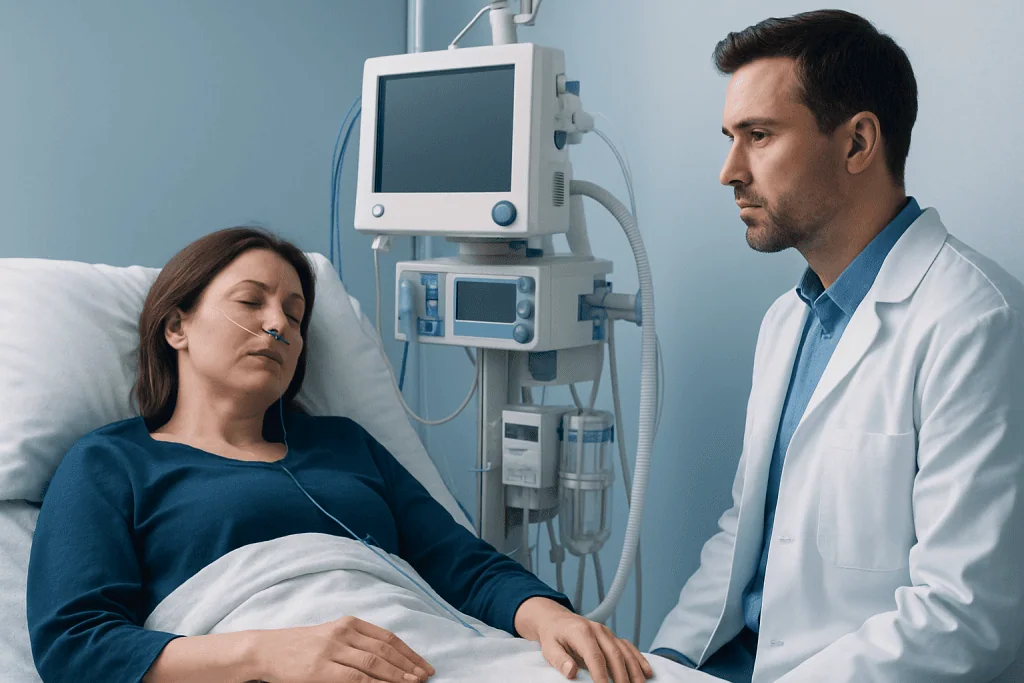
The symptoms depend on which part of the nervous system is affected. If the brain is involved, a person may develop confusion, changes in behavior, severe sleepiness, speech difficulty, seizures, or severe headache with fever or altered mental status. If the spinal cord is affected, symptoms may include sudden weakness, numbness, back pain, difficulty walking, and problems with bladder or bowel control. If the peripheral nerves are affected, tingling in the feet or hands may spread upward and be followed by weakness.
Some warning signs should be treated as urgent because they may signal fast-moving inflammation. These include rapidly worsening weakness, new inability to stand or walk, shortness of breath, difficulty swallowing, double vision, loss of vision, severe imbalance, sudden confusion, or new seizures. A person who becomes increasingly sleepy, develops chest symptoms with weakness, or cannot empty the bladder should seek immediate emergency care.
Urgent warning signs include:
- Weakness that spreads over hours to days
- Numbness with difficulty walking
- Shortness of breath or weak cough
- Trouble swallowing or speaking clearly
- Sudden vision loss or painful eye movement
- Confusion, unusual behavior, or seizures
- Loss of bladder or bowel control
These symptoms do not confirm one specific diagnosis, but they do mean the nervous system needs prompt attention. Early treatment may prevent progression and can sometimes shorten recovery time.
Causes and Risk Factors
The underlying cause is an immune system response that becomes misdirected. After recognizing an infection, immune cells and antibodies may react in a way that also targets normal nerve tissue. This process is sometimes called molecular mimicry, meaning parts of the infection may resemble proteins in the nervous system closely enough to trigger cross-reaction. In other cases, widespread immune activation may contribute to inflammation without a single clear mechanism.
Many different infections have been associated with post-infectious neurological syndromes, including respiratory viruses, stomach viruses, influenza, herpes-family viruses, and certain bacteria. The triggering infection may have been mild. Some people remember only a sore throat, fever, cough, diarrhea, or flu-like illness before neurological symptoms began.
Risk factors are not always easy to identify. A personal or family history of autoimmune disease may matter in some cases, but many affected people had no known neurological or immune disorder beforehand. Age can also influence which conditions are more likely. Importantly, most people recover from infections without developing a neuroimmune disorder, so these complications remain relatively rare.
How Doctors Diagnose Neuroimmune Disorders After Infection
Diagnosis begins with timing and pattern. Doctors ask when the infection occurred, how symptoms started, and whether they are getting worse. A neurological examination checks strength, reflexes, sensation, coordination, eye movements, speech, and mental status. This first assessment helps determine whether the problem likely involves the brain, spinal cord, peripheral nerves, or multiple areas.
Testing often includes blood work to look for inflammation, infection markers, metabolic causes, and sometimes specific antibodies. MRI of the brain or spinal cord may show areas of inflammation or injury. When appropriate, doctors may recommend MRI imaging to assess myelitis, encephalitis, optic nerve involvement, or other structural changes. A lumbar puncture can examine spinal fluid for inflammation, immune activity, or signs that suggest infection versus autoimmune disease.
Nerve conduction studies and electromyography may be used when weakness or tingling suggests a peripheral nerve disorder such as a post-infectious neuropathy. In some situations, doctors also use EEG to assess seizures or altered consciousness, or visual tests when optic nerve inflammation is suspected. The main goal is to confirm the diagnosis quickly and exclude other urgent causes such as stroke, ongoing infection, toxic exposure, or structural compression.
Treatment Options
Treatment depends on the specific diagnosis, severity, and how quickly symptoms are progressing. Because these conditions are immune-mediated, treatment often focuses on reducing harmful inflammation while also supporting breathing, swallowing, mobility, and other essential functions. Hospital care may be necessary, especially if weakness is worsening or the brain and spinal cord are involved.
Common therapies include corticosteroids to calm inflammation, intravenous immunoglobulin (IVIG), or plasma exchange to remove harmful antibodies from the bloodstream. For selected patients, doctors may consider other immunotherapies if symptoms are severe, recurrent, or linked to a defined autoimmune disorder. In intensive cases, breathing support, heart and blood pressure monitoring, and nutrition support may be needed.
Supportive care is equally important. Patients may benefit from physical therapy and rehabilitation to rebuild strength, balance, and function after the acute phase. If swallowing, speech, or daily activities are affected, a multidisciplinary rehabilitation plan can help recovery. In complex cases, specialists may use advanced neurological rehabilitation to address mobility, cognition, fatigue, and independence.
When diagnosis is uncertain, doctors may initially treat both possibilities: evaluating for persistent infection while also addressing immune inflammation. This balance is one reason expert neurological care matters. In experienced centers, treatment plans are adjusted as new test results become available.
Recovery, Prevention, and Self-care
Recovery varies widely. Some people improve over days to weeks, while others need months of rehabilitation. Improvement may continue gradually after the most urgent stage has passed. Fatigue, tingling, weakness, or concentration problems can linger for some time, even after inflammation is under better control.
There is no guaranteed way to prevent all neuroimmune disorders after infection, but general infection prevention measures are still helpful. These include hand hygiene, staying up to date with routine vaccines as advised by a doctor, managing chronic conditions well, and seeking timely treatment for serious infections. Prevention is also about reducing delays: recognizing unusual neurological symptoms early can prevent complications.
At home, self-care should focus on safety and recovery rather than trying to manage serious symptoms alone. Adequate rest, hydration, nutrition, and guided rehabilitation support healing, but they do not replace medical treatment when warning signs are present. Patients should follow their neurologist’s advice about activity, return to work or school, and follow-up testing.
When to See a Doctor
A doctor should assess any new neurological symptom that begins during or after an infection, especially if it is clearly different from ordinary fatigue or headache. Numbness, persistent tingling, weakness, facial drooping, visual changes, severe dizziness, or difficulty concentrating that is worsening should be evaluated promptly. The same is true if symptoms involve the bladder, walking, or coordination.
Emergency care is needed for rapidly progressive weakness, breathing difficulty, trouble swallowing, seizures, severe confusion, or sudden vision loss. These symptoms can signal a condition that may worsen over hours or days. Calling emergency services is safer than waiting if breathing, consciousness, or mobility is affected.
People with complex or severe cases may benefit from assessment by neurologists with expertise in neuroimmunology. Near the end of the care pathway, some patients also seek a second opinion or coordinated treatment planning. Acibadem International’s multidisciplinary specialists and JCI-accredited hospitals diagnose and treat neuroimmune conditions for international patients when advanced evaluation is needed.
Frequently asked questions
Can a simple infection really lead to a serious neurological problem?
Yes, in rare cases an infection can trigger an abnormal immune response that affects the nervous system. Often the infection itself is mild, and neurological symptoms appear days or weeks later. This is why new weakness, numbness, or confusion after illness should be taken seriously.
How quickly do neuroimmune disorders after infection develop?
The timing varies by condition. Some symptoms start suddenly and worsen over hours to days, while others develop more gradually over one to several weeks. Rapid progression is an important reason to seek urgent medical care.
Are these disorders caused by the infection still being active?
Sometimes doctors first need to rule out ongoing infection, but many post-infectious neuroimmune disorders are caused by the immune system rather than the infection itself. In these cases, the body’s defense response continues in a misdirected way and harms nerve tissue. Testing helps distinguish between infection and autoimmune inflammation.
What symptoms suggest emergency care is needed right away?
Emergency evaluation is important for shortness of breath, worsening weakness, inability to walk, trouble swallowing, seizures, severe confusion, or sudden vision loss. Bladder retention or rapidly spreading numbness can also be urgent. These symptoms may indicate inflammation affecting vital nerve functions.
Can neuroimmune disorders after infection be treated successfully?
Many people improve with prompt diagnosis and treatment. Common treatments aim to reduce immune-related inflammation and support breathing, movement, and recovery. The outcome depends on the specific disorder, how severe it is, and how quickly treatment begins.
Will a person fully recover after a post-infectious neuroimmune disorder?
Some people recover well, while others have a slower course and need rehabilitation. Recovery can continue over months, and lingering fatigue or weakness is possible. Regular follow-up helps monitor progress and adjust treatment and therapy.
References
- World Health Organization
- National Institute of Neurological Disorders and Stroke
- Centers for Disease Control and Prevention
- American Academy of Neurology
- National Institute of Allergy and Infectious Diseases
This article is for general information only and is not a substitute for professional medical advice. Please consult a qualified doctor about your individual situation.
Joint and spine care in Turkey — expert assessment & treatment
JCI-accredited · board-certified surgeons · reply within 24h
Add us as a Preferred Source to see more of our trusted health content across Google Search, AI Overviews and Discover.