Neuroimmune Disorders: Common Types, Symptoms, and How They Are Diagnosed

Neuroimmune disorders happen when immune activity damages the central or peripheral nervous system. Symptoms vary widely and may include weakness, numbness, vision changes, balance problems, pain, or cognitive changes.
Key Takeaways
- Neuroimmune disorders happen when immune activity damages the central or peripheral nervous system.
- Symptoms vary widely and may include weakness, numbness, vision changes, balance problems, pain, or cognitive changes.
- Diagnosis usually combines medical history, neurological examination, MRI, blood tests, spinal fluid testing, and sometimes nerve studies.
- Treatment often includes corticosteroids, immunotherapy, rehabilitation, and long-term monitoring.
- Early specialist evaluation can help confirm the diagnosis and reduce the risk of ongoing nerve damage.
Neuroimmune disorders are conditions in which the immune system mistakenly targets parts of the nervous system. They can affect the brain, spinal cord, optic nerves, or peripheral nerves, and careful diagnosis is important because many causes and treatments overlap.
Overview of Neuroimmune Disorders
Neuroimmune disorders are a group of conditions in which the immune system attacks or disrupts the nervous system. This may involve the brain, spinal cord, optic nerves, nerve roots, peripheral nerves, or the connection between nerves and muscles. Some disorders are primarily autoimmune, while others may follow infections, appear alongside systemic inflammatory diseases, or develop for reasons that are still not fully understood.
The term covers several distinct conditions rather than one single disease. Common examples include multiple sclerosis, neuromyelitis optica spectrum disorder, myelin oligodendrocyte glycoprotein antibody-associated disease, autoimmune encephalitis, Guillain-Barré syndrome, chronic inflammatory demyelinating polyneuropathy, and myasthenia gravis. Although these illnesses differ in where they act and how they behave, they share one main feature: abnormal immune activity affects nerve function.
Symptoms can appear suddenly, as in some acute inflammatory conditions, or develop gradually over time. In many patients, symptoms come and go in episodes, while in others they may steadily progress. Because the nervous system controls movement, sensation, vision, thinking, and automatic body functions, the symptoms can be varied and sometimes confusing at first.
Modern neuroimmunology has improved the understanding of these disorders and expanded treatment options. Early recognition matters because some symptoms improve significantly when inflammation is treated promptly, and long-term care may help prevent relapses, manage disability, and support quality of life.
Common Types and Symptoms
The symptoms of neuroimmune disorders depend on which part of the nervous system is involved. Disorders affecting the brain or spinal cord may cause weakness, numbness, tingling, balance problems, bowel or bladder changes, or difficulty walking. When the optic nerves are affected, blurred vision, eye pain, or loss of vision may occur. Conditions that involve peripheral nerves can lead to burning pain, loss of reflexes, facial weakness, or progressive limb weakness.
Some conditions are especially associated with certain symptom patterns. In multiple sclerosis, symptoms often come in attacks and may include vision changes, limb weakness, sensory symptoms, or fatigue. In autoimmune encephalitis, changes in memory, behavior, confusion, seizures, or abnormal movements may be more prominent. In Guillain-Barré syndrome, weakness often starts in the legs and can rise upward over days. In myasthenia gravis, symptoms may worsen with activity and improve with rest, often affecting the eyelids, speech, chewing, or swallowing.
Not every patient experiences severe or dramatic symptoms. Some people notice subtle changes at first, such as unusual fatigue, clumsiness, double vision, nerve pain, or episodes of dizziness. Because these symptoms can overlap with many other neurological and medical conditions, they do not automatically mean a person has a neuroimmune disorder. A thorough medical evaluation is needed to understand the cause.
- Weakness or heaviness in the arms or legs
- Numbness, tingling, or altered sensation
- Vision loss, blurred vision, or double vision
- Problems with balance, coordination, or walking
- Speech or swallowing difficulty
- Pain, muscle spasms, or fatigue
- Memory, mood, or behavior changes in some conditions
Causes and Risk Factors

In many neuroimmune disorders, the exact trigger is not known. The leading explanation is that the immune system mistakenly identifies normal nervous system tissue as harmful and starts an inflammatory attack. This may target myelin, which insulates nerves, nerve cell surfaces, receptors involved in signaling, or other structures. The result is disrupted communication within the nervous system and, in some cases, permanent injury if inflammation is not controlled.
Several factors may contribute to this immune dysregulation. Genetic susceptibility can play a role, but these conditions are usually not inherited in a simple way. Environmental influences may also matter. In some people, symptoms begin after a viral or bacterial infection. In others, neuroimmune disease occurs together with another autoimmune condition such as thyroid disease, lupus, or inflammatory bowel disease. Rarely, certain autoimmune neurological syndromes may be associated with an underlying tumor, especially some forms of autoimmune encephalitis or paraneoplastic syndromes.
Risk varies by condition. Age, sex, ethnic background, recent infections, smoking, vitamin D status, and personal or family history of autoimmunity may all affect likelihood in different ways. However, having one or more risk factors does not mean someone will develop a neuroimmune disorder, and many patients have no obvious risk factor at all.
It is also important to distinguish true neuroimmune disease from problems that can mimic it. Infections, stroke, vitamin deficiencies, structural spinal cord disease, genetic neurological disorders, medication side effects, and metabolic disturbances can all produce similar symptoms. This is one reason why specialist-led diagnosis is so important.
How Neuroimmune Disorders Are Diagnosed
Diagnosis starts with a detailed medical history and neurological examination. Doctors ask when symptoms began, whether they came on suddenly or gradually, and whether there were infections, recent illnesses, medication changes, or previous similar episodes. The examination looks at strength, sensation, reflexes, coordination, eye movements, gait, and mental status. This helps identify which part of the nervous system may be affected.
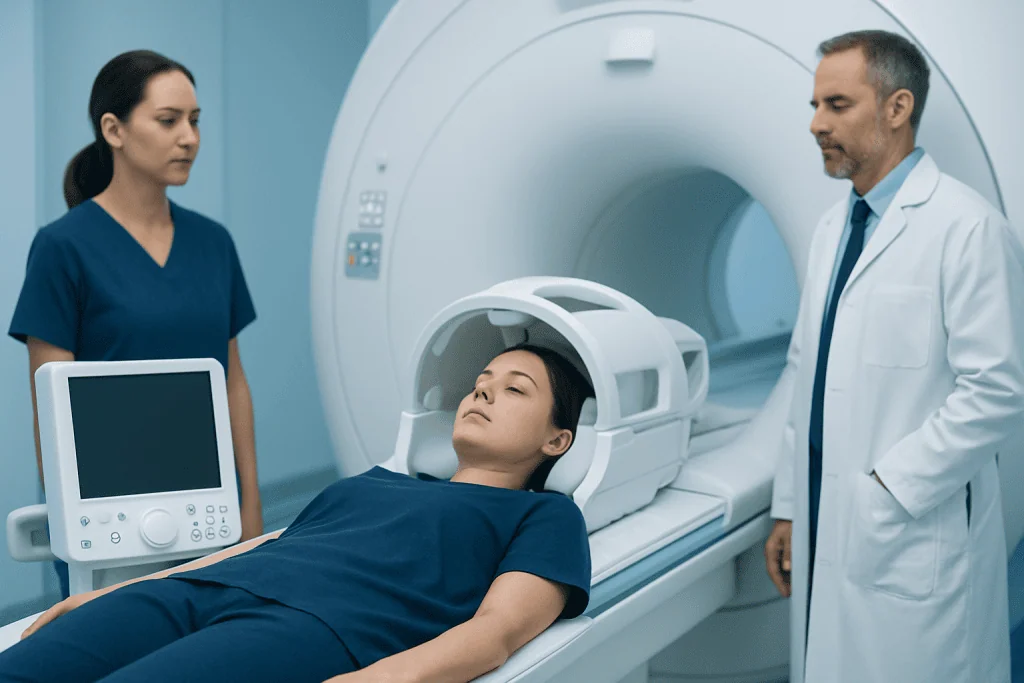
Imaging and laboratory tests are often essential. MRI of the brain, optic nerves, or spinal cord can show inflammation, demyelination, or other patterns that support a specific diagnosis. Blood tests may look for antibodies, signs of infection, inflammation, vitamin deficiency, or systemic autoimmune disease. In some cases, a lumbar puncture is used to analyze cerebrospinal fluid for immune cells, protein changes, antibodies, or markers of inflammation.
Additional tests may be needed depending on symptoms. Nerve conduction studies and electromyography can help evaluate peripheral nerve and muscle disorders. Evoked potentials may be used to assess how well visual or sensory pathways conduct signals. EEG can be helpful if seizures or encephalopathy are suspected. In selected patients, doctors may also perform cancer screening or body imaging to look for an associated underlying tumor.
Diagnosis can take time because there is no single test that confirms every neuroimmune disorder. Instead, specialists combine symptoms, examination findings, imaging, lab results, and the course of the illness. In some patients, repeat imaging or follow-up visits are needed before the pattern becomes clear. This careful approach helps guide appropriate care, including MRI scanning and other targeted neurological evaluations.
Treatment Options
Treatment depends on the specific diagnosis, severity of symptoms, and whether the condition is causing a sudden attack or requiring long-term control. Inflammatory relapses are often treated with corticosteroids to reduce immune activity quickly. If symptoms are severe or do not respond well enough, options such as plasma exchange or intravenous immunoglobulin may be considered. These approaches are commonly used in several acute neuroimmune conditions.
Some disorders need ongoing therapy to reduce relapse risk or suppress abnormal immune activity over time. Depending on the condition, this may include immunosuppressive or immunomodulatory medicines, monoclonal antibodies, or other long-term treatment plans supervised by a neurologist. In disorders such as myasthenia gravis, care may also include treatments that improve nerve-muscle communication as well as immune therapy.
Supportive care is also an important part of treatment. Rehabilitation can help preserve mobility, strength, speech, swallowing, and daily function. Patients may benefit from physical therapy and rehabilitation, occupational therapy, speech therapy, pain management, nutritional guidance, and mental health support. If breathing or swallowing is affected, prompt specialized care is especially important.
Because these disorders can be complex, treatment often involves a multidisciplinary team. Near the end of the diagnostic journey, some patients seek care at specialized centers; Acibadem International’s multidisciplinary specialists and JCI-accredited hospitals diagnose and treat neuroimmune conditions for international patients. In selected cases, neurology care may be coordinated with immunology, rehabilitation, neuroradiology, or intensive care services depending on the patient’s needs.
Living With a Neuroimmune Disorder
Living with a neuroimmune disorder can be physically and emotionally challenging, especially when symptoms are unpredictable. Many patients feel better when they understand the diagnosis, know the warning signs of relapse, and have a clear follow-up plan. Keeping a symptom diary, tracking new problems, and bringing medication lists to appointments can make care more effective.
Daily routines often need to be adjusted based on fatigue, weakness, pain, or visual symptoms. Practical strategies may include pacing activities, planning rest periods, using mobility aids when recommended, and making the home safer to reduce fall risk. Patients with swallowing, speech, or breathing symptoms should follow specialist advice closely and seek help promptly if symptoms worsen.
Emotional well-being matters just as much as physical care. Anxiety, low mood, sleep disruption, and uncertainty about the future are common in chronic neurological illness. Support from family, counseling, patient education, and rehabilitation teams can help people adapt and maintain independence. Many patients are able to continue work, school, parenting, and social activities with the right treatment and support.
Regular follow-up helps doctors assess recovery, monitor side effects, and adjust treatment if the disease pattern changes. Vaccination advice, infection prevention, bone health, exercise planning, and pregnancy counseling may also be part of long-term management, depending on the condition and medications being used.
When to See a Doctor
A person should seek medical attention if they develop unexplained neurological symptoms such as new weakness, numbness, vision loss, trouble walking, facial drooping, severe dizziness, or sudden confusion. Symptoms that progress over hours to days, especially after an infection, deserve urgent evaluation. Early care may help reduce complications and improve recovery in some neuroimmune conditions.
Emergency care is especially important if there is difficulty breathing, trouble swallowing, rapidly worsening weakness, seizures, loss of consciousness, or severe changes in behavior or awareness. These symptoms can occur in serious neurological illnesses and should not be monitored at home without medical advice.
People who already have a diagnosed neuroimmune disorder should contact their medical team if they notice a possible relapse, new visual symptoms, worsening balance, increasing fatigue out of proportion to usual patterns, or signs of infection while taking immune-suppressing medication. Treatment plans often need to be adjusted quickly in these situations.
Although many causes of neurological symptoms are not neuroimmune, it is safest to have persistent or unexplained symptoms assessed by a qualified doctor, ideally a neurologist. Timely evaluation can help rule out emergencies, identify treatable causes, and guide the next steps in care.
Frequently asked questions
What are neuroimmune disorders?
Neuroimmune disorders are conditions in which the immune system affects the brain, spinal cord, nerves, or the connection between nerves and muscles. The immune response may cause inflammation, damage to myelin, or interference with nerve signaling.
Are neuroimmune disorders the same as multiple sclerosis?
No. Multiple sclerosis is one type of neuroimmune disorder, but the term includes several different conditions. Other examples include autoimmune encephalitis, neuromyelitis optica spectrum disorder, Guillain-Barré syndrome, chronic inflammatory demyelinating polyneuropathy, and myasthenia gravis.
What symptoms are common in neuroimmune disorders?
Common symptoms include weakness, numbness, tingling, vision changes, balance problems, pain, fatigue, and difficulty walking. Some disorders can also affect memory, behavior, speech, swallowing, or breathing, depending on which part of the nervous system is involved.
How do doctors diagnose neuroimmune disorders?
Doctors usually combine a neurological examination with MRI, blood tests, and sometimes spinal fluid analysis. Depending on the symptoms, they may also use nerve conduction studies, electromyography, EEG, or other specialized tests to narrow down the diagnosis.
Can neuroimmune disorders be treated?
Many neuroimmune disorders can be treated, although the treatment plan depends on the exact diagnosis. Care may include corticosteroids, plasma exchange, intravenous immunoglobulin, long-term immune therapy, and rehabilitation to improve function and quality of life.
Are neuroimmune disorders chronic?
Some are chronic and require long-term monitoring, while others are acute and may improve significantly after treatment. The course varies from person to person, so regular follow-up with a neurologist is important.
When should someone seek urgent help for possible neuroimmune symptoms?
Urgent medical attention is needed for rapidly worsening weakness, vision loss, breathing difficulty, trouble swallowing, seizures, or sudden confusion. These symptoms can signal a serious neurological problem and should be evaluated promptly.
References
- National Institute of Neurological Disorders and Stroke
- National Multiple Sclerosis Society
- Mayo Clinic
- Cleveland Clinic
- World Health Organization
This article is for general information only and is not a substitute for professional medical advice. Please consult a qualified doctor about your individual situation.
Joint and spine care in Turkey — expert assessment & treatment
JCI-accredited · board-certified surgeons · reply within 24h
Add us as a Preferred Source to see more of our trusted health content across Google Search, AI Overviews and Discover.

More from the Health Library



Related Specialists

Dr. Fatma Seçil Kırdök
Gastroenterology
Assoc. Prof. Dr. Halenur Bozdağ
Gynecology & Obstetrics
Dr. Mehmet Behram Çam
Otorhinolaryngology
Dr. Hüseyin Semih Yalçın
Emergency Service