Neuroleptics and Atypical Antipsychotics: An Evidence-Based Guide for Patients

Neuroleptics and atypical antipsychotics help manage psychosis and other severe mental health symptoms by affecting brain signaling. Older and newer antipsychotics can both work well, but they differ in side effect patterns rather than being simply “good” or “bad.”
Key Takeaways
- Neuroleptics and atypical antipsychotics help manage psychosis and other severe mental health symptoms by affecting brain signaling.
- Older and newer antipsychotics can both work well, but they differ in side effect patterns rather than being simply “good” or “bad.”
- Treatment decisions are individualized and may depend on symptoms, age, other medical conditions, and past response to medication.
- Regular monitoring is important because antipsychotics can affect movement, weight, blood sugar, cholesterol, blood pressure, and alertness.
- These medicines should not be stopped suddenly without medical advice, because symptoms can return or worsen.
- Urgent medical care is needed for severe stiffness, high fever, fainting, uncontrolled movements, or thoughts of self-harm.
Neuroleptics and atypical antipsychotics are prescription medicines used to treat psychosis, schizophrenia, bipolar disorder, and some related symptoms such as severe agitation or hallucinations. They can be very effective when carefully matched to the patient, but they require ongoing medical follow-up to balance benefits, side effects, and long-term safety.
Overview: what neuroleptics and atypical antipsychotics are
Neuroleptics and atypical antipsychotics are medicines used to treat conditions in which a person may lose touch with reality, have hallucinations, delusions, severe agitation, or disorganized thinking. In everyday medical use, the term neuroleptics often refers to older, “first-generation” antipsychotic medicines, while atypical antipsychotics usually refers to newer, “second-generation” medicines. Both groups are antipsychotics, and both can be appropriate depending on the clinical situation.
These medicines do not simply “sedate” a person, although some can cause drowsiness. Their main role is to adjust signaling in the brain, especially pathways involving dopamine and, for many newer medicines, serotonin as well. This can reduce hallucinations, suspiciousness, severe mood-related symptoms, aggression related to psychosis, and major thought disturbance.
Doctors may prescribe antipsychotics for schizophrenia, schizoaffective disorder, bipolar disorder, severe depression with psychotic features, delirium in selected settings, and sometimes severe behavioral symptoms when other causes have been carefully assessed. Because psychosis can also occur in neurological or medical illness, a full evaluation is important. Patients being assessed for severe psychiatric or neurologic symptoms may also need review in services that manage conditions such as Parkinson’s disease or other brain disorders when symptoms overlap.
How these medicines work and how they differ
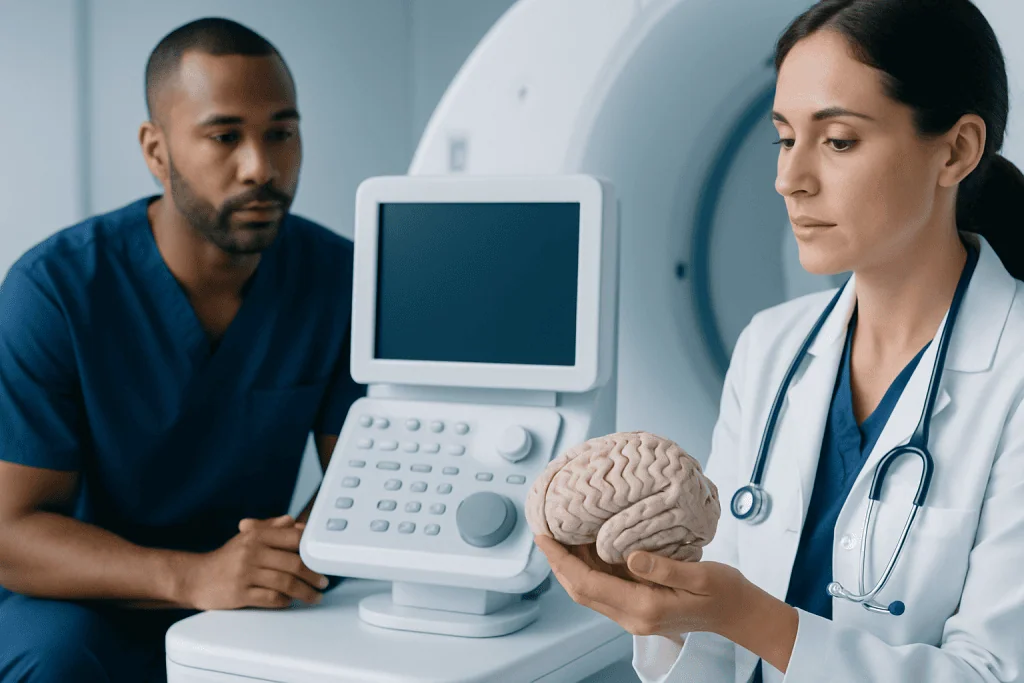
Antipsychotic medicines act on brain receptors involved in perception, thinking, mood, and behavior. Most reduce dopamine activity in certain brain pathways, which can help control hallucinations and delusions. Many atypical antipsychotics also affect serotonin receptors, and this difference may change how they affect mood, movement side effects, appetite, and sleep.
First-generation antipsychotics are often effective for positive symptoms such as hallucinations and delusions, but some are more likely to cause movement-related side effects. Second-generation antipsychotics may be less likely to cause some of those movement problems, but some are more strongly associated with weight gain, higher blood sugar, and changes in cholesterol. This is why “newer” does not automatically mean “better” for every patient.
Treatment choice depends on a person’s symptoms, age, heart health, diabetes risk, pregnancy status, other medicines, and previous response to antipsychotics. In some cases, long-acting injectable forms are considered when regular daily tablets are difficult to maintain. The goal is not just symptom control, but also preserving daily function, safety, and quality of life over time.
What conditions they may be used for

The best-known use of neuroleptics and atypical antipsychotics is for schizophrenia and related psychotic disorders. These conditions may involve hearing voices, strong false beliefs, confusion, social withdrawal, or reduced emotional expression. Treatment usually combines medication with psychotherapy, family education, rehabilitation, and social support.
Antipsychotics are also commonly used in bipolar disorder, especially during manic episodes or when psychotic symptoms are present. Some atypical antipsychotics are used as part of treatment for bipolar depression or as maintenance therapy to reduce relapse risk. If bipolar disorder is being considered, patients may need specialist evaluation alongside treatment planning for psychiatric care.
In selected situations, doctors may prescribe these medicines for severe agitation, treatment-resistant depression, tic disorders, or nausea in specialist settings. They may also be used in hospital care for acute confusion, but only after reversible causes such as infection, medication effects, or metabolic problems have been reviewed. In older adults, especially those with dementia, the decision requires extra caution because serious risks can be higher.
Antipsychotics are only one part of care. A full assessment may include brain, neurological, or cognitive evaluation when symptoms are complex, particularly if there is concern about seizures, degenerative disease, or another neurological condition that can mimic psychiatric illness.
Benefits, limitations, and common side effects
For many people, antipsychotic treatment can reduce distressing symptoms, improve sleep and organization of thought, and make daily life more manageable. In acute illness, these medicines may help someone become calmer, safer, and more able to engage with family and treatment. Over the longer term, they can lower the chance of relapse when used consistently under medical supervision.
At the same time, these medicines have limits. They may not fully improve every symptom, and response can vary widely from person to person. Some symptoms, such as low motivation or slowed thinking, can be harder to treat than hallucinations or delusions. Improvement may also take time, so treatment often involves careful dose adjustment and regular review.
Common side effects can include drowsiness, dizziness, dry mouth, constipation, blurred vision, restlessness, sexual side effects, or changes in menstrual cycles. Some antipsychotics can cause weight gain and metabolic changes, while others may cause tremor, stiffness, slowness, or inner restlessness. Side effects should always be discussed openly with a clinician, because changes in medicine, timing, or dose may help.
- Possible movement-related effects: tremor, rigidity, restlessness, involuntary movements
- Possible metabolic effects: weight gain, increased blood sugar, increased cholesterol
- Possible cardiovascular effects: low blood pressure, fast heartbeat, QT interval changes in some medicines
- Possible hormonal effects: raised prolactin, breast tenderness, menstrual changes
Important risks and how doctors monitor safety
Because neuroleptics and atypical antipsychotics can affect several body systems, follow-up is an essential part of treatment. Doctors may check weight, waist size, blood pressure, blood sugar, cholesterol, and sometimes liver function or blood counts depending on the medicine used. They may also ask about sleep, falls, appetite, bowel habits, menstrual changes, sexual health, and daily function.
Movement side effects deserve special attention. Some patients develop acute muscle stiffness, tremor, or restlessness soon after starting treatment or increasing the dose. Others may develop tardive dyskinesia, which causes repetitive, involuntary movements and may appear after longer use. Early recognition is important, because treatment can sometimes be adjusted before symptoms become more troublesome.
Rare but serious complications include neuroleptic malignant syndrome, severe allergic reactions, serious heart rhythm problems, and seizures in susceptible patients. Any sudden high fever, marked confusion, rigid muscles, collapse, or new uncontrolled movements should be treated as urgent. If symptoms suggest a broader neurological problem, doctors may also use neurology evaluation or hospital-based assessment to look for other causes.
Some patients benefit from coordinated care between psychiatry, internal medicine, neurology, and nutrition specialists. Near the end of the care pathway, international patients may also seek assessment at centers such as Acibadem International, where multidisciplinary specialists in JCI-accredited hospitals diagnose and treat psychiatric and neurological conditions with individualized follow-up.
How treatment is started, adjusted, and sometimes changed
Starting an antipsychotic usually begins with clarifying the diagnosis, discussing expected benefits, and reviewing other health conditions and medicines. Doctors often begin with a low dose and increase gradually while watching for both symptom improvement and side effects. This process can take time, and good communication is important during the first days and weeks.
If one medicine does not help enough, causes difficult side effects, or does not fit the patient’s overall health profile, the doctor may suggest switching to another antipsychotic. This should be done carefully, because changing too quickly can increase withdrawal-like symptoms, side effects, or symptom relapse. In some cases, clinicians may use long-acting injectable formulations to improve adherence and steady symptom control.
Medication is often combined with psychotherapy, sleep regulation, family education, substance-use support, and practical rehabilitation. If psychiatric symptoms occur alongside unusual behavior, memory changes, or possible brain disease, further assessment with brain MRI or other investigations may be part of the diagnostic workup. The exact treatment plan depends on the whole clinical picture, not only on one symptom.
Self-care, daily living, and questions patients should ask
Patients taking antipsychotics can support their treatment by keeping regular appointments, taking medicine exactly as prescribed, and not stopping suddenly unless a doctor advises it. Sudden discontinuation can cause symptoms to return and may sometimes lead to sleep disturbance, anxiety, nausea, or agitation. A written medication list can help prevent harmful interactions when seeing other doctors.
Healthy lifestyle steps are especially important because some antipsychotics may affect appetite and metabolism. Regular physical activity, balanced meals, adequate sleep, limiting alcohol, and avoiding recreational drugs can all improve treatment safety and outcomes. Family members or caregivers may also help by noticing early warning signs of relapse or side effects.
Useful questions for a clinical visit include: why this medicine was chosen, how long it may take to work, what side effects to watch for, whether blood tests or ECG monitoring are needed, and what to do if a dose is missed. Patients should also ask whether other medicines, supplements, or existing conditions could interact with treatment. Clear information helps people take an active role in decisions about their care.
When to seek medical care
Medical review is important if symptoms are not improving, if side effects are interfering with daily life, or if the person is considering stopping the medicine. Worsening confusion, severe sleepiness, repeated falls, troubling weight changes, new tremor, or marked restlessness should be discussed promptly with a doctor. A planned review is safer than changing treatment alone.
Urgent care is needed for high fever, severe muscle stiffness, fainting, chest pain, seizure, facial or tongue swelling, or sudden uncontrolled body movements. Immediate help is also needed if there are suicidal thoughts, violent behavior, inability to care for basic needs, or signs that the person may be at risk of harming themselves or others. If psychosis appears suddenly in someone without a previous diagnosis, emergency assessment is especially important because a medical or neurological cause may be present.
Patients with complex symptoms may need coordinated assessment for both mental and physical causes. Depending on the situation, clinicians may evaluate for delirium, substance-related effects, endocrine problems, infections, or neurological disease before confirming a primary psychiatric diagnosis.
Frequently asked questions
What is the difference between neuroleptics and atypical antipsychotics?
Neuroleptics usually refers to older, first-generation antipsychotic medicines, while atypical antipsychotics usually refers to newer, second-generation ones. Both treat psychosis, but they often differ in side effect patterns. Older medicines may more often cause movement side effects, while some newer medicines may more often affect weight and metabolism.
Do atypical antipsychotics work better than older antipsychotics?
Not always. Some people respond very well to older medicines, while others do better with newer ones. The best choice depends on the person’s symptoms, medical history, previous medication response, and tolerance of side effects.
How long does it take antipsychotic medication to start working?
Some effects, such as calming severe agitation or helping sleep, may appear relatively early. Core psychotic symptoms such as hallucinations and delusions often improve more gradually over days to weeks. Ongoing follow-up is important so the treatment plan can be adjusted safely if needed.
Can a person stop taking antipsychotics once they feel better?
Antipsychotics should not be stopped suddenly without medical advice. Symptoms can return, and some people may develop withdrawal-like problems such as insomnia, nausea, or agitation. If a change is needed, doctors usually recommend a gradual and supervised plan.
What side effects should patients watch for most carefully?
Patients should watch for severe sleepiness, tremor, stiffness, intense restlessness, major weight gain, dizziness, fainting, or unusual movements. High fever with muscle rigidity is especially urgent and needs immediate medical attention. Regular monitoring helps detect problems early, even when side effects are mild at first.
Are antipsychotics addictive?
Antipsychotics are not considered addictive in the way that some sedatives or opioids can be. However, the body can adjust to them over time, which is one reason they should not be stopped suddenly. The need for continued treatment depends on the diagnosis, relapse risk, and clinical response.
References
- World Health Organization
- National Institute of Mental Health
- National Institute for Health and Care Excellence
- American Psychiatric Association
- U.S. Food and Drug Administration
This article is for general information only and is not a substitute for professional medical advice. Please consult a qualified doctor about your individual situation.
Explore treatments in Turkey — costs, top hospitals & a free quote
JCI-accredited · board-certified surgeons · reply within 24h
Add us as a Preferred Source to see more of our trusted health content across Google Search, AI Overviews and Discover.
Check your numbers in seconds
BMI, calories, due date, blood pressure and 30+ more clinical calculators — free, instant, doctor-reviewed ranges.

More from the Health Library

Jawline Acne — Explained by Medical Evidence, Not Myths

Tinnitus — Explained by Medical Evidence, Not Myths

Normal Pressure Hydrocephalus — Explained by Medical Evidence, Not Myths

Anticipatory Anxiety — Explained by Medical Evidence, Not Myths

Broke the Arm: What Patients Need to Know