Neurologist vs Sleep Specialist: Which Doctor Should You See?

A sleep specialist is usually the first choice for snoring, insomnia, daytime sleepiness, or suspected sleep apnea. A neurologist may be more appropriate when sleep problems occur with headaches, seizures, tremors, weakness, numbness, or other nervous system symptoms.
Key Takeaways
- A sleep specialist is usually the first choice for snoring, insomnia, daytime sleepiness, or suspected sleep apnea.
- A neurologist may be more appropriate when sleep problems occur with headaches, seizures, tremors, weakness, numbness, or other nervous system symptoms.
- Some doctors are trained in both neurology and sleep medicine, which can be especially helpful for complex cases.
- Tests such as sleep studies, actigraphy, and neurological exams help clarify the cause of symptoms.
- Urgent medical advice is important for sudden confusion, seizures, stroke-like symptoms, or severe breathing problems during sleep.
Choosing between a neurologist and a sleep specialist depends on the type of symptoms a person is experiencing. In many cases, these doctors work together, especially when sleep problems are linked to the brain, nerves, breathing, or movement during sleep.
Overview
The question of neurologist vs sleep specialist is common because sleep problems can have many different causes. Some are mainly related to sleep habits, breathing, or body rhythm, while others are connected to the brain, nerves, or muscles. Understanding the difference can help a person seek the right care sooner and avoid unnecessary delays.
A sleep specialist is a doctor trained to diagnose and treat sleep disorders such as insomnia, obstructive sleep apnea, restless legs syndrome, circadian rhythm disorders, and excessive daytime sleepiness. Sleep specialists may come from backgrounds such as pulmonology, neurology, psychiatry, or internal medicine, with additional training in sleep medicine. Their main focus is how sleep functions, what disrupts it, and how to restore healthier sleep.
A neurologist is a doctor who diagnoses and treats disorders of the brain, spinal cord, nerves, and muscles. Neurologists may become involved when sleep problems are part of a broader neurological issue, such as epilepsy, Parkinson’s disease, neuropathy, multiple sclerosis, or certain headache disorders. Some neurologists have extra expertise in sleep medicine and are especially suited for complex cases.
In practice, there is often overlap. A person may first see a primary care doctor, who then refers them to a sleep specialist, a neurologist, or both. The best choice depends on the pattern of symptoms, medical history, and whether there are clues that the nervous system is involved.
What a Sleep Specialist Treats
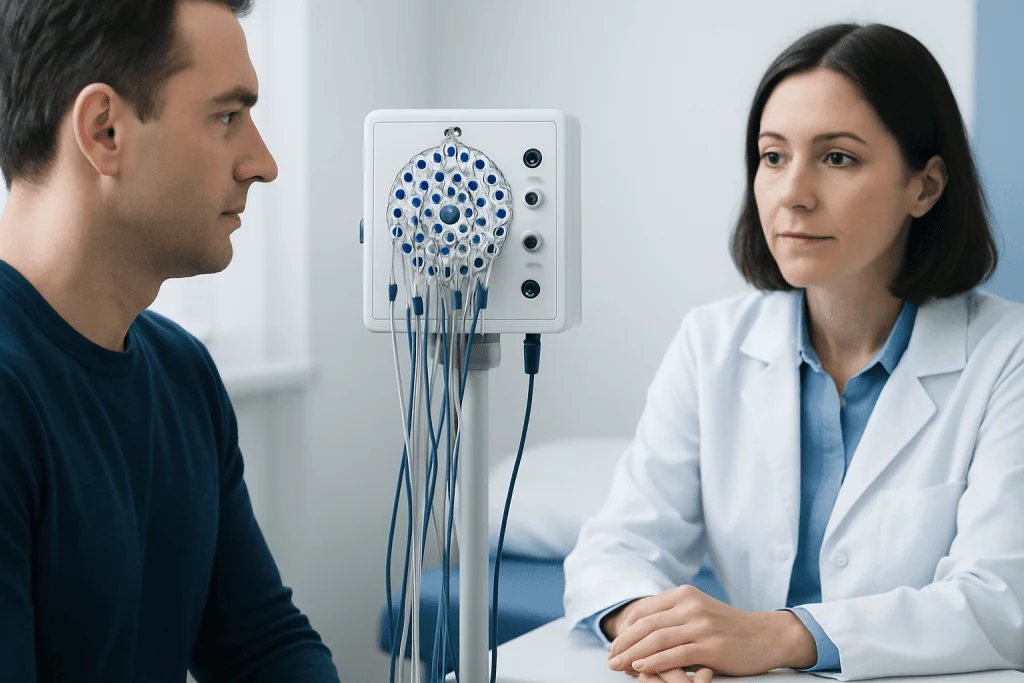
A sleep specialist is often the best starting point for common sleep-related complaints. These include difficulty falling asleep, frequent waking, loud snoring, pauses in breathing during sleep, waking unrefreshed, or feeling excessively sleepy during the day. Sleep medicine also covers unusual behaviors during sleep, shift-work related sleep issues, and problems with body timing, such as sleeping too late or too early.
Sleep specialists commonly evaluate conditions such as insomnia, sleep apnea, restless legs syndrome, circadian rhythm sleep-wake disorders, narcolepsy, and parasomnias. They usually take a detailed sleep history, ask about bedtime routines, breathing symptoms, medications, mood, and daytime functioning. When needed, they may recommend tests like a polysomnography sleep study or home sleep apnea testing.
Treatment depends on the diagnosis. It may include sleep hygiene guidance, cognitive behavioral therapy for insomnia, medications, devices that support breathing, or treatment of contributing conditions. For example, a person with obstructive sleep apnea may benefit from sleep apnea treatment, while someone with persistent insomnia may need structured behavioral care rather than relying only on sleep medicines.
Many sleep complaints do not require a neurologist at first. If the main issue is snoring, daytime fatigue, a disrupted sleep schedule, or suspected apnea without neurological symptoms, a sleep specialist is usually the most direct and appropriate choice.
When a Neurologist May Be the Better Fit

A neurologist may be the better choice when sleep difficulties happen alongside symptoms that suggest a brain or nerve condition. Examples include seizures, fainting episodes, severe morning headaches, memory changes, tremor, muscle weakness, numbness, balance problems, or unusual movements during sleep. In these situations, poor sleep may be a symptom of a neurological disorder rather than a stand-alone sleep problem.
Neurologists often assess conditions that can disturb sleep in specific ways. Parkinson’s disease can lead to vivid dreams, acting out dreams, or fragmented sleep. Epilepsy may cause nighttime events that look like parasomnias but are actually seizures. Neuropathy or nerve-related pain can make it hard to sleep, while certain headache disorders may worsen overnight or on waking. Some patients with symptoms of Parkinson's disease or recurrent nighttime events may benefit from neurological evaluation early in the process.
A neurologist may also help if prior sleep treatment has not explained ongoing symptoms. For example, a person treated for sleep apnea who still has sudden sleep attacks, weakness triggered by emotion, or unusual nighttime behaviors may need further investigation. A neurological assessment can help rule out disorders affecting wakefulness, movement, or electrical activity in the brain.
When needed, neurologists may coordinate brain imaging, nerve testing, electroencephalography, or referral for specialized sleep evaluation. If a structural or complex neurological issue is suspected, broader care such as neurology evaluation and treatment can be an important next step.
Symptoms That Help Guide the Decision
Certain symptoms point more strongly toward one type of specialist. A sleep specialist is usually appropriate for loud snoring, witnessed breathing pauses, gasping during sleep, insomnia, shift-work sleep problems, and persistent daytime sleepiness. These symptoms often reflect airway, sleep rhythm, behavioral, or general sleep-regulation problems.
A neurologist may be more helpful when sleep symptoms occur with headaches, blackouts, confusion, weakness, tingling, tremor, memory concerns, or repeated unusual behaviors during the night. Episodes that are stereotyped, brief, and recurrent may raise concern for seizures. Acting out dreams, leg jerking, or sudden loss of muscle control can also require neurological consideration.
There are also situations where either specialist may be suitable, depending on local expertise. Restless legs syndrome, periodic limb movements, narcolepsy, REM sleep behavior disorder, and some parasomnias often sit at the border between sleep medicine and neurology. In many centers, these conditions are assessed by physicians with dedicated training in neurological sleep medicine.
If a person is unsure, it is reasonable to begin with a primary care doctor or a sleep clinic that can triage the problem. The goal is not to choose perfectly at the start, but to get to the right diagnostic pathway. Many patients ultimately benefit from a team approach rather than care from one specialty alone.
How Diagnosis Is Made
Diagnosis begins with a detailed history. The doctor asks what happens during the night, how long symptoms have been present, how daytime functioning is affected, and whether there are triggers such as stress, medications, alcohol, irregular work schedules, or chronic illness. A bed partner’s observations can be very helpful, especially for snoring, breathing pauses, unusual movements, or dream enactment.
A sleep specialist may use sleep diaries, questionnaires, actigraphy, or sleep studies. Polysomnography records breathing, oxygen levels, heart rhythm, brain activity, and limb movements during sleep. Home sleep apnea testing may be suitable in selected patients with suspected obstructive sleep apnea. If daytime sleep attacks or suspected narcolepsy are present, more specialized testing may be recommended after an overnight study.
A neurologist adds a focused neurological exam and may order tests based on the symptoms. These can include electroencephalography for suspected seizures, brain imaging when structural causes are considered, or nerve and muscle studies if there is weakness or sensory loss. In complex cases, a video sleep study may help distinguish seizures from parasomnias or movement disorders during sleep.
The final diagnosis often comes from combining information rather than relying on one test alone. Because sleep and neurological conditions can overlap, careful interpretation is essential. If a patient has both sleep-disordered breathing and a neurological issue, treatment may need to address both for symptoms to improve fully.
Treatment Approaches and Team Care
Treatment is based on the underlying cause. For insomnia, first-line care often includes behavioral strategies such as cognitive behavioral therapy for insomnia, regular sleep scheduling, and reducing factors that worsen arousal at night. For breathing-related sleep disorders, treatment may include lifestyle changes, oral appliances, positional strategies, or positive airway pressure therapy. If needed, a sleep specialist may discuss broader sleep disorders treatment options tailored to the diagnosis.
When a neurological disorder is involved, treatment may include managing seizures, reducing headache frequency, treating nerve pain, or addressing movement symptoms that disrupt sleep. In some conditions, improving the neurological problem also improves sleep. In others, both the sleep disorder and the neurological disorder need separate attention.
Team care is especially useful in complex cases. A patient with Parkinson’s disease and acting out dreams, for example, may need both neurological follow-up and sleep evaluation. Someone with persistent fatigue may need assessment for sleep apnea, medication side effects, mood disorders, and neurological causes of daytime sleepiness. Collaborative care helps avoid missing overlapping problems.
Near the end of the diagnostic process, some patients seek care in specialized centers. Acibadem International’s multidisciplinary specialists and JCI-accredited hospitals diagnose and treat sleep and neurological conditions for international patients, particularly when coordinated evaluation across specialties is helpful.
Preparing for the Appointment
Before seeing either doctor, it helps to gather practical information. Patients can note their bedtime, wake time, naps, caffeine intake, alcohol use, medications, and how sleepy they feel during the day. If someone has witnessed symptoms such as snoring, pauses in breathing, jerking, or unusual behaviors, these details should be written down as clearly as possible.
Bringing a short symptom timeline can also make the visit more productive. Important points include when the problem started, whether it is getting worse, what has already been tried, and whether there are associated symptoms such as headaches, memory issues, weakness, mood changes, or weight gain. Videos recorded safely by a bed partner can sometimes help document nighttime events, if the doctor advises this.
Patients should also bring a medication list, including supplements and over-the-counter sleep aids. Some medicines can worsen insomnia, movements during sleep, or daytime drowsiness. Others can affect breathing or interact with testing and treatment decisions.
Good preparation does not replace expert evaluation, but it often shortens the path to diagnosis. Clear observations help the doctor decide whether the problem is more consistent with a primary sleep disorder, a neurological condition, or both.
When to See a Doctor Urgently
Most sleep problems are not emergencies, but some symptoms need prompt medical attention. A person should seek urgent care if sleep-related symptoms occur with sudden weakness, trouble speaking, new confusion, severe chest pain, fainting, or suspected seizures. Severe shortness of breath during sleep or waking gasping repeatedly can also require immediate evaluation.
Prompt assessment is important when daytime sleepiness creates safety risks, such as falling asleep while driving or operating machinery. Repeated violent behaviors during sleep, injury to self or a bed partner, or abrupt changes in awareness should also be discussed quickly with a qualified doctor. In children, pauses in breathing, worsening school performance linked to sleepiness, or unusual nighttime episodes deserve timely review.
For non-urgent problems that persist for weeks or interfere with quality of life, a routine appointment is still worthwhile. Chronic insomnia, snoring, fragmented sleep, and unexplained fatigue can often be treated effectively once the cause is identified. The key is matching the symptom pattern to the right type of specialist.
In general, a sleep specialist is the first stop for common sleep complaints, while a neurologist becomes especially important when there are signs of brain or nerve involvement. If there is uncertainty, starting with primary care or a dedicated sleep center is a sensible and reassuring approach.
Frequently asked questions
Should a person see a neurologist or a sleep specialist first?
For common issues such as snoring, insomnia, daytime sleepiness, or suspected sleep apnea, a sleep specialist is usually the best first step. A neurologist may be more appropriate if sleep problems occur with seizures, tremor, weakness, numbness, memory changes, or other neurological symptoms.
Can a neurologist treat sleep disorders?
Yes. Some neurologists have additional training in sleep medicine and diagnose conditions such as narcolepsy, restless legs syndrome, parasomnias, and sleep-related movement disorders. Even when they do not provide full sleep care, neurologists often help evaluate brain- or nerve-related causes of disrupted sleep.
What does a sleep specialist do that is different?
A sleep specialist focuses specifically on sleep patterns, breathing during sleep, circadian rhythm problems, insomnia, and daytime sleepiness. They often arrange sleep studies and guide treatment such as behavioral sleep therapy, breathing support devices, and other sleep-focused interventions.
What symptoms suggest a neurological cause of sleep problems?
Warning signs can include nighttime events that look like seizures, acting out dreams, tremor, balance problems, muscle weakness, numbness, severe morning headaches, or unexplained memory changes. These symptoms do not always mean a neurological disorder is present, but they do justify medical evaluation.
Can someone need both a neurologist and a sleep specialist?
Yes, and this is fairly common in more complex cases. Some conditions affect both the nervous system and sleep, so shared care may provide the clearest diagnosis and the most complete treatment plan.
Will a sleep study always be needed?
Not always. A sleep study is often useful for suspected sleep apnea, unusual nighttime behaviors, or unexplained sleepiness, but the need depends on the symptoms and medical history. Some patients are diagnosed mainly through clinical evaluation, while others need more detailed overnight testing.
References
- American Academy of Sleep Medicine
- National Institute of Neurological Disorders and Stroke
- National Heart, Lung, and Blood Institute
- Centers for Disease Control and Prevention
- Mayo Clinic
This article is for general information only and is not a substitute for professional medical advice. Please consult a qualified doctor about your individual situation.
Explore treatments in Turkey — costs, top hospitals & a free quote
JCI-accredited · board-certified surgeons · reply within 24h
Add us as a Preferred Source to see more of our trusted health content across Google Search, AI Overviews and Discover.