Neuromodulation Therapy: Which Conditions Can It Help Treat?

Neuromodulation therapy works by adjusting abnormal nerve signaling in specific parts of the nervous system. It can help certain people with chronic pain, Parkinson’s disease, tremor, epilepsy, and bladder or bowel control problems.
Key Takeaways
- Neuromodulation therapy works by adjusting abnormal nerve signaling in specific parts of the nervous system.
- It can help certain people with chronic pain, Parkinson’s disease, tremor, epilepsy, and bladder or bowel control problems.
- Treatment is highly individualized and usually considered after careful evaluation and when other options have not worked well enough.
- Some neuromodulation treatments are reversible or testable before a permanent device is placed.
- A multidisciplinary team helps decide whether a person is a good candidate and which technique is most appropriate.
Neuromodulation therapy uses targeted electrical stimulation to change how nerves send signals, helping reduce symptoms rather than simply masking them. It may be used for selected pain, movement, bladder, bowel, headache, and epilepsy-related conditions when standard treatments have not provided enough relief.
Overview: What Neuromodulation Therapy Is
Neuromodulation therapy is a group of treatments that changes nerve activity using carefully controlled electrical stimulation. The goal is to influence the way nerves, the spinal cord, or certain brain circuits send signals. By modifying these signals, neuromodulation may reduce symptoms such as pain, tremor, stiffness, seizures, or problems with bladder and bowel control.
Unlike treatments that remove tissue or permanently destroy nerves, many neuromodulation approaches are adjustable and, in some cases, reversible. A small device may be implanted to send electrical pulses to a targeted area, or stimulation may be delivered through external equipment depending on the method used. Settings can often be personalized over time to improve symptom control and reduce side effects.
Neuromodulation does not cure every underlying condition, and it is not the right option for everyone. Instead, it is usually considered as part of a broader care plan when medication, physical therapy, behavioral strategies, or other treatments have not provided enough benefit. The best results usually come from careful patient selection and ongoing follow-up with experienced specialists.
Which Conditions Can Neuromodulation Help Treat?
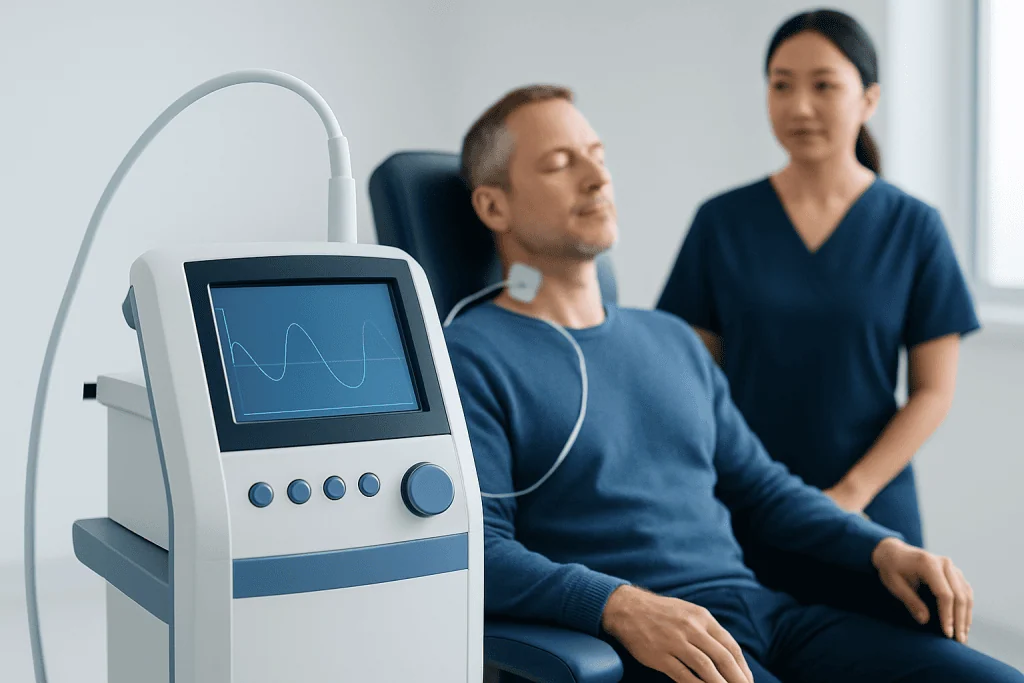
Neuromodulation therapy can help a range of conditions, especially those involving abnormal nerve signaling. One of its most established uses is chronic pain. This may include persistent back or leg pain after spine surgery, nerve-related pain, complex regional pain syndrome, and some cases of peripheral neuropathic pain. In these situations, methods such as spinal cord stimulation may reduce pain intensity and improve daily function.
Neuromodulation is also used for movement disorders. Deep brain stimulation may help selected people with Parkinson’s disease, essential tremor, or dystonia when symptoms are not well controlled with medication or when medicines cause troublesome fluctuations or side effects. It can improve tremor, stiffness, slowness of movement, and some involuntary movements, although it does not stop disease progression.
Other important uses include epilepsy that remains difficult to control with medication, certain headache disorders in carefully chosen cases, and bladder or bowel dysfunction. Sacral neuromodulation may help urinary urgency, urge incontinence, non-obstructive urinary retention, and some forms of fecal incontinence by improving communication between pelvic nerves and the brain. In selected patients, vagus nerve stimulation or other device-based treatments may also be part of care for seizure disorders such as epilepsy.
- Chronic neuropathic pain and some failed back surgery syndrome cases
- Parkinson’s disease, essential tremor, and dystonia
- Medication-resistant epilepsy in selected patients
- Overactive bladder, urinary retention, and some bowel control problems
- Certain headache or facial pain disorders in specialized settings
How Neuromodulation Works
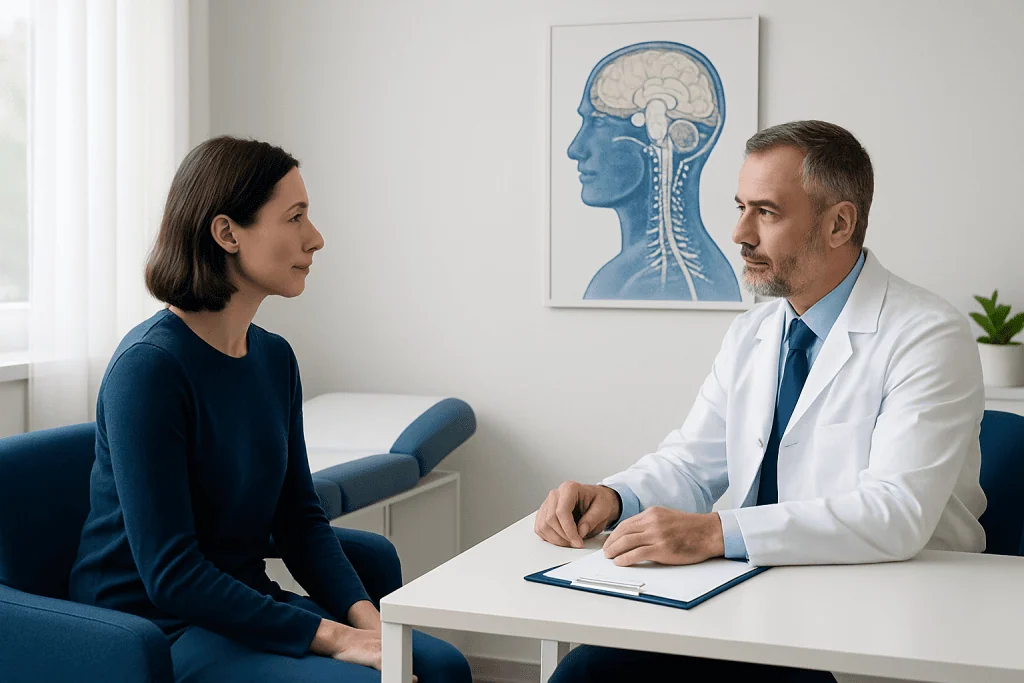
The nervous system communicates through electrical and chemical signals. In some conditions, these signals become overactive, poorly coordinated, or abnormally processed. Neuromodulation aims to interrupt, rebalance, or fine-tune these pathways. Depending on the condition, stimulation may target the spinal cord, peripheral nerves, sacral nerves, vagus nerve, or specific structures deep within the brain.
For example, spinal cord stimulation sends mild electrical pulses near the spinal cord to alter how pain signals travel to the brain. Deep brain stimulation uses electrodes placed in precise brain regions to improve activity in circuits involved in movement. Sacral nerve stimulation influences nerves that help regulate bladder and bowel function. Each method has a different purpose, but all are designed to improve communication within the nervous system.
Many systems allow settings to be adjusted after placement. This flexibility is one reason neuromodulation can be valuable for chronic conditions, since symptoms may change over time. Some therapies also involve a trial period before a long-term implant is chosen, which helps determine whether a person is likely to benefit.
Who May Be a Candidate
A person may be considered for neuromodulation when symptoms are significantly affecting quality of life and standard treatments have not worked well enough or have caused limiting side effects. The best candidates usually have a clearly defined diagnosis, realistic expectations, and symptoms that match a neuromodulation technique known to help that condition.
Evaluation is often detailed. It may include neurological examination, imaging, symptom diaries, medication review, bladder or bowel testing, pain assessment, and sometimes neuropsychological evaluation. For pain procedures, doctors often want to confirm that the pain has a strong nerve-related component rather than a mechanical problem that may need a different approach. For movement disorders, symptom type, medication response, and overall health are especially important.
Some factors may affect eligibility, such as active infection, untreated bleeding disorders, inability to undergo surgery safely, or difficulty managing follow-up care. Psychological health also matters, particularly for implanted pain devices, because stress, depression, sleep problems, and coping patterns can influence outcomes. A thorough discussion with specialists helps clarify likely benefits, risks, and alternatives before any procedure is planned.
Diagnosis and Pre-Treatment Assessment
Diagnosis comes first. Neuromodulation is not a single treatment for all symptoms; it is a targeted therapy chosen after understanding the exact condition. For chronic pain, doctors may assess where the pain starts, whether it is nerve-related, what treatments have already been tried, and how symptoms affect sleep, walking, and work. In movement disorders, the pattern of tremor, stiffness, slowness, or involuntary movement helps guide decisions.
Testing varies by condition. Brain and spine imaging may be used to look for structural problems. Nerve studies, urodynamic testing, seizure evaluation, medication trials, and symptom scoring scales may also be part of the work-up. In some cases, consultation with neurology, neurosurgery, pain medicine, physical medicine, psychiatry, or urology is needed to build a complete picture.
The pre-treatment stage is also when doctors explain what neuromodulation can and cannot do. Many people benefit from symptom reduction, but improvement is rarely identical for everyone. Success may mean lower pain levels, fewer seizures, better bladder control, improved movement, or reduced medication burden rather than a complete cure.
Treatment Options and What to Expect
There are several forms of neuromodulation, and the choice depends on the condition being treated. Spinal cord stimulation is commonly used for chronic neuropathic pain. Deep brain stimulation is an established option for selected movement disorders. Sacral nerve stimulation can help urinary and bowel symptoms. Other approaches may include peripheral nerve stimulation or vagus nerve stimulation for carefully selected problems.
Many implanted systems involve a stepwise process. First, a team confirms that the diagnosis and symptom pattern are suitable. Next, a trial may be performed for certain treatments, especially in pain management, to see whether symptom relief is meaningful. If the trial is successful, a longer-term device may be implanted. After implantation, settings are adjusted over several visits to optimize symptom control.
Recovery and follow-up are important parts of care. Patients usually need education on wound care, activity restrictions during healing, and how to use any handheld controller if provided. Device programming may need refinement over time, and medicines are sometimes continued, reduced, or combined with rehabilitation. For people with conditions such as Parkinson’s disease, neuromodulation is usually one part of long-term treatment rather than a stand-alone solution.
Benefits, Risks, and Limitations
The main potential benefit of neuromodulation therapy is symptom improvement when other treatments have not been enough. For some people, this may mean better pain control, improved mobility, fewer symptom fluctuations, less urinary urgency, or a reduction in seizure burden. Better sleep, function, and participation in daily activities may follow when symptoms become more manageable.
Like any medical procedure, neuromodulation also carries risks. These vary by treatment but may include infection, bleeding, pain at the implant site, lead movement, device malfunction, unwanted stimulation effects, or the need for future adjustment or replacement. Brain-based procedures have additional surgical considerations that require especially careful planning and experienced teams.
It is also important to understand the limitations. Not everyone responds, and benefit may be partial rather than complete. Some symptoms improve more than others, and underlying disease progression may continue. A clear discussion of expectations helps patients make informed decisions and avoid disappointment.
Living With Neuromodulation and When to Seek Medical Advice
After neuromodulation treatment, regular follow-up helps keep therapy working well. Device settings may need adjustment, symptoms may change, and medications or rehabilitation plans may also need review. Patients are usually advised to keep all scheduled visits and report new symptoms, reduced benefit, or problems with charging or using the device if applicable.
Medical advice should be sought promptly for fever, increasing redness or drainage at the incision site, sudden worsening of symptoms, new weakness, severe headache after a procedure, confusion, or signs that the device is not working as expected. In urgent situations, immediate medical care is important. People should also tell other healthcare providers that they have an implanted device, since this can affect imaging, procedures, or surgery planning.
Long-term outcomes are often best when care is coordinated across specialties. Near the end of the treatment journey, some patients may benefit from centers with neurology, neurosurgery, pain medicine, rehabilitation, and urology working together. Acibadem International’s multidisciplinary specialists and JCI-accredited hospitals diagnose and treat neuromodulation-related conditions for international patients, with treatment plans tailored to individual needs.
Frequently asked questions
Is neuromodulation therapy the same as pain medication?
No. Pain medication works through drugs circulating in the body, while neuromodulation changes nerve signaling directly through targeted stimulation. In some people, neuromodulation may reduce the need for medication, but it is usually part of a broader treatment plan.
Can neuromodulation cure a neurological condition?
Neuromodulation usually helps control symptoms rather than cure the underlying disease. For example, it may improve tremor, pain, bladder control, or seizure burden, but it does not necessarily stop disease progression. The goals should be discussed clearly before treatment.
Who should consider neuromodulation therapy?
It is usually considered for people whose symptoms remain troublesome despite standard treatment or who cannot tolerate side effects from usual therapies. Suitability depends on the exact diagnosis, overall health, and whether the symptom pattern matches a neuromodulation approach that has evidence behind it.
Is neuromodulation therapy permanent?
Some forms involve implanted devices that can stay in place long term, but many are adjustable and some are reversible. Certain therapies, especially for pain, may begin with a temporary trial before a permanent system is placed. The exact process depends on the device and condition being treated.
What are the most common risks of neuromodulation?
Risks vary by procedure, but may include infection, bleeding, discomfort at the implant site, lead movement, and device-related problems. Brain procedures carry additional surgical risks. Careful patient selection and follow-up help reduce complications.
How soon does neuromodulation start working?
The timing depends on the type of treatment and the condition. Some people notice improvement soon after activation or programming, while others need several adjustments over time. Doctors usually assess progress over multiple visits rather than after a single session.
References
- World Health Organization
- National Institute of Neurological Disorders and Stroke
- National Institute for Health and Care Excellence
- International Neuromodulation Society
- American Association of Neurological Surgeons
This article is for general information only and is not a substitute for professional medical advice. Please consult a qualified doctor about your individual situation.
Neuromodulation in Turkey — costs, top hospitals & a free quote
JCI-accredited · board-certified surgeons · reply within 24h
Add us as a Preferred Source to see more of our trusted health content across Google Search, AI Overviews and Discover.