Neuromodulator vs Neurotransmitter: What Is the Difference?

Neurotransmitters usually act quickly and directly at synapses to pass signals from one cell to another. Neuromodulators tend to have broader, longer-lasting effects that change how nerve circuits respond.
Key Takeaways
- Neurotransmitters usually act quickly and directly at synapses to pass signals from one cell to another.
- Neuromodulators tend to have broader, longer-lasting effects that change how nerve circuits respond.
- Some chemicals, such as dopamine and serotonin, can act as neurotransmitters, neuromodulators, or both depending on where and how they are released.
- A healthy balance of these signaling systems supports movement, mood, sleep, pain control, attention, and memory.
- Changes in neuromodulator or neurotransmitter function may contribute to neurological and mental health conditions.
Neuromodulators and neurotransmitters are both chemical messengers used by the nervous system, but they do not work in exactly the same way. In simple terms, neurotransmitters usually carry rapid signals between nerve cells, while neuromodulators influence how those signals are processed, amplified, or dampened over time.
Overview: understanding the difference
The brain, spinal cord, and nerves communicate through chemical and electrical signals. Two important types of chemical messengers in this system are neurotransmitters and neuromodulators. They are closely related, and the terms are sometimes confused, but they describe different patterns of signaling rather than completely separate substances.
A neurotransmitter usually carries a relatively fast, targeted message from one nerve cell to another across a synapse, which is the tiny gap between cells. This kind of signaling helps the body perform immediate tasks such as moving a muscle, sensing pain, or processing a thought. A neuromodulator, by contrast, changes how neurons and networks respond, often over a wider area and for a longer period of time.
One simple way to picture the difference is this: neurotransmitters are like individual text messages sent quickly to a specific recipient, while neuromodulators are more like adjusting the settings on a whole device, such as volume, brightness, or sensitivity. Both are essential for normal nervous system function, and both help shape how a person feels, moves, learns, and responds to the environment.
What neurotransmitters do
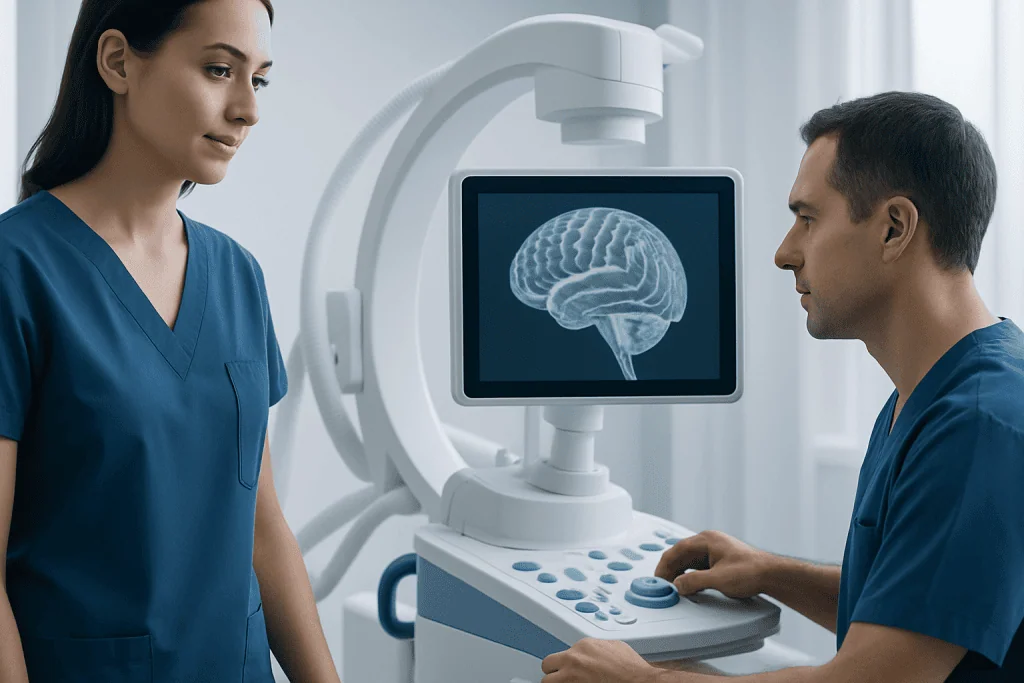
Neurotransmitters are released from the end of a neuron into the synapse. They bind to receptors on the next cell and can excite it, inhibit it, or otherwise change its activity. This allows signals to move rapidly through neural circuits and helps coordinate moment-to-moment communication in the nervous system.
Examples of well-known neurotransmitters include glutamate, which is the main excitatory neurotransmitter in the brain, and gamma-aminobutyric acid, or GABA, which is the main inhibitory neurotransmitter. Acetylcholine is another important neurotransmitter and plays a major role in memory, attention, and muscle activation. Norepinephrine also functions in signaling related to alertness and stress responses.
Neurotransmitter effects are often brief because the body quickly clears or recycles these chemicals after they have done their job. This fast timing is important. It allows nerve cells to send precise signals again and again, which is necessary for speech, coordination, reflexes, sensation, and many other daily functions.
What neuromodulators do

Neuromodulators also affect nerve cell communication, but they usually do so in a less direct and more widespread way. Instead of only sending a rapid signal from one neuron to the next, they can change how easily neurons fire, how strongly synapses respond, and how networks process incoming information. Their effects may last longer than those of classic neurotransmitters.
Neuromodulation is important for setting the overall state of the nervous system. It helps regulate attention, motivation, reward, mood, sleep-wake cycles, pain sensitivity, learning, and adaptation. In other words, neuromodulators influence the context in which fast neurotransmitter signaling occurs.
Common chemicals with neuromodulatory roles include dopamine, serotonin, norepinephrine, acetylcholine, histamine, and various neuropeptides such as endorphins. Some of these chemicals may be released more diffusely, affecting larger groups of cells rather than one narrowly defined synapse. This broader influence is one reason they are described as neuromodulators.
Can one chemical be both?
Yes. This is one of the most important reasons the topic can seem confusing. The difference between a neuromodulator and a neurotransmitter is not always about the identity of the chemical itself. Often, it depends on where it is released, which receptors it acts on, how fast the effect occurs, and how broad the effect is.
Dopamine is a good example. In some pathways, it acts in a focused signaling role and is often discussed as a neurotransmitter. In other settings, it changes how larger neural circuits respond and is better described as a neuromodulator. Serotonin and acetylcholine can behave in similar ways.
This overlap is normal in biology. The nervous system uses the same molecules flexibly to meet different needs. Rather than trying to place every chemical into only one category, it is often more accurate to ask how it is functioning in a specific brain region or body system at a specific time.
- Neurotransmitter role: fast, direct, synapse-focused signaling
- Neuromodulator role: broader, longer-lasting adjustment of neural activity
- Shared chemicals: dopamine, serotonin, acetylcholine, norepinephrine
Why the difference matters in health and disease
Understanding neuromodulators and neurotransmitters helps explain many symptoms and treatments in neurology and mental health. Problems in fast synaptic signaling may affect movement, sensation, memory, or seizure activity. Problems in neuromodulatory systems may influence mood, sleep, motivation, pain processing, attention, or stress responses.
For example, changes in dopamine signaling are involved in conditions such as Parkinson’s disease. Serotonin and norepinephrine pathways are relevant to mood and anxiety disorders. Acetylcholine pathways are important in memory-related disorders, while altered glutamate and GABA balance may contribute to seizures and other neurological conditions. Chronic pain can also involve abnormal neuromodulation, where the nervous system becomes more sensitive to pain signals over time.
This distinction also matters because treatments may work at different levels. Some medicines change the amount of a neurotransmitter in the synapse. Others alter receptor sensitivity or network activity over time. In some patients, specialists may consider neuromodulation-based care, such as deep brain stimulation for selected movement disorders or vagus nerve stimulation in certain neurological conditions. These approaches aim to influence abnormal circuits rather than simply replace one missing chemical.
How doctors evaluate signaling problems
There is usually no single routine test that directly labels a person’s symptoms as being caused by a neurotransmitter problem or a neuromodulator problem. Instead, doctors look at the pattern of symptoms, the medical history, the neurological examination, and, when needed, additional testing. The goal is to understand which part of the nervous system may be affected and what underlying condition could explain the changes.
Depending on the situation, evaluation may include brain imaging, blood tests, sleep studies, neuropsychological testing, electroencephalography, nerve studies, or other specialized assessments. In some disorders, the diagnosis is based mainly on clinical findings. In others, imaging or laboratory tests help rule out structural, inflammatory, metabolic, or degenerative causes.
Because many symptoms can overlap, a careful professional assessment is important. For instance, tremor, slowed movement, poor concentration, low mood, fatigue, sleep disruption, and chronic pain can each involve multiple systems. In selected cases, treatment planning may involve a neurologist, psychiatrist, pain specialist, rehabilitation physician, or neurosurgeon.
Treatment approaches and neuromodulation therapies
Treatment depends on the condition, not simply on whether a chemical is called a neurotransmitter or a neuromodulator. Many therapies aim to restore a healthier balance in nervous system signaling. This may involve medication, psychotherapy, sleep treatment, physical therapy, pain management, lifestyle changes, or advanced neurological procedures when appropriate.
Medications may increase or decrease certain signals, block receptors, improve communication between neurons, or stabilize overactive circuits. For example, some treatments support dopamine pathways in movement disorders, while others affect serotonin, GABA, or acetylcholine systems. The right option varies from person to person and should be chosen by a qualified clinician after an accurate diagnosis.
For selected patients with specific neurological conditions, device-based neuromodulation may be part of care. Examples include spinal cord stimulation for certain chronic pain conditions and surgical options used in carefully evaluated movement disorders. Near the end of the care journey, some international patients may seek multidisciplinary assessment; Acibadem International’s specialists in JCI-accredited hospitals diagnose and treat neurological conditions using coordinated care when neuromodulation is being considered.
When to seek medical advice
It is reasonable to seek medical advice if changes in mood, movement, memory, sleep, attention, pain, or sensation are persistent, worsening, or interfering with daily life. These symptoms do not automatically mean there is a serious neurological disorder, but they do deserve proper evaluation when they continue or become disruptive.
Urgent medical attention is important for sudden weakness, facial drooping, speech difficulty, new seizures, severe confusion, loss of consciousness, a sudden severe headache, or sudden vision changes. These can point to emergencies that need prompt assessment.
For non-urgent concerns, a primary care doctor or neurologist can help determine whether symptoms are more likely related to stress, sleep problems, medication side effects, a mental health condition, a neurological illness, or another medical cause. Early evaluation often makes treatment planning clearer and may help improve quality of life sooner.
Frequently asked questions
What is the main difference between a neuromodulator and a neurotransmitter?
A neurotransmitter usually sends a fast, direct signal from one nerve cell to another at a synapse. A neuromodulator changes how nerve cells or larger brain networks respond, often in a broader and longer-lasting way. Both are normal and important parts of nervous system communication.
Is dopamine a neurotransmitter or a neuromodulator?
Dopamine can be both. In some situations, it acts more like a classic neurotransmitter with targeted signaling, while in others it has wider effects on motivation, movement, and reward pathways that fit the term neuromodulator. Its role depends on the location and pattern of release.
Are serotonin and norepinephrine also both?
Yes, they can be described in both ways depending on how they function. They may participate in direct synaptic signaling, but they also influence larger brain states such as mood, alertness, and stress response. This is why the two terms can overlap.
Do problems with these chemicals always mean a brain disease?
No. Changes in nervous system signaling can be influenced by sleep loss, stress, medications, pain, hormones, infections, and many other temporary or treatable factors. However, persistent symptoms should still be assessed by a qualified doctor to rule out underlying conditions.
How do doctors know if symptoms are related to neurotransmitters or neuromodulators?
Doctors usually do not diagnose this with one simple test. They use symptoms, medical history, examination findings, and sometimes imaging or other studies to identify the underlying condition affecting the nervous system. The focus is on diagnosing the cause rather than labeling only the chemical mechanism.
What is neuromodulation treatment?
Neuromodulation treatment refers to therapies that change nerve activity to improve symptoms. Depending on the condition, this can include implanted or non-implanted devices that influence specific nerve pathways or brain circuits. These treatments are used for selected patients after careful specialist evaluation.
References
- National Institute of Neurological Disorders and Stroke
- National Institute of Mental Health
- Merck Manual Consumer Version
- World Health Organization
This article is for general information only and is not a substitute for professional medical advice. Please consult a qualified doctor about your individual situation.
Joint and spine care in Turkey — expert assessment & treatment
JCI-accredited · board-certified surgeons · reply within 24h
Add us as a Preferred Source to see more of our trusted health content across Google Search, AI Overviews and Discover.