Neuromuscular Disorders: Types, Progression, and Treatment Options

Neuromuscular disorders include many different conditions affecting muscles, peripheral nerves, motor neurons, or the neuromuscular junction. Common symptoms include muscle weakness, fatigue, cramps, twitching, numbness, swallowing difficulty, and balance or walking problems.
Key Takeaways
- Neuromuscular disorders include many different conditions affecting muscles, peripheral nerves, motor neurons, or the neuromuscular junction.
- Common symptoms include muscle weakness, fatigue, cramps, twitching, numbness, swallowing difficulty, and balance or walking problems.
- Diagnosis often combines a neurological examination with blood tests, imaging, electromyography, nerve conduction studies, and sometimes genetic testing or muscle biopsy.
- Treatment depends on the cause and may include medicines, rehabilitation, respiratory support, nutrition support, and long-term monitoring.
- Early assessment can help identify treatable causes and reduce complications.
Neuromuscular disorders are a group of conditions that affect the nerves controlling muscles, the muscles themselves, or the connection between them. They can cause weakness, fatigue, cramps, numbness, and mobility problems, but careful diagnosis and supportive treatment can help many people manage symptoms and maintain quality of life.
Overview of Neuromuscular Disorders
Neuromuscular disorders are conditions that interfere with how the nervous system and muscles work together. They may affect the motor neurons in the brain and spinal cord, the peripheral nerves, the neuromuscular junction where nerves signal muscles, or the muscles themselves. Because movement depends on all of these parts working normally, a problem in any one of them can lead to weakness or reduced function.
This is not a single disease but a broad group that includes inherited and acquired conditions. Examples include muscular dystrophies, myasthenia gravis, peripheral neuropathies, inflammatory muscle diseases, and motor neuron diseases. Some disorders progress slowly over many years, while others can appear more suddenly or fluctuate from day to day.
The effects vary widely. Some people notice only mild fatigue or trouble with fine hand movements, while others may develop difficulty walking, lifting objects, speaking, swallowing, or breathing. Because symptoms can overlap with many other health problems, a careful evaluation by a qualified specialist is important.
Types and How They May Progress
Doctors often group neuromuscular disorders by the part of the body that is affected. Muscle diseases, also called myopathies, involve the muscle fibers themselves and may cause weakness in the hips, shoulders, neck, or face. Nerve disorders, such as peripheral neuropathies, can lead to weakness along with numbness, tingling, or pain. Neuromuscular junction disorders, such as myasthenia gravis, interfere with signal transmission from nerve to muscle and often cause fluctuating weakness. Motor neuron disorders affect the nerve cells that control voluntary movement.
Progression depends on the specific diagnosis. Some inherited conditions begin in childhood, while others appear in adulthood. Certain disorders remain relatively stable for long periods, whereas others gradually become more limiting. In some autoimmune conditions, symptoms may worsen during flare-ups and improve with treatment.
Not every case follows the same pattern. A person may first notice exercise intolerance, frequent falls, foot drop, drooping eyelids, or trouble climbing stairs. Over time, weakness may spread to additional muscle groups. Breathing and swallowing muscles are affected only in some disorders, but when they are involved, they require prompt medical attention and regular monitoring.
- Myopathies: problems primarily in the muscles
- Peripheral neuropathies: damage to the peripheral nerves
- Neuromuscular junction disorders: disrupted nerve-to-muscle signaling
- Motor neuron diseases: damage to the cells controlling movement
Symptoms and Possible Complications

The most common symptom of a neuromuscular disorder is muscle weakness. This may affect the legs, arms, hands, face, eyes, throat, or breathing muscles. Weakness can be constant or fluctuating, and it may be more noticeable after activity. Some people describe heavy limbs, reduced endurance, frequent tripping, or difficulty rising from a chair.
Other symptoms depend on the type of disorder. People may experience muscle cramps, twitching, stiffness, muscle wasting, numbness, tingling, pain, or poor coordination. Eye symptoms such as double vision or drooping eyelids can occur in certain conditions. Problems with speaking, chewing, or swallowing may also develop, particularly when the facial or throat muscles are involved.
Complications can include falls, joint contractures, reduced mobility, poor nutrition, breathing difficulties, or recurrent chest infections. Emotional effects are also common, especially when symptoms interfere with independence, work, school, or sleep. Supportive care and early rehabilitation can help reduce these burdens and improve day-to-day functioning.
Causes and Risk Factors
Neuromuscular disorders can have many causes. Some are genetic and run in families, while others result from autoimmune disease, inflammation, infection, metabolic imbalance, toxin exposure, vitamin deficiency, or side effects of certain medicines. In some people, the cause remains unclear even after extensive testing.
Inherited conditions may be present from birth or may not appear until later in life. Acquired conditions can develop when the immune system mistakenly attacks muscles, nerves, or the neuromuscular junction. Other conditions may be linked to diabetes, thyroid disease, kidney disease, alcohol misuse, or chronic illness. Doctors also consider whether symptoms could relate to nutritional deficiencies, especially vitamin B12 or other metabolic problems.
Risk factors vary by diagnosis, but family history, autoimmune disorders, older age for some conditions, and exposure to certain medications or toxins may increase the chance of developing a neuromuscular problem. Even so, having a risk factor does not mean a person will definitely become ill. A full medical assessment helps identify the most likely cause and whether the condition is potentially treatable.
How Diagnosis Is Made
Diagnosis starts with a detailed medical history and neurological examination. The doctor will ask when symptoms began, whether they are getting worse, and which activities are most affected. Family history, medications, infections, and other health conditions are also important clues. During the examination, the doctor checks strength, reflexes, sensation, muscle tone, coordination, gait, and sometimes eye, speech, and swallowing function.
Tests are chosen according to the symptoms and exam findings. Blood tests may look for muscle injury markers, vitamin deficiencies, autoimmune antibodies, and endocrine or metabolic causes. Electromyography and nerve conduction studies help determine whether the main problem is in the muscle, nerve, or neuromuscular junction. Imaging such as MRI scanning may be used when doctors need more information about muscles, nerves, spine, or brain structures.
Some people need genetic testing, respiratory function tests, or a biopsy of muscle or nerve tissue. In selected situations, evaluation may involve specialists in neurology, rehabilitation, pulmonology, cardiology, or genetics. If symptoms are related to muscle disease, a focused workup for muscular dystrophy or other myopathies may be recommended. The goal is not only to confirm the diagnosis but also to identify urgent issues and potentially reversible causes.
Treatment Options and Long-Term Management
Treatment depends on the exact disorder, its severity, and which body systems are involved. Some neuromuscular disorders have disease-specific therapies, while others are managed mainly with symptom control and supportive care. Medicines may be used to reduce abnormal immune activity, improve neuromuscular transmission, ease pain, or manage stiffness and cramps. When a clear underlying cause is found, treatment may also involve correcting nutritional, hormonal, or metabolic problems.
Rehabilitation is a central part of care. Physical therapy and rehabilitation can help maintain strength, flexibility, balance, and mobility while also reducing the risk of falls and contractures. Occupational therapy may support hand function and daily tasks, and speech or swallowing therapy may help when communication or eating becomes difficult. Assistive devices, braces, mobility aids, or home adjustments can improve independence and safety.
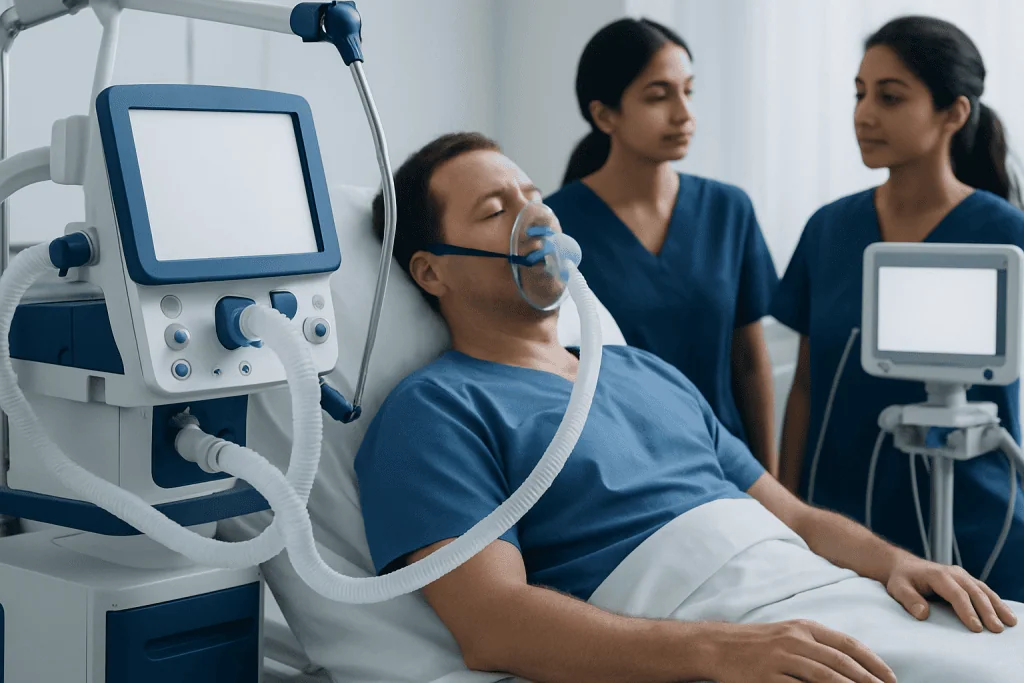
Some people need closer monitoring of breathing, heart function, or nutrition. If swallowing is poor, diet changes and nutritional support may be recommended. In conditions with severe weakness or progression, clinicians may discuss respiratory support and advanced care planning in a calm, practical way. At specialized centers, care may involve neurological rehabilitation and coordinated follow-up from multiple specialists. Near the end of the care pathway, some international patients choose centers such as Acibadem International, where multidisciplinary specialists in JCI-accredited hospitals evaluate and treat neuromuscular conditions.
Prevention, Self-Care, and Living Well
Not all neuromuscular disorders can be prevented, especially inherited conditions. However, healthy habits and regular follow-up may help reduce complications and support function. A balanced diet, adequate sleep, avoiding smoking, limiting alcohol, and staying as active as safely possible are all important. Activity plans should be tailored, since overexertion can worsen symptoms in some conditions.
Self-care also includes protecting against falls and conserving energy. People may benefit from pacing activities, planning rest breaks, using handrails, wearing supportive footwear, and discussing mobility aids when needed. Keeping vaccinations up to date can be helpful, especially for those at risk of breathing complications, though individual advice should come from a doctor.
Emotional support matters as much as physical support. Chronic weakness and changing mobility can affect mood, confidence, work, and relationships. Support groups, counseling, and clear communication with the care team can make daily life more manageable. Family members and caregivers may also need education so they can assist safely and realistically.
When to See a Doctor
A person should seek medical advice if they develop unexplained muscle weakness, repeated falls, persistent numbness or tingling, muscle wasting, double vision, drooping eyelids, or trouble with balance and coordination. Symptoms that are slowly progressive still deserve evaluation, because early diagnosis may uncover a treatable cause or help prevent complications.
Urgent medical attention is needed if weakness suddenly worsens or affects breathing, swallowing, or the ability to hold up the head. Emergency assessment is also important if there is severe shortness of breath, choking, inability to swallow liquids, or rapid decline in mobility. These symptoms do not always mean a dangerous condition, but they should be checked promptly.
People already diagnosed with a neuromuscular disorder should keep regular follow-up appointments and report any new symptoms. Changes in fatigue, walking ability, breathing during sleep, chest infections, or unintended weight loss can guide the next steps in care. Ongoing monitoring helps treatment stay aligned with the person’s needs over time.
Frequently asked questions
What are neuromuscular disorders?
Neuromuscular disorders are conditions that affect the nerves controlling muscles, the muscles themselves, or the connection between them. They can interfere with movement, strength, balance, swallowing, or breathing depending on the area involved.
Are neuromuscular disorders genetic or acquired?
They can be either. Some are inherited and linked to gene changes, while others develop later because of autoimmune disease, inflammation, metabolic problems, infections, toxins, or medication effects.
What is usually the first symptom of a neuromuscular disorder?
Muscle weakness is one of the most common early symptoms. People may also notice fatigue, cramping, frequent tripping, drooping eyelids, numbness, or difficulty with tasks such as climbing stairs or lifting objects.
Can neuromuscular disorders be cured?
Some causes are treatable and occasionally reversible, but many neuromuscular disorders are long-term conditions. Even when a cure is not available, treatment can often improve symptoms, slow progression, and support independence and quality of life.
How are neuromuscular disorders diagnosed?
Diagnosis usually combines a medical history and neurological examination with tests such as blood work, electromyography, nerve conduction studies, and imaging. Some people also need genetic testing, breathing tests, or a muscle or nerve biopsy.
When should someone worry about muscle weakness?
Muscle weakness should be assessed if it is unexplained, persistent, worsening, or affecting daily activities. Urgent care is especially important if weakness affects breathing, swallowing, or develops quickly.
References
- World Health Organization
- National Institute of Neurological Disorders and Stroke
- National Institute of Arthritis and Musculoskeletal and Skin Diseases
- Muscular Dystrophy Association
- MedlinePlus
This article is for general information only and is not a substitute for professional medical advice. Please consult a qualified doctor about your individual situation.
Joint and spine care in Turkey — expert assessment & treatment
JCI-accredited · board-certified surgeons · reply within 24h
Add us as a Preferred Source to see more of our trusted health content across Google Search, AI Overviews and Discover.