Neuroplasticity Exercises to Support Brain Adaptation
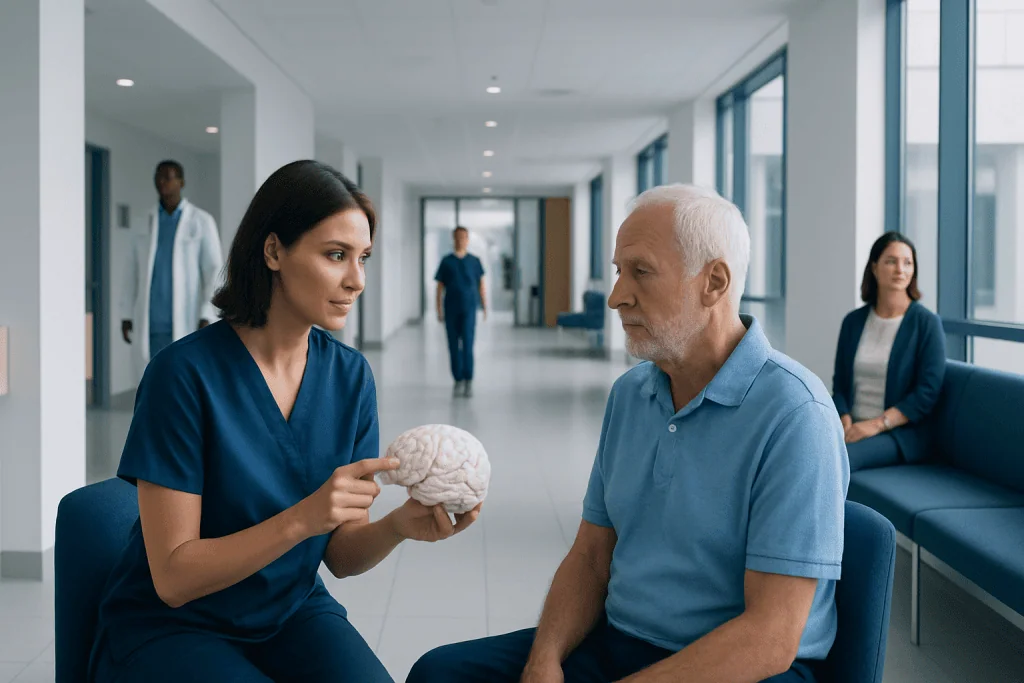
Neuroplasticity is the brain’s lifelong ability to adapt in response to experience, learning and injury. Effective neuroplasticity exercises are specific, challenging enough to require effort and practiced consistently.
Key Takeaways
- Neuroplasticity is the brain’s lifelong ability to adapt in response to experience, learning and injury.
- Effective neuroplasticity exercises are specific, challenging enough to require effort and practiced consistently.
- Physical activity, sleep, social connection and management of health conditions can support brain health alongside exercises.
- Rehabilitation programs should be individualized, especially after stroke, brain injury or neurological illness.
- Sudden neurological symptoms require urgent medical assessment rather than self-directed exercises.
Neuroplasticity exercises are structured physical, cognitive, sensory and behavioral activities that encourage the brain to build, strengthen or reorganize connections. They can support learning and rehabilitation, particularly when they are meaningful, repeated and guided by an appropriate healthcare professional.
Overview: What Are Neuroplasticity Exercises?
Neuroplasticity exercises are targeted activities designed to use the brain’s capacity to change with experience. They may involve practicing a movement, learning a new skill, improving attention or memory, using language, or responding to sensory information in a new way. Repetition and active engagement can help strengthen useful neural pathways over time.
Brain plasticity occurs throughout life. It is involved in ordinary learning, such as becoming more confident with a language or musical instrument, as well as recovery and adaptation after an illness or injury. Neuroplasticity exercises do not “rewire” the brain instantly, and their effects vary by the person, the skill being practiced and the underlying health condition.
For people recovering from stroke, traumatic brain injury, Parkinson’s disease, multiple sclerosis or another neurological condition, exercises are usually part of a broader rehabilitation plan. A neurologist, physiotherapist, occupational therapist, speech and language therapist or neuropsychologist can select activities that are safe, relevant and matched to the person’s goals.
How Brain Plasticity Works
The brain contains networks of nerve cells that communicate through connections called synapses. When a person repeatedly performs a task, pays close attention to it and receives feedback, these networks can become more efficient. Practice may strengthen existing connections, support new patterns of communication or help the brain use alternative pathways when a function has been affected.
Plasticity is influenced by more than repetition alone. Exercises tend to be more useful when they are meaningful, specific to a desired activity and gradually challenging. For example, practicing buttoning a shirt may be more relevant than general hand movements for someone whose goal is to dress independently.
Recovery also has limits. The brain’s ability to adapt does not mean that every lost function can be fully restored, particularly after severe injury or progressive disease. However, rehabilitation can often help people improve function, learn compensatory strategies and remain as independent as possible.
Types of Neuroplasticity Exercises
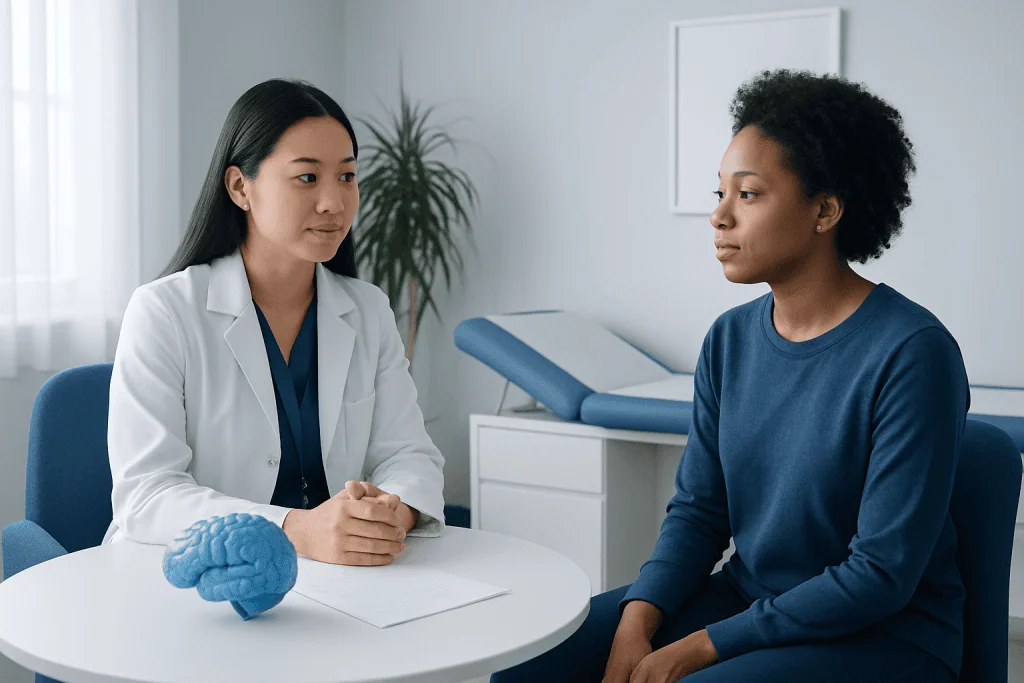
Motor-based exercises focus on movement, balance, coordination and daily activities. Examples include repeated reaching, grasp-and-release tasks, walking practice, balance training and practicing transfers from sitting to standing. In neurological rehabilitation, therapists may use task-specific practice because it directly relates to real-life function.
Cognitive exercises may target attention, planning, processing speed, memory or problem-solving. Useful examples include learning a route, organizing a schedule, practicing a new language, playing a strategic game or completing therapist-guided tasks. Digital brain-training programs can be enjoyable, but their benefits may not always transfer to everyday abilities; activities connected to personal goals are generally more valuable.
Language and communication exercises can support people with aphasia, speech difficulties or cognitive-communication changes. These may include naming objects, practicing conversation, reading aloud, using communication aids or working on speech sounds. Speech and language therapy provides structured assessment and practice for these concerns.
Sensory and visual exercises may be recommended after certain neurological conditions. Depending on the problem, these can involve scanning the environment, noticing touch or position on an affected side, or coordinated eye and head movements. These should be tailored by a qualified clinician, as the correct approach depends on the cause of the symptoms.
Principles That Make Practice More Effective
Consistency matters more than occasional intensive effort. Short, regular sessions can be easier to sustain and can provide frequent opportunities for the brain to practice a skill. The appropriate amount of practice differs considerably between individuals, especially during recovery from illness, when fatigue, pain, mood and concentration may fluctuate.
Exercises should be challenging but achievable. Tasks that are too easy may not promote further learning, while tasks that are too difficult can lead to frustration or unsafe movement. Rehabilitation professionals often adjust the task gradually by changing speed, complexity, support, environment or the amount of assistance provided.
Attention and feedback are also important. Practicing while distracted may be less helpful than focused practice with clear goals. Feedback can come from a therapist, a caregiver, a mirror, a video recording or the person’s own awareness of performance. Celebrating small functional gains can support motivation without creating unrealistic expectations.
Rest is part of learning. The brain consolidates skills during periods of recovery and sleep, so pushing through significant fatigue is not always helpful. A clinician can advise on pacing when symptoms such as post-stroke fatigue, headaches, dizziness or cognitive overload interfere with rehabilitation.
Daily Habits That Support Brain Health
Neuroplasticity exercises work best as part of an overall approach to brain health. Regular physical activity, within a person’s ability and medical advice, supports circulation, mobility, mood and sleep. Aerobic movement, strength training and balance activities may all have a role, but the safest choice depends on a person’s health, fitness and neurological symptoms.
Sleep supports attention, memory and learning. Establishing a consistent sleep routine, limiting stimulants later in the day and discussing persistent sleep problems with a clinician can be helpful. Nutrition, hydration and management of conditions such as high blood pressure, diabetes and high cholesterol are also important for long-term brain and vascular health.
Mentally and socially engaging activities can provide natural opportunities for practice. Reading, crafts, music, volunteering, conversation, classes and hobbies may stimulate different skills while also supporting well-being. The most beneficial activity is often one the person enjoys enough to continue safely and regularly.
Neuroplasticity in Rehabilitation
After a neurological event, rehabilitation begins with a detailed assessment of movement, sensation, speech, thinking, swallowing, vision, mood and daily function. The team then develops goals that matter to the individual, such as walking safely, returning to work, preparing meals, communicating more easily or managing personal care.
For example, people recovering from stroke may use repeated task practice, balance therapy, upper-limb training, speech therapy and cognitive rehabilitation. The timing and type of therapy depend on the person’s medical stability, symptoms and recovery stage. A structured program can also teach family members how to provide support without taking over tasks the person can safely practice.
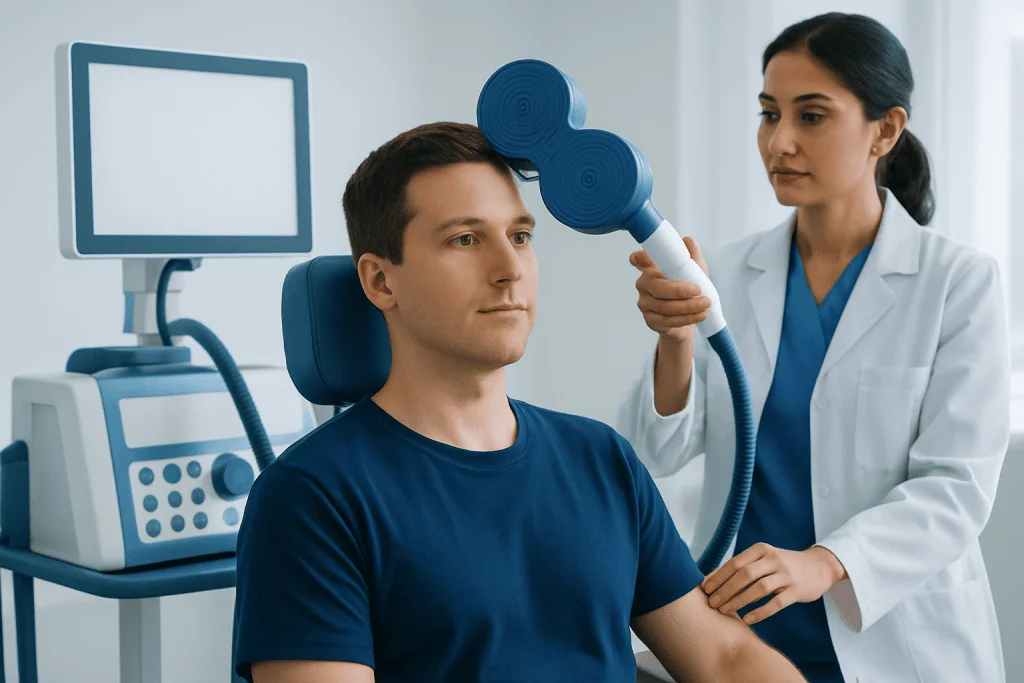
Technology may be included in selected programs, such as virtual-reality activities, robotic-assisted movement devices, functional electrical stimulation or computer-based cognitive tools. These approaches are not necessary for everyone and should complement, rather than replace, skilled clinical assessment and meaningful real-world practice.
Acibadem International’s multidisciplinary specialists and JCI-accredited hospitals provide assessment and rehabilitation planning for international patients with neurological conditions. Care plans should always be individualized and reviewed as needs change.
When to Seek Medical Care
A person should seek urgent medical care for sudden facial drooping, arm or leg weakness, numbness on one side, new trouble speaking or understanding speech, sudden vision loss, severe unexplained headache, loss of balance or confusion. These symptoms can indicate a stroke or another urgent neurological problem and should not be managed with home exercises.
A medical appointment is also appropriate for persistent memory changes, new tremor, repeated falls, worsening balance, weakness, changes in sensation, difficulty swallowing, ongoing dizziness or changes in personality or behavior. Early assessment can identify treatable causes and guide safe rehabilitation where needed.
People who have recently had a stroke, head injury, seizure, surgery or a new neurological diagnosis should ask their healthcare team before beginning unsupervised exercise programs. A clinician can advise which activities are appropriate, whether specialist therapy is needed and how to recognize signs that the program should be adjusted.
Frequently asked questions
Can neuroplasticity exercises improve memory?
Neuroplasticity exercises may support memory by practicing attention, learning and recall in meaningful ways. Benefits are usually greatest when activities are relevant to daily life and combined with healthy sleep, physical activity and treatment of contributing medical conditions. New or worsening memory problems should be assessed by a healthcare professional.
How long does it take for neuroplasticity exercises to work?
The timeline varies widely according to the person, the activity, the amount of practice and whether there is an underlying neurological condition. Some people notice small improvements over weeks, while rehabilitation after injury may continue over months or longer. Progress is often gradual and may include better confidence or function rather than a complete return to previous abilities.
Are brain-training apps enough to improve neuroplasticity?
Brain-training apps can be one way to practice specific skills, but they are not a complete brain-health or rehabilitation program. Improvement on an app does not always mean that daily activities will improve in the same way. Activities that reflect real-life goals, together with professional guidance when needed, are generally more useful.
What are good neuroplasticity exercises after a stroke?
The best exercises after stroke depend on which functions have been affected, such as movement, speech, swallowing, vision or memory. Repeated practice of meaningful tasks, guided movement training and speech or cognitive therapy may be used. A stroke rehabilitation team should select exercises because some movements or activities may be unsafe without assessment.
Can older adults benefit from neuroplasticity exercises?
Yes. The brain retains the capacity to learn and adapt across the lifespan, although learning may take more time for some people. Regular physical activity, social participation, learning new skills and managing vascular health can all support healthy aging. Exercises should be adapted for mobility, vision, hearing and health conditions.
Can neuroplasticity exercises cure neurological disease?
Neuroplasticity exercises do not cure most neurological diseases. They may help a person maintain abilities, regain selected skills after injury or develop strategies to manage symptoms and daily activities. Medical treatment and follow-up remain important for conditions that affect the brain or nervous system.
References
- World Health Organization
- National Institute of Neurological Disorders and Stroke
- American Stroke Association
- National Institute on Aging
- American Academy of Neurology
This article is for general information only and is not a substitute for professional medical advice. Please consult a qualified doctor about your individual situation.
Explore treatments in Turkey — costs, top hospitals & a free quote
JCI-accredited · board-certified surgeons · reply within 24h
Add us as a Preferred Source to see more of our trusted health content across Google Search, AI Overviews and Discover.

More from the Health Library
Iron Binding Capacity: What Patients Need to Know
Extenze Pills: An Evidence-Based Guide for Patients
Unloader Knee Brace: A Complete Medical Overview
Humidifier for Blocked Nose: What Patients Need to Know
Peppermint Tea Benefits — Explained by Medical Evidence, Not Myths