Neuropsychiatric Disorders: Common Conditions and When Specialist Care Helps

Neuropsychiatric disorders involve both brain function and mental or behavioral symptoms. Common symptoms may include memory problems, mood changes, anxiety, hallucinations, sleep changes, or personality changes.
Key Takeaways
- Neuropsychiatric disorders involve both brain function and mental or behavioral symptoms.
- Common symptoms may include memory problems, mood changes, anxiety, hallucinations, sleep changes, or personality changes.
- Diagnosis often requires a combined neurological and psychiatric evaluation, and sometimes brain imaging or lab tests.
- Treatment depends on the underlying cause and may include medication, psychotherapy, rehabilitation, and lifestyle support.
- Specialist care is especially important when symptoms are sudden, severe, progressive, or affecting safety and daily life.
Neuropsychiatric disorders are conditions in which changes in the brain affect emotions, behavior, thinking, or perception. Because symptoms can overlap between neurological and mental health conditions, specialist assessment can help clarify the cause and guide treatment.
Overview
Neuropsychiatric disorders are conditions that affect both the brain and a person’s emotions, thoughts, or behavior. In simple terms, they sit at the intersection of neurology and psychiatry. Some begin with a neurological illness that later causes mood, memory, or behavior changes. Others first appear as mental health symptoms, but a closer evaluation shows an underlying brain-related cause.
This group includes a wide range of conditions rather than one single diagnosis. Examples may include depression or anxiety related to neurological disease, cognitive and behavioral changes after a stroke or head injury, neurodegenerative conditions that affect memory and personality, seizures with psychiatric symptoms, and autoimmune or metabolic illnesses that change mental state. Because symptoms can overlap, these conditions are sometimes mistaken for purely psychiatric or purely neurological problems.
Neuropsychiatry aims to understand how brain function, body health, and mental well-being influence one another. A careful evaluation can help identify whether symptoms are linked to a structural brain problem, a chemical or metabolic change, a neurodevelopmental condition, medication effects, or a primary mental health disorder. This is important because treatment works best when it targets the real cause.
Common Symptoms and Conditions
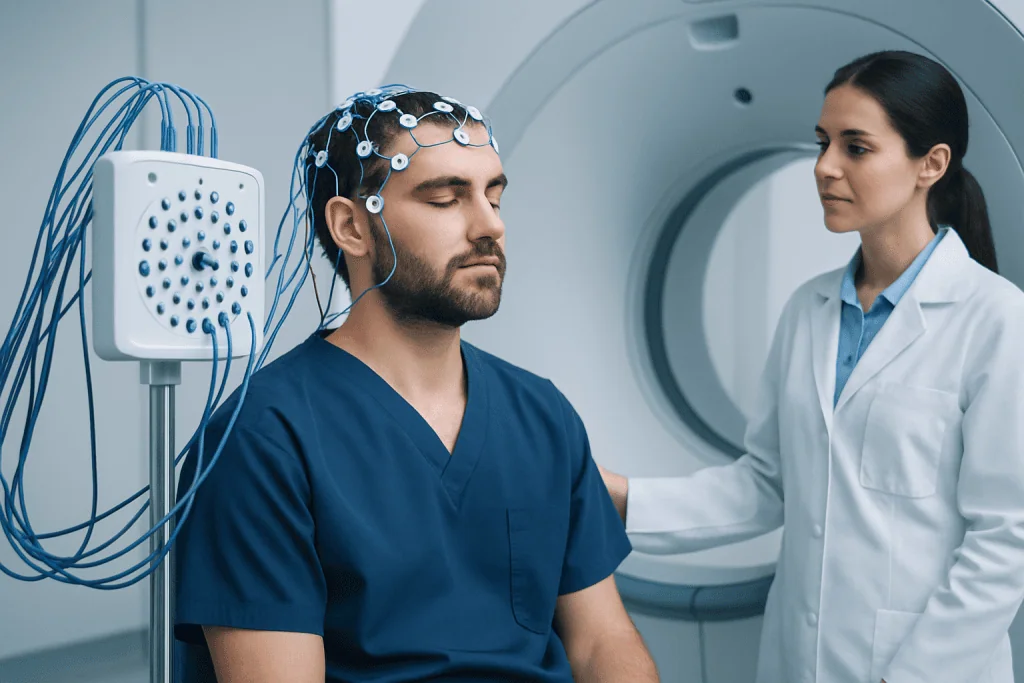
Symptoms of neuropsychiatric disorders can vary widely depending on which part of the brain is affected and what process is causing the symptoms. Some people notice changes in mood, such as depression, irritability, or sudden emotional shifts. Others may develop anxiety, apathy, impulsive behavior, sleep problems, poor concentration, or changes in social judgment. Memory loss, confusion, slowed thinking, and difficulty planning daily tasks are also common concerns.
In some cases, symptoms include hallucinations, delusions, agitation, or episodes of altered awareness. A person may seem unlike themselves, become withdrawn, or have trouble managing work, school, or relationships. Family members are often the first to notice subtle personality or behavior changes, especially when these develop gradually.
Common conditions associated with neuropsychiatric symptoms include:
- Dementia and other neurodegenerative disorders
- Stroke-related cognitive or mood changes
- Traumatic brain injury
- Epilepsy and seizure disorders
- Parkinson’s disease and related disorders
- Multiple sclerosis
- Brain infections or inflammation
- Autoimmune encephalitis
- Thyroid, vitamin, liver, kidney, or other metabolic disorders
- Medication side effects or substance-related conditions
Sometimes a person may already carry a diagnosis such as depression, bipolar disorder, schizophrenia, or anxiety disorder, yet the pattern of symptoms suggests that further neurological assessment is needed. This is one reason specialist neuropsychiatric evaluation can be valuable.
Causes and Risk Factors

Neuropsychiatric disorders can develop for many reasons. One broad cause is structural or functional brain change, such as after a stroke, brain injury, tumor, seizure disorder, or neurodegenerative disease. Another important cause is inflammation or immune system dysfunction, where the body’s immune response affects the brain. In other cases, symptoms arise from infections, hormonal changes, vitamin deficiencies, or problems with the liver, kidneys, or other organs that influence brain chemistry.
Genetic factors may increase the risk of certain neurological or psychiatric conditions. Age is also relevant, as memory problems and some neurodegenerative disorders become more common later in life. However, neuropsychiatric symptoms can affect children, adults, and older adults depending on the underlying condition. Sleep deprivation, chronic stress, alcohol or drug use, and some medications may worsen symptoms or make a hidden problem more noticeable.
Risk factors depend on the specific disorder but may include a history of head trauma, epilepsy, autoimmune disease, cardiovascular disease, diabetes, infections, or previous psychiatric illness. Family history can also be important. Because many different factors may interact, a person should not assume symptoms are “just stress” or “just aging” without a proper medical review.
How Diagnosis Is Made
Diagnosis usually starts with a detailed medical history and discussion of symptoms. The doctor may ask when the changes began, whether they appeared suddenly or gradually, and how they affect work, memory, mood, sleep, and relationships. Information from a family member or caregiver can be especially helpful, since some people may not fully notice their own changes.
A neuropsychiatric evaluation often includes both neurological and psychiatric assessment. The clinician may check memory, attention, language, problem-solving, movement, coordination, reflexes, and emotional state. This helps show whether symptoms fit a primary mental health condition, a neurological disorder, or a combination of both. In some cases, formal cognitive testing may be recommended through neuropsychological testing to better understand strengths and difficulties.
Additional tests may include blood work to look for vitamin deficiencies, thyroid problems, infection, inflammation, or metabolic issues. Brain studies such as MRI or other imaging can help identify structural causes such as stroke, atrophy, inflammation, or tumors. Depending on symptoms, doctors may also recommend an EEG for seizures, lumbar puncture, sleep studies, or referral to specialists in memory, movement, or behavioral neurology. The aim is not simply to label symptoms, but to find the most accurate explanation for them.
Treatment Options
Treatment depends on the underlying diagnosis and the person’s symptoms. For some people, care focuses on treating a neurological condition, such as seizure control, stroke recovery, or management of a neurodegenerative disease. For others, treatment may address inflammation, infection, vitamin deficiency, hormone imbalance, or medication-related causes. When the trigger is treatable, symptoms may improve significantly once the underlying problem is managed.
Symptom-based treatment is also important. Doctors may recommend medication for depression, anxiety, psychosis, agitation, sleep disturbance, or attention problems when appropriate. Psychotherapy can help people cope with emotional changes, adjust to chronic illness, and build practical strategies for daily life. Cognitive rehabilitation, occupational therapy, speech therapy, or supportive counseling may also play a role, especially when memory, communication, or planning are affected.
A multidisciplinary team is often helpful because neuropsychiatric disorders rarely fit into one specialty alone. Care may involve neurology, psychiatry, psychology, rehabilitation, and internal medicine. If brain structure or pressure-related problems are suspected, advanced assessment through neurology care or other specialist services may be needed. Treatment plans usually work best when they also include caregiver education, safety planning, and regular follow-up.
Near the end of the diagnostic journey, some patients benefit from coordinated care at centers experienced in complex brain-behavior conditions. Acibadem International’s multidisciplinary specialists and JCI-accredited hospitals diagnose and treat neuropsychiatric disorders for international patients when this type of combined expertise is needed.
Prevention and Self-care
Not all neuropsychiatric disorders can be prevented, but some risk factors can be reduced. Protecting overall brain health matters. This includes good control of blood pressure, diabetes, and cholesterol; avoiding smoking; limiting alcohol; staying physically active; and getting enough sleep. Wearing seat belts and helmets when appropriate may reduce the risk of traumatic brain injury.
Self-care also means paying attention to early changes rather than dismissing them. New memory problems, confusion, sudden mood changes, or major shifts in personality deserve medical attention. Families can help by keeping notes about when symptoms occur, how long they last, and whether there are possible triggers such as poor sleep, infections, missed medication, or substance use.
People living with chronic neurological illness may benefit from regular routines, stress management, social engagement, and mental stimulation. It is also important to review medications with a doctor, since some drugs can worsen confusion, balance problems, or mood changes. While healthy habits support recovery and well-being, they should not replace specialist care when symptoms are persistent or progressing.
When Specialist Care Helps
Specialist care is especially useful when symptoms are complex, unexplained, or involve both neurological and psychiatric features. For example, a person may have memory loss with depression, hallucinations with seizures, or sudden personality change after a medical illness. In these situations, a neuropsychiatric approach can help connect the symptoms rather than treating each one in isolation.
Urgent medical assessment is important if symptoms begin suddenly, worsen quickly, or include confusion, loss of consciousness, new seizures, severe headache, weakness, trouble speaking, fever with altered behavior, or thoughts of self-harm. These may point to a condition needing prompt treatment, such as stroke, infection, inflammation, or a medication-related emergency. A gradual decline also matters, especially if daily functioning or safety is changing.
Specialist input can also help when standard treatment has not worked as expected. If a person treated for a psychiatric disorder develops unusual movement symptoms, cognitive decline, or fluctuating alertness, further neurological review may be needed. Likewise, someone with a known neurological illness may need psychiatric support if mood, anxiety, behavior, or sleep problems are becoming harder to manage. In some cases, doctors may evaluate for related conditions such as Alzheimer’s disease or other neurocognitive disorders as part of the process.
Frequently asked questions
What does neuropsychiatric mean?
Neuropsychiatric refers to symptoms or disorders that involve both the brain and mental or behavioral function. These conditions can affect mood, thinking, memory, perception, personality, or behavior.
Are neuropsychiatric disorders the same as mental illness?
Not exactly. Some neuropsychiatric disorders are primary mental health conditions, but others are caused or influenced by neurological disease, inflammation, injury, seizures, or medical problems affecting the brain. That is why assessment may involve both psychiatry and neurology.
What symptoms should not be ignored?
Sudden confusion, hallucinations, new seizures, weakness, trouble speaking, severe headache, rapid personality change, or thoughts of self-harm need prompt medical attention. Progressive memory loss or major changes in daily functioning should also be evaluated by a doctor.
How are neuropsychiatric disorders diagnosed?
Doctors usually combine a medical history, neurological exam, mental health assessment, and sometimes cognitive testing. Blood tests, brain imaging, EEG, or other investigations may be used to look for underlying causes.
Can neuropsychiatric disorders be treated?
Many can be treated, and some improve significantly when the underlying cause is found early. Treatment may include medication, psychotherapy, rehabilitation, and management of neurological or medical conditions.
Who may need to see a neuropsychiatry specialist?
People with overlapping neurological and psychiatric symptoms often benefit from specialist care. This includes unexplained behavior change, memory decline, confusion, hallucinations, cognitive problems after brain injury, or mental health symptoms linked to a known neurological disorder.
References
- World Health Organization
- National Institute of Mental Health
- National Institute of Neurological Disorders and Stroke
- American Psychiatric Association
- Alzheimer's Association
This article is for general information only and is not a substitute for professional medical advice. Please consult a qualified doctor about your individual situation.
Explore treatments in Turkey — costs, top hospitals & a free quote
JCI-accredited · board-certified surgeons · reply within 24h
Add us as a Preferred Source to see more of our trusted health content across Google Search, AI Overviews and Discover.