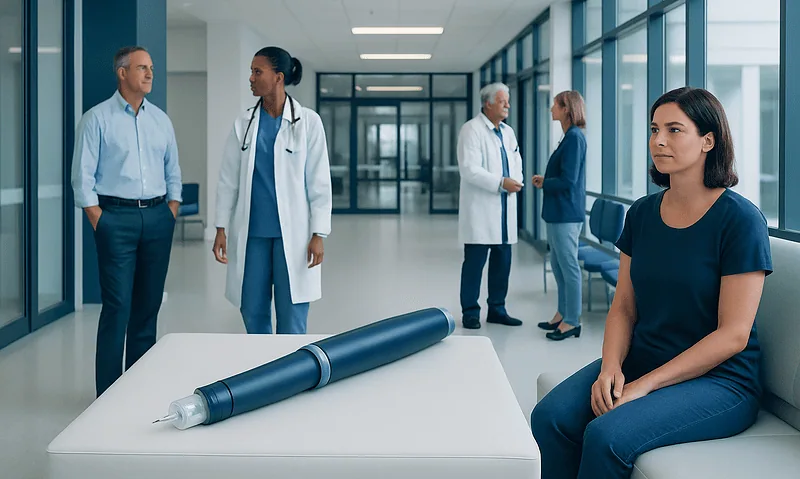
New Treatment for Sudden Hearing Loss: How It Works, Results and What to Expect

Sudden hearing loss in one or both ears should be assessed urgently, ideally on the same day it is noticed. Corticosteroids are the main evidence-based initial treatment for sudden sensorineural hearing loss.
Key Takeaways
- Sudden hearing loss in one or both ears should be assessed urgently, ideally on the same day it is noticed.
- Corticosteroids are the main evidence-based initial treatment for sudden sensorineural hearing loss.
- Steroid injections through the eardrum may be used when tablets are unsuitable, as combined treatment, or as salvage treatment.
- Recovery varies; some people improve fully, while others benefit from hearing aids, tinnitus care, or other rehabilitation.
- A hearing test and examination are needed to distinguish inner-ear hearing loss from treatable blockage such as earwax.
New treatment for sudden hearing loss most often means rapid evaluation and corticosteroid treatment, by mouth or through an injection into the middle ear. Sudden sensorineural hearing loss is an urgent ear condition: early care offers the best opportunity to protect or recover hearing.
Overview: What Is the New Treatment for Sudden Hearing Loss?
The new treatment for sudden hearing loss is not usually a single newly discovered procedure. Rather, modern care focuses on recognizing sudden sensorineural hearing loss (SSHL) quickly, confirming it with hearing testing, and starting corticosteroid treatment without unnecessary delay. Steroids may be taken by mouth, given into the middle ear through the eardrum, or used in both ways in selected cases.
SSHL is a rapid loss of hearing, often in one ear, that develops over hours or within three days. It may feel like a blocked ear, but it can occur without visible blockage. Ringing in the ear, a sense of fullness, dizziness, or imbalance may also occur. Because some causes need prompt assessment, a person who notices sudden hearing change should contact an ear, nose and throat (ENT) clinician or urgent medical service as soon as possible.
The term “sudden hearing loss” can also describe conductive hearing loss caused by earwax, fluid, infection, or pressure-related problems. These conditions are managed differently. An ear examination and formal audiogram help identify whether the hearing loss is sensorineural, involving the inner ear or hearing nerve, or conductive, involving sound transmission through the ear.
How Modern Treatment Works
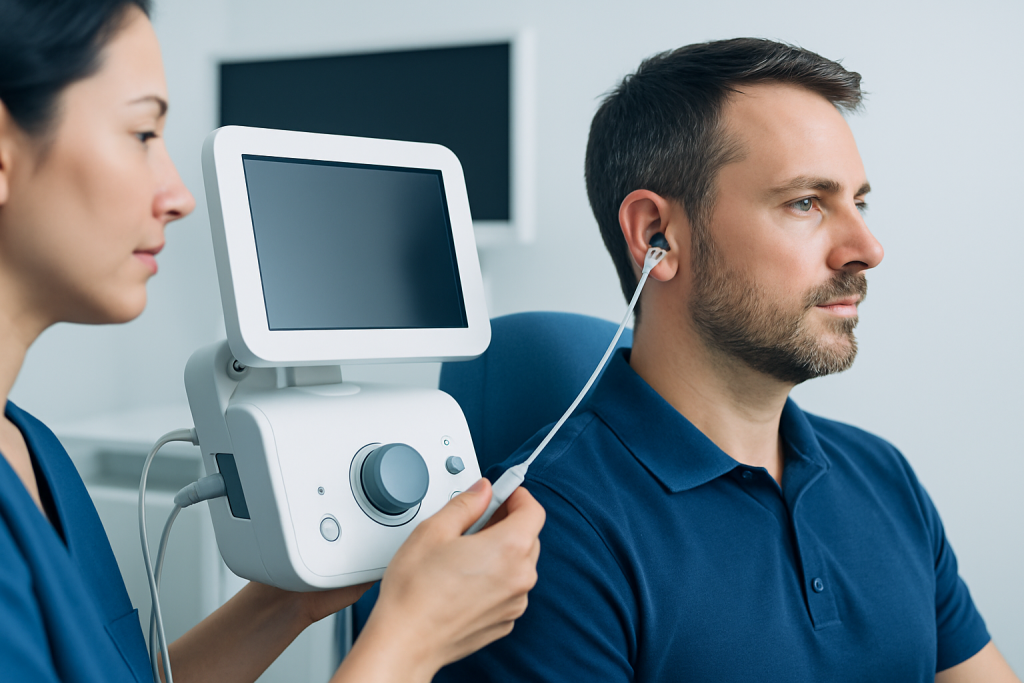
Most cases of SSHL are considered idiopathic, meaning that no definite cause is found after appropriate assessment. Inflammation, immune activity, impaired blood flow, or viral-related injury within the inner ear are among the proposed mechanisms. Corticosteroids are used because they may reduce inflammation and swelling and may support recovery in the delicate inner-ear environment.
Oral corticosteroids are commonly offered as initial treatment when medically appropriate. The exact medicine, schedule, and duration are individualized by the treating clinician, taking account of conditions such as diabetes, high blood pressure, glaucoma, stomach problems, infection risk, or mood disorders. Treatment decisions should balance potential benefit with the person’s overall health and medication history.
Intratympanic steroid treatment places medication into the middle ear, where it can pass across a membrane into the inner ear. This approach can limit whole-body exposure and may be appropriate for people who cannot take oral steroids. It is also commonly considered when hearing has not improved enough after initial treatment, and may be used alongside oral therapy in selected circumstances. This is a form of intratympanic steroid injection treatment.
For some patients, specialists may discuss hyperbaric oxygen therapy as an additional option, usually alongside steroids and within a time-sensitive treatment window. Its availability and suitability vary, and it is not appropriate for everyone. Hearing rehabilitation remains important whenever hearing loss persists, regardless of which acute treatment is used.
Who May Be a Candidate and What Happens During Treatment

A person may be considered for prompt SSHL treatment when a hearing test confirms a sudden sensorineural loss, particularly when symptoms started recently. Treatment is generally most useful when begun early, but an ENT specialist may still assess and discuss options when presentation is delayed. Severity of loss, associated dizziness, the hearing level in the other ear, and medical conditions all help guide the plan.
Before treatment, the clinician usually takes a detailed history, examines the ear, and arranges an audiogram. They may ask about recent infections, noise exposure, medicines, head injury, autoimmune symptoms, neurological symptoms, and previous ear disease. Magnetic resonance imaging may be recommended in some cases to evaluate the hearing nerve and rule out uncommon structural causes, especially when hearing loss is one-sided.
For an intratympanic injection, the ear is examined and numbed with a local anesthetic. The clinician places a fine needle through the eardrum and introduces a small amount of steroid into the middle ear. The person usually remains still with the treated ear facing upward for a short period so the medicine can remain in contact with the appropriate area. The procedure is typically performed in an outpatient setting.
Follow-up hearing tests are used to measure change and support shared decisions about further treatment or rehabilitation. If residual loss remains, the care team may discuss hearing aids, communication strategies, tinnitus management, and other support. These options can improve day-to-day communication even when the hearing level does not fully return.
Benefits, Risks and Recovery Timeline
The potential benefit of prompt treatment is improved hearing recovery, although no treatment can guarantee an outcome. Some people notice improvement within days or weeks, while others recover more gradually. The likelihood of recovery depends on several factors, including the degree of initial hearing loss, presence of severe vertigo, hearing test findings, and how quickly treatment begins.
After an intratympanic injection, temporary ear fullness, mild discomfort, brief dizziness, or a metallic taste can occur. Less common risks include ear infection, persistent eardrum perforation, bleeding, or worsening dizziness. Oral corticosteroids can have broader effects, including changes in blood sugar, sleep, mood, appetite, stomach symptoms, blood pressure, and infection susceptibility. A clinician can explain the risks that are most relevant to the individual.
Most people can return to usual light activities after a middle-ear injection, following the clinic’s instructions about keeping the ear dry or avoiding certain activities if advised. Follow-up audiometry may take place over the following weeks and months. It is helpful to avoid unprotected loud noise, but complete silence or excessive ear protection in ordinary environments is not generally necessary.
When hearing remains reduced, rehabilitation should not be delayed while waiting indefinitely for further spontaneous improvement. Hearing aids may help make sounds clearer and reduce listening effort. For profound loss in one ear, a specialist can explain technologies that route sound from the poorer side or, in carefully assessed cases, implantable hearing solutions.
Will Hearing Loss Ever Be Reversible?
Hearing loss can sometimes be reversible, but the answer depends on its cause. Hearing reduction from earwax, middle-ear fluid, infection, medication effects, or pressure-related problems may improve when the underlying cause is treated. Sudden sensorineural hearing loss can also improve, either spontaneously or after treatment, but recovery is variable and cannot be predicted with certainty for one person.
In SSHL, some people regain most or all of their hearing, while others have partial recovery or ongoing loss. Tinnitus and balance symptoms may improve as hearing recovers, although they can also persist. An early hearing test establishes a baseline and repeat testing shows whether recovery is occurring.
Even if hearing does not return fully, there are meaningful ways to reduce its impact. Hearing technology, communication strategies, tinnitus support, and evaluation of the unaffected ear can help preserve independence and quality of life. A hearing specialist can tailor recommendations to work, family, travel, and listening needs.
What Could Be Causing My Sudden Hearing Loss in One Ear That Eventually Comes Back?
A sudden one-sided hearing change that later improves may have several possible explanations. Temporary conductive causes include earwax, eustachian tube dysfunction, middle-ear fluid, or pressure changes. Inner-ear causes may include a temporary episode of SSHL, migraine-related auditory symptoms, Ménière’s disease, or other disorders that affect inner-ear fluid balance.
Fluctuating hearing with repeated episodes, ear fullness, tinnitus, or vertigo deserves specialist assessment because the pattern can provide useful diagnostic clues. Less commonly, autoimmune conditions, infections, medication effects, or neurological causes may be considered. A return of hearing does not remove the need for evaluation, particularly after a first sudden episode.
Keeping a short record of when symptoms began, how long they lasted, whether dizziness occurred, recent illnesses, new medicines, and noise or pressure exposures may help the clinician. An audiogram is valuable even if hearing has largely returned, because subtle differences between ears can remain. Recurrent or fluctuating symptoms should be discussed with an ENT specialist.
Is It Possible to Recover From SSHL After a Year?
Recovery from SSHL after a year is possible but is less common than improvement in the first days, weeks, or months. The greatest opportunity for steroid-based acute treatment is generally early after onset, which is why same-day or urgent assessment is recommended. A specialist can still assess late-presenting hearing loss, confirm the diagnosis, and look for conditions that may require attention.
After a year, the focus often shifts toward understanding the stable hearing level and reducing the practical effects of hearing difficulty, tinnitus, or imbalance. A repeat audiogram, assessment of the other ear, and imaging or other tests when clinically indicated can be useful. Hearing aids and other rehabilitation tools may offer substantial benefit even when the damaged inner-ear hearing does not recover.
People should not assume that long-standing one-sided hearing loss is simply unavoidable. ENT and audiology assessment can identify suitable support and help monitor hearing over time. Persistent unilateral symptoms should be assessed carefully, especially if they are new, changing, or accompanied by neurological symptoms.
What Are the Immediate Steps to Take to Manage Sudden Sensorineural Hearing Loss?
First, treat a sudden hearing change as urgent rather than waiting to see whether it settles. Contact an ENT clinician, urgent care service, or emergency department on the day symptoms begin when possible, especially if the loss is clearly in one ear or is accompanied by ringing, dizziness, or fullness. Avoid inserting cotton buds, drops, or objects into the ear unless a clinician has advised them.
Second, seek emergency care immediately if hearing loss occurs with facial weakness, difficulty speaking, severe headache, weakness or numbness on one side, double vision, inability to walk safely, chest pain, or other concerning symptoms. These may indicate a problem outside the ear that needs emergency assessment. A sudden hearing loss after major head trauma also requires urgent medical care.
Third, arrange a formal hearing test as soon as possible. A clinician can remove earwax or identify a middle-ear cause, but a normal-looking ear does not rule out SSHL. If SSHL is confirmed or strongly suspected, the clinician can discuss timely steroid treatment and appropriate follow-up.
Acibadem International’s multidisciplinary ENT, audiology, radiology, and rehabilitation specialists at JCI-accredited hospitals can assess and treat sudden hearing loss for international patients. Ongoing care should always be coordinated with a qualified doctor who understands the person’s medical history and local follow-up needs.
Frequently asked questions
Is sudden sensorineural hearing loss an emergency?
Sudden sensorineural hearing loss is considered an urgent medical problem because treatment is most effective when started early. A person should seek same-day medical advice whenever possible, even if the ear feels merely blocked. Emergency assessment is especially important if neurological symptoms, severe imbalance, or head trauma are present.
How quickly should treatment for sudden hearing loss begin?
Treatment should begin as soon as a clinician has assessed the person and SSHL is suspected or confirmed. The first days after symptoms start are particularly important, and delays can reduce the opportunity for recovery. A clinician will decide which treatment is appropriate based on the hearing test and medical history.
Are steroid injections into the ear painful?
The ear is usually numbed before an intratympanic steroid injection, so many people experience pressure or brief discomfort rather than significant pain. Temporary dizziness or ear fullness can occur afterward. The treating ENT specialist will explain what to expect and how to care for the ear after the procedure.
Can earwax cause sudden hearing loss?
Yes, earwax can cause a rapid sense of blocked hearing, but this is conductive hearing loss rather than SSHL. It is important not to assume wax is the cause, because inner-ear hearing loss can feel similar. An ear examination and hearing test help distinguish the two conditions.
Can tinnitus occur with sudden hearing loss?
Yes, ringing, buzzing, or other sounds in the affected ear are common with sudden sensorineural hearing loss. Tinnitus may lessen as hearing improves, but it can persist even after treatment. Hearing rehabilitation and tinnitus-focused support can help if it remains troublesome.
Should a person wait for sudden hearing loss to come back on its own?
No. Some cases improve without treatment, but it is not possible to know which cases will recover, and waiting may miss the most useful treatment window. Prompt assessment can also identify other causes that need different management.
References
- American Academy of Otolaryngology–Head and Neck Surgery
- National Institute on Deafness and Other Communication Disorders
- National Health Service
- Mayo Clinic
- World Health Organization
This article is for general information only and is not a substitute for professional medical advice. Please consult a qualified doctor about your individual situation.
Explore treatments in Turkey — costs, top hospitals & a free quote
JCI-accredited · board-certified surgeons · reply within 24h
Add us as a Preferred Source to see more of our trusted health content across Google Search, AI Overviews and Discover.
Check your numbers in seconds
BMI, calories, due date, blood pressure and 30+ more clinical calculators — free, instant, doctor-reviewed ranges.