

Nexplanon: An Evidence-Based Guide for Patients

Nexplanon is a long-acting reversible contraceptive implant that releases etonogestrel. It is one of the most effective forms of birth control and works for up to 3 years.
Key Takeaways
- Nexplanon is a long-acting reversible contraceptive implant that releases etonogestrel.
- It is one of the most effective forms of birth control and works for up to 3 years.
- Changes in menstrual bleeding are common and are a leading reason people ask to have it removed.
- Placement and removal must be done by a trained healthcare professional.
- Nexplanon does not protect against sexually transmitted infections.
- A clinician can help decide whether Nexplanon is a good fit based on medical history, preferences, and reproductive goals.
Nexplanon is a small hormonal birth control implant placed under the skin of the upper arm to prevent pregnancy for up to 3 years. For many patients, it is a highly effective, reversible option, but understanding side effects, bleeding changes, and when to seek care can help support informed decisions.
Overview: what Nexplanon is and how it works
Nexplanon is a prescription birth control implant. It is a small, flexible rod inserted just under the skin of the inner upper arm by a trained healthcare professional. The implant contains etonogestrel, a form of progestin, and provides long-acting reversible contraception for up to 3 years.
For patients asking whether Nexplanon is effective and safe, the short answer is yes: it is considered one of the most effective reversible birth control methods available when placed correctly. It works mainly by preventing ovulation, which means the ovary does not release an egg. It also thickens cervical mucus, making it harder for sperm to reach an egg, and may thin the lining of the uterus.
Because it does not require daily action, Nexplanon can be a practical choice for people who want reliable contraception without remembering a pill, patch, or ring schedule. At the same time, it is fully reversible. Once removed, its contraceptive effect wears off quickly, and fertility often returns soon after removal.
Nexplanon does not protect against sexually transmitted infections. Patients who need STI protection may still need condoms or other barrier methods. A clinician can also discuss whether another contraceptive approach, such as fertility treatment options in the future or evaluation for infertility if conception does not occur after removal, may become relevant depending on reproductive plans.
Who may consider Nexplanon
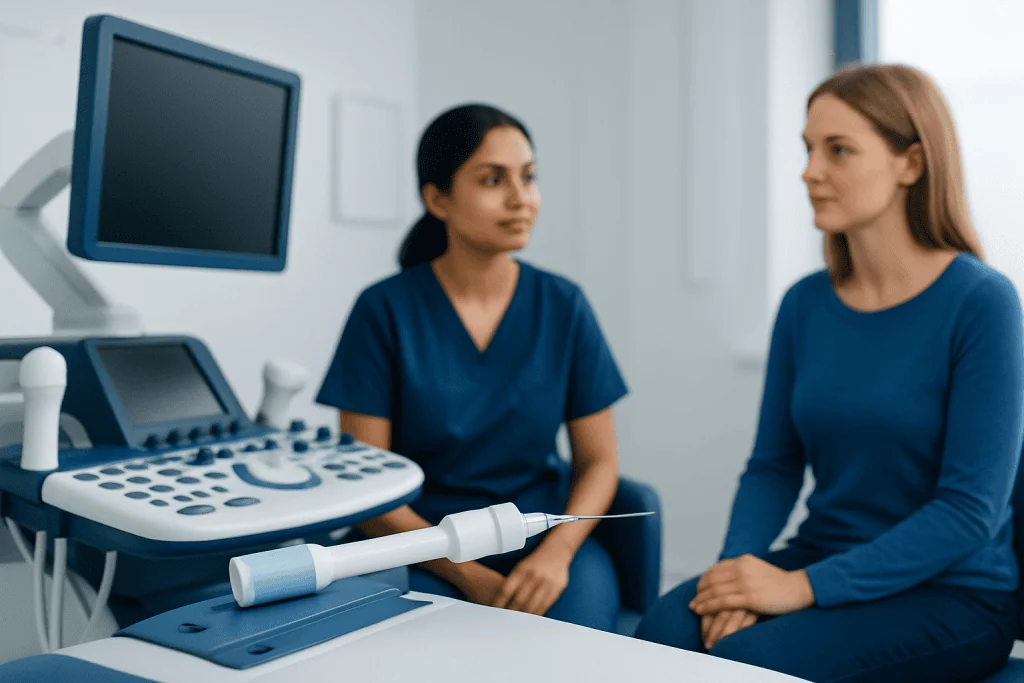
Nexplanon may suit patients who want highly effective, low-maintenance contraception and prefer to avoid estrogen-containing methods. Because it contains only progestin, it can be an option for some people who cannot use combined hormonal contraceptives for medical reasons. It may also be considered by those who want a method that is discreet and quickly reversible.
Many life circumstances can shape whether an implant feels appropriate. Some patients choose Nexplanon after pregnancy, after difficulty remembering pills, or when seeking spacing between pregnancies. Others prefer it because it allows long-term contraception without interrupting daily routines, travel, work, or study.
Not every patient is an ideal candidate. A healthcare professional may review current medications, liver health, unexplained vaginal bleeding, past blood clot history, breast cancer history, or other medical conditions before recommending the implant. Discussion is important because some medicines can affect how hormonal contraception works.
Shared decision-making matters. The best contraceptive choice is not simply the most effective method on paper; it is the one that aligns with a patient’s health profile, bleeding preferences, comfort with procedures, and plans for future pregnancy.
Expected changes, side effects, and possible risks

The most common change with Nexplanon is altered menstrual bleeding. Periods may become lighter, less frequent, more frequent, prolonged, or stop altogether. These changes are not usually dangerous, but they can be inconvenient or frustrating. Bleeding patterns are hard to predict, and this uncertainty is one of the most common reasons patients ask for removal.
Other possible side effects can include headache, acne, breast tenderness, mood changes, weight change, abdominal discomfort, or pain and bruising at the insertion site. Some patients have few or no side effects, while others notice symptoms more clearly. A clinician can help determine whether symptoms are likely related to the implant or to another health issue.
Less commonly, complications can occur with insertion or removal. These may include infection, scarring, irritation, or difficulty locating the implant if it has moved from the original position. Rarely, pregnancy can still happen, and if it does, a doctor may need to evaluate promptly to rule out an ectopic pregnancy, which is a pregnancy outside the uterus.
Nexplanon is generally considered safe for many patients, but no contraceptive method is right for everyone. Persistent heavy bleeding, severe pain, new breast symptoms, or major mood concerns deserve medical review. If symptoms raise questions about a broader gynecologic condition, a physician may also evaluate for related concerns such as ovarian cysts or other reproductive health issues.
Insertion, timing, and what the procedure is like
Nexplanon insertion is a minor in-office procedure. After cleaning the skin and numbing the area with local anesthetic, the clinician places the implant under the skin of the upper arm using a specialized applicator. The procedure is usually brief. A small bandage and pressure dressing are commonly applied afterward to reduce bruising.
Timing matters because the day of insertion affects how soon the implant starts protecting against pregnancy. Depending on where a person is in the menstrual cycle and whether another contraceptive method was used beforehand, backup contraception may be needed for a short period after placement. The healthcare team explains this clearly at the appointment.
After insertion, the patient is usually asked to feel the implant under the skin so they know where it is. Mild soreness, bruising, or swelling for a few days is common. The area should be kept clean and monitored for increasing redness, warmth, drainage, or worsening pain, which can suggest a local problem.
Patients should keep follow-up information and know the date by which the implant should be removed or replaced. If there is ever uncertainty about whether the implant can still be felt, or if there is concern about movement, a doctor may assess the arm and decide whether imaging or specialist input is needed.
Removal, replacement, and return to fertility
Nexplanon must be removed by a trained healthcare professional no later than the end of its approved duration of use. Removal is typically done in the office using local anesthetic and a small skin opening. In many cases, a new implant can be inserted during the same visit if continued contraception is desired.
Some patients choose removal because they want to become pregnant, while others do so because of side effects, bothersome bleeding, or a preference for another method. These are valid reasons to revisit the plan. A clinician can discuss alternatives, including short-acting options or other long-acting methods, depending on the patient’s goals.
Fertility usually returns quickly after removal. That means pregnancy can happen soon if no other contraception is used. For patients hoping to conceive, this is often reassuring. For those not yet ready for pregnancy, starting another method promptly is important.
If future family-building becomes complex for any reason, evaluation may include hormonal assessment, imaging, or consultation about fertility preservation or assisted reproduction. These discussions are separate from implant use itself, but they can be part of long-term reproductive planning.
Diagnosis, follow-up, and when symptoms need evaluation
Nexplanon does not usually require routine special testing once it is in place, but follow-up may be helpful if bleeding changes are difficult, side effects become disruptive, or the implant cannot be felt. During evaluation, the clinician may review symptom patterns, menstrual history, medications, blood pressure, and whether pregnancy testing is needed.
If bleeding is heavy or prolonged, doctors may consider other causes rather than assuming the implant is the only reason. Depending on the situation, testing might include a pregnancy test, blood tests, cervical screening if due, or pelvic evaluation. This helps distinguish expected hormonal effects from unrelated gynecologic concerns.
Imaging is not needed for most patients, but it may be used if the implant is hard to locate or if removal is expected to be complicated. In some cases, referral to gynecology or another specialist is appropriate. The goal is to manage symptoms while preserving safety and contraceptive effectiveness.
At centers such as Acibadem International, multidisciplinary specialists in JCI-accredited hospitals diagnose and treat reproductive health concerns for international patients. When symptoms suggest a broader issue, care may include evaluation through gynecology services tailored to the patient’s history and needs.
Self-care, prevention, and practical tips for daily life
Good self-care with Nexplanon begins with knowing what is normal. Light bruising or tenderness after insertion is common, and menstrual changes are expected. Keeping a simple record of bleeding patterns, headaches, mood changes, or other symptoms can make follow-up visits more productive and help patients decide whether the method still suits them.
Patients should avoid relying on the implant for protection from sexually transmitted infections. Condoms remain important for STI prevention, especially with new or multiple partners. Routine sexual health screening may also be appropriate depending on age, risk factors, and symptoms.
Medication review matters. Certain medicines and supplements can interfere with hormonal contraception, so patients should tell every prescribing clinician that they have a contraceptive implant. It is also helpful to keep a personal reminder of the insertion date and the deadline for removal or replacement.
Healthy lifestyle habits do not make the implant work better, but they can support overall reproductive health. Regular checkups, prompt attention to unusual symptoms, and open discussion with a qualified doctor can help patients use Nexplanon more confidently and safely.
When to seek medical care
Patients should seek medical advice if they have very heavy vaginal bleeding, bleeding that is prolonged and exhausting, severe lower abdominal pain, fainting, or signs of pregnancy. These symptoms do not always mean an emergency, but they should be assessed promptly to rule out complications such as pregnancy outside the uterus or another gynecologic condition.
Care is also important if the insertion site becomes increasingly red, hot, swollen, or painful, or if there is pus or fever. These can suggest infection or another local complication. If the implant can no longer be felt, seems bent, or appears to have changed position, the placing clinician should be contacted.
New chest pain, shortness of breath, major mood changes, or a new breast lump also deserve timely medical review, even though they may not be caused by the implant itself. A clear evaluation helps determine whether Nexplanon remains appropriate or whether another issue needs attention.
For urgent symptoms, patients should not wait for a routine contraceptive follow-up. Prompt assessment by a qualified healthcare professional is the safest approach.
Frequently asked questions
How long does Nexplanon last?
Nexplanon is approved to prevent pregnancy for up to 3 years. It should be removed or replaced by a trained healthcare professional by the end of that period.
How effective is Nexplanon?
Nexplanon is considered one of the most effective reversible birth control methods when inserted correctly. Because it does not depend on daily use, there is less chance of user error than with methods such as birth control pills.
Does Nexplanon stop periods?
It can, but not for everyone. Some patients stop having periods, while others have light, irregular, prolonged, or more frequent bleeding. These changes are common and do not necessarily mean something is wrong.
Can someone get pregnant right after Nexplanon is removed?
Yes. Fertility often returns quickly after removal, so pregnancy can happen soon if no other contraception is used. Patients who do not want pregnancy should discuss starting another method right away.
What are the most common side effects of Nexplanon?
The most common issue is a change in menstrual bleeding patterns. Other possible side effects include headache, acne, breast tenderness, mood changes, and soreness or bruising at the insertion site.
Does Nexplanon protect against sexually transmitted infections?
No. Nexplanon prevents pregnancy but does not protect against sexually transmitted infections. Condoms or other barrier methods may still be needed for STI prevention.
References
- World Health Organization
- Centers for Disease Control and Prevention
- American College of Obstetricians and Gynecologists
- Faculty of Sexual and Reproductive Healthcare
- U.S. Food and Drug Administration
This article is for general information only and is not a substitute for professional medical advice. Please consult a qualified doctor about your individual situation.
Explore treatments in Turkey — costs, top hospitals & a free quote
JCI-accredited · board-certified surgeons · reply within 24h
Add us as a Preferred Source to see more of our trusted health content across Google Search, AI Overviews and Discover.
Check your numbers in seconds
BMI, calories, due date, blood pressure and 30+ more clinical calculators — free, instant, doctor-reviewed ranges.

More from the Health Library



Related Specialists

Prof. Dr. Cem Demirel
Gynecology & Obstetrics
Assoc. Prof. Dr. Hilmi Kodaz
Medical Oncology
Prof. Dr. Fatih Ata Genç
General Surgery
Dr. Ercan Biçakci
Gastroenterology