Nicotine and Cancer Risk: What the Evidence Really Shows

Tobacco smoke contains many proven carcinogens; nicotine is not the main one. Nicotine keeps people dependent on tobacco, which indirectly increases cancer risk by prolonging exposure.
Key Takeaways
- Tobacco smoke contains many proven carcinogens; nicotine is not the main one.
- Nicotine keeps people dependent on tobacco, which indirectly increases cancer risk by prolonging exposure.
- E-cigarettes and smokeless products may expose users to fewer toxins than cigarettes, but they are not risk-free.
- Nicotine replacement therapy is generally considered safer than continued smoking when used as directed.
- Anyone with nicotine dependence can benefit from a personalized quit plan and medical support.
Nicotine is the addictive substance in tobacco, but it is not considered the main cancer-causing component of cigarettes. The strongest cancer risk comes from tobacco smoke and other harmful chemicals, while nicotine still matters because it can sustain addiction and may affect the body in ways that deserve medical attention.
Overview
Understanding nicotine and cancer risk can be confusing because nicotine is strongly associated with smoking, while the actual causes of cancer in tobacco users are more complex. Nicotine is the chemical that makes tobacco products addictive. It reaches the brain quickly, reinforces repeated use, and makes quitting difficult.
However, nicotine itself is not classified as the main carcinogen in cigarettes. Burning tobacco creates thousands of chemicals, including many known cancer-causing substances such as tar, tobacco-specific nitrosamines, benzene, formaldehyde, and polycyclic aromatic hydrocarbons. These compounds are the major reason smoking causes cancers of the lung, mouth, throat, bladder, pancreas, kidney, cervix, and more.
That said, nicotine is not harmless. Researchers continue to study whether it may promote processes such as inflammation, blood vessel changes, or cell signaling that could support tumor growth under some conditions. For patients, the most practical message is that nicotine’s biggest cancer-related danger is often indirect: it keeps people using products that expose the body to proven carcinogens.
This distinction matters when comparing cigarettes with nicotine replacement products, e-cigarettes, or smokeless tobacco. Different nicotine products expose the body to different levels and types of toxic substances, so their health risks are not the same. A doctor can help interpret these differences and recommend the safest path toward quitting.
What the Evidence Says About Nicotine and Cancer
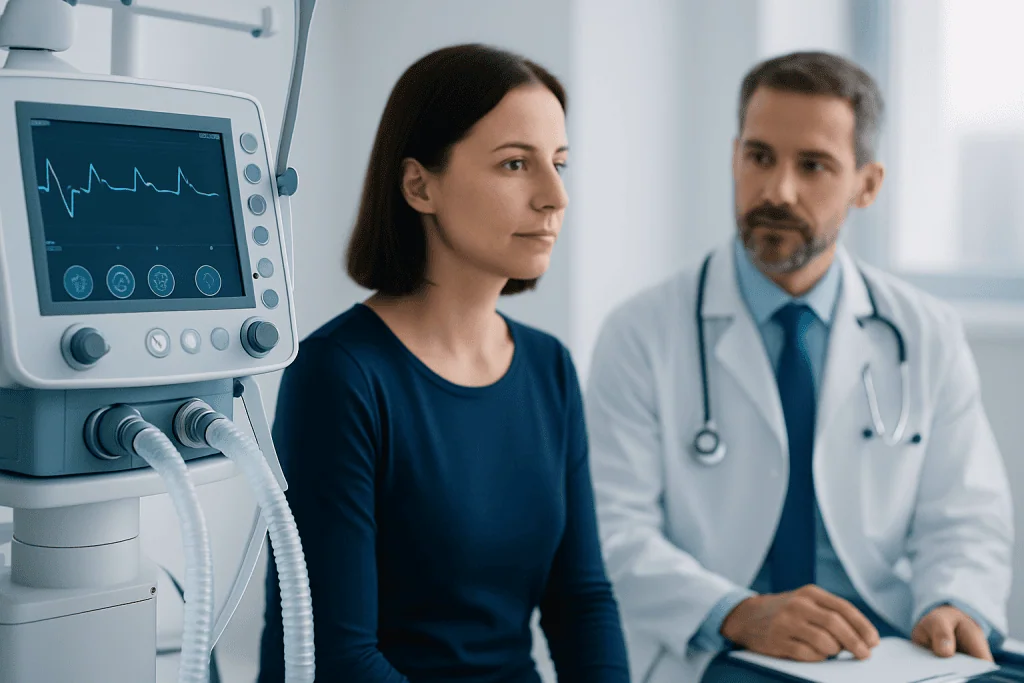
Current evidence shows that smoking causes cancer, but nicotine alone has not been established as the primary direct cause of cancer in humans. This is why experts often separate the addictive effect of nicotine from the carcinogenic effect of tobacco smoke. In everyday terms, nicotine is a major driver of dependence, while the smoke from burned tobacco is the main source of cancer-causing exposure.
Laboratory studies have suggested that nicotine may influence how cells grow, survive, and communicate. Some research has raised concerns that nicotine could potentially support tumor-related pathways, especially in people who already have abnormal or cancerous cells. These findings are important scientifically, but they do not mean nicotine acts like cigarette smoke in causing cancer on its own.
Evidence is much clearer for combustible tobacco. Cigarettes, cigars, and pipes expose tissues directly to carcinogens, and this repeated exposure greatly increases cancer risk over time. For people asking whether switching from smoking to medically supervised cessation aids is safer, the answer is generally yes. Reducing or eliminating exposure to tobacco smoke is one of the most effective ways to lower cancer risk.
It is also helpful to remember that cancer risk depends on the product, the amount used, the duration of use, and a person’s overall health. Someone who smokes heavily for years faces a very different risk profile from someone using short-term nicotine replacement therapy to quit. This is why individualized medical advice is important.
How Different Nicotine Products Compare

Not all nicotine products carry the same level of risk. Cigarettes are the most concerning because burning tobacco produces a mixture of toxic and cancer-causing chemicals that are inhaled deep into the lungs and absorbed into the bloodstream. This is the strongest and most established link between nicotine use and cancer.
E-cigarettes and vaping devices do not burn tobacco, so they may expose users to fewer carcinogens than traditional cigarettes. Still, they are not harmless. Aerosols can contain nicotine, ultrafine particles, heavy metals, volatile compounds, and other potentially harmful chemicals. The long-term cancer risk of vaping is still being studied, and uncertainty should not be mistaken for safety.
Smokeless tobacco products, such as chewing tobacco, snuff, or some oral nicotine products, also deserve caution. While they avoid smoke exposure, some contain cancer-causing chemicals and are linked to cancers of the mouth, throat, and pancreas. Nicotine pouches that do not contain tobacco may reduce exposure to some toxins, but they can still maintain addiction and are not recommended for non-users, young people, or pregnant individuals.
By contrast, nicotine replacement therapy such as patches, gum, lozenges, inhalers, or sprays is designed to help people quit smoking. These products deliver controlled doses of nicotine without exposing the body to the same levels of carcinogens found in cigarette smoke. For many adults trying to stop smoking, nicotine replacement is considered a much safer option than continued tobacco use.
Why Nicotine Still Matters for Overall Health
Even if nicotine is not the main cancer-causing agent in tobacco, it still affects the body in important ways. Nicotine can raise heart rate and blood pressure, constrict blood vessels, and contribute to dependence. For some people, especially those with cardiovascular disease or other chronic conditions, these effects may be medically significant.
Nicotine addiction also makes it harder to stop using harmful products. Repeated cravings, withdrawal symptoms, and behavioral habits can keep a person exposed to tobacco smoke for years. From a cancer prevention perspective, this is a key issue: the longer smoking continues, the greater the cumulative exposure to proven carcinogens.
There are also broader concerns for adolescents, pregnant people, and those with underlying illness. In younger individuals, nicotine may affect the developing brain. During pregnancy, nicotine exposure can harm fetal development. These issues go beyond cancer and reinforce why nicotine use should be addressed as a whole-health concern.
People who already have cancer often ask whether nicotine matters after diagnosis. Smoking during or after cancer treatment can interfere with healing, worsen lung and heart function, and increase the risk of complications or second cancers. For these patients, stopping smoking is especially important, and support from oncology care and smoking-cessation professionals can be valuable.
Symptoms, Warning Signs, and When to Suspect Harm
Nicotine itself does not produce a specific set of cancer symptoms. Instead, concern usually arises from long-term use of tobacco products or from symptoms that could point to a smoking-related disease. Persistent cough, coughing up blood, unexplained weight loss, a sore throat that does not improve, hoarseness, trouble swallowing, mouth sores that do not heal, or ongoing chest pain should all be medically evaluated.
People who use smokeless tobacco should also pay attention to white or red patches in the mouth, gum changes, loose teeth, jaw pain, or persistent irritation inside the cheek or lip. These signs do not always mean cancer, but they should not be ignored. Early evaluation can lead to earlier diagnosis and better outcomes if a serious condition is present.
Nicotine overuse or acute exposure can also cause non-cancer symptoms such as nausea, dizziness, headache, sweating, palpitations, or tremor. These are not signs of cancer, but they do indicate that the body is being affected by the substance. Anyone with severe symptoms, chest pain, confusion, or breathing difficulty should seek urgent medical care.
When cancer is a concern, doctors may investigate for conditions such as lung cancer or cancers affecting the mouth and throat, depending on symptoms and tobacco exposure history. Evaluation is especially important for current or former smokers, older adults, and anyone with persistent or unexplained symptoms.
Diagnosis and Risk Assessment
There is no single test that measures “nicotine cancer risk” by itself. Doctors assess risk by looking at the full picture, including smoking history, vaping or smokeless tobacco use, secondhand smoke exposure, occupational exposures, family history, age, and any current symptoms. The number of years a person has used tobacco and the amount used are often especially important.
If a patient has symptoms, the doctor may recommend a physical examination, blood tests, imaging, or referral to a specialist. Depending on the concern, this might include chest imaging, oral examination, endoscopy, or biopsy. In some cases, advanced evaluation may involve PET-CT imaging or other tests to clarify whether suspicious findings need further investigation.
For people at higher risk, screening may be discussed. For example, certain current or former heavy smokers may qualify for low-dose CT screening for lung cancer. Screening is different from diagnosis: it is used to look for disease before symptoms appear in people who meet specific risk criteria.
If abnormalities are found, additional testing may be needed to confirm the diagnosis and guide treatment planning. A multidisciplinary team may include primary care doctors, pulmonologists, ENT specialists, radiologists, pathologists, and cancer specialists. This coordinated approach can help ensure accurate diagnosis and clear next steps.
Treatment Options and Quitting Support
The most important treatment step for reducing tobacco-related cancer risk is stopping smoking or other tobacco use. Quitting can be difficult, but effective help is available. Treatment often combines counseling with medication support, because both the physical addiction and the daily habit pattern need attention.
Nicotine replacement therapy may include patches, gum, lozenges, inhalers, or nasal sprays. These products can reduce withdrawal symptoms and cravings, making it easier to stop smoking. They are generally considered far safer than continuing to smoke because they avoid the high levels of carcinogenic compounds produced by burning tobacco.
Doctors may also prescribe non-nicotine medications to support smoking cessation when appropriate. Behavioral support is equally important and may include one-to-one counseling, quitlines, digital tools, group programs, and practical strategies for avoiding triggers. A personalized plan often improves the chance of long-term success.
If cancer is diagnosed, treatment depends on the cancer type, stage, and the person’s overall health. Options may include chemotherapy, surgery, radiation therapy, targeted therapies, or immunotherapy. Near the end of the care pathway, some international patients may seek evaluation at Acibadem International, where multidisciplinary specialists in JCI-accredited hospitals diagnose and treat cancer conditions with coordinated care.
Prevention, Self-care, and When to See a Doctor
The best way to lower nicotine-related cancer risk is to avoid starting tobacco use and to stop smoking as early as possible. Benefits begin soon after quitting and continue over time. Even people who have smoked for many years can still gain meaningful health benefits by stopping now.
Helpful self-care steps include removing tobacco products from the home, identifying high-risk situations, asking family or friends for support, using quit aids correctly, and planning for cravings. It also helps to maintain regular medical checkups, follow recommended screening advice, and pay attention to any persistent symptoms involving the lungs, mouth, throat, or general health.
A doctor should be consulted if a person is struggling to quit, uses tobacco daily, notices withdrawal symptoms that interfere with daily life, or has signs that could suggest a tobacco-related disease. Medical advice is especially important during pregnancy, after a cancer diagnosis, or when heart or lung disease is present. Professional support can make quitting safer and more manageable.
Anyone with alarming symptoms such as coughing up blood, severe chest pain, new breathing trouble, unexplained weight loss, or a mouth lesion that does not heal should seek prompt assessment. While these symptoms do not always mean cancer, early evaluation is the safest approach and can bring reassurance or timely treatment if needed.
Frequently asked questions
Does nicotine cause cancer by itself?
Nicotine is not considered the main cancer-causing substance in tobacco products. The strongest evidence shows that many other chemicals in tobacco smoke are the primary causes of smoking-related cancers. Still, nicotine is important because it drives addiction and can keep people exposed to those carcinogens.
Is vaping nicotine safer than smoking cigarettes?
Vaping usually exposes users to fewer toxic combustion products than smoking cigarettes, but it is not risk-free. E-cigarette aerosol can still contain harmful chemicals, and the long-term cancer effects are still being studied. For health protection, complete cessation is preferable to ongoing nicotine use.
Is nicotine replacement therapy safe for people trying to quit?
For most adults, nicotine replacement therapy is much safer than continuing to smoke. It provides nicotine without the same level of cancer-causing chemicals found in cigarette smoke. A doctor or pharmacist can help choose the most suitable option and explain how to use it correctly.
Can quitting smoking still help if someone has smoked for many years?
Yes. Quitting at any stage can reduce future health risks and improve overall well-being. It may also improve heart and lung function, lower the risk of several smoking-related diseases, and support better outcomes if cancer treatment is ever needed.
Do smokeless tobacco products reduce cancer risk?
They may avoid smoke exposure, but they are not safe substitutes. Many smokeless tobacco products still contain cancer-causing chemicals and are linked to cancers of the mouth, throat, and pancreas. Reducing harm is not the same as eliminating risk.
When should a person see a doctor about possible tobacco-related cancer?
A doctor should be seen for persistent cough, hoarseness, trouble swallowing, unexplained weight loss, mouth sores that do not heal, or coughing up blood. These symptoms do not always mean cancer, but they deserve medical evaluation. People with a significant smoking history should also ask whether they qualify for lung cancer screening.
References
- World Health Organization
- U.S. Centers for Disease Control and Prevention
- National Cancer Institute
- International Agency for Research on Cancer
- American Cancer Society
This article is for general information only and is not a substitute for professional medical advice. Please consult a qualified doctor about your individual situation.
Oncology care in Turkey — second opinion and treatment plan
JCI-accredited · board-certified surgeons · reply within 24h
Add us as a Preferred Source to see more of our trusted health content across Google Search, AI Overviews and Discover.
Check your numbers in seconds
BMI, calories, due date, blood pressure and 30+ more clinical calculators — free, instant, doctor-reviewed ranges.

More from the Health Library



Related Specialists

Assoc. Prof. Dr. Betül Mazlum
Pediatric & Adolescent Psychiatry
Dr. Erdoğan Süleyman
Radiology
Prof. Dr. Aziz Sümer
General Surgery
Dr. Özgün Barış Çolak
Physical Medicine & Rehabilitation