Normal Bilirubin by Age: Charts, Ranges, and What Your Numbers Mean

Newborn bilirubin ranges are different from those of older children and adults. For most older children and adults, total bilirubin is commonly about 0.1 to 1.2 mg/dL, though lab ranges can vary.
Key Takeaways
- Newborn bilirubin ranges are different from those of older children and adults.
- For most older children and adults, total bilirubin is commonly about 0.1 to 1.2 mg/dL, though lab ranges can vary.
- A bilirubin result should be interpreted together with direct and indirect bilirubin, liver enzymes, and symptoms such as jaundice.
- Temporary shifts can happen with fasting, dehydration, illness, some medicines, and inherited conditions such as Gilbert syndrome.
- Medical advice is important for newborn jaundice, persistent yellowing of the skin or eyes, dark urine, pale stools, or abdominal pain.
Normal bilirubin by age is highest and most variable in newborns, then generally settles into a much narrower range through childhood and adulthood. A bilirubin result is best interpreted by age, symptoms, the type of bilirubin measured, and other liver or blood test findings.
Normal bilirubin by age: quick reference chart
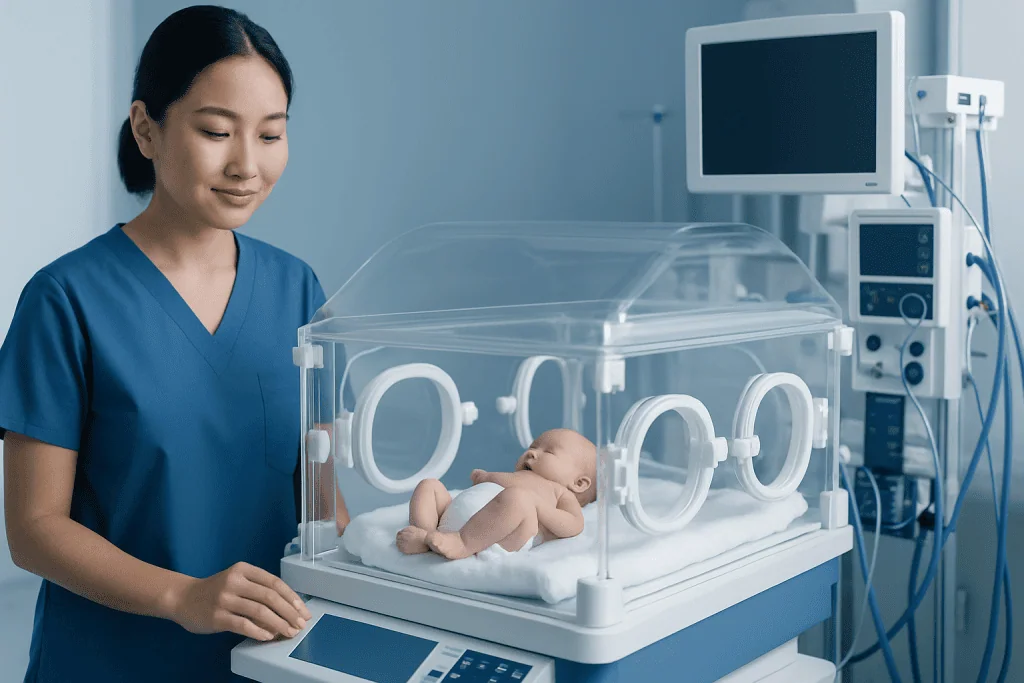
Normal bilirubin by age differs most in the newborn period. In healthy full-term babies, bilirubin naturally rises after birth because the body is replacing fetal red blood cells and the liver is still maturing. After infancy, bilirubin levels usually fall into a much narrower range and remain fairly stable through childhood and adulthood.
The table below gives a practical reference for total bilirubin. Exact ranges vary by laboratory, the baby’s age in hours or days, whether the infant was born early, and whether total, direct, or indirect bilirubin is being measured. Results should always be read with the laboratory’s own reference interval and a clinician’s advice.
- Newborns, first 24 hours: bilirubin should be interpreted carefully because even modest early rises may need prompt assessment.
- Newborns, 1 to 7 days: bilirubin commonly rises and then falls; acceptable values depend on age in hours and other risk factors rather than one single “normal” number.
- Infants after the newborn period: values generally move toward the same range used for older children.
- Children: total bilirubin is commonly about 0.1 to 1.2 mg/dL.
- Adults: total bilirubin is commonly about 0.1 to 1.2 mg/dL.
- Older adults, 65+: there is usually no separate standard range; interpretation depends more on overall health, liver function, medicines, and hydration.
Because newborn interpretation is based on age in hours and risk profile, clinicians often use structured jaundice guidance rather than a simple chart. If a bilirubin test is being reviewed because of yellow eyes or skin, it is often considered alongside tests related to liver disease such as liver conditions and bile duct problems, depending on the person’s age and symptoms.
What bilirubin is and why age matters
Bilirubin is a yellow pigment made when the body breaks down old red blood cells. The liver processes bilirubin so it can leave the body in bile and stool. Small amounts in the blood are normal, but higher levels can lead to jaundice, a yellow color of the skin and the whites of the eyes.
Age matters because bilirubin handling changes over time. Newborns produce more bilirubin and clear it less efficiently during the first days of life. In contrast, older children and adults usually have mature liver function, so the normal range is lower and more consistent.
It also helps to know that bilirubin is measured in different forms. Total bilirubin is the overall amount. Direct or conjugated bilirubin has been processed by the liver, while indirect or unconjugated bilirubin has not. This pattern can help doctors understand whether the issue is more likely related to red blood cell breakdown, liver processing, or bile flow.
A single bilirubin number rarely tells the full story on its own. The result becomes much more meaningful when it is reviewed alongside symptoms, medical history, physical examination, and other laboratory values such as ALT, AST, alkaline phosphatase, albumin, and complete blood count.
How to interpret bilirubin by age bracket

Newborns: this is the age group in which bilirubin interpretation is most specialized. Mild jaundice is common in the first week of life, but some babies need close monitoring or treatment. The timing of jaundice matters: jaundice appearing in the first 24 hours, rapidly rising levels, poor feeding, excessive sleepiness, or jaundice lasting longer than expected all deserve medical assessment.
Infants and children: after the newborn period, bilirubin levels are usually low. If a child has jaundice or an unexpectedly high bilirubin result, doctors may look for infection, liver inflammation, inherited conditions, or increased breakdown of red blood cells. Depending on the pattern, related reading may include hepatitis and other pediatric liver concerns.
Adults: in adults, a mildly elevated bilirubin can sometimes occur with fasting, dehydration, strenuous exercise, or a common inherited trait called Gilbert syndrome. Higher values, especially when paired with dark urine, pale stools, itching, abdominal pain, fever, or abnormal liver enzymes, may suggest liver disease, gallbladder disease, bile duct obstruction, or blood-related causes.
Adults 65 and older: older adults do not usually have a different “normal bilirubin” range, but interpretation may be affected by multiple medicines, chronic illness, reduced appetite, weight loss, or dehydration. In this age group, doctors often pay careful attention to the whole clinical picture rather than the bilirubin number alone.
What can shift bilirubin levels
Several factors can raise or occasionally lower bilirubin results without meaning the same thing in every person. Dehydration and fasting can concentrate the blood or bring out mild bilirubin elevations, especially in people with Gilbert syndrome. Recent illness, vigorous exercise, and some medicines may also affect the result.
Liver and bile flow problems are another major group of causes. Inflammation of the liver, fatty liver disease, gallstones, or blockage of the bile ducts can change bilirubin levels, particularly direct bilirubin. When doctors suspect bile flow problems, evaluation may include blood tests and imaging, and in selected cases procedures used in ERCP or MRCP may help clarify the cause.
Blood-related causes can increase indirect bilirubin. Examples include faster-than-normal red blood cell breakdown, bruising after injury, or inherited conditions affecting red blood cells. If bilirubin is elevated, doctors may order a complete blood count, reticulocyte count, or other tests to look for hemolysis.
Laboratory context matters too. Reference intervals vary slightly from one laboratory to another, and values may be reported in mg/dL or µmol/L. For that reason, a result should not be judged against a chart from the internet alone; it should be compared with the exact lab range printed on the report.
How the bilirubin test is done and what doctors look at
A bilirubin test is usually done with a blood sample. In newborns, bilirubin can sometimes be screened through the skin with a transcutaneous device, followed by a blood test if needed. Adults and older children usually have blood testing for total bilirubin, and often direct bilirubin as well.
Doctors usually do not interpret bilirubin in isolation. They often review other liver tests, including ALT, AST, alkaline phosphatase, gamma-glutamyl transferase, albumin, and clotting markers. If anemia or red cell breakdown is a concern, they may add a complete blood count and related tests.
Imaging may be recommended if symptoms suggest a structural problem, such as gallstones or blockage. Common options include ultrasound, CT, or MRI, depending on the situation. These tests help determine whether bilirubin is elevated because the liver is inflamed, bile cannot drain well, or blood cells are breaking down too quickly.
Sometimes repeat testing is the most useful next step. A mildly abnormal value can return to normal after hydration, recovery from a viral illness, or stopping a temporary trigger. Persistently abnormal bilirubin, especially with symptoms or abnormal direct bilirubin, needs more formal evaluation by a qualified doctor.
What high or low bilirubin may mean
High bilirubin often points to one of three broad patterns: increased bilirubin production, reduced liver processing, or reduced bile drainage. Indirect bilirubin may rise with hemolysis or Gilbert syndrome, while direct bilirubin is more likely to rise when the liver is inflamed or bile flow is blocked. This distinction helps doctors choose the next tests.
A mildly elevated bilirubin level without symptoms can sometimes be harmless, especially if other liver tests are normal. Gilbert syndrome is a common example. People with this inherited trait may notice bilirubin fluctuates during stress, fasting, illness, or lack of sleep, but it usually does not cause liver damage.
Higher bilirubin with jaundice, dark urine, pale stools, itching, nausea, fever, or right upper abdominal pain is more concerning. In such cases, doctors may evaluate for hepatitis, gallstones, bile duct blockage, pancreatitis, or more complex liver and pancreatic disorders, including pancreatic disease when the clinical picture suggests it.
Low bilirubin is usually not considered clinically important on its own. In most cases, a low result does not need treatment and does not indicate disease. The main question is usually whether bilirubin is elevated and, if so, which pattern and symptoms are present.
Self-care, follow-up, and when to seek medical care
People who receive a mildly abnormal bilirubin result should avoid assuming the worst. Practical steps include staying well hydrated, avoiding prolonged fasting unless medically advised, reviewing medicines with a clinician, and attending any recommended follow-up testing. Alcohol intake and over-the-counter supplements should also be discussed if liver tests are abnormal.
Newborns need particular attention. Parents should contact a healthcare professional promptly if a baby’s skin or eyes look more yellow, feeding becomes poor, the baby is hard to wake, urine output is low, or jaundice appears very early or lasts longer than expected. Newborn jaundice should always be interpreted by a clinician familiar with age-in-hours guidance.
Older children and adults should seek medical care if jaundice appears, bilirubin stays elevated, or there are symptoms such as dark urine, pale stools, fever, vomiting, unexplained weight loss, severe tiredness, itching, or abdominal pain. Urgent medical review is important if jaundice is accompanied by confusion, bleeding, severe weakness, or signs of dehydration.
For people who need specialist assessment, Acibadem International’s multidisciplinary teams and JCI-accredited hospitals evaluate abnormal bilirubin results for international patients, including liver, gallbladder, pancreatic, and blood-related causes when appropriate.
Frequently asked questions
What is a normal bilirubin level for adults?
For many laboratories, normal total bilirubin in adults is about 0.1 to 1.2 mg/dL. Exact reference ranges can vary slightly, so the range printed on the lab report should be used for interpretation. Doctors also look at whether the direct or indirect portion is elevated.
Is normal bilirubin by age different for children and adults?
Yes, mainly in newborns. Newborn bilirubin values are interpreted differently because bilirubin naturally rises after birth and depends on age in hours, feeding, and whether the baby was born early. After infancy, most children and adults fall into a similar overall range.
Why can bilirubin be high if other liver tests are normal?
A mild isolated bilirubin elevation can happen with Gilbert syndrome, fasting, dehydration, illness, or strenuous exercise. In these cases, other liver enzymes may stay normal. A doctor may repeat the test or review the direct and indirect bilirubin pattern before deciding whether more testing is needed.
What symptoms can happen with high bilirubin?
The most recognizable sign is jaundice, which causes yellowing of the skin or the whites of the eyes. Some people also have dark urine, pale stools, itching, fatigue, nausea, or abdominal discomfort. However, mild elevations may cause no symptoms at all.
Can dehydration affect bilirubin results?
Yes, dehydration can sometimes make bilirubin appear mildly higher, especially in people who already tend to have fluctuating bilirubin. Rehydration and repeat testing may help clarify whether the change was temporary. This should still be reviewed in context with symptoms and other blood tests.
When should a newborn with jaundice be seen by a doctor?
A newborn should be assessed promptly if jaundice appears in the first 24 hours, seems to be increasing, or is accompanied by poor feeding, unusual sleepiness, fever, or fewer wet diapers. Jaundice that lasts longer than expected also needs medical review. Newborn bilirubin is time-sensitive and should not be judged by adult ranges.
References
- American Academy of Pediatrics
- National Institute of Diabetes and Digestive and Kidney Diseases
- MedlinePlus
- Mayo Clinic
- Merck Manual Consumer Version
This article is for general information only and is not a substitute for professional medical advice. Please consult a qualified doctor about your individual situation.
Explore treatments in Turkey — costs, top hospitals & a free quote
JCI-accredited · board-certified surgeons · reply within 24h
Add us as a Preferred Source to see more of our trusted health content across Google Search, AI Overviews and Discover.