Oculomotor Nerve: What Patients Need to Know
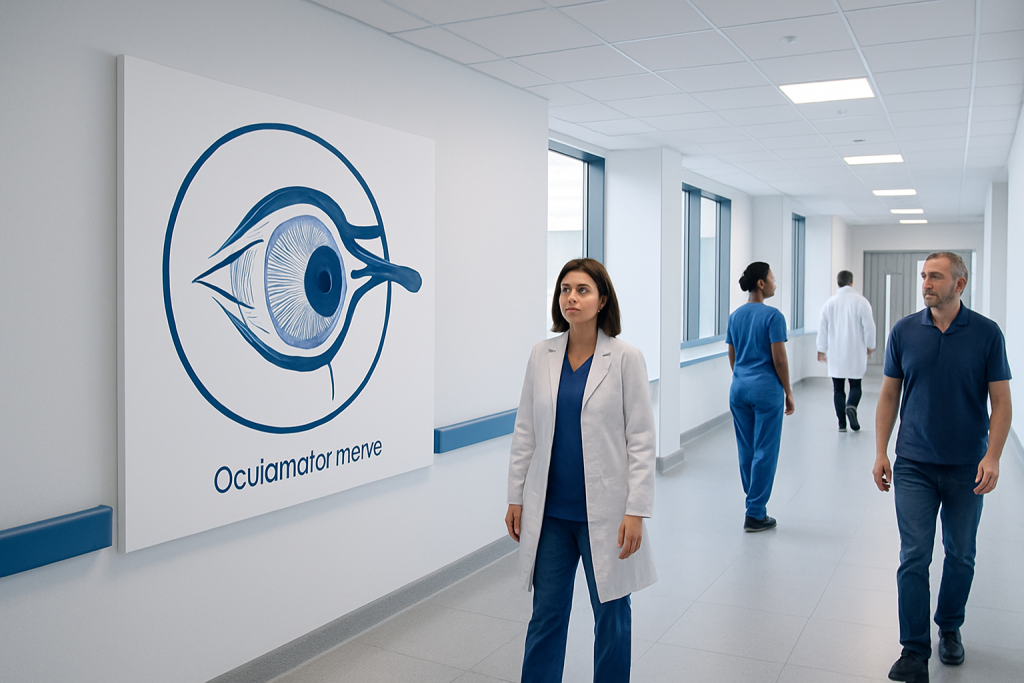
The oculomotor nerve controls most eye movements, eyelid lifting, and part of pupil function. Common signs of a problem include double vision, drooping of one eyelid, and the eye turning outward or downward.
Key Takeaways
- The oculomotor nerve controls most eye movements, eyelid lifting, and part of pupil function.
- Common signs of a problem include double vision, drooping of one eyelid, and the eye turning outward or downward.
- Oculomotor nerve dysfunction can have several causes, including diabetes, aneurysm, stroke, trauma, inflammation, or pressure from a mass.
- Sudden symptoms, especially with a severe headache or a larger pupil, need urgent medical evaluation.
- Diagnosis usually involves an eye and neurological exam, and may include imaging and blood tests.
- Treatment depends on the cause and may involve monitoring, medicines, managing risk factors, or specialist procedures.
The oculomotor nerve is the third cranial nerve. It helps control most eye movements, lifts the eyelid, and helps the pupil respond to light, so problems with it can cause double vision, a drooping eyelid, or changes in pupil size.
Overview: what the oculomotor nerve does
The oculomotor nerve, also called the third cranial nerve, is a key nerve that helps the eyes work together. It controls several of the muscles that move the eye, the muscle that lifts the upper eyelid, and part of the system that makes the pupil become smaller in bright light. Because it has several jobs, a problem with this nerve can affect vision, appearance of the eyelid, and the way the pupil reacts.
When the oculomotor nerve is not working properly, the affected eye may drift in an abnormal direction because some eye muscles still work while others do not. This can lead to double vision, difficulty focusing, and a noticeable difference between the two eyes. Some people also develop a droopy eyelid that partly or fully covers the eye.
Patients often hear the term “oculomotor nerve palsy” or “third nerve palsy.” This means the nerve is weak or not sending signals normally. The underlying reason can range from a temporary circulation problem to a condition that needs urgent treatment, which is why a careful medical assessment is important.
How a problem with the oculomotor nerve may feel or look
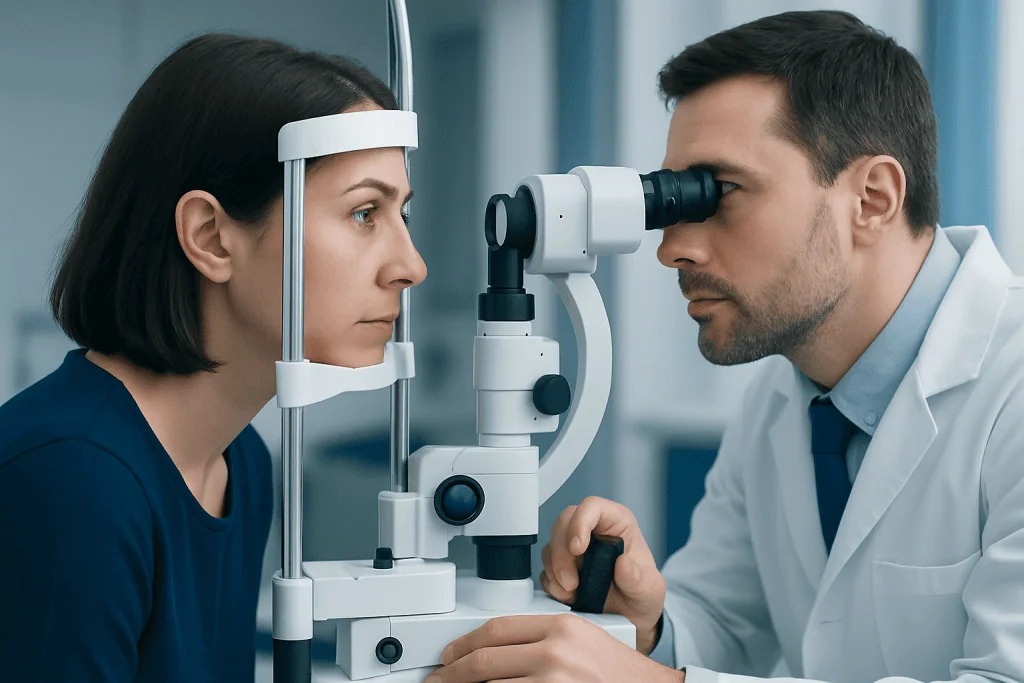
Symptoms depend on which parts of the nerve are affected and whether the problem is partial or complete. The most common complaint is double vision, especially when trying to look in certain directions. People may also notice that one eyelid droops, making the eye look smaller or harder to open.
The affected eye may rest in a “down and out” position because the muscles controlled by other nerves pull it in those directions. If the pupil fibers are involved, the pupil may be larger than usual and may not respond normally to light. Some people experience blurred vision or sensitivity to bright light because the pupil is not narrowing as it should.
Symptoms may appear suddenly or develop more gradually. In some cases, there may also be pain around the eye or forehead, especially if the cause involves pressure or irritation of the nerve. Not every case is painful, so even painless symptoms should be evaluated.
- Double vision
- Drooping of one eyelid
- Eye movement difficulty
- Eye turning outward or downward
- Unequal pupil size
- Blurred vision or trouble focusing
Causes and risk factors
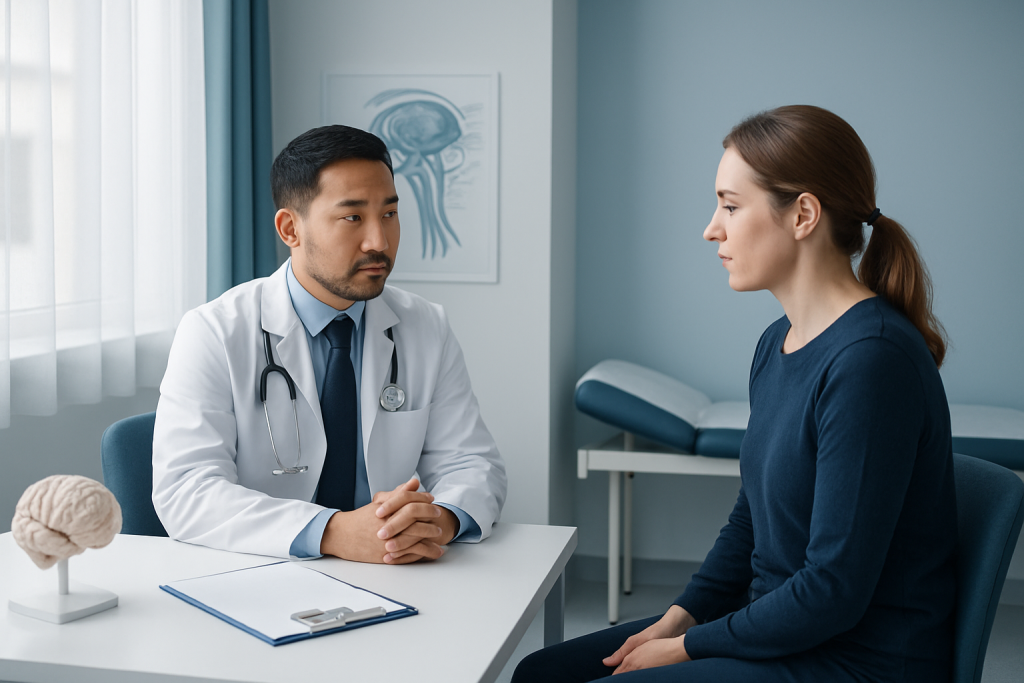
There is no single cause of oculomotor nerve dysfunction. In adults, one common reason is reduced blood flow to the nerve, often linked to diabetes, high blood pressure, or other vascular risk factors. These “microvascular” cases can cause sudden symptoms and may improve over time, but they still need professional evaluation to confirm the diagnosis and rule out more serious causes.
Other causes involve direct pressure on the nerve. An aneurysm, especially of a blood vessel near the nerve, is an important emergency cause because it can enlarge and press on the nerve fibers, often affecting the pupil. Stroke, head injury, inflammation, infection, tumors, and rare neurological conditions can also disrupt the nerve.
In children, congenital causes and birth-related factors may be considered, though acquired causes can also occur. Risk factors for adult-onset problems include older age, diabetes, high blood pressure, high cholesterol, smoking, and a history of vascular disease. In some patients, the cause is only found after imaging and a full neurological and eye assessment.
Because third nerve symptoms can overlap with other conditions affecting eye movement, doctors may also consider related neurological problems such as brain tumors or vascular events like stroke when deciding on urgent tests.
How doctors diagnose oculomotor nerve problems
Diagnosis starts with a detailed history and physical examination. A doctor will ask when symptoms began, whether they came on suddenly, whether there is pain or headache, and whether the person has diabetes, high blood pressure, recent trauma, or other medical conditions. The pattern of symptoms often gives important clues about the likely cause.
The examination usually includes checking eye movements in different directions, eyelid position, pupil size, and how the pupils respond to light. Vision, alignment of the eyes, and other cranial nerves are also assessed. This helps the clinician confirm whether the oculomotor nerve is involved and whether the problem may be in the nerve itself or elsewhere in the brain, orbit, or blood vessels.
Imaging is often an important next step. Depending on the findings, doctors may request urgent brain imaging, vascular imaging, or both to look for an aneurysm, bleeding, stroke, inflammation, or a mass. In selected cases, blood tests may help identify diabetes, infection, autoimmune disease, or other contributing factors. If a vascular cause is suspected, advanced imaging such as MR angiography may be used to examine blood vessels in detail.
Treatment options and recovery
Treatment for an oculomotor nerve problem depends entirely on the cause. If an aneurysm, stroke, significant compression, or another urgent neurological condition is found, care focuses first on treating that underlying problem. If the cause is related to diabetes or another small-vessel circulation issue, management usually includes control of blood sugar, blood pressure, and other vascular risk factors, along with follow-up examinations.
Symptom relief is also part of treatment. Temporary measures such as an eye patch or a prism in glasses may help with double vision in selected patients. If the eyelid is very droopy, vision may be partly blocked until the nerve begins to recover. Some patients improve gradually over weeks to months, while others need longer-term support from neurology, ophthalmology, or neuro-ophthalmology specialists.
When imaging shows a structural cause, treatment may involve procedures tailored to the diagnosis. For example, pressure from certain brain lesions may require brain tumor surgery, while a dangerous vascular cause may be assessed through specialists experienced in endovascular treatment. Care plans are individualized, and recovery depends on both the cause and how quickly treatment begins.
Near the end of evaluation and treatment planning, some international patients may choose care in centers with coordinated neurological and ophthalmic expertise. Acibadem International’s multidisciplinary specialists and JCI-accredited hospitals diagnose and treat conditions affecting the oculomotor nerve for international patients.
Daily coping, prevention, and self-care
There is no single way to prevent all oculomotor nerve disorders because causes vary widely. However, reducing vascular risk can lower the chance of some nerve problems. This includes managing diabetes, blood pressure, and cholesterol, not smoking, and attending routine medical follow-up.
For those already experiencing symptoms, daily adjustments can make activities safer and more comfortable. Double vision may affect reading, walking, driving, and using stairs. Until a doctor advises otherwise, it is wise to avoid driving or operating machinery if vision is unstable or two images are seen.
Self-care should focus on safety and medical follow-up rather than home treatment. Resting the eyes, using any prescribed prism or patch correctly, and keeping follow-up appointments are practical steps. Patients should not ignore new pain, a worsening headache, or increasing eyelid droop, especially if symptoms change quickly.
- Keep blood sugar and blood pressure well controlled if advised by a doctor
- Avoid driving if double vision is present
- Use prescribed visual aids exactly as directed
- Report worsening symptoms promptly
- Attend follow-up visits to monitor recovery
When to seek medical care
Any new drooping eyelid, sudden double vision, or change in pupil size should be assessed by a qualified doctor. These symptoms do not always mean an emergency, but they can sometimes signal a serious problem involving the brain or blood vessels. Early assessment helps identify which cases need urgent treatment and which can be monitored more conservatively.
Urgent medical care is especially important if symptoms begin suddenly, are associated with a severe headache, follow a head injury, or come with weakness, trouble speaking, confusion, severe eye pain, or a noticeably enlarged pupil. These features may point to conditions that need immediate imaging and specialist care. In emergency settings, doctors may also use MRI or other imaging tests to identify the cause quickly.
If symptoms are mild or painless, evaluation is still recommended because the underlying cause cannot be determined by symptoms alone. A prompt medical visit offers reassurance, helps guide treatment, and reduces the risk of missing an important diagnosis.
Frequently asked questions
What is the oculomotor nerve?
The oculomotor nerve is the third cranial nerve. It controls most eye movements, lifts the upper eyelid, and helps the pupil get smaller in bright light.
What are the main symptoms of an oculomotor nerve problem?
Common symptoms include double vision, a drooping eyelid, and difficulty moving one eye normally. Some people also notice that one pupil is larger than the other or that bright light feels uncomfortable.
Is oculomotor nerve palsy an emergency?
It can be. Sudden symptoms, especially with a severe headache, head injury, or an enlarged pupil, need urgent medical evaluation because they can be linked to serious causes such as an aneurysm or stroke.
Can diabetes affect the oculomotor nerve?
Yes. Diabetes can contribute to small-vessel circulation problems that reduce blood flow to the nerve, which is one recognized cause of third nerve palsy. Even so, a doctor still needs to rule out other causes.
How is an oculomotor nerve disorder diagnosed?
Doctors usually diagnose it with a medical history, an eye and neurological examination, and imaging when needed. Blood tests may also be used to look for diabetes, inflammation, infection, or other underlying conditions.
Can the oculomotor nerve recover?
Recovery is possible in many cases, but it depends on the underlying cause. Some microvascular cases improve over weeks to months, while others may need longer-term treatment or specialist procedures.
References
- National Eye Institute
- National Institute of Neurological Disorders and Stroke
- American Academy of Ophthalmology
- Mayo Clinic
- Merck Manual Professional Edition
This article is for general information only and is not a substitute for professional medical advice. Please consult a qualified doctor about your individual situation.
Explore treatments in Turkey — costs, top hospitals & a free quote
JCI-accredited · board-certified surgeons · reply within 24h
Add us as a Preferred Source to see more of our trusted health content across Google Search, AI Overviews and Discover.
Check your numbers in seconds
BMI, calories, due date, blood pressure and 30+ more clinical calculators — free, instant, doctor-reviewed ranges.

More from the Health Library

Tremfya Dosing: What Patients Need to Know

Chlamydia Tes: What Patients Need to Know

Sunflower Kernels: What Patients Need to Know
Circumvallate Papillae — Explained by Medical Evidence, Not Myths

Bed Bug Bites: What Patients Need to Know