Often Urinate: Procedure, Recovery and Results

Frequent urination is a symptom, not a diagnosis, and the underlying cause guides treatment. A bladder diary and urine testing are often useful first steps in evaluation.
Key Takeaways
- Frequent urination is a symptom, not a diagnosis, and the underlying cause guides treatment.
- A bladder diary and urine testing are often useful first steps in evaluation.
- Burning, fever, blood in urine, severe pain or inability to urinate require prompt medical attention.
- Treatment may include lifestyle changes, pelvic floor therapy, medicines or procedures, depending on the cause.
- Recovery after testing or treatment varies, but many causes can be managed effectively with an individualized plan.
To often urinate means needing to pass urine more frequently than is usual for that person, sometimes with small amounts each time. It may be related to fluid intake or medicines, but it can also signal a urinary, metabolic, pelvic or prostate condition that deserves assessment.
Overview: what it means to often urinate
To often urinate, also called urinary frequency, means passing urine more times than is typical for a person’s usual routine. There is no single number that defines the symptom for everyone: fluid intake, age, work patterns, pregnancy and medication use all influence how often someone needs the bathroom. A sudden change, repeated nighttime waking to urinate, or frequent urges that interfere with daily life are often more important than a specific number of trips.
Urinary frequency is different from producing a large total volume of urine. Someone may urinate frequently in small amounts because the bladder feels urgent or irritated. In contrast, large amounts of urine each time may occur after high fluid intake, with certain medicines, or when the body is affected by conditions such as diabetes. Both patterns are worth discussing with a clinician when they are persistent or new.
Many causes are temporary and treatable. A careful assessment can distinguish between bladder symptoms, infection, changes in blood sugar, prostate enlargement, pregnancy-related pressure on the bladder, and other explanations. The goal is to identify the cause while protecting bladder, kidney and overall health.
How frequent urination may feel
Frequent urination can develop gradually or begin suddenly. Some people notice a strong, difficult-to-delay urge, while others simply need to visit the bathroom more often. The symptom may occur in daytime, at night, or both. Waking from sleep to urinate is known as nocturia and can disrupt rest, concentration and quality of life.
Associated symptoms provide important clues. Burning or stinging when passing urine, cloudy or foul-smelling urine, pelvic discomfort and a sudden urge can occur with a urinary tract infection. Difficulty starting the urine stream, a weak stream, dribbling or a feeling that the bladder does not empty may suggest an obstruction or prostate-related problem in some men.
Other features may point beyond the urinary tract. Increased thirst, unexplained tiredness or weight changes can accompany high blood glucose. Leakage with coughing, exercise or urgency may occur with pelvic floor or bladder control problems. A symptom diary that records drinks, toilet visits, urgency, leakage and nighttime episodes can help make these patterns clearer.
Common causes and contributing factors

Drinking more fluids than usual, especially coffee, tea, energy drinks or alcohol, can temporarily increase urine production and irritate the bladder in some people. Diuretic medicines, sometimes called water tablets, are designed to increase urine output. Timing of these medicines should not be changed without advice from the prescribing clinician.
Urinary tract infections are a common cause of sudden frequency, particularly when there is pain or burning. Urinary tract infections can affect the bladder and may require testing and prescribed treatment. Bladder stones, irritation, and overactive bladder syndrome can also create urgency and frequent small voids.
Metabolic conditions, especially diabetes mellitus, may cause the kidneys to pass more glucose and water into the urine, leading to increased thirst and larger urine volumes. Diabetes insipidus is a much less common cause of unusually high urine output. In men, an enlarged prostate may narrow the urine outlet and cause frequent trips, particularly at night. Pregnancy, menopause-related tissue changes and pelvic organ prolapse may contribute in women.
Constipation can put pressure on the bladder and worsen urgency or frequency. Anxiety may heighten awareness of bladder sensations, but persistent urinary symptoms should not automatically be attributed to stress. Less commonly, neurological conditions, kidney disease or bladder cancer may contribute, particularly when other warning signs are present.
Assessment and diagnostic tests
A clinician will usually start by asking when the symptom began, how much urine is passed, whether there is pain, urgency, leakage or nighttime waking, and which medicines and drinks are involved. Medical history may include diabetes, neurological conditions, previous urinary infections, pregnancy history, prostate symptoms and past pelvic surgery. A physical examination may include abdominal, pelvic, prostate or neurological assessment when appropriate.
A urine sample is commonly checked for signs of infection, blood, glucose or protein. If infection is suspected, a urine culture can identify the responsible bacteria and help guide antibiotic selection. Blood tests may assess glucose levels, kidney function and other relevant factors. Pregnancy testing may be appropriate for people who could be pregnant.
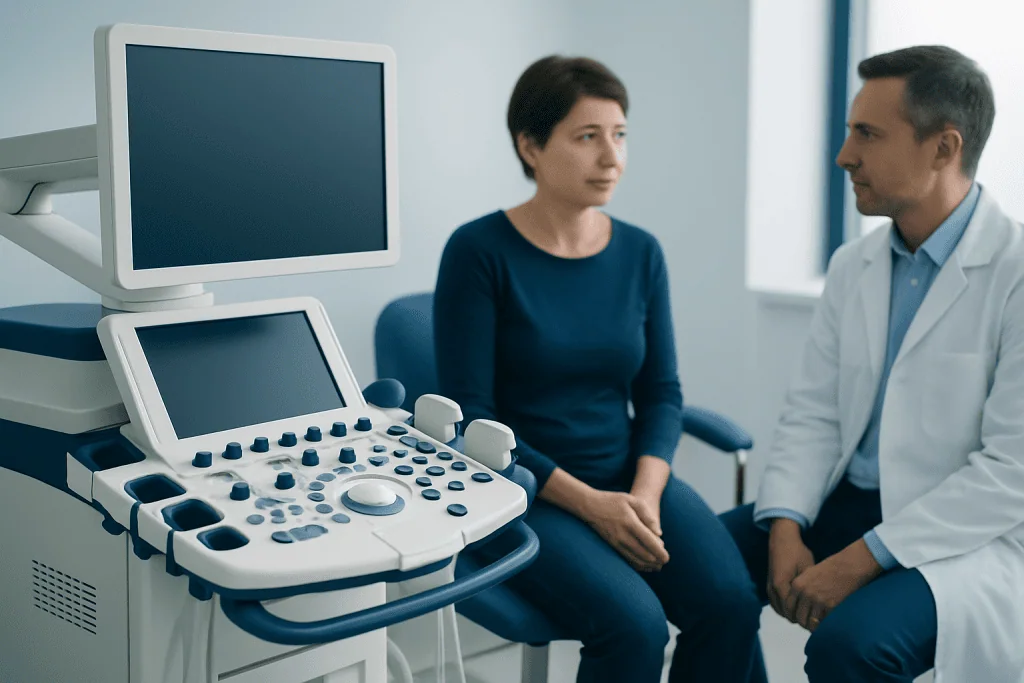
A bladder diary kept for several days is a practical and valuable tool. It records fluid intake, voiding times and approximate volumes, urgency, leakage, and nighttime symptoms. Depending on findings, clinicians may use ultrasound to assess the bladder and kidneys, measure urine left after voiding, or arrange specialist tests such as cystoscopy or urodynamic studies. These procedures are selected only when they are likely to clarify the diagnosis or guide treatment.
Treatment options, procedures and expected recovery
Treatment for someone who often urinates depends on the cause rather than the symptom alone. A simple change, such as adjusting caffeine or evening fluid intake, may be enough in some cases. A confirmed urinary tract infection may be treated with an appropriate prescribed antibiotic. Good follow-up is important if symptoms do not improve, recur often, or if testing shows blood in the urine.
For overactive bladder, a treatment plan may include bladder training, pelvic floor muscle therapy and medicines that reduce urgency. Pelvic floor physiotherapy can help people learn to coordinate and strengthen these muscles. In selected cases that do not respond adequately to conservative care and medication, specialists may discuss bladder Botox treatment or other targeted therapies.
When enlarged prostate tissue is contributing to symptoms, medication may improve urine flow and reduce bladder outlet obstruction. Some people may benefit from a prostate procedure if symptoms are severe, complications occur, or medicine is not suitable. Treatment can also involve support for diabetes when elevated blood glucose is contributing to excessive urine production.
Recovery varies with the intervention. Urine and blood tests usually need no recovery time. After cystoscopy or other bladder procedures, mild temporary burning or more frequent urination can occur, and the care team will provide specific aftercare instructions. Most people can continue usual activities after noninvasive evaluation, while recovery after surgery depends on the procedure and individual health.
Self-care while waiting for assessment
It is helpful to maintain steady, sensible hydration rather than sharply restricting fluids. Very concentrated urine can irritate the bladder and increase the risk of dehydration, while excessive drinking may increase frequency. Reducing caffeine, alcohol, carbonated drinks and very acidic drinks for a short trial may help some people identify personal triggers.
A bladder diary can be started before an appointment. It should note the time and type of drinks, approximate amounts, each toilet visit, urgency, leakage and nighttime awakenings. Bringing a complete medication and supplement list is also important, including diuretics, diabetes medicines and non-prescription products.
Regular bowel habits, physical activity and gradual weight management where appropriate may reduce pressure on the bladder. Pelvic floor exercises can be useful for some people, but correct technique matters; a clinician or pelvic health physiotherapist can give individualized guidance. It is best not to start antibiotics left over from a previous illness or borrowed from another person, as the wrong medicine can delay accurate diagnosis.
When to seek medical care
Medical assessment is advisable when frequent urination is new, lasts more than a few days without a clear explanation, repeatedly disturbs sleep, or affects work, travel or daily activities. It is especially important for people with diabetes, kidney disease, pregnancy, a weakened immune system, or a history of urinary problems to seek timely advice.
Urgent medical care is needed for fever or chills with urinary symptoms, pain in the side or back, vomiting, visible blood in the urine, severe lower abdominal pain, confusion, or inability to pass urine. These symptoms can indicate an infection involving the kidneys, urinary retention or another problem requiring prompt evaluation.
Acibadem International’s multidisciplinary specialists and JCI-accredited hospitals can assess urinary symptoms and coordinate care for international patients when needed. A qualified doctor can determine whether frequent urination is linked to a temporary trigger or requires further urinary, metabolic or pelvic health evaluation.
Frequently asked questions
How often is too often to urinate?
There is no single number that is abnormal for every person, because fluid intake, age, medications and daily routines differ. A noticeable increase from the usual pattern, repeated nighttime waking, urgency, or symptoms that disrupt daily life are good reasons to speak with a clinician.
Can drinking more water cause frequent urination?
Yes. Larger fluid intake naturally increases urine output, especially when drinks are consumed quickly or late in the day. However, persistent excessive thirst and large urine volumes should be assessed, particularly if they occur with fatigue, weight changes or a personal history of diabetes.
Is frequent urination always a urinary tract infection?
No. Urinary tract infection is one possible cause, particularly with burning, urgency, pelvic discomfort or cloudy urine. Caffeine, diuretics, diabetes, overactive bladder, pregnancy, prostate enlargement and other conditions can also cause urinary frequency.
Why do I often urinate at night?
Nighttime urination may be related to evening fluid intake, alcohol, caffeine, medicines, sleep disruption, bladder conditions, enlarged prostate, swelling in the legs or medical conditions that increase urine production. A bladder diary and clinical assessment can help identify the likely cause.
Can frequent urination go away on its own?
It can improve when it is caused by a short-term factor such as increased caffeine intake, temporary bladder irritation or a change in routine. Symptoms that persist, recur, or occur with pain, fever, blood in the urine or difficulty passing urine should be medically evaluated.
What tests are used for frequent urination?
Initial assessment commonly includes a medical history, physical examination, urine testing and sometimes blood tests. Depending on the symptoms, a clinician may also recommend a bladder diary, ultrasound, measurement of urine remaining after voiding, cystoscopy or specialist bladder function testing.
References
- National Institute of Diabetes and Digestive and Kidney Diseases
- National Health Service
- Mayo Clinic
- American Urological Association
- European Association of Urology
This article is for general information only and is not a substitute for professional medical advice. Please consult a qualified doctor about your individual situation.
Explore treatments in Turkey — costs, top hospitals & a free quote
JCI-accredited · board-certified surgeons · reply within 24h
Add us as a Preferred Source to see more of our trusted health content across Google Search, AI Overviews and Discover.