Oncology Care in Turkey: What International Patients Should Know

Oncology care in Turkey commonly includes medical oncology, surgical oncology, radiation oncology, imaging, pathology, and supportive care in one system. International patients benefit from sending medical records in advance so doctors can review diagnosis, stage, and treatment options before travel.
Key Takeaways
- Oncology care in Turkey commonly includes medical oncology, surgical oncology, radiation oncology, imaging, pathology, and supportive care in one system.
- International patients benefit from sending medical records in advance so doctors can review diagnosis, stage, and treatment options before travel.
- Choosing an accredited hospital, confirming the care team’s expertise, and asking about follow-up planning are important steps.
- Cancer treatment abroad may involve surgery, chemotherapy, radiotherapy, targeted therapy, immunotherapy, or a combination, depending on the cancer type and stage.
- Travel timing, language support, visa needs, accommodation, and recovery arrangements should be planned carefully before treatment begins.
Oncology care in Turkey can provide comprehensive cancer diagnosis and treatment for international patients, often within multidisciplinary hospital systems. Understanding how evaluation, travel planning, treatment choices, costs, and follow-up work can help patients make informed decisions with their local and overseas medical teams.
Overview
Oncology care in Turkey refers to the diagnosis, treatment, and follow-up of cancer within hospitals and cancer centers that serve both local and international patients. Care may include imaging, laboratory testing, pathology review, surgery, chemotherapy, radiation therapy, and supportive services such as pain control, nutrition, and rehabilitation. For many patients, one of the main advantages is the ability to receive several parts of care within a coordinated hospital network.
Cancer treatment is rarely based on a single test or one specialist’s opinion. Instead, most patients need a staged process: confirming the diagnosis, determining the exact type and extent of cancer, discussing available therapies, and then choosing a treatment plan that matches medical needs and personal priorities. In Turkey, many larger hospitals use a multidisciplinary approach, bringing together oncologists, surgeons, radiologists, pathologists, and other specialists to review each case.
International patients often explore treatment abroad for access, timing, specialist expertise, or logistical reasons. Even so, the decision should be made carefully. A patient should understand not only the treatment itself but also how pre-travel review, on-site testing, recovery, and post-treatment follow-up will be handled once they return home.
What Services International Patients Can Expect
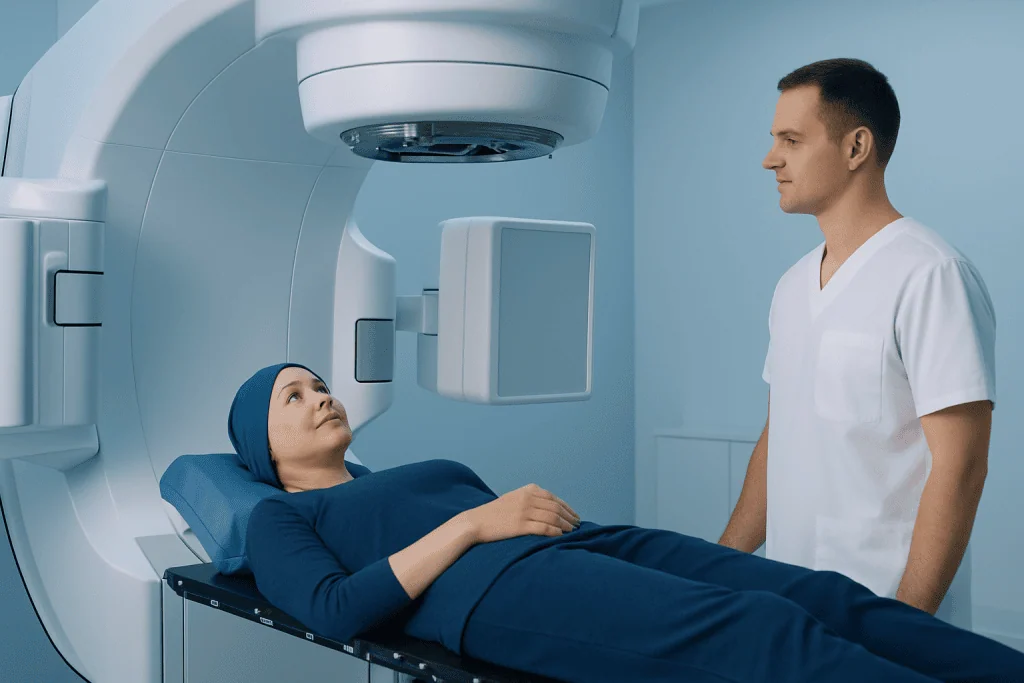
Cancer care is usually organized around the patient’s diagnosis and stage. Some people travel after a recent diagnosis and need a full evaluation. Others already know their cancer type and are seeking a second opinion or a specific treatment. Hospitals that care for international patients often begin with remote review of scans, pathology reports, blood tests, and previous treatment summaries. This helps the team decide what can be confirmed before travel and what may need to be repeated on arrival.
Core oncology services may include:
- Medical oncology for systemic treatments such as chemotherapy, targeted therapy, hormone therapy, and immunotherapy
- Surgical oncology for tumor removal when appropriate
- Radiation oncology for external beam radiotherapy or related techniques
- Diagnostic imaging such as CT, MRI, PET-CT, ultrasound, and mammography when needed
- Pathology and molecular testing to confirm the exact cancer subtype
- Supportive care including symptom management, nutrition, psychology, and rehabilitation
Depending on the diagnosis, a hospital may recommend procedures such as chemotherapy, radiotherapy, or oncological surgery. Some patients may also need a focused review in disease-specific units, such as for breast cancer or lung cancer. The exact plan depends on the tumor type, stage, overall health, and prior treatments.
How Evaluation and Diagnosis Work Before and After Travel
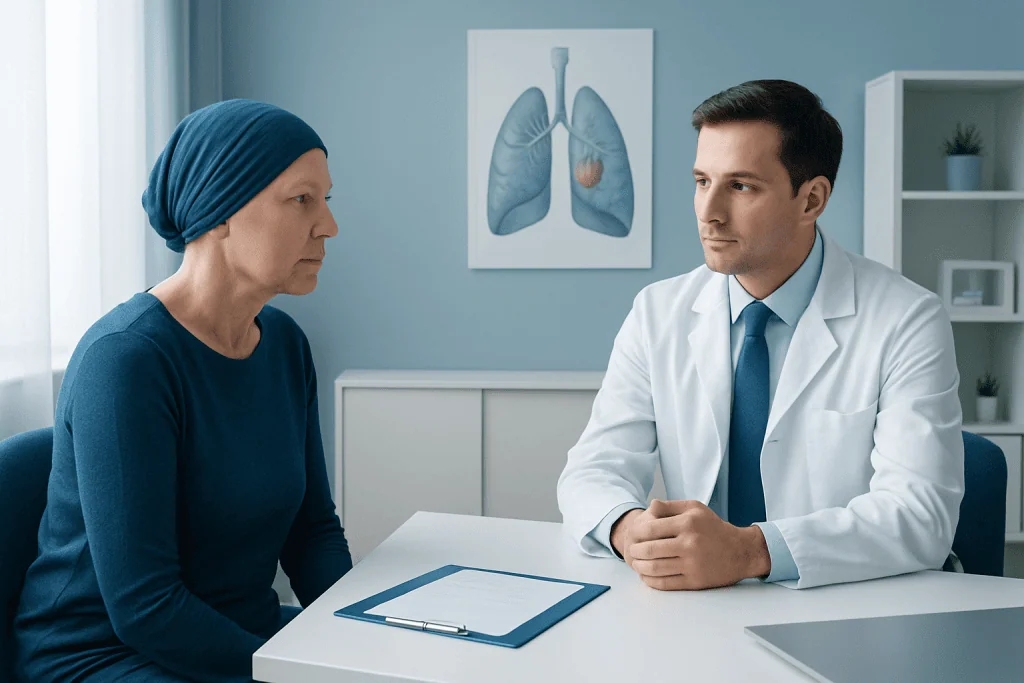
Before traveling, patients are usually asked to share key records in English or with translation support. Helpful documents include pathology reports, biopsy results, imaging discs and reports, blood work, discharge summaries, treatment lists, and a short medical history. If treatment has already started, the overseas team will also want to know the exact medicines used, dates of cycles, side effects, and any complications such as infection or hospitalization.
Even when a patient arrives with a diagnosis, doctors may recommend repeating selected tests. This is not always a sign that something is wrong. Repeating tests may be necessary to confirm the pathology, assess current disease extent, compare older and newer scans, or perform additional molecular studies that influence treatment choices. Accurate staging is especially important because it helps define whether treatment aims to cure the disease, control it long term, or relieve symptoms and improve quality of life.
Patients should ask how long the initial workup is expected to take and which tests are essential before treatment can begin. They should also ask whether pathology slides or tissue blocks need to be sent physically, since this can affect timing. Clear communication about expected timelines can reduce stress and help patients plan travel, accommodation, and time away from home.
Treatment Options and Personalized Care
Cancer treatment in Turkey generally follows the same evidence-based principles used internationally. The right treatment depends on the cancer’s location, pathology, molecular features, stage, symptoms, and the patient’s age, general health, and preferences. Some cancers are treated first with surgery, while others respond better to medicines or radiation before surgery. In many cases, treatment is combined and delivered in phases.
Medical treatment can include chemotherapy, hormone therapy, targeted therapy, immunotherapy, or supportive medicines to reduce side effects. Radiation therapy may be used alone or together with other treatments to destroy cancer cells or control symptoms. Surgery may be recommended to remove a tumor, obtain tissue, reduce tumor burden, or reconstruct part of the body after cancer removal. Patients with blood cancers or selected advanced diseases may need highly specialized therapies, and the availability of these should be discussed in detail with the treating center.
Personalized care is increasingly important in oncology. For some cancers, molecular or genetic testing of the tumor helps doctors understand which medicines are more likely to work. This approach may be relevant in conditions such as colon cancer and other solid tumors where tumor biology influences treatment decisions. Patients should feel comfortable asking whether biomarker testing is recommended in their case and how the results might change the treatment plan.
Choosing a Hospital and Care Team
Choosing where to receive oncology care abroad involves more than comparing treatment names. Patients should look for hospitals with established cancer programs, experienced specialists, strong diagnostic support, and systems for infection control, medication safety, and intensive care when needed. Accreditation may also be an important consideration because it reflects organizational standards for patient care and safety.
It is reasonable to ask who will coordinate the case, whether a tumor board will review it, and which specialists will be involved. Patients may also want to know how often the hospital treats their specific cancer type, whether advanced imaging and pathology are available on site, and how urgent complications are handled outside regular clinic hours. If surgery is planned, questions about expected hospital stay, pathology turnaround, pain management, and recovery should be discussed before admission.
For international patients, practical support matters as well. Many hospitals provide language interpretation, airport transfer coordination, accommodation guidance, and assistance with appointment scheduling. Near the end of the process, a clear written summary in English can be very helpful for ongoing care at home. Acibadem International, for example, supports international patients through multidisciplinary specialists and JCI-accredited hospitals that diagnose and treat cancer within coordinated care pathways.
Travel Planning, Costs, and Daily Logistics
Cancer treatment often requires repeated visits, rest periods, or monitoring between sessions, so travel planning should be realistic. The length of stay depends on the treatment type. A short diagnostic visit may take only several days, while surgery, radiation courses, or multi-cycle systemic therapy can require a longer stay or return visits. Patients should ask in advance how many days they may need to remain near the hospital and whether they will be fit to fly soon after a procedure.
Costs can vary depending on the diagnosis, complexity of treatment, medicines, hospital stay, intensive care needs, pathology tests, and imaging. It is helpful to request a written estimate that separates consultation fees, testing, treatment sessions, surgery, hospital stay, and possible extras. Because cancer treatment plans may change after staging or pathology review, patients should understand which parts of the estimate are fixed and which may change if the plan changes.
Daily logistics also deserve attention. Patients should consider the need for a companion, prescription refills, dietary needs, mobility support, and the possibility of fatigue during treatment. Travel insurance may not cover planned cancer treatment, so this should be clarified early. Practical details such as visa requirements, airport distance, nearby accommodation, and access to emergency care can make the treatment journey smoother and less stressful.
Recovery, Follow-Up, and Returning Home
Follow-up is a vital part of cancer care, especially for patients treated outside their home country. Before leaving Turkey, patients should receive a complete medical summary that includes the confirmed diagnosis, stage, treatments given, pathology findings, imaging results, medicines used, side effects, and the recommended next steps. This document helps local doctors continue care safely and without unnecessary delays.
Some treatments need ongoing monitoring after the patient returns home. Blood tests, wound checks, imaging, rehabilitation, and management of side effects may continue for weeks or months. Patients should ask who to contact if they develop fever, bleeding, shortness of breath, severe pain, vomiting, dehydration, or other urgent symptoms after discharge. Knowing which problems need immediate medical attention can prevent complications.
Follow-up care may involve local oncology visits, remote review by the treating team abroad, or both. Patients should also ask about survivorship care, fertility concerns where relevant, nutrition, emotional support, and physical recovery. Good cancer care does not end with the final treatment session; it continues through monitoring, symptom management, and support for returning to daily life.
Questions to Ask Before Starting Oncology Care in Turkey
Preparing questions in advance can help patients and families feel more confident. Asking for plain-language explanations is appropriate and often very helpful. If an interpreter is needed, arranging this before the consultation can improve understanding and reduce confusion about medical details.
Useful questions may include:
- What is the exact diagnosis and stage, and has the pathology been fully confirmed?
- What treatment options are recommended, and what is the goal of each option?
- Will additional tests be needed after arrival, and how could they change the plan?
- How long will treatment take, and how long should the patient stay in Turkey?
- What side effects or complications are most important to watch for?
- What costs are included in the estimate, and what might change the final price?
- How will follow-up be coordinated after the patient returns home?
Patients should also ask whether the recommended plan is urgent or whether there is enough time to obtain a second opinion. In oncology, timing matters, but so does understanding the plan. A well-informed patient is usually better prepared for treatment decisions, recovery, and long-term follow-up.
Frequently asked questions
Is oncology care in Turkey suitable for international patients?
It can be suitable for many international patients, especially when the hospital has a structured international patient program and multidisciplinary cancer services. The best choice depends on the person’s diagnosis, urgency, treatment goals, travel ability, and plans for follow-up at home.
What records should a patient send before traveling for cancer treatment?
Patients should usually send pathology reports, biopsy results, imaging reports and discs, blood tests, prior treatment summaries, and a list of current medicines. If available, translated records and a short timeline of symptoms and treatments can make the review process more efficient.
Will tests need to be repeated after arriving in Turkey?
Sometimes yes. Doctors may repeat scans, blood work, or pathology review to confirm the diagnosis, assess the current stage, or perform additional molecular testing that could affect treatment decisions.
How long do international patients usually stay for cancer treatment?
The length of stay varies widely depending on whether the patient needs diagnosis only, surgery, radiation therapy, or repeated drug treatments. Some visits are short, but complex treatment plans may require weeks, repeat trips, or coordination with doctors in the patient’s home country.
Can follow-up continue after the patient returns home?
Yes, follow-up often continues locally with support from the treating team’s written reports and recommendations. Patients should leave with a clear care plan that explains monitoring, next treatments, warning signs, and when new scans or blood tests are needed.
What should patients look for when choosing a cancer hospital abroad?
Important factors include accreditation, experienced oncology specialists, diagnostic and pathology support, emergency care capability, and clear communication about treatment planning and follow-up. Language services, written cost estimates, and practical help with travel and accommodation can also be important.
References
- World Health Organization
- National Cancer Institute
- American Cancer Society
- European Society for Medical Oncology
- National Comprehensive Cancer Network
This article is for general information only and is not a substitute for professional medical advice. Please consult a qualified doctor about your individual situation.
Oncology care in Turkey — second opinion and treatment plan
JCI-accredited · board-certified surgeons · reply within 24h
Add us as a Preferred Source to see more of our trusted health content across Google Search, AI Overviews and Discover.

Medical Oncology Department
Medical treatment of cancer with chemotherapy, immunotherapy and targeted therapies under a multidisciplinary tumor board.
60 specialists in this unit