Operation for Fallen Arches: Procedure, Recovery and Results
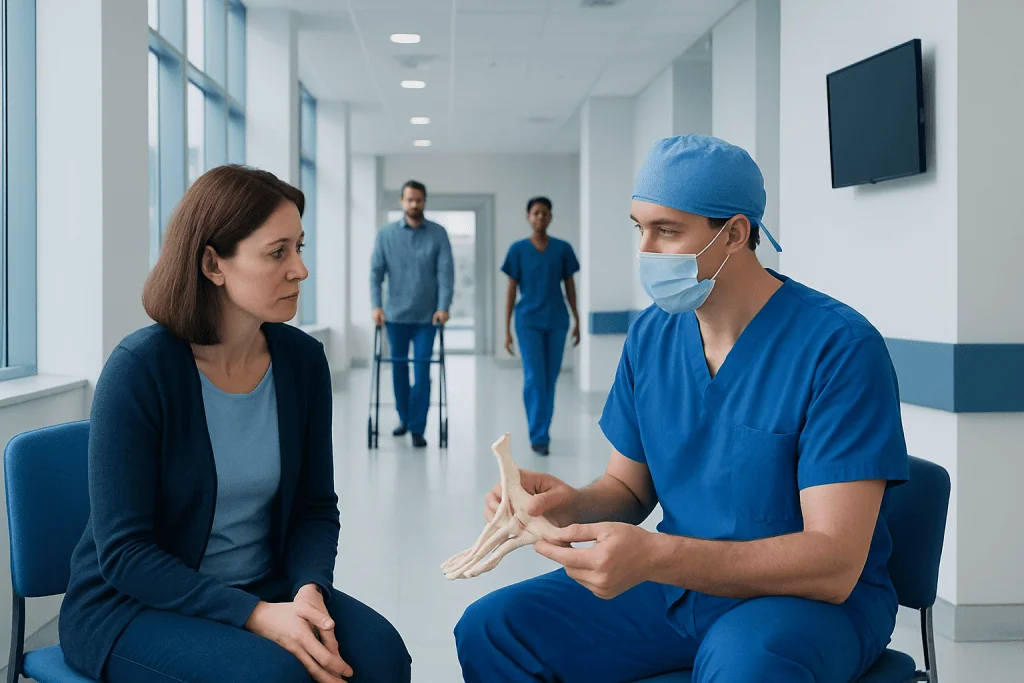
Surgery is usually reserved for persistent pain, worsening deformity, or difficulty walking after appropriate non-surgical treatment. Fallen arch surgery is not one standard operation; the surgeon selects procedures based on flexibility, tendon health, arthritis, and alignment.
Key Takeaways
- Surgery is usually reserved for persistent pain, worsening deformity, or difficulty walking after appropriate non-surgical treatment.
- Fallen arch surgery is not one standard operation; the surgeon selects procedures based on flexibility, tendon health, arthritis, and alignment.
- Protected weight-bearing and rehabilitation are important parts of recovery, which commonly takes several months.
- Pain is expected early after surgery but is managed with a personalized plan and should gradually improve.
- A foot and ankle specialist can help weigh expected benefits against risks and recovery demands.
An operation for fallen arches, often called flatfoot reconstruction, may be considered when a painful, progressive flat foot does not improve with supportive shoes, orthotics, exercise, or other non-surgical care. The procedure is individualized and commonly combines tendon, ligament, bone, and sometimes joint procedures to restore a more stable foot shape and function.
Overview: What Is an Operation for Fallen Arches?
An operation for fallen arches is a group of procedures used to treat a painful flat foot when the arch has collapsed or is becoming progressively flatter. In adults, this can occur when the tendons and ligaments that support the arch become weak or injured, especially the posterior tibial tendon on the inside of the ankle. Surgery aims to improve alignment, reduce strain on damaged tissues, and make standing and walking more comfortable.
Not everyone with low arches or flexible flat feet needs treatment. Many people have flat feet without pain or limitation. Surgery is generally considered only when symptoms are ongoing, the foot shape is worsening, or walking and daily activities remain difficult despite non-surgical care such as footwear changes, orthotics, bracing, activity adjustment, physiotherapy, and pain-relieving measures recommended by a clinician.
The terms fallen arches, acquired flatfoot, and adult-acquired flatfoot may describe related problems. In some people, the condition is associated with flatfoot from childhood; in others, it develops later due to tendon dysfunction, injury, joint disease, or changes in foot mechanics.
How Surgery Restores Foot Alignment
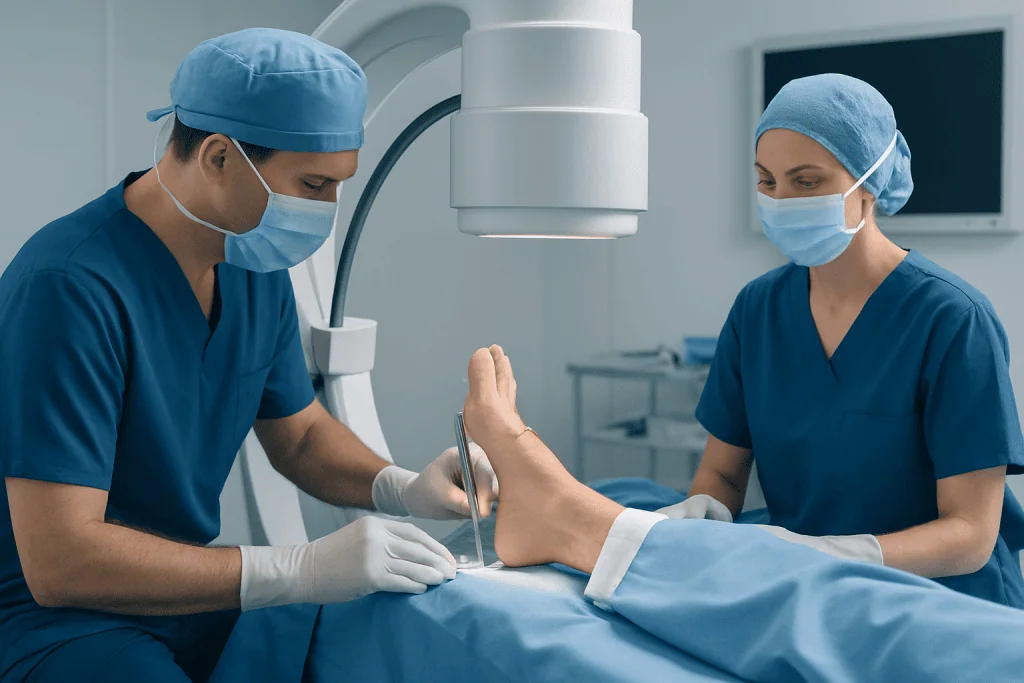
Arch reconstruction surgery works by addressing the specific structures contributing to the collapse. A surgeon may repair or replace a damaged tendon, strengthen the arch-supporting ligaments, shift part of the heel bone to improve alignment, lengthen a tight calf or Achilles tendon, or reshape a bone to correct the position of the forefoot. More than one procedure is often performed during the same operation.
When the deformity remains flexible and the joints are reasonably healthy, reconstruction may preserve motion in the foot. If flatfoot is severe, rigid, or accompanied by substantial arthritis, joining selected joints together may provide a more stable and less painful foot. This is called fusion or arthrodesis. Although fusion reduces motion at the treated joints, it may be the most suitable option for a durable correction in certain cases.
The goal is not necessarily to create a cosmetically high arch. Instead, the goal is a foot that is better aligned, supported, and comfortable enough for the person’s usual activities. An orthopedic foot and ankle surgeon can explain whether foot and ankle surgery is appropriate and which techniques may be recommended.
Who May Be a Candidate for Fallen Arch Surgery?
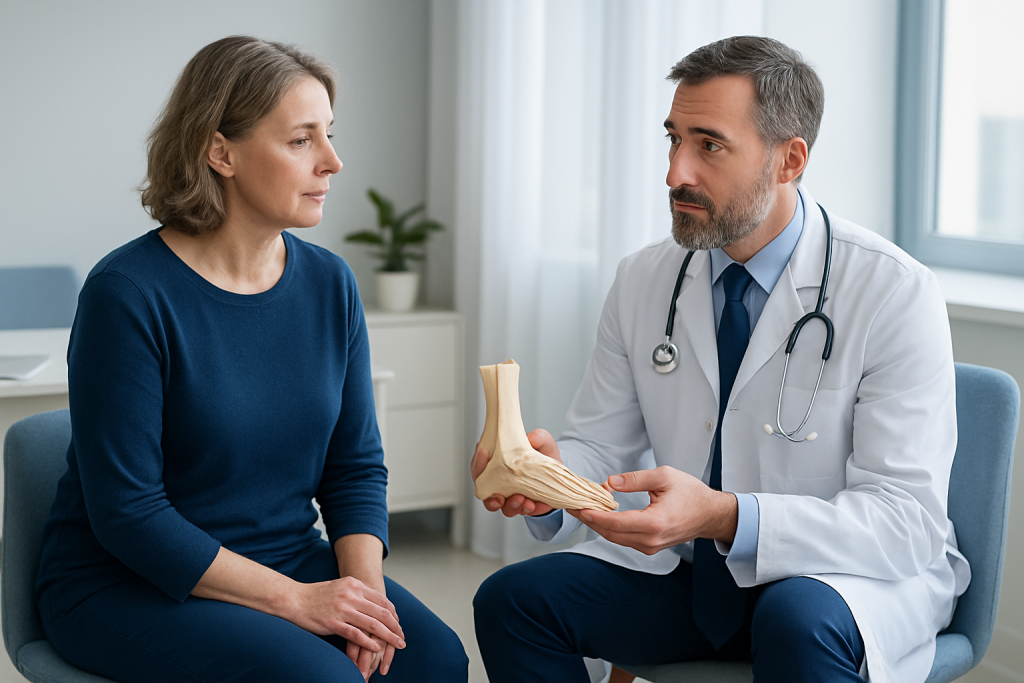
Potential candidates usually have significant symptoms that have not improved with a well-planned course of non-surgical care. These may include pain along the inside of the ankle or foot, pain under the outer side of the foot due to altered loading, swelling, progressive flattening, difficulty walking on uneven ground, or reduced ability to perform work, exercise, or daily tasks.
Assessment includes the flexibility of the foot, the position of the heel and toes, tendon strength, ankle movement, skin condition, circulation, nerve function, body weight, smoking status, and any medical conditions that can affect healing. Diabetes, poor circulation, inflammatory arthritis, osteoporosis, and nerve damage do not automatically rule out surgery, but they may change the treatment plan and require additional precautions.
Imaging is important for planning. Weight-bearing X-rays show how the bones align while standing. Ultrasound or MRI may be used when the surgeon needs more information about tendons, ligaments, cartilage, or joints. A shared decision considers symptoms, lifestyle goals, expected recovery, and the possibility that surgery may not remove every symptom.
Step-by-Step: What Happens During the Procedure?
Before surgery, the care team reviews medications, allergies, general health, and practical recovery needs at home. The person may be advised to stop smoking and to manage conditions such as diabetes as effectively as possible, because these steps can support wound and bone healing. The surgical plan is tailored to the foot rather than selected from a single standard template.
On the day of surgery, anesthesia is used so the person does not feel the operation. Depending on the procedure and individual needs, this may include general anesthesia, regional anesthesia that numbs the leg, or both. The surgeon makes carefully placed incisions and performs the planned tendon, ligament, bone, or joint work. If a bone is repositioned, screws, plates, or other fixation may hold it while healing occurs.
Afterward, the foot is protected in a bulky dressing, splint, cast, or boot. Some people go home the same day, while others may need a short hospital stay depending on the complexity of surgery and their health. Clear instructions are provided about elevation, wound care, pain control, mobility aids, and when weight-bearing can safely begin.
For international patients, Acibadem International’s multidisciplinary specialists and JCI-accredited hospitals can assess and treat complex foot and ankle conditions, with coordinated planning for surgery and follow-up care.
How Long Does It Take to Recover From Fallen Arch Surgery?
Fallen arches surgery recovery time varies because procedures range from tendon repair and bone realignment to multi-joint fusion. In many reconstruction plans, the foot is kept non-weight-bearing for several weeks, followed by gradual protected walking in a boot or cast. Full recovery commonly takes several months, and some swelling, stiffness, or fatigue with activity can continue for up to a year.
A typical fallen arch foot surgery recovery time includes an early period focused on wound healing, elevation, and protecting the reconstruction. Follow-up visits and X-rays help confirm that bones and joints are healing correctly. Weight-bearing progresses only when the surgeon feels it is safe, particularly if bone cuts or fusion procedures were performed.
Physiotherapy often begins when tissues are ready. It may focus on ankle and foot mobility, strength, balance, gait retraining, and a gradual return to footwear and daily activities. Desk-based work may be possible earlier than jobs requiring prolonged standing, climbing, or heavy physical activity. The treating team can give the most relevant timeline for driving, work, exercise, and travel.
Recovery is usually steadier when patients follow instructions about keeping weight off the foot, attending follow-up appointments, using prescribed mobility aids, and reporting new concerns promptly. Rushing activity before healing is confirmed can affect the result.
How Painful Is Arch Reconstruction Surgery?
Arch reconstruction surgery can cause moderate pain and discomfort in the first days after the procedure, especially as numbness from regional anesthesia wears off. Pain levels differ between individuals and depend on the number and type of procedures performed. The care team develops a pain-management plan that may include medication, elevation, ice only if approved, and protective immobilization.
For many people, the first few days are the most uncomfortable because swelling tends to increase after surgery. Keeping the foot elevated above heart level as instructed and avoiding unnecessary movement can make a meaningful difference. Pain should become more manageable over time rather than steadily intensify.
Severe or worsening pain, pain that is not controlled by the prescribed plan, new numbness, a very tight cast or dressing, color changes in the toes, fever, or drainage from the wound should be reported promptly. These symptoms do not always mean there is a serious problem, but they need timely clinical assessment.
Is It Worth Getting Surgery for Flat Feet?
Whether surgery is worth getting for flat feet depends on the reason for surgery and the person’s individual goals. It may be worthwhile when pain is persistent, function is limited, the foot is progressively deforming, and non-surgical treatment has not provided enough relief. In these circumstances, restoring alignment may reduce pain, improve stability, and help protect other joints from abnormal loading.
However, surgery has a substantial recovery period and cannot guarantee a completely symptom-free foot. Some people may continue to need supportive footwear or orthotics afterward, and the final result depends on the severity of the condition, the chosen procedure, bone and tendon healing, rehabilitation, and overall health.
Possible risks include wound problems, infection, blood clots, nerve irritation, stiffness, persistent swelling, ongoing pain, delayed or incomplete bone healing, hardware irritation, and need for further treatment. Smoking and poorly controlled diabetes can increase certain risks. A detailed conversation with the surgeon helps place these risks in the context of expected benefits and available alternatives.
- Potential benefits: improved foot alignment, reduced pain, better walking tolerance, and greater stability.
- Potential limitations: a lengthy rehabilitation period, reduced motion after fusion, and the possibility of residual symptoms.
- Alternatives: orthotics, supportive footwear, bracing, physiotherapy, activity modification, and treatment of contributing conditions.
What’s the Worst Day After Foot Surgery?
There is no single worst day after foot surgery for everyone. Many people find that discomfort and swelling are most noticeable during the first several days, often after the anesthetic block has worn off and as they become more active around the home. This is why planning rest, elevation, food, medications, help at home, and safe use of crutches, a walker, or a knee scooter before surgery can be useful.
It is important not to compare recovery too closely with another person’s experience. The appropriate level of pain and the pace of progress depend on the specific reconstruction, health history, and recovery instructions. The surgical team should be contacted if symptoms are unexpectedly severe, worsen after initially improving, or are accompanied by warning signs such as shortness of breath, chest pain, fever, wound drainage, or blue, pale, or cold toes.
After the initial period, many patients notice gradual improvement, although swelling can return temporarily after increased standing or rehabilitation exercises. Regular follow-up allows the team to adjust the recovery plan and identify concerns early.
When to Seek Medical Care
A person should arrange medical assessment for new or persistent pain on the inside of the ankle or foot, swelling, visible flattening that is progressing, difficulty walking, or inability to rise onto the toes on one foot. Early evaluation is especially helpful when a previously stable arch begins to collapse, since non-surgical treatment may be more effective before the deformity becomes rigid.
Urgent medical care is appropriate for sudden severe foot pain after injury, inability to bear weight, a cold or discolored foot, rapidly increasing swelling, signs of infection, or symptoms of a blood clot such as new calf swelling and pain. Chest pain or shortness of breath requires emergency assessment.
After surgery, patients should follow their surgeon’s instructions for scheduled reviews and contact the clinic with concerns about the wound, cast, circulation, sensation, or pain control. A qualified foot and ankle specialist can determine whether symptoms are due to fallen arches or another condition requiring different care.
Frequently asked questions
What is the usual fallen arch recovery time without surgery?
Recovery without surgery varies according to the cause and severity of symptoms. Some people improve over weeks to months with supportive footwear, orthotics, physiotherapy, activity changes, and treatment of tendon inflammation. A progressive or painful deformity should be assessed by a clinician rather than managed with self-treatment alone.
Will I need crutches after fallen arch surgery?
Many patients need crutches, a walker, or a knee scooter during the period when weight must be kept off the operated foot. The length of time depends on the procedures performed and evidence of healing at follow-up visits. The care team will advise which mobility aid is safest for the individual.
Can fallen arches return after surgery?
Surgery is designed to provide a lasting improvement in alignment and function, but no operation can remove every future risk. Tendon problems, arthritis, body weight, injury, activity demands, and incomplete healing can affect the long-term result. Following rehabilitation and footwear recommendations may help support the reconstructed foot.
When can someone walk normally after flatfoot reconstruction?
Walking usually returns gradually rather than all at once. Protected walking often begins only after the surgeon confirms that healing allows it, and gait may continue to improve with physiotherapy over several months. It can take longer to regain endurance for prolonged walking, uneven ground, or higher-impact exercise.
Are screws or plates removed after arch reconstruction surgery?
Screws and plates are often intended to remain in place permanently. Removal may be discussed if hardware becomes painful, prominent, infected, or causes another problem after healing. Many people never need hardware removal.
Can both fallen arches be operated on at the same time?
Operating on both feet at once is not suitable for every person because mobility and self-care can be particularly difficult during recovery. In some cases, surgeons recommend treating one foot first and considering the other side later. The decision depends on symptoms, surgical complexity, home support, and overall health.
References
- American Academy of Orthopaedic Surgeons
- American Orthopaedic Foot & Ankle Society
- National Institute of Arthritis and Musculoskeletal and Skin Diseases
- National Health Service
This article is for general information only and is not a substitute for professional medical advice. Please consult a qualified doctor about your individual situation.
Joint and spine care in Turkey — expert assessment & treatment
JCI-accredited · board-certified surgeons · reply within 24h
Add us as a Preferred Source to see more of our trusted health content across Google Search, AI Overviews and Discover.

More from the Health Library


Related Specialists

Prof. Dr. Özlem Şahin
Ophthalmology
Asst. Prof. Dr. Özlem Aptı Sengkıoun
Dermatology
Dr. Mehmet Severcan
Aesthetic Plastic & Reconstructive Surgery
Prof. Dr. İsmail Cinel
Anesthesiology