Operation to Stretch Bladder: Procedure, Recovery and Results
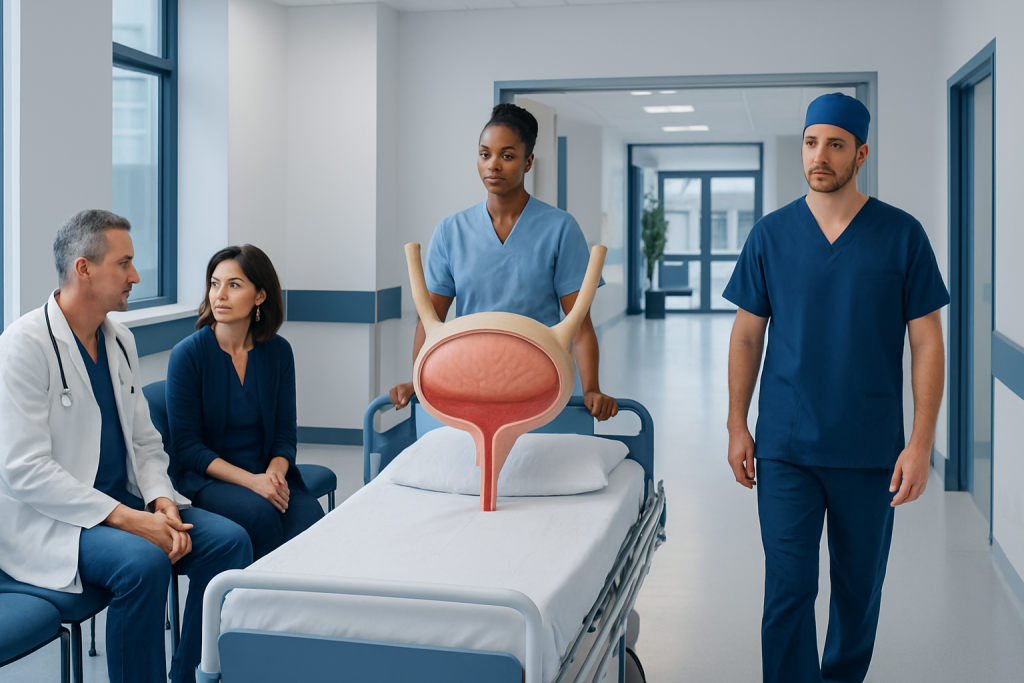
Bladder stretching most often means hydrodistension, not surgical enlargement of the bladder. It is commonly considered for selected people with suspected or confirmed bladder pain syndrome/interstitial cystitis.
Key Takeaways
- Bladder stretching most often means hydrodistension, not surgical enlargement of the bladder.
- It is commonly considered for selected people with suspected or confirmed bladder pain syndrome/interstitial cystitis.
- The procedure is usually completed under anesthesia and often allows same-day discharge.
- Temporary burning, urinary urgency, pelvic discomfort, or blood-tinged urine can occur during recovery.
- Difficulty urinating after a bladder sling procedure is a different issue and may need prompt medical review.
- Results vary; bladder hydrodistension may provide temporary relief but is not a cure for underlying bladder conditions.
An operation to stretch bladder usually refers to bladder hydrodistension, a procedure performed under anesthesia in which a clinician gently fills the bladder with fluid. It may be used to assess bladder conditions, particularly bladder pain syndrome, and can provide temporary symptom relief for some people.
Overview: What Is an Operation to Stretch Bladder?
An operation to stretch bladder generally describes bladder hydrodistension. During this procedure, a urologist slowly fills the bladder with sterile fluid while the person is under anesthesia. This expands the bladder for a short time, allowing the clinician to inspect its lining and capacity and, in some cases, helping reduce bladder pain or urgency symptoms.
Hydrodistension is most often discussed in relation to bladder pain syndrome, also called interstitial cystitis. It is not the same as surgery to permanently make a small bladder larger. The purpose, expected benefit, and recovery depend on the reason it is being performed, so an individual discussion with a urologist is important.
The procedure may be both diagnostic and therapeutic. It can help identify characteristic changes in the bladder lining, including areas of inflammation or bleeding after filling, while also offering a period of symptom improvement for some patients.
How It Works and Who May Be a Candidate
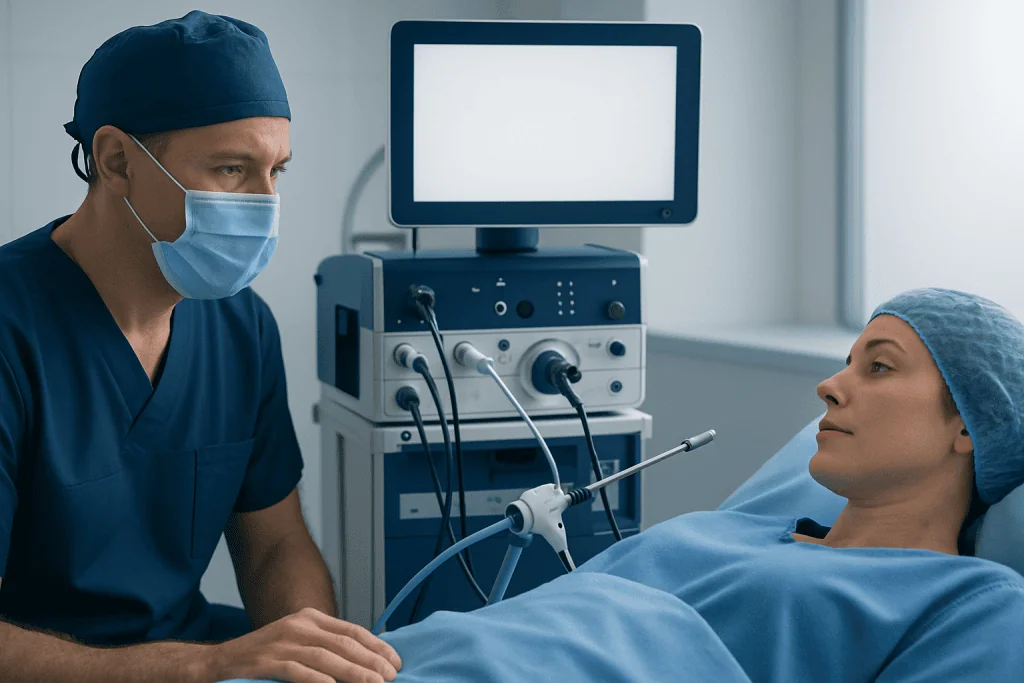
The bladder is a hollow muscular organ that stores urine. With hydrodistension, controlled filling temporarily expands the bladder beyond its usual awake capacity. Because this could be uncomfortable, it is normally performed with general or regional anesthesia. A cystoscope, a slim camera inserted through the urethra, enables the urologist to view the inside of the bladder.
A clinician may consider this procedure when ongoing bladder or pelvic symptoms have not been fully explained by standard assessment. Possible symptoms include bladder pain that changes with filling or emptying, persistent urinary urgency, frequent urination, and discomfort without evidence of a typical urinary infection. It may form part of the assessment of interstitial cystitis or bladder pain syndrome.
Not everyone with urinary symptoms needs hydrodistension. A urologist will first consider more common explanations, such as urinary tract infection, stones, overactive bladder, pelvic floor problems, medication effects, or conditions affecting the prostate or reproductive organs. Pregnancy, an active infection, bleeding risks, and certain health conditions may affect the timing or suitability of the procedure.
- Symptoms should be reviewed alongside urine tests and medical history.
- Previous treatments and their effects can guide whether hydrodistension is reasonable.
- The decision should balance possible short-term symptom relief against procedural risks.
What Happens When You Get Your Bladder Stretched?
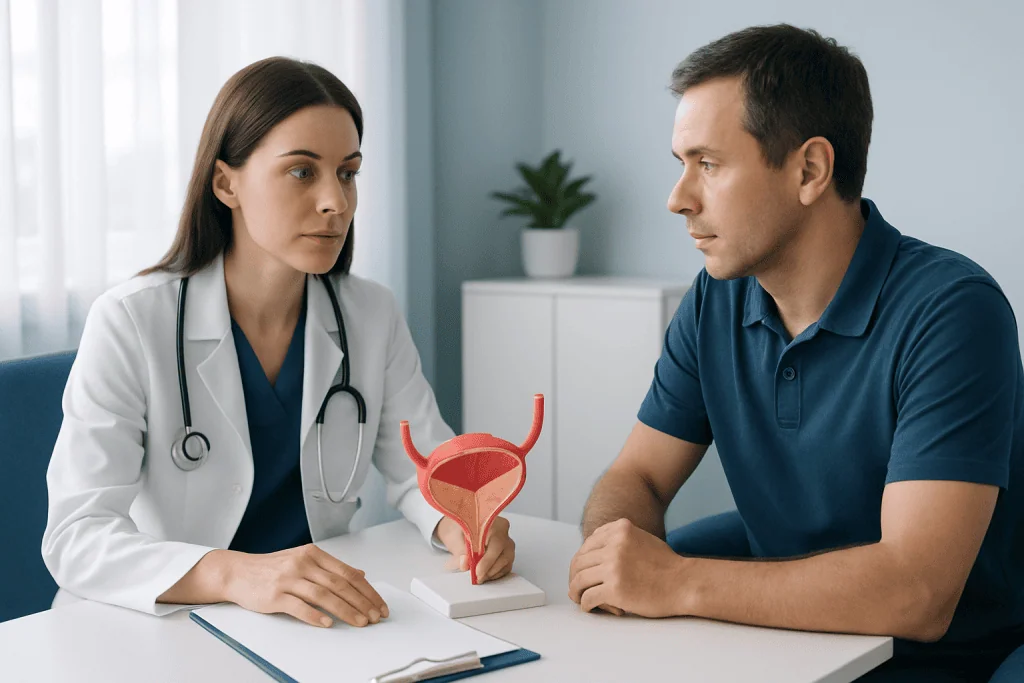
Before the procedure, the care team reviews medical history, medicines, allergies, and anesthesia considerations. Patients may be asked not to eat or drink for a set period before anesthesia and may need advice about medicines that affect bleeding or blood sugar. A urine sample may be checked to help rule out infection.
Once anesthesia is working, the urologist passes a cystoscope through the urethra into the bladder. Sterile fluid is introduced gradually to fill and gently distend the bladder at a controlled pressure. The clinician evaluates the bladder lining and may document findings, take a small tissue sample if needed, or treat a visible abnormality when appropriate.
After the bladder is drained, the scope is removed. The procedure itself is often relatively brief, but total time at the facility includes preparation, anesthesia, and recovery monitoring. Some people may have a temporary urinary catheter, particularly if there is difficulty emptying the bladder immediately afterward or if other procedures were performed at the same time.
Hydrodistension may be paired with a broader care plan rather than used alone. Depending on the diagnosis, this can include bladder training, pelvic floor physiotherapy, dietary symptom tracking, pain management, or selected medicines. Management should be tailored rather than based on a single test result.
Benefits, Limitations and Possible Risks
For people with bladder pain syndrome, hydrodistension can sometimes reduce pain, pressure, urgency, or frequency. The response is highly individual. Some people notice improvement for weeks or months, while others have little change. A successful result does not confirm that symptoms will remain controlled permanently, and repeat procedures are not appropriate for everyone.
Diagnostic value is another potential benefit. Direct examination may help a urologist look for ulcers, stones, tumors, inflammation, or other abnormalities that can contribute to symptoms. However, a normal-looking bladder does not exclude bladder pain syndrome, and diagnosis usually relies on the overall symptom pattern and exclusion of other causes.
Temporary side effects can include burning with urination, increased urgency or frequency, pelvic discomfort, cramping, and small amounts of blood in the urine. Less common risks include urinary tract infection, urinary retention, injury to the bladder, significant bleeding, and anesthesia-related complications. Bladder rupture is rare but serious.
Patients should receive clear postoperative instructions, including who to contact if symptoms worsen. New fever, inability to pass urine, heavy bleeding, severe or increasing pain, or feeling generally unwell requires timely medical assessment.
How Long Does It Take to Recover From a Bladder Stretch Procedure?
Recovery after bladder hydrodistension varies with the amount of stretching performed, whether a biopsy or another procedure was done, and the person’s baseline symptoms. Many patients return home on the same day after recovering from anesthesia. They should arrange for a responsible adult to take them home and avoid driving, alcohol, or important decisions until the effects of anesthesia have passed.
Burning during urination, mild pelvic soreness, urinary frequency, and pink-tinged urine can occur for a short period. Some people feel better within a few days, while others experience a temporary flare of bladder discomfort before symptoms settle. Returning to desk-based activities may be possible within several days, but the treating team’s advice should guide the pace of recovery.
Drinking fluids as advised by the care team and taking prescribed or recommended pain relief can support comfort. Strenuous exercise, heavy lifting, and sexual activity may need to be postponed briefly, especially if there has been a biopsy or additional treatment. A follow-up appointment is important to discuss the findings and next steps.
Is It Hard to Pee After Bladder Sling Surgery?
It can be temporarily harder to urinate after bladder sling surgery. A sling is a separate procedure used to treat stress urinary incontinence, usually by supporting the urethra. Swelling, pain, anesthesia effects, and the new support around the urethra can make it difficult to start urinating or fully empty the bladder in the early recovery period.
Before discharge, the team may check whether the bladder empties adequately. Some patients need a catheter for a short time or are taught temporary self-catheterization until normal emptying returns. Persistent retention is less common but should be assessed, as sling tension or another issue may need treatment.
Anyone who cannot pass urine, has increasing lower abdominal pain or swelling, develops fever, or has worsening urinary symptoms after sling surgery should contact their surgical team urgently. These symptoms should not be managed by simply drinking excessive amounts of fluid at home.
Does a Stretched Bladder Go Back to Normal?
After hydrodistension, the bladder is drained and generally returns to its usual size. The procedure does not normally leave the bladder permanently stretched. Its aim is controlled, temporary distension for examination and possible symptom relief, not permanent expansion.
Whether bladder symptoms return to normal depends on their cause. If symptoms are related to bladder pain syndrome, hydrodistension may improve them for a time, but it does not cure the condition. Continued care may include monitoring symptoms, identifying triggers, pelvic health support, and other treatments selected by a urologist.
A bladder that becomes chronically overfilled because a person cannot empty urine properly is different from medically supervised hydrodistension. Long-standing urinary retention can weaken bladder muscle function and may need prompt evaluation. People who feel unable to empty their bladder should seek medical advice rather than waiting for the problem to resolve.
When to Seek Medical Care
Medical review is advisable for bladder pain, urinary urgency, frequent urination, pain with urination, blood in the urine, recurrent urinary infections, or new difficulty emptying the bladder. These symptoms have many possible causes, and accurate diagnosis helps avoid unnecessary procedures and directs appropriate treatment.
Urgent assessment is needed for inability to urinate, fever or chills with urinary symptoms, severe lower abdominal or flank pain, visible heavy bleeding in urine, vomiting, or feeling faint or very unwell. These may indicate infection, obstruction, bleeding, or another condition requiring prompt care.
Acibadem International’s multidisciplinary specialists and JCI-accredited hospitals assess and treat urological conditions for international patients. A urologist can explain whether bladder hydrodistension is appropriate, review alternatives, and create a follow-up plan based on the individual’s symptoms and test results.
Frequently asked questions
Is bladder hydrodistension the same as bladder enlargement surgery?
No. Bladder hydrodistension temporarily fills and stretches the bladder under controlled conditions, usually for assessment or symptom management. Bladder enlargement surgery is a much more extensive operation performed for specific, uncommon medical indications.
Will bladder hydrodistension cure interstitial cystitis?
Hydrodistension is not considered a cure for interstitial cystitis or bladder pain syndrome. Some people experience symptom relief for a limited period, while others do not notice improvement. Ongoing management is often needed.
How long does it take to recover from a bladder stretch procedure?
Many people go home the same day and can resume light activities within a few days, depending on their clinician’s advice. Urinary burning, frequency, or mild discomfort may last briefly. Recovery can take longer if a biopsy, another procedure, or significant pre-existing symptoms are involved.
Is it hard to pee after bladder sling surgery?
Temporary difficulty urinating can occur after bladder sling surgery because of swelling, anesthesia, and support around the urethra. The surgical team commonly checks bladder emptying before discharge. Inability to urinate or increasing lower abdominal discomfort needs urgent medical advice.
Does a stretched bladder go back to normal?
After medically supervised hydrodistension, the bladder is drained and usually returns to its usual size. It is not intended to permanently stretch the bladder. Whether symptoms improve or return depends on the underlying condition.
What happens when you get your bladder stretched?
A urologist uses a cystoscope to look inside the bladder and gradually fills it with sterile fluid while the patient is under anesthesia. The bladder is then drained, and the clinician reviews any findings. Temporary urinary discomfort, urgency, or light bleeding can occur afterward.
References
- American Urological Association
- National Institute of Diabetes and Digestive and Kidney Diseases
- Mayo Clinic
- European Association of Urology
This article is for general information only and is not a substitute for professional medical advice. Please consult a qualified doctor about your individual situation.
Explore treatments in Turkey — costs, top hospitals & a free quote
JCI-accredited · board-certified surgeons · reply within 24h
Add us as a Preferred Source to see more of our trusted health content across Google Search, AI Overviews and Discover.