Optic Nerve Disorders: Common Causes of Blurred Vision and Visual Field Loss

The optic nerve is essential for sending visual signals from the eye to the brain. Common symptoms include blurred vision, blind spots, dim vision, and changes in color perception.
Key Takeaways
- The optic nerve is essential for sending visual signals from the eye to the brain.
- Common symptoms include blurred vision, blind spots, dim vision, and changes in color perception.
- Optic nerve problems can result from inflammation, poor blood flow, pressure, injury, or underlying disease.
- Diagnosis often includes a detailed eye exam, visual field testing, imaging, and blood tests when needed.
- Treatment depends on the cause and may involve medicines, managing underlying conditions, or urgent specialist care.
- Sudden vision loss or new visual field loss should be evaluated promptly.
Optic nerve disorders affect the pathway that carries visual information from the eye to the brain. They can lead to blurred vision, visual field loss, reduced color vision, or eye pain, and they need prompt medical assessment to help protect sight.
Overview
Optic nerve disorders are conditions that damage or disrupt the optic nerve, the structure that carries visual information from the retina to the brain. When the optic nerve is not working properly, vision may become blurred, dim, patchy, or less colorful. Some people notice symptoms in one eye, while others may eventually develop problems in both eyes.
These disorders are not all the same. Some are caused by inflammation, such as optic neuritis. Others happen because of reduced blood flow, pressure from swelling or a tumor, glaucoma-related damage, inherited conditions, nutritional deficiencies, or toxic exposure. Because the optic nerve is part of the visual system and closely connected with the brain, evaluation often involves both eye care and neurology specialists.
Early assessment matters. In some cases, treatment can improve vision or help prevent further loss. In others, the main goal is to identify the cause quickly, manage any underlying illness, and preserve as much vision as possible over time.
Symptoms of optic nerve disorders
Symptoms vary depending on the cause, the location of the damage, and how quickly it develops. Some optic nerve problems appear suddenly over hours or days, while others progress slowly. A person may first notice that one eye does not see as clearly as the other, or that part of the visual field seems missing.
Common symptoms can include:
- Blurred or dim vision
- Loss of part of the visual field, such as a central blind spot or side vision loss
- Reduced color vision, especially colors seeming faded
- Pain around the eye, sometimes worse with eye movement
- Lower contrast sensitivity, making objects seem less sharp
- Difficulty adjusting to brightness changes
- In more advanced cases, severe visual loss
Some people also notice that light seems less bright in one eye or that vision worsens temporarily with heat or exercise. If symptoms come on suddenly, especially with eye pain or rapid visual field loss, prompt medical evaluation is important.
Common causes and risk factors

Optic nerve disorders have many possible causes. One of the better-known causes is optic neuritis, an inflammatory condition that may be linked with infections, immune disorders, or demyelinating diseases. Another major cause is ischemic optic neuropathy, which happens when blood flow to the optic nerve is reduced. This is more likely in older adults and in people with vascular risk factors such as high blood pressure, diabetes, high cholesterol, or sleep apnea.
Compression of the optic nerve is another important cause. This may happen because of swelling, thyroid eye disease, or a mass near the optic pathway. Damage can also develop slowly in people with glaucoma, where pressure-related or pressure-sensitive injury affects the optic nerve over time. Trauma, severe infections, and raised pressure inside the skull can also interfere with optic nerve function.
Less common causes include inherited optic neuropathies, vitamin deficiencies, and exposure to toxins or certain medications. Risk factors therefore depend on the underlying diagnosis, but may include autoimmune disease, smoking, alcohol misuse, poor nutrition, older age, cardiovascular disease, and a family history of eye or nerve conditions. Because the list is broad, a thorough medical assessment is often needed to find the exact cause.
How doctors diagnose optic nerve problems
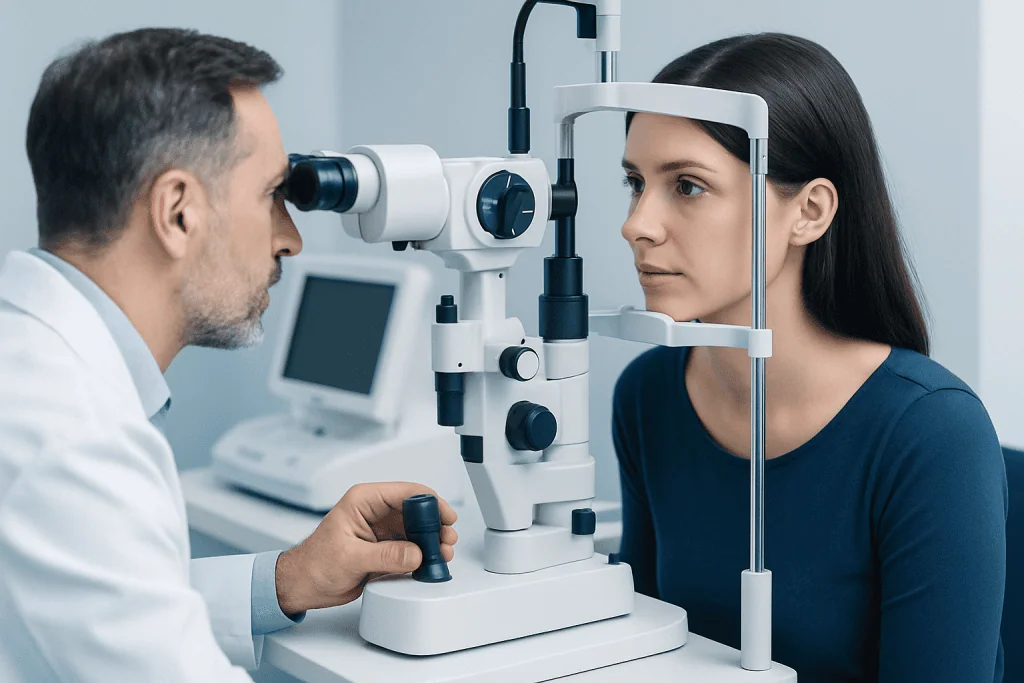
Diagnosis starts with a careful history and eye examination. The doctor usually asks when symptoms began, whether one or both eyes are affected, whether there is pain, and whether there are related symptoms such as headache, numbness, weakness, or general illness. During the examination, vision, pupil reactions, color vision, and the back of the eye are assessed.
Visual field testing is often very helpful because different optic nerve disorders produce different patterns of vision loss. Optical coherence tomography may be used to measure the retinal nerve fiber layer and other structures linked to the optic nerve. In many cases, doctors also recommend imaging such as MRI to look for inflammation, compression, demyelination, or problems along the visual pathway.
Additional tests may include blood work to check for infection, inflammation, vitamin deficiencies, autoimmune disease, or vascular causes. If raised intracranial pressure is suspected, further neurologic testing may be needed. The main aim is not only to confirm that the optic nerve is affected, but also to identify the underlying reason so treatment can be directed appropriately.
Treatment options
Treatment depends entirely on the cause. In inflammatory conditions, doctors may use medicines to reduce inflammation and address any associated disease. If an infection is responsible, targeted antimicrobial treatment may be needed. When blood flow problems are involved, management usually focuses on controlling risk factors such as blood pressure, diabetes, and cholesterol, while also ruling out urgent inflammatory vascular conditions.
If the optic nerve is being compressed, treatment may involve managing the source of pressure. This could include endocrine care, medical therapy, or surgery depending on what is causing the compression. In selected cases, evaluation through neurosurgery may be necessary if a tumor or structural lesion is affecting the optic pathway.
For long-term optic nerve damage, treatment may focus on preventing further loss rather than reversing existing injury. This is often the case in chronic optic neuropathy or glaucoma-related damage. Vision rehabilitation, low-vision support, and regular follow-up can be valuable. Near the end of the care pathway, some patients may be assessed by multidisciplinary specialists; Acibadem International’s JCI-accredited hospitals provide diagnosis and treatment for international patients with complex neuro-ophthalmic conditions.
Prevention and self-care
Not all optic nerve disorders can be prevented, but general health measures can lower the risk of some causes and support eye health overall. Managing chronic conditions such as diabetes, high blood pressure, and high cholesterol is important for protecting blood vessels that supply the optic nerve. Regular eye examinations can also help detect slow changes before symptoms become severe.
Healthy habits may help reduce risk and support treatment:
- Do not smoke, and seek support to stop if needed
- Eat a balanced diet with adequate vitamins and nutrients
- Limit exposure to toxic substances and use medications only as prescribed
- Attend regular check-ups for cardiovascular and eye health
- Report new vision changes promptly rather than waiting
Self-care also means protecting overall safety if vision is reduced. Better home lighting, contrast aids, magnifiers, and guidance from low-vision services may make daily activities easier. People should also follow up as advised, because some optic nerve conditions require repeat imaging, visual field tests, or ongoing monitoring.
When to see a doctor
Any new unexplained change in vision deserves medical attention, especially if it affects one eye more than the other or comes with eye pain, headaches, or color vision changes. Prompt review is particularly important when symptoms develop suddenly, since some causes need urgent treatment to protect sight or identify a broader neurologic problem.
Urgent assessment is recommended for sudden vision loss, rapid visual field loss, double vision with other neurologic symptoms, or severe headache with visual changes. These symptoms do not always mean a serious disease, but they should not be ignored. Early examination can help distinguish between optic nerve disease and other causes of blurred vision, such as retinal disease, migraine, or stroke-related visual problems.
Depending on the findings, the doctor may refer the patient to an ophthalmologist, neuro-ophthalmologist, neurologist, or another specialist. In some situations, further evaluation with comprehensive eye examination and imaging is the safest next step. The earlier the cause is identified, the better the chance of protecting vision and planning appropriate care.
Frequently asked questions
What are optic nerve disorders?
Optic nerve disorders are conditions that damage the nerve carrying visual signals from the eye to the brain. They can affect clarity of vision, side vision, color perception, or overall brightness, depending on the cause and severity.
Can optic nerve damage be reversed?
Some causes of optic nerve dysfunction can improve, especially when treated early, but established nerve damage may not fully reverse. The outlook depends on the underlying condition, how quickly treatment starts, and how much injury has already occurred.
Is blurred vision always caused by an optic nerve problem?
No. Blurred vision can come from many causes, including refractive error, cataracts, retinal disease, dry eye, migraine, or neurologic conditions. A proper eye and medical evaluation helps determine whether the optic nerve is involved.
What is the difference between optic neuritis and optic neuropathy?
Optic neuritis usually refers to inflammation of the optic nerve, often causing pain and sudden visual changes. Optic neuropathy is a broader term that includes any optic nerve damage, whether caused by inflammation, poor blood flow, pressure, toxins, heredity, or other factors.
How are optic nerve disorders diagnosed?
Doctors typically use a combination of medical history, eye examination, color vision testing, pupil assessment, and visual field testing. Imaging and blood tests may also be needed to look for inflammation, compression, vascular problems, or underlying systemic disease.
When should someone seek urgent medical care for vision changes?
Urgent care is important for sudden vision loss, rapidly worsening vision, new blind spots, significant eye pain with vision change, or visual symptoms along with neurologic signs such as weakness or severe headache. Quick assessment can help protect vision and identify any condition needing immediate treatment.
References
- American Academy of Ophthalmology
- National Eye Institute
- American Association for Pediatric Ophthalmology and Strabismus
- National Institute of Neurological Disorders and Stroke
- Mayo Clinic
This article is for general information only and is not a substitute for professional medical advice. Please consult a qualified doctor about your individual situation.
Explore treatments in Turkey — costs, top hospitals & a free quote
JCI-accredited · board-certified surgeons · reply within 24h
Add us as a Preferred Source to see more of our trusted health content across Google Search, AI Overviews and Discover.
Check your numbers in seconds
BMI, calories, due date, blood pressure and 30+ more clinical calculators — free, instant, doctor-reviewed ranges.

More from the Health Library



Related Specialists

Dr. Haldun Şentürk
Emergency Service
Fzt. Tuğçe Kahraman
Physical Medicine & Rehabilitation
Fzt. Merve Cingöz
Physical Medicine & Rehabilitation
Dr. Chasan Ismail Basa
Emergency Service