Optic Neuritis Treatment: How It Works, Results and What to Expect

Optic neuritis is inflammation of the optic nerve, often causing vision loss or blurring and pain with eye movement. High-dose corticosteroids may speed visual recovery in selected cases, although vision can improve without them.
Key Takeaways
- Optic neuritis is inflammation of the optic nerve, often causing vision loss or blurring and pain with eye movement.
- High-dose corticosteroids may speed visual recovery in selected cases, although vision can improve without them.
- Evaluation commonly involves an eye examination, MRI and sometimes blood tests or spinal fluid testing to identify an underlying cause.
- Recovery often begins within a few weeks, but the timeline and final visual outcome vary between individuals.
- Urgent medical assessment is needed for sudden vision changes, significant eye pain or symptoms affecting both eyes.
Optic neuritis treatment focuses on controlling inflammation of the optic nerve, supporting visual recovery and investigating why the inflammation occurred. Many people improve over weeks to months, while prompt assessment is important because optic neuritis can occasionally signal another neurological, autoimmune or infectious condition.
Overview: How optic neuritis treatment works
Optic neuritis treatment aims to reduce inflammation around the optic nerve, speed recovery when appropriate and identify the condition responsible for the inflammation. The optic nerve carries visual signals from the eye to the brain. When it becomes inflamed, a person may develop blurred or dim vision, reduced colour vision, a blind spot or pain that is worse when moving the eye.
For typical acute optic neuritis, vision often improves naturally over time. Corticosteroids, usually given at high dose under medical supervision, can shorten the time to visual recovery in some people. They do not necessarily improve the final level of vision for every person, so the decision to treat is individualized.
Care also extends beyond the immediate eye problem. Optic neuritis may occur on its own, but it can be associated with disorders affecting the brain, spinal cord or immune system, including multiple sclerosis. A neuro-ophthalmologist, ophthalmologist and neurologist may work together to clarify the cause and plan appropriate follow-up.
Who may need treatment and how diagnosis guides care
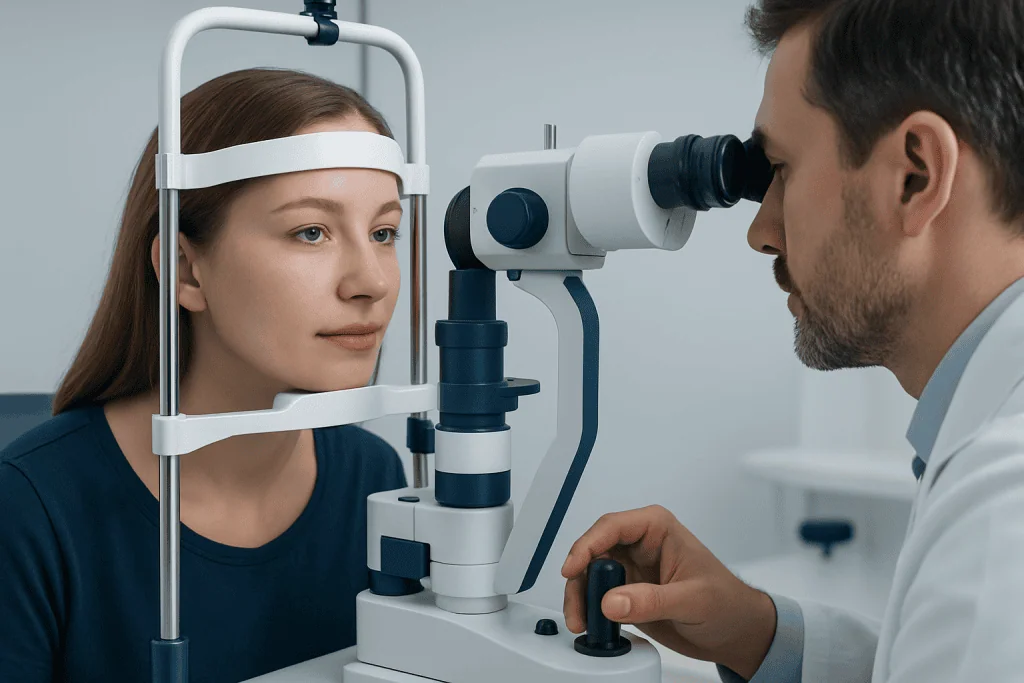
Anyone with new visual loss, changes in colour perception or pain on moving an eye should be assessed promptly. Optic neuritis is more likely when symptoms develop over hours to days, often in one eye, but symptoms alone cannot confirm the diagnosis. Several other eye and neurological conditions can cause similar changes and need different treatment.
An eye specialist may check visual acuity, colour vision, pupils, eye movements and the back of the eye. Some people have a visibly swollen optic nerve head, while others have inflammation behind the eye that cannot be seen during a routine examination. Visual field testing and optical coherence tomography may help document the effect on the optic nerve and retina.
MRI of the brain and eye sockets with contrast is often an important part of assessment. It can support the diagnosis, identify inflammation in the optic nerve and look for brain lesions that may affect future neurological risk. Blood tests, and in selected cases a lumbar puncture, may help investigate immune-related, infectious or nutritional causes. This detailed evaluation guides whether observation, steroid treatment or disease-specific therapy is safest.
Optic neuritis treatment: step by step

Initial care begins with confirming the diagnosis and checking for features that need urgent action. These include very severe vision loss, involvement of both eyes, repeated episodes, marked optic nerve swelling, systemic illness or an unusual pattern of symptoms. The medical team will also review medicines, recent infections, autoimmune symptoms and neurological history.
When corticosteroid therapy is recommended, high-dose treatment is commonly administered intravenously for a short period, sometimes followed by a carefully planned oral course. This approach is intended to dampen inflammation and can speed early visual improvement. Steroids should only be used as prescribed because they can affect mood, sleep, blood sugar, blood pressure, stomach symptoms and infection risk.
If vision loss is severe or does not respond as expected, plasma exchange may be considered in carefully selected cases, particularly when an immune-mediated cause is suspected. This hospital-based procedure filters plasma from the blood and replaces it with another fluid, aiming to remove harmful immune factors. Treatment of infections, autoimmune diseases or demyelinating conditions is tailored to the confirmed or suspected cause.
Ongoing reviews monitor vision, symptoms and test results. Where optic neuritis is linked to a chronic neurological or immune condition, treatment may include specialist-led therapy designed to reduce future inflammatory episodes. Neurology assessment and treatment can help coordinate this longer-term aspect of care.
Benefits, risks and what recovery may look like
The main potential benefit of acute steroid therapy is faster visual recovery. It may be particularly useful when visual loss substantially affects daily activities or when the clinical situation suggests significant inflammation. However, not every person needs steroids, and treatment choices should take account of the likely cause, symptom severity, medical history and test findings.
Short courses of corticosteroids are generally manageable under medical guidance, but possible side effects include insomnia, restlessness, indigestion, changes in mood, increased appetite and temporary rises in blood glucose or blood pressure. People with diabetes, active infection, glaucoma, stomach ulcer disease or certain mental health conditions may need additional precautions. The treating team can explain individual risks before treatment begins.
Plasma exchange involves additional considerations, such as the need for reliable vein access and monitoring for low blood pressure, bleeding or allergic reactions. It is not a routine first treatment for uncomplicated optic neuritis. Its possible benefit must be weighed against these risks by a specialist team.
During recovery, vision may fluctuate and may not feel completely normal even when chart-based vision improves. Colours can remain less vivid, contrast sensitivity may be reduced and vision can temporarily worsen with heat, exercise, fatigue or fever. Follow-up testing helps distinguish expected recovery from persistent or recurrent inflammation.
How quickly does optic neuritis heal?
Many people notice the first signs of visual improvement within two to four weeks. Recovery commonly continues over several months, and some people continue to experience gradual changes for up to a year. The pace depends on the severity of inflammation, whether treatment is used and whether an underlying condition is present.
High-dose corticosteroids can often speed the early phase of recovery, but they do not guarantee a particular final visual result. Some people recover excellent central vision yet continue to notice subtle differences in colour vision, contrast or visual comfort. Others may have longer-lasting visual impairment and require continued specialist follow-up.
It is important not to judge recovery only by how clearly letters are seen. Changes in peripheral vision, brightness, colour, glare sensitivity and pain are also relevant. A sudden decline after improvement, new symptoms in the other eye or new neurological symptoms should be reported promptly.
How serious is optic neuritis?
Optic neuritis should be taken seriously because it can cause meaningful visual loss and may be the first sign of an underlying condition. At the same time, it is not automatically a sign of permanent blindness or a serious neurological disease. Many cases are treatable, and many people regain useful or near-normal vision.
Its seriousness depends on the clinical pattern and cause. Typical one-eye optic neuritis in an otherwise well adult often has a favourable visual outlook, although assessment remains important. Optic neuritis affecting both eyes, occurring repeatedly, developing in children, causing unusually severe vision loss or occurring with fever, weakness, numbness, balance difficulty or bladder symptoms may need broader and more urgent investigation.
MRI findings and other test results help clinicians discuss longer-term outlook. If a neurological condition is identified, early specialist care may reduce the likelihood or impact of future episodes. The most useful step is timely evaluation rather than trying to predict the cause from symptoms alone.
What is the “10-20-40-60 rule” for optic neuritis?
The “10-20-40-60 rule” is not a universally accepted diagnostic rule or treatment guideline for optic neuritis. It is sometimes used informally in educational discussions to describe typical patterns or timelines, but the meaning can vary between sources. It should not be used to diagnose optic neuritis, predict recovery or decide whether treatment is needed.
Diagnosis is based on a person’s symptoms, eye examination and appropriate testing, especially when the presentation is atypical. Clinicians consider factors such as whether one or both eyes are involved, the amount of pain, the severity and speed of visual loss, MRI findings and possible immune or infectious causes.
People should seek advice from an eye specialist or neurologist rather than relying on a numbered rule. A tailored assessment is especially important because other causes of sudden or progressive vision loss may need different and sometimes urgent treatment.
How effective are optic neuritis treatments?
Optic neuritis treatments can be effective, but effectiveness means different things at different stages. In typical acute optic neuritis, high-dose corticosteroids can accelerate visual improvement. Many people recover well even without steroids, so treatment may be offered primarily to shorten the recovery period rather than to promise a better final outcome.
For severe inflammation that does not improve sufficiently with steroids, plasma exchange can be beneficial for some carefully selected patients. When optic neuritis is caused by a specific autoimmune, inflammatory or infectious disorder, treating that underlying condition is essential to protect vision and reduce the chance of further episodes.
Long-term outcome is influenced by the cause of optic neuritis and by whether attacks recur. Regular follow-up allows clinicians to monitor optic nerve health and discuss preventive treatment if a related neurological condition is diagnosed. Acibadem International’s multidisciplinary specialists and JCI-accredited hospitals support diagnosis and treatment planning for international patients with optic neuritis and related neuro-ophthalmic conditions.
When to seek medical care
New vision loss, marked blurring, dimming of vision, altered colour vision or pain when moving an eye should be assessed urgently, ideally on the same day. Sudden vision symptoms can have several causes, and rapid assessment helps protect sight and identify conditions that need immediate treatment.
Emergency evaluation is particularly important if visual loss is sudden and profound, affects both eyes, follows an eye injury, occurs with severe headache or fever, or is accompanied by weakness, numbness, trouble speaking, facial drooping, confusion or loss of balance. A person should not drive if vision changes make driving unsafe.
Until reviewed, it is sensible to rest the affected eye as needed, avoid driving or hazardous work if vision is impaired and keep a record of symptom onset and changes. Over-the-counter medicines or leftover steroids should not be used to self-treat optic neuritis, since correct diagnosis and supervised treatment are important.
Frequently asked questions
Can optic neuritis be treated at home?
Optic neuritis should not be managed with home treatment alone because new visual loss needs professional assessment. Rest and avoiding activities that are unsafe with reduced vision can be helpful, but treatment decisions, including whether steroids are appropriate, require a clinician.
Do steroids cure optic neuritis?
Steroids do not cure every cause of optic neuritis. In typical cases, they can shorten the time to visual recovery by reducing inflammation, but they may not change the final visual outcome for everyone. Treatment of an underlying condition may also be needed.
Can optic neuritis come back?
Yes, optic neuritis can recur in some people, particularly when it is linked to an immune-mediated or neurological condition. Repeat symptoms should be assessed promptly, as the cause and prevention plan may need to be reviewed.
Will glasses improve vision during optic neuritis?
Glasses may correct an existing refractive error but usually cannot correct the visual changes caused by inflammation of the optic nerve. An eye examination can determine whether any part of the blurred vision is related to a glasses prescription.
Can exercise make optic neuritis worse?
Heat, strenuous exercise, fever and fatigue can temporarily make vision seem worse during or after optic neuritis, especially while the optic nerve is recovering. This temporary effect does not always mean new inflammation, but new or persistent worsening should be discussed with a clinician.
Is optic neuritis always related to multiple sclerosis?
No. Optic neuritis can occur without multiple sclerosis and may also be related to other immune conditions, infections or other causes. MRI and other investigations help clinicians assess whether there is an associated condition and what follow-up is appropriate.
References
- American Academy of Ophthalmology
- National Eye Institute
- National Multiple Sclerosis Society
- Mayo Clinic
- Merck Manual Consumer Version
This article is for general information only and is not a substitute for professional medical advice. Please consult a qualified doctor about your individual situation.
Explore treatments in Turkey — costs, top hospitals & a free quote
JCI-accredited · board-certified surgeons · reply within 24h
Add us as a Preferred Source to see more of our trusted health content across Google Search, AI Overviews and Discover.
Check your numbers in seconds
BMI, calories, due date, blood pressure and 30+ more clinical calculators — free, instant, doctor-reviewed ranges.