Orange Peel: An Evidence-Based Guide for Patients

Orange peel is a descriptive term for dimpled or pitted skin texture, also called peau d'orange. Common causes include cellulite, fluid buildup, inflammation, and changes affecting lymph drainage.
Key Takeaways
- Orange peel is a descriptive term for dimpled or pitted skin texture, also called peau d'orange.
- Common causes include cellulite, fluid buildup, inflammation, and changes affecting lymph drainage.
- When orange peel changes appear on the breast, especially with redness, warmth, or a lump, prompt medical evaluation is important.
- Diagnosis depends on where the change appears, how long it has lasted, and whether other symptoms are present.
- Treatment focuses on the underlying cause rather than the texture alone.
Orange peel usually describes skin that looks dimpled, pitted, or thickened like the surface of an orange. In many cases it is linked to cellulite or temporary swelling, but sometimes it can signal a skin or breast condition that should be assessed by a doctor.
What orange peel means
Orange peel is a common way people describe skin that looks dimpled, uneven, or slightly thickened, similar to the rind of an orange. Doctors may use the French term peau d’orange. This appearance is not a diagnosis by itself. Instead, it is a visible sign that can happen for different reasons, ranging from harmless cosmetic changes to conditions that need medical attention.
In many adults, especially on the thighs, hips, buttocks, or abdomen, orange peel texture is simply due to cellulite. Cellulite forms when fibrous bands under the skin pull downward while fat tissue presses upward, creating a puckered surface. This is very common and does not mean a person is unhealthy.
In other situations, orange peel skin can develop because of swelling, inflammation, infection, or blockage of lymphatic drainage. When this happens on the breast, it deserves particular attention because it can be associated with several breast conditions, including infection, inflammatory changes, or, less commonly, cancer. The location of the change and the symptoms that come with it help guide what it means.
How orange peel skin can look and feel
The appearance can vary depending on the cause. Some people notice mild dimpling only when they stand or pinch the skin. Others see a more obvious pattern of small pits, enlarged pores, or thickened skin that stays visible all the time. The area may feel normal, soft, firm, swollen, tender, or warm.
When orange peel texture is related to cellulite, it often appears symmetrically on both sides of the body and does not cause pain or illness. It may become more noticeable with age, hormonal changes, weight fluctuation, or changes in skin elasticity. This type of skin texture is usually stable or slowly changing over time.
If orange peel changes are caused by inflammation or fluid buildup, there may also be redness, swelling, heaviness, itching, or discomfort. On the breast, a person may notice skin thickening, a newly inverted nipple, warmth, or a lump. Those associated symptoms are important clues and should not be ignored.
- Common locations: thighs, buttocks, hips, abdomen, and breasts
- Possible associated signs: swelling, redness, warmth, tenderness, rash, or a breast lump
- Concerning features: one-sided change, sudden onset, rapid progression, or skin changes on the breast
Common causes and risk factors

The most common cause of orange peel texture on the body is cellulite. This is a structural change beneath the skin rather than a disease. Genetics, sex, hormones, connective tissue structure, aging, and body fat distribution all play a role. Cellulite is more common in women because of differences in connective tissue arrangement and fat storage.
Another cause is edema, which means fluid collecting in the tissues. Edema can make the skin look stretched, puffy, and pitted. This may happen after injury, after surgery, with venous or lymphatic problems, or during some infections and inflammatory skin disorders. Lymphedema, which occurs when lymph fluid does not drain properly, can also produce a thickened, orange peel-like appearance.
On the breast, peau d’orange can be caused by mastitis, blocked lymph channels, postoperative changes, or, less commonly, breast cancer. Because breast skin changes can overlap across different conditions, a proper exam is important. In some cases, doctors may evaluate for breast cancer or other breast disorders if symptoms suggest that possibility.
Risk factors depend on the underlying cause. For cellulite, factors include family history, hormonal influences, lower muscle tone, and natural changes in connective tissue with age. For edema or lymphedema, risk factors can include surgery, radiation therapy, infection, obesity, poor circulation, or inflammatory disease. Breast-related orange peel changes are more concerning when they are new, one-sided, and associated with redness, warmth, or a lump.
How doctors diagnose the cause
Diagnosis starts with a medical history and physical examination. A doctor will ask when the change began, whether it is getting worse, and whether there are symptoms such as pain, fever, breast changes, or swelling in the legs or arms. They will also ask about recent infection, injury, surgery, pregnancy, breastfeeding, medications, and family history.
The exam focuses on the affected area and the surrounding tissues. If the orange peel appearance is on the breast, the doctor will check both breasts, the skin, the nipple, and nearby lymph nodes. If it is on the legs or other body areas, they may look for signs of venous insufficiency, lymphedema, dermatitis, or infection.
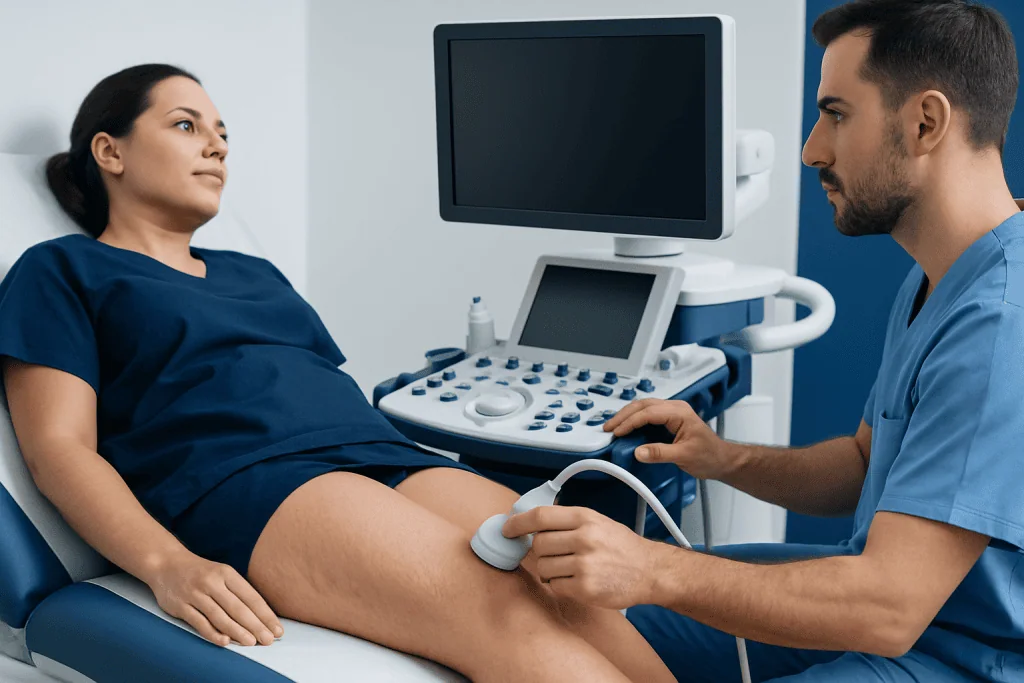
Additional tests are only used when needed. Depending on the findings, these may include imaging such as mammography or breast ultrasound for breast symptoms, or other scans and blood tests if swelling or infection is suspected. If an abnormal area needs closer evaluation, a doctor may recommend a biopsy to identify the exact cause. The goal is to treat the reason behind the skin change, not just the appearance.
Treatment options depend on the cause
There is no single treatment for orange peel skin because it is a sign rather than one condition. If the cause is cellulite, treatment is optional and mainly based on personal preference. Cellulite does not need medical treatment for health reasons, although some people choose lifestyle measures or cosmetic procedures to improve texture. Results vary, and no approach removes cellulite permanently for everyone.
If swelling is the cause, treatment may involve managing the underlying circulation or lymphatic problem, reducing inflammation, or treating infection. Doctors may recommend skin care, movement, compression, weight management, or specialist care for lymphedema. When there is infection, prompt medical treatment is important to prevent worsening symptoms.
Breast-related orange peel changes need targeted evaluation and treatment. This could include antibiotics for mastitis, drainage of an abscess if present, or cancer-directed care if tests show a malignant cause. For people being assessed for suspicious breast changes, inflammatory breast cancer may be considered among the possible diagnoses because it can cause redness, swelling, and peau d’orange.
Any treatment plan should be individualized. People should be cautious with internet remedies or aggressive massage devices if the diagnosis is uncertain, especially when the skin is red, painful, or changing quickly. A clinician can help distinguish a cosmetic concern from a medical one.
Self-care and prevention
Prevention depends on the cause. Cellulite cannot always be prevented because genetics and normal body structure are major factors. Still, general measures that support skin and connective tissue health may help reduce how noticeable it appears. These include regular physical activity, strength training, maintaining a stable weight, not smoking, and following a balanced eating pattern.
For people prone to swelling, everyday habits can help support circulation and lymphatic flow. These may include avoiding long periods of immobility, elevating the legs when appropriate, staying active, and following medical advice after surgery. Good skin care is also important because irritated or broken skin can increase the risk of infection.
Self-care is not a substitute for medical assessment when orange peel changes are new, one-sided, painful, or involve the breast. It is also important to avoid repeatedly squeezing or pinching the skin to check it, because this can make texture appear more obvious and increase anxiety without clarifying the cause.
- Exercise regularly and include strength work
- Keep weight changes gradual when possible
- Support skin health with gentle cleansing and moisturization
- Seek review for persistent swelling, redness, or breast skin changes
When to seek medical care
A doctor should assess orange peel skin if it appears suddenly, affects only one area, becomes more pronounced over a short time, or is accompanied by redness, warmth, pain, fever, or swelling. These features may suggest infection, inflammation, or a lymphatic problem rather than ordinary cellulite.
Prompt medical care is especially important when the change involves the breast. New breast peau d’orange, breast enlargement, persistent redness, nipple inversion, discharge, or a palpable lump should not be delayed. These symptoms do not always mean cancer, but they do need proper evaluation to identify the cause and begin treatment if needed.
People with ongoing uncertainty may benefit from assessment in a center with breast imaging, pathology, and surgical expertise. Acibadem International’s multidisciplinary specialists in JCI-accredited hospitals evaluate and treat patients with breast and skin-related concerns, including international patients, using appropriate imaging and specialist follow-up.
Frequently asked questions
Is orange peel skin always a sign of cancer?
No. Orange peel skin is often caused by cellulite, swelling, or inflammation and is not always serious. However, when it affects the breast or appears suddenly with redness, warmth, or a lump, it should be evaluated promptly.
What is the difference between cellulite and peau d'orange?
Cellulite is a very common structural skin change that can create dimpling, especially on the thighs and buttocks. Peau d'orange is a descriptive medical term for orange peel-like skin and can be caused by cellulite, but it may also happen with edema, infection, or breast disease.
Can orange peel skin go away on its own?
It can, depending on the cause. Temporary swelling or inflammation may improve once the underlying issue settles, while cellulite often persists or changes gradually over time. If the appearance is new or unexplained, a medical review is sensible.
Should I worry if orange peel changes are on only one breast?
One-sided breast skin changes deserve prompt medical attention. Many causes are treatable, including infection, but doctors need to rule out more serious conditions. Early assessment helps clarify the cause and guide the right treatment.
How do doctors check orange peel skin on the breast?
They usually begin with an exam and a review of symptoms and medical history. Depending on age and findings, they may use breast imaging such as ultrasound or mammography, and sometimes a biopsy if an abnormal area needs closer evaluation.
Are home remedies effective for orange peel skin?
Some lifestyle measures may slightly improve the appearance of cellulite, such as exercise and weight stability, but home remedies usually do not change the underlying structure dramatically. If the skin is painful, red, swollen, or changing quickly, home treatment should not replace medical care.
This article is for general information only and is not a substitute for professional medical advice. Please consult a qualified doctor about your individual situation.
Explore treatments in Turkey — costs, top hospitals & a free quote
JCI-accredited · board-certified surgeons · reply within 24h
Add us as a Preferred Source to see more of our trusted health content across Google Search, AI Overviews and Discover.
Check your numbers in seconds
BMI, calories, due date, blood pressure and 30+ more clinical calculators — free, instant, doctor-reviewed ranges.

More from the Health Library

Elderberry: An Evidence-Based Guide for Patients

Heparin: A Complete Medical Guide for Patients

Triamterene — Explained by Medical Evidence, Not Myths

Snail Mucin Benefits: An Evidence-Based Guide for Patients

Nail Clubbing: A Complete Medical Overview