Ortho Surgery: Common Procedures and Recovery

Ortho surgery covers a wide range of procedures, from minimally invasive arthroscopy to joint replacement and fracture repair. The right procedure depends on the condition, symptoms, imaging findings, overall health, and treatment goals.
Key Takeaways
- Ortho surgery covers a wide range of procedures, from minimally invasive arthroscopy to joint replacement and fracture repair.
- The right procedure depends on the condition, symptoms, imaging findings, overall health, and treatment goals.
- Recovery varies by surgery type, but rehabilitation, pain control, wound care, and gradual return to activity are central to healing.
- Many orthopedic problems are first treated with non-surgical options before surgery is considered.
- Early medical advice is important for severe pain, deformity, inability to bear weight, or signs of infection after surgery.
Ortho surgery includes operations that diagnose, repair, or replace bones, joints, muscles, tendons, and ligaments. Understanding common procedures and what recovery involves can help patients prepare, ask informed questions, and take an active role in healing.
Overview of Ortho Surgery
Ortho surgery, also called orthopedic surgery, focuses on conditions affecting the musculoskeletal system. This includes bones, joints, cartilage, muscles, ligaments, and tendons. Orthopedic surgeons treat injuries, age-related wear, sports problems, and structural conditions that cause pain, stiffness, weakness, or loss of movement.
Some orthopedic procedures are performed to repair damage, such as fixing a broken bone or reconstructing a torn ligament. Others are designed to relieve long-term symptoms when non-surgical care no longer helps. Examples include replacing a worn joint or decompressing tissue that is being pinched.
Not every bone or joint problem needs surgery. Doctors often begin with medicines, physical therapy, activity changes, braces, or injections. Surgery is usually considered when symptoms continue, daily activities become difficult, or imaging shows a problem that is unlikely to improve on its own.
Common Orthopedic Procedures
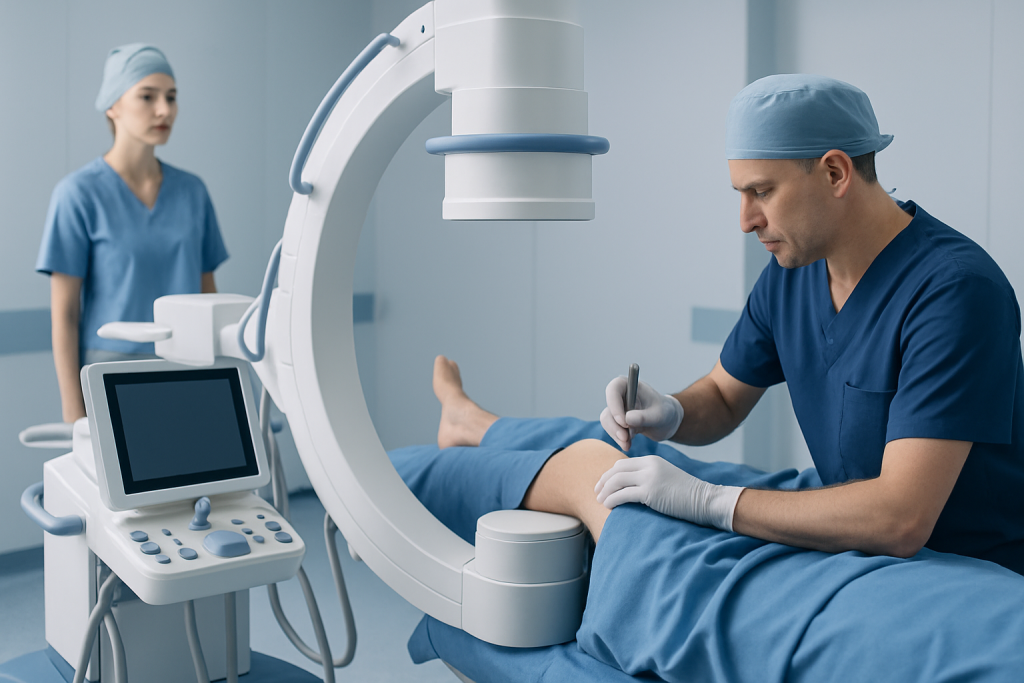
Orthopedic surgery includes many procedures, and the best choice depends on the body part involved and the underlying diagnosis. Common operations include joint replacement, arthroscopy, fracture fixation, ligament or tendon repair, spinal procedures, and surgery to correct deformities or remove damaged tissue.
Joint replacement is often used for severe arthritis that causes persistent pain and limited function. In this procedure, the damaged surfaces of a joint are replaced with artificial components. The hip and knee are the most commonly replaced joints, but shoulder and other joint replacements may also be performed. Patients exploring knee replacement or hip replacement are usually those whose pain remains significant despite medicines, injections, or physiotherapy.
Arthroscopy is a minimally invasive technique that uses a small camera and instruments inserted through tiny cuts. It may be used to treat cartilage damage, meniscus tears, loose bodies, or some ligament injuries. For example, arthroscopy may help diagnose and treat certain knee or shoulder problems while limiting disruption to surrounding tissue.
Fracture fixation is used when a broken bone needs more stability to heal in the correct position. Surgeons may use plates, screws, rods, or pins. Other common procedures include repairing torn tendons, reconstructing the anterior cruciate ligament, and treating hand, foot, or shoulder problems such as rotator cuff tears.
When Surgery May Be Recommended

Surgery may be recommended when pain is ongoing, movement is restricted, sleep is affected, or normal daily tasks become difficult. It is also considered when there is instability, progressive deformity, nerve pressure, or a fracture that cannot heal well without an operation.
Doctors look at several factors before advising surgery. These include the patient’s age, activity level, general health, imaging results, and response to non-surgical care. For example, a person with advanced arthritis and marked loss of mobility may benefit more from surgery than someone with early symptoms that still improve with exercise and medication.
Urgent orthopedic surgery may be needed after serious trauma, open fractures, major joint dislocations, or when there is pressure on nerves or blood vessels. In these settings, prompt treatment helps protect function and lowers the risk of complications.
Diagnosis and Preoperative Assessment
Before ortho surgery, a careful evaluation is needed to confirm the diagnosis and choose the most appropriate procedure. The process usually starts with a medical history and physical examination. The doctor asks about symptoms, prior injuries, current medicines, activity limits, and any medical conditions that could affect surgery or healing.
Imaging tests often play an important role. X-rays are commonly used for fractures, arthritis, and alignment problems. MRI can show soft tissue structures such as ligaments, cartilage, and tendons, while CT may be useful for complex fractures or detailed bone assessment. In some cases, blood tests or heart and lung evaluations are needed before surgery.
Preoperative assessment also helps patients prepare safely. The care team may advise stopping certain medications, managing blood sugar carefully, quitting smoking, or improving strength before the operation. This planning stage is a good time to discuss anesthesia, expected recovery, possible risks, and the kind of support needed at home afterward.
What Recovery Typically Involves
Orthopedic surgery recovery depends on the procedure, the area treated, and the patient’s overall health. Some people go home the same day, while others stay in the hospital for monitoring, pain control, or early rehabilitation. Recovery is usually a step-by-step process rather than a single event.
In the early phase, pain management, swelling control, wound care, and safe movement are the main priorities. Patients may use ice, elevation, prescribed medication, and assistive devices such as crutches, walkers, slings, or braces. Following instructions about weight-bearing is especially important after procedures involving the hip, knee, ankle, or foot.
Rehabilitation is central to regaining strength, flexibility, and function. Physical therapy may begin soon after surgery, sometimes on the same day for joint replacement. Exercises are progressed gradually to protect the repair while preventing stiffness. Patients recovering from procedures related to knee osteoarthritis or shoulder injuries often benefit from a structured plan and regular follow-up.
Healing times vary. Small arthroscopic procedures may allow a faster return to daily activities, while fracture repair, ligament reconstruction, or major joint replacement may take weeks to months for fuller recovery. Patience, regular follow-up, and realistic expectations can make the process smoother.
Risks, Prevention, and Self-care
All surgery carries some risk, although many orthopedic procedures are performed safely every day. Possible complications can include infection, bleeding, blood clots, stiffness, persistent pain, delayed healing, nerve irritation, or problems related to implants. The exact risks depend on the procedure and the patient’s health status.
There are practical steps patients can take to support recovery and reduce complications:
- Follow wound care instructions carefully and keep dressings clean and dry as advised.
- Take medications only as prescribed, including pain relief or blood clot prevention if recommended.
- Attend all follow-up appointments and physiotherapy sessions.
- Avoid smoking, which can slow bone and soft tissue healing.
- Maintain a balanced diet with enough protein and fluids to support recovery.
- Return to activity gradually instead of rushing back to sports or heavy work.
For some orthopedic conditions, surgery may be partly preventable through joint protection, exercise, safe lifting techniques, fall prevention, and early treatment of injuries. Strengthening muscles, maintaining a healthy weight, and using proper sports technique may reduce strain on the joints and lower the risk of future problems.
When to See a Doctor
A doctor should evaluate joint or limb symptoms that do not improve, especially if pain interferes with walking, sleep, work, or self-care. Medical advice is also important for repeated swelling, a joint that gives way, visible deformity, or difficulty using an arm or leg normally.
Emergency care may be needed after trauma with severe pain, obvious bone deformity, inability to bear weight, numbness, or signs of reduced blood flow such as unusual coldness or color change. These may indicate a significant fracture, dislocation, or nerve or vessel injury.
After surgery, patients should contact their healthcare team if they develop fever, increasing redness, worsening swelling, drainage from the wound, chest pain, shortness of breath, or calf pain and swelling. These symptoms do not always mean a serious complication, but they need prompt assessment. For international patients, Acibadem International’s multidisciplinary specialists and JCI-accredited hospitals diagnose and treat orthopedic conditions with coordinated surgical and rehabilitation care.
Frequently asked questions
What does ortho surgery include?
Ortho surgery includes procedures on bones, joints, ligaments, tendons, muscles, and cartilage. Common examples are fracture repair, joint replacement, arthroscopy, tendon repair, and ligament reconstruction.
Is orthopedic surgery always the first treatment option?
No. Many orthopedic conditions are first treated with rest, physiotherapy, medicines, braces, lifestyle changes, or injections. Surgery is usually considered when these measures do not provide enough relief or when the problem is unlikely to heal properly without an operation.
How long does orthopedic surgery recovery take?
Recovery time varies widely depending on the procedure and the person’s health. Some minimally invasive operations may allow faster return to normal activity, while major procedures such as joint replacement or complex fracture repair may require several months of rehabilitation.
Will physical therapy be needed after ortho surgery?
Physical therapy is very common after orthopedic procedures. It helps restore movement, strength, balance, and confidence while protecting the healing area. The exact program depends on the surgery and the surgeon’s instructions.
What are the most common risks of orthopedic surgery?
Possible risks include infection, bleeding, stiffness, blood clots, pain that lasts longer than expected, and delayed healing. The care team explains the specific risks before surgery and gives instructions to help lower them.
How can someone prepare for orthopedic surgery?
Preparation may include medical testing, reviewing medications, arranging help at home, and improving general health before the operation. Quitting smoking, managing chronic conditions, and learning about recovery steps can also support better healing.
References
- American Academy of Orthopaedic Surgeons
- National Institute of Arthritis and Musculoskeletal and Skin Diseases
- National Health Service
- MedlinePlus
- OrthoInfo
This article is for general information only and is not a substitute for professional medical advice. Please consult a qualified doctor about your individual situation.
Joint and spine care in Turkey — expert assessment & treatment
JCI-accredited · board-certified surgeons · reply within 24h
Add us as a Preferred Source to see more of our trusted health content across Google Search, AI Overviews and Discover.

Orthopedics & Spine
Care for bones, joints and the musculoskeletal system, including joint replacement, sports injuries and trauma.
125 specialists in this unit