Orthopedic Surgery Cost in Turkey
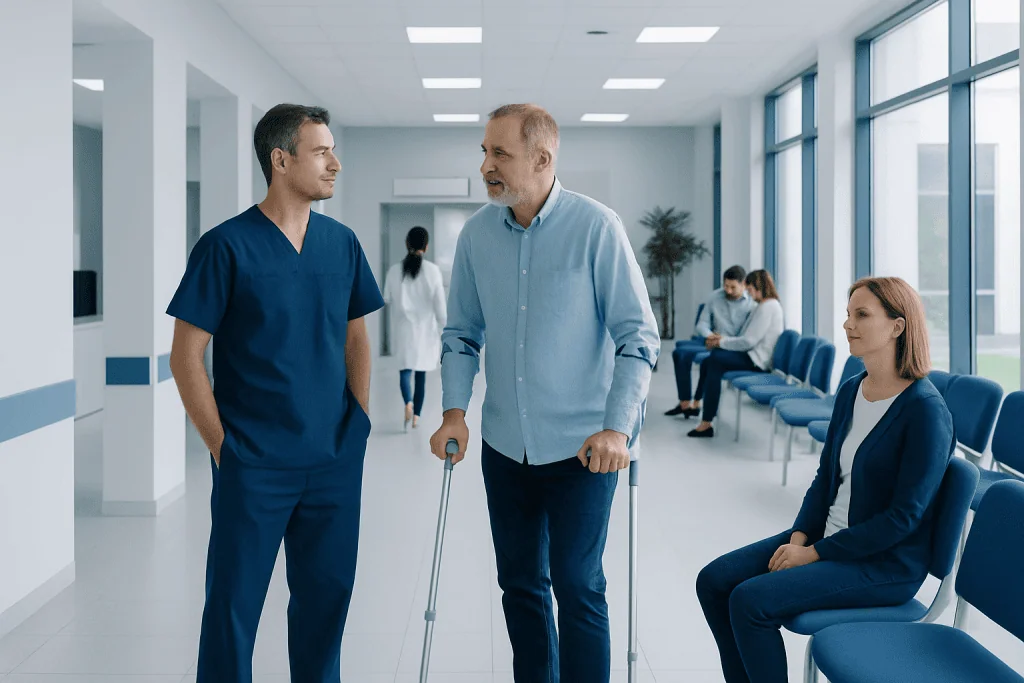
Orthopedic surgery cost in Turkey varies widely depending on the procedure, implant choice, and hospital stay. A personalized treatment plan is the most reliable way to understand the full cost.
Key Takeaways
- Orthopedic surgery cost in Turkey varies widely depending on the procedure, implant choice, and hospital stay.
- A personalized treatment plan is the most reliable way to understand the full cost.
- Pre-operative tests, rehabilitation, medications, and travel-related needs may affect the total budget.
- Patients should compare not only price, but also surgeon expertise, hospital accreditation, and aftercare.
- Clear communication about what is included in the quote helps avoid unexpected expenses.
Orthopedic surgery cost in Turkey depends on the type of operation, the complexity of the condition, the surgeon’s experience, hospital services, implants, and rehabilitation needs. Many international patients consider Turkey because treatment can be cost-effective while still offering advanced diagnostics, specialist teams, and structured aftercare.
Overview: What affects orthopedic surgery cost in Turkey?
Orthopedic surgery cost in Turkey is not a single fixed figure. The final amount usually depends on the exact procedure, such as knee replacement, hip replacement, spine surgery, fracture repair, sports injury treatment, or arthroscopic surgery. Costs can also change according to whether the case is straightforward or more complex, whether one or both sides are treated, and whether previous surgery or severe joint damage is involved.
Turkey is often considered by international patients seeking orthopedic care because many hospitals combine modern imaging, experienced orthopedic surgeons, and coordinated care pathways. However, the most meaningful comparison is not simply the lowest quote. A useful estimate should reflect the person’s diagnosis, imaging results, implant needs, anesthesia plan, expected hospital stay, and recovery program.
In many cases, a hospital will first review medical records, imaging scans, and a brief clinical history before preparing a preliminary plan. After an in-person assessment, the treatment team may confirm or adjust the plan. This is why a personalized quotation is generally more accurate than generic online price ranges.
Common orthopedic procedures and why costs differ
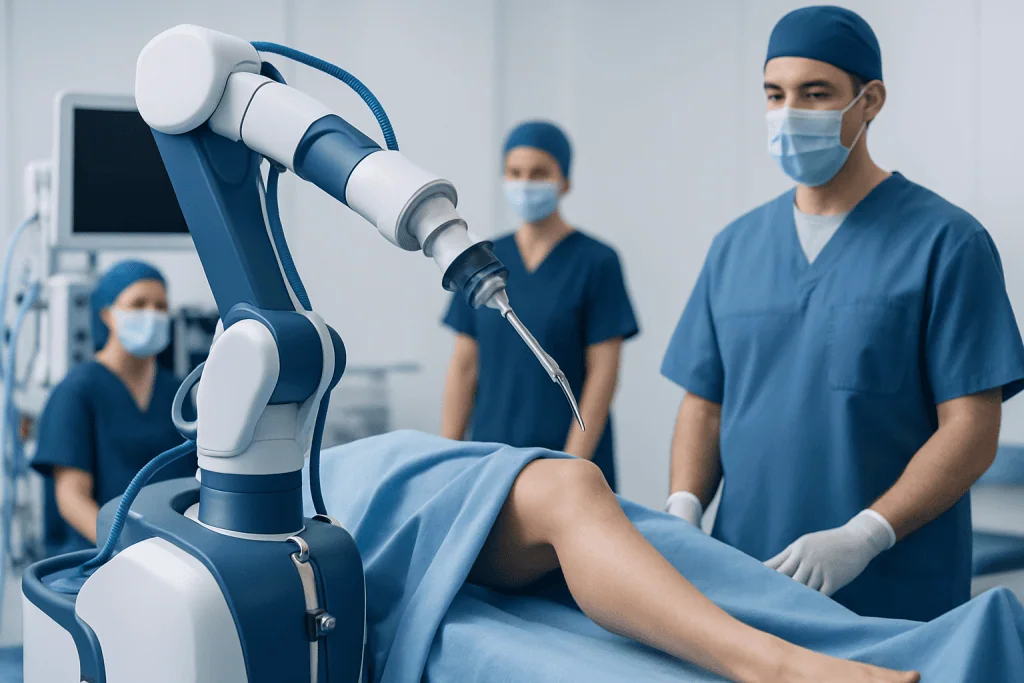
Orthopedics covers a wide range of procedures, and each has different technical demands. Major joint replacement operations such as knee replacement and hip replacement often involve implants, operating room time, anesthesia, hospital admission, and rehabilitation. These factors make them different from smaller procedures such as some forms of arthroscopy or minor soft-tissue surgery.
Costs also differ because of the surgical technique used. For example, arthroscopic surgery may involve smaller incisions and different equipment than open surgery. Some procedures may require navigation systems, customized implants, or bone grafting. In spine and trauma cases, fixation devices, screws, plates, or rods can also influence the overall cost.
Complexity matters as well. A first-time operation is usually less complicated than revision surgery, which may be needed when an earlier implant has worn out, loosened, or become painful. Surgery for advanced arthritis, deformity, severe injury, or combined joint and soft-tissue problems can require more planning and resources than a routine case.
- Joint replacement: often affected by implant brand and rehabilitation needs
- Arthroscopy: often affected by the joint involved and whether repair is needed
- Spine surgery: often affected by levels treated, instrumentation, and hospital stay
- Fracture surgery: often affected by urgency, implant materials, and injury severity
What is usually included in the total cost?
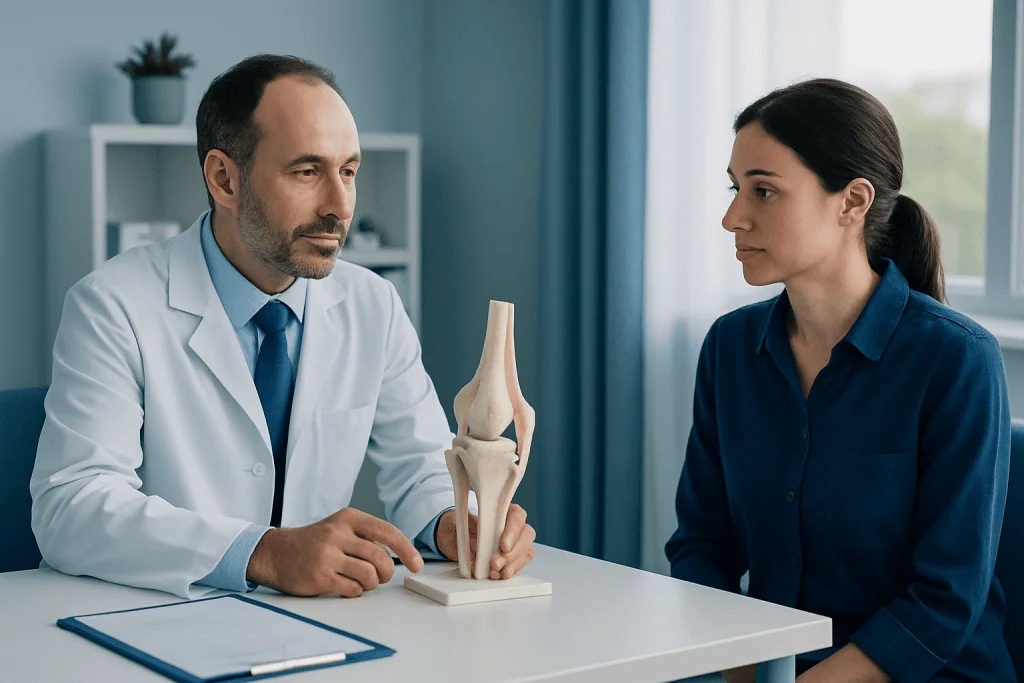
When patients ask about orthopedic surgery cost in Turkey, it is helpful to look beyond the operation itself. A quote may include the surgeon’s fee, anesthesiologist’s fee, hospital room, operating theater charges, standard medications used during admission, nursing care, and some routine laboratory tests. For procedures involving implants, the price of the implant may also be included, but this should always be confirmed clearly in writing.
Some expenses may be separate. These can include advanced imaging such as MRI or CT, additional specialist consultations, extended hospital stay, intensive care if unexpectedly required, special braces, compression garments, blood products, pathology tests, and formal physical therapy after discharge. International patients may also need to budget for flights, accommodation, airport transfers, meals, and support for a companion.
Another important point is rehabilitation. After many orthopedic operations, especially joint replacement or ligament repair, recovery depends heavily on guided movement, exercise, and follow-up. A lower headline price may not represent better value if it excludes the aftercare needed for a safe and effective recovery.
How hospitals estimate orthopedic surgery cost in Turkey
Most hospitals estimate orthopedic surgery cost in Turkey by reviewing the patient’s diagnosis and expected treatment pathway. This usually starts with medical reports, symptom history, and imaging. If available, recent X-rays, MRI scans, CT scans, or previous operation notes can help the orthopedic team understand the condition before the patient travels.
After this review, the hospital may issue a preliminary plan and an estimated quote. Once the patient is seen in person, the orthopedic surgeon may request updated imaging or blood tests to confirm the diagnosis and finalize the plan. This step is important because symptoms such as knee pain, hip pain, or back pain can have more than one cause, and the right treatment depends on the exact problem.
For example, a patient may initially think surgery is needed, but specialist evaluation may suggest conservative care, injections, or rehabilitation first. In other cases, imaging may reveal advanced joint disease, deformity, or additional injuries that make surgery more extensive than expected. Accurate diagnosis is essential for both treatment quality and realistic cost planning.
Patients with arthritis, sports injuries, or spinal conditions may benefit from understanding related conditions such as osteoarthritis or scoliosis, since the underlying diagnosis often shapes both the procedure and the expected recovery.
Quality, safety, and value: what to compare besides price
Choosing orthopedic care based only on price can be misleading. A useful comparison should include the surgeon’s background, the hospital’s standards, infection prevention measures, imaging and operating room technology, anesthesia support, rehabilitation services, and communication with international patients. These factors can influence both the care experience and the recovery process.
Implant quality is another important consideration. In joint replacement and trauma surgery, the type of implant may affect durability, fit, and the long-term success of treatment. Patients may wish to ask whether the quoted cost covers a standard implant or whether there are different implant options available. This can help them understand any differences between two estimates that initially appear similar.
Follow-up care should also be discussed. Orthopedic recovery often continues after discharge, especially after robotic knee replacement surgery or other major procedures. Patients should know how often they will be reviewed, whether physiotherapy is arranged, what warning signs to watch for, and how communication works after they return home.
Planning for travel, recovery, and rehabilitation
For international patients, practical planning is a major part of the treatment journey. Before traveling, it is wise to confirm the expected length of stay, whether a companion is recommended, how soon walking or weight-bearing is likely, and when flying home is usually considered safe. Recovery timelines vary depending on the joint treated, the exact procedure, and the person’s age and general health.
Patients should also ask about mobility support after surgery. Depending on the operation, they may need crutches, a walker, a brace, or home exercise guidance. Rehabilitation may start in the hospital and continue for weeks or months. Procedures involving the knee, hip, shoulder, or spine often require structured physiotherapy to restore strength, flexibility, and confidence in movement.
It is also important to prepare medically. Stopping smoking, managing diabetes, controlling blood pressure, maintaining a healthy weight, and reviewing current medications with the doctor may support a smoother recovery. Good preparation does not only improve safety; it may also reduce delays, complications, and unplanned costs.
Near the end of the process, some patients choose centers experienced in coordinated orthopedic care for international visitors. Acibadem International’s multidisciplinary specialists and JCI-accredited hospitals diagnose and treat orthopedic conditions for patients traveling from abroad.
Questions to ask before choosing treatment
Before deciding on surgery, patients may benefit from asking a clear set of questions. This can help them understand the diagnosis, compare quotes fairly, and feel more confident about the next steps. A reliable hospital should be able to explain what is included, what may change the cost, and what the recovery plan is likely to involve.
Useful questions include whether the proposed treatment is the only option, what alternatives exist, how long hospitalization is expected to last, which tests are required before surgery, and whether rehabilitation is included in the package. Patients can also ask about the expected recovery milestones, possible risks, and how follow-up will be handled after they return home.
- What exactly is included in the quote?
- Are implants, medications, and physiotherapy included?
- Could extra findings during evaluation change the treatment plan?
- How many days in hospital and in Turkey are usually recommended?
- What kind of support is available after discharge and after returning home?
Because orthopedic conditions vary greatly, there is no one-size-fits-all answer to cost. The most practical approach is to request a personalized review from a qualified orthopedic team and use that information to balance safety, quality, and affordability.
Frequently asked questions
Is orthopedic surgery in Turkey usually less expensive than in some other countries?
In many cases, patients consider Turkey because orthopedic care may be more cost-effective than in some higher-cost health systems. However, the total cost still depends on the procedure, hospital, implants, rehabilitation, and travel-related needs.
What can make the cost increase after the initial estimate?
Costs may change if updated imaging, extra tests, a longer hospital stay, additional implants, or more complex surgery are needed. This is why a preliminary quote may be adjusted after in-person examination and final treatment planning.
Does the quoted price usually include rehabilitation?
Not always. Some quotes include early in-hospital physiotherapy, while longer-term rehabilitation or outpatient sessions may be separate. Patients should ask for a detailed breakdown before making plans.
How can patients compare hospitals fairly?
It helps to compare what is included in the quote, the experience of the orthopedic surgeon, hospital accreditation, implant options, and aftercare arrangements. Looking only at the lowest price may overlook important differences in safety and recovery support.
Do all orthopedic problems require surgery?
No. Some conditions can be managed with medication, injections, physiotherapy, activity changes, or other non-surgical treatments. A specialist evaluation is important to confirm whether surgery is truly the best option.
How long should international patients plan to stay in Turkey?
The length of stay depends on the procedure and recovery progress. Some smaller procedures may require a shorter visit, while joint replacement or spine surgery often needs more time for hospital care, early rehabilitation, and follow-up before travel home.
References
- World Health Organization
- American Academy of Orthopaedic Surgeons
- National Institute for Health and Care Excellence
- OrthoInfo by the American Academy of Orthopaedic Surgeons
This article is for general information only and is not a substitute for professional medical advice. Please consult a qualified doctor about your individual situation.
Joint and spine care in Turkey — expert assessment & treatment
JCI-accredited · board-certified surgeons · reply within 24h
Add us as a Preferred Source to see more of our trusted health content across Google Search, AI Overviews and Discover.

Orthopedics & Spine
Care for bones, joints and the musculoskeletal system, including joint replacement, sports injuries and trauma.
125 specialists in this unit