Orthopedist — Explained by Medical Evidence, Not Myths
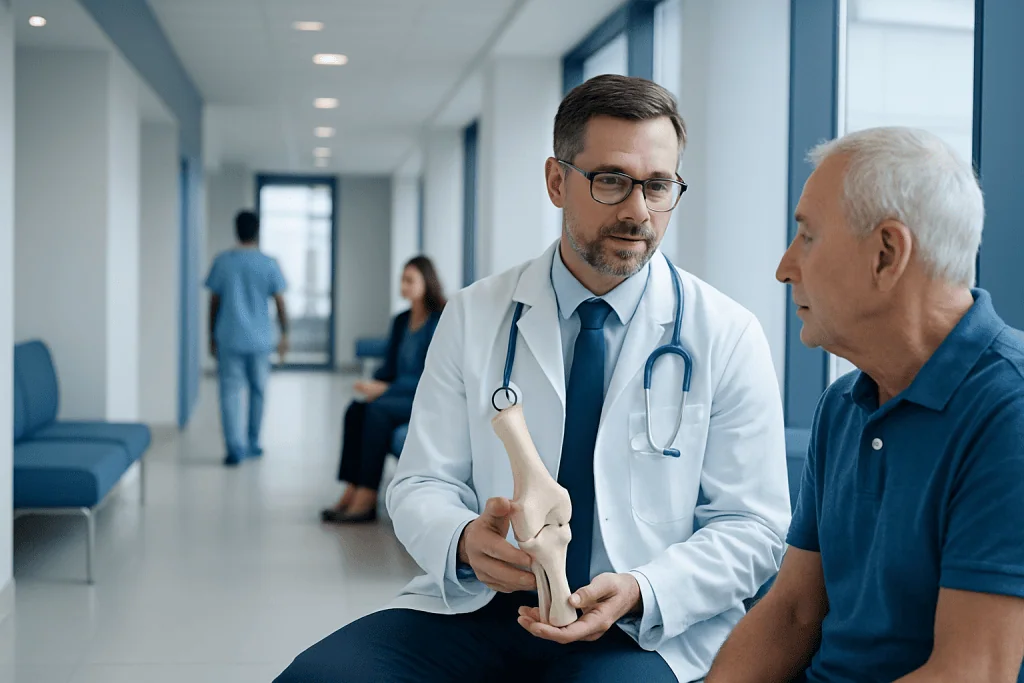
An orthopedist specializes in the musculoskeletal system, including bones, joints, muscles, tendons, ligaments, and spine. Many orthopedic problems are treated without surgery through exercise, physical therapy, medication, braces, or lifestyle changes.
Key Takeaways
- An orthopedist specializes in the musculoskeletal system, including bones, joints, muscles, tendons, ligaments, and spine.
- Many orthopedic problems are treated without surgery through exercise, physical therapy, medication, braces, or lifestyle changes.
- Orthopedists commonly care for arthritis, sports injuries, fractures, back pain, tendon problems, and joint wear-and-tear.
- Persistent pain, swelling, reduced movement, weakness, deformity, or trouble walking are common reasons to seek evaluation.
- Diagnosis often combines medical history, physical examination, and tests such as X-rays, MRI, CT, ultrasound, or blood tests.
- Early assessment may help relieve symptoms, improve function, and prevent further joint or tissue damage.
An orthopedist is a doctor who diagnoses and treats problems affecting bones, joints, muscles, tendons, ligaments, and the spine. Care may include physical examination, imaging, rehabilitation, medications, injections, or surgery, depending on the condition and its severity.
Overview: what an orthopedist does
An orthopedist is a physician who evaluates, diagnoses, and treats conditions of the musculoskeletal system. This includes bones, joints, cartilage, muscles, tendons, ligaments, and the spine. In everyday terms, an orthopedist helps people with injuries, pain, stiffness, weakness, deformity, limited movement, and conditions that affect mobility or physical function.
Orthopedic care is broader than many people expect. It is not limited to broken bones or surgery. In fact, many visits involve non-surgical care for problems such as joint pain, tendon irritation, back pain, sports injuries, overuse conditions, and age-related joint changes. An orthopedist may recommend exercise therapy, activity modification, supportive devices, medication, injections, or monitoring over time.
Some orthopedists focus on a particular area, such as the knee, hip, shoulder, hand, foot and ankle, spine, trauma, pediatric orthopedics, sports medicine, or joint replacement. Others manage a wider range of concerns. Their role is to identify the source of symptoms, explain the diagnosis clearly, and guide treatment that supports comfort, movement, and long-term musculoskeletal health.
Conditions an orthopedist commonly treats
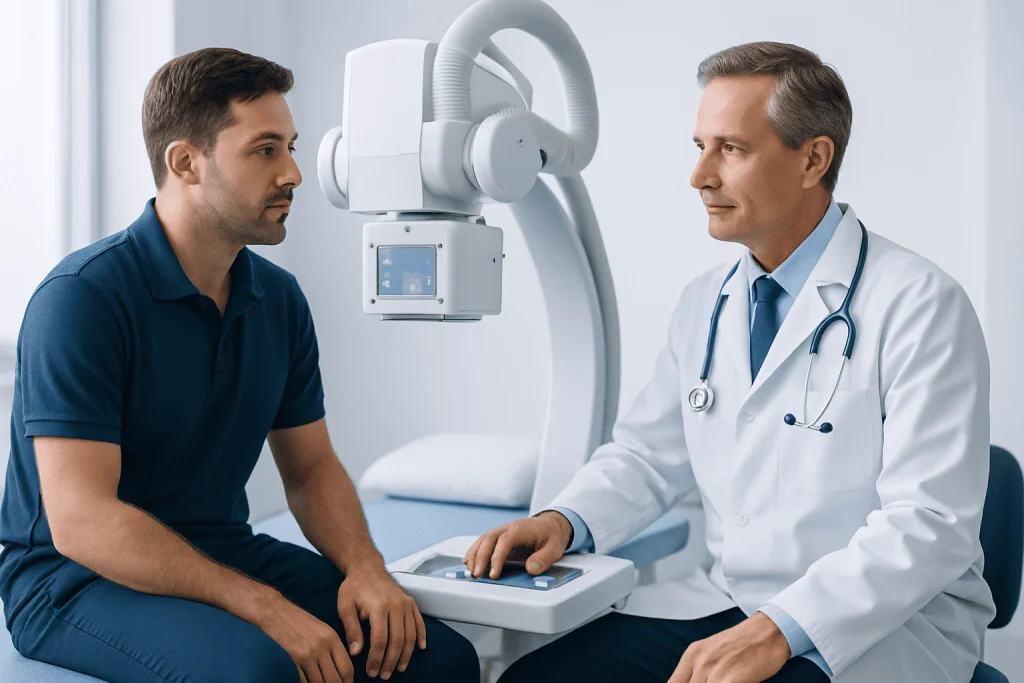
Orthopedists treat both sudden injuries and long-term conditions. Sudden problems include fractures, dislocations, sprains, ligament tears, tendon ruptures, and injuries from sports, falls, work, or traffic accidents. Chronic problems include wear-and-tear joint disease, tendon disorders, bursitis, back and neck conditions, bone deformities, and problems caused by repetitive motion.
One of the most common reasons people see an orthopedist is joint pain related to osteoarthritis. This can affect the knees, hips, hands, shoulders, or spine and may cause stiffness, swelling, or difficulty with daily activities. Orthopedists also evaluate inflammatory conditions, although some patients may need care shared with rheumatology when the cause is autoimmune rather than mechanical.
Common examples of conditions seen in orthopedic practice include:
- Knee, hip, shoulder, or ankle pain
- Fractures and bone stress injuries
- Sports injuries such as meniscus, cartilage, or ligament damage
- Tendon problems, including rotator cuff and Achilles tendon disorders
- Back pain, neck pain, disc problems, and some types of scoliosis
- Carpal tunnel syndrome and certain hand or wrist conditions
- Foot problems such as bunions, instability, and overuse injuries
Because symptoms can overlap, an orthopedist also helps distinguish musculoskeletal conditions from nerve, vascular, or systemic causes of pain. This is one reason specialist evaluation can be useful when symptoms persist or return repeatedly.
Signs and symptoms that may need orthopedic evaluation

Not every ache requires specialist care, but some patterns suggest that an orthopedic assessment may help. Pain that lasts for several weeks, keeps returning, or limits walking, lifting, sports, sleep, or work may need further evaluation. The same is true for symptoms that started after an injury or that have gradually worsened without a clear reason.
Other symptoms that often lead people to an orthopedist include swelling, joint stiffness, reduced range of motion, clicking or locking, instability, weakness, numbness related to a structural problem, and visible deformity. Difficulty bearing weight, limping, or feeling that a joint may “give way” can also suggest a problem involving cartilage, ligaments, tendons, or bone.
Children and older adults may present differently. A child who avoids using a limb, has a persistent limp, or complains of night pain should be assessed by a qualified clinician. In older adults, even a minor fall may cause significant injury, especially when bone strength is reduced. If symptoms affect day-to-day function, an orthopedist can help clarify the cause and treatment options.
How an orthopedist makes a diagnosis
Diagnosis usually begins with a careful medical history and physical examination. The orthopedist asks about the location of pain, how symptoms began, what makes them worse or better, whether there was an injury, and how symptoms affect normal activities. Past surgeries, sports participation, occupation, and other health conditions can also be important clues.
During the physical examination, the doctor may assess posture, walking pattern, swelling, tenderness, joint alignment, flexibility, strength, stability, and nerve function. Specific movement tests can help identify whether pain comes from a joint, tendon, ligament, muscle, or nearby structure. This hands-on assessment is often central to an accurate diagnosis.
Imaging and other tests may be used when needed. X-rays are commonly used to look at bones, alignment, arthritis, and fractures. MRI can show ligaments, cartilage, discs, tendons, and other soft tissues in more detail. CT, ultrasound, bone density testing, or blood tests may be appropriate in selected cases. The goal is not simply to label the problem, but to understand how severe it is and what kind of treatment is most likely to help.
Treatment options: from conservative care to surgery
Many orthopedic conditions improve with non-surgical treatment. Depending on the diagnosis, an orthopedist may recommend rest from aggravating activities, structured exercise, physical therapy, heat or ice, supportive footwear, braces, splints, or walking aids. Pain-relieving or anti-inflammatory medicines may be used in some patients, provided they are appropriate for the person’s general health.
Targeted rehabilitation is often a major part of care. Strengthening, stretching, balance work, and movement retraining can reduce pain and improve function in many conditions affecting the knee, hip, shoulder, back, and ankle. Some patients may also benefit from injections when symptoms are more persistent, although the choice depends on the specific diagnosis and individual factors.
Surgery is considered when symptoms are severe, function is significantly limited, or conservative treatment has not provided enough relief. The type of surgery depends on the problem. Examples include knee replacement for advanced joint damage, hip replacement for painful hip disease, or arthroscopic surgery for selected joint injuries. In some cases, treatment may involve fracture fixation, tendon repair, or scoliosis surgery for specific spinal deformities. An orthopedist explains the expected benefits, limits, risks, and recovery process before any procedure is planned.
Prevention, self-care, and protecting joint health
Although not every musculoskeletal problem can be prevented, many can be reduced through practical habits. Regular physical activity helps maintain muscle strength, joint support, flexibility, balance, and bone health. Exercise does not need to be extreme; a consistent routine that includes walking, resistance training, and mobility work is often beneficial.
Technique and body mechanics matter. Warming up before sports, increasing training gradually, using proper footwear, and taking breaks during repetitive tasks may lower the risk of overuse injuries. At work or home, safe lifting habits and attention to posture can reduce strain on the back and joints. Managing body weight may also reduce stress on weight-bearing joints such as the knees and hips.
For people already living with joint or tendon symptoms, self-care should be guided by the diagnosis rather than myths. Complete rest is not always best, and “pushing through” pain is not always wise. An orthopedist can help find the right balance between protecting an injured area and keeping the body active enough to support recovery.
When to seek medical care
Medical care should be sought promptly after a significant injury, especially if there is severe pain, rapid swelling, visible deformity, inability to bear weight, a joint that looks out of place, numbness, or loss of movement. These signs can suggest a fracture, dislocation, tendon rupture, or another problem needing urgent assessment.
It is also reasonable to arrange an orthopedic evaluation for symptoms that are not emergencies but do not improve. Examples include pain lasting more than a few weeks, repeated joint swelling, frequent ankle sprains, shoulder weakness, locking of the knee, back pain with persistent functional limitation, or symptoms that interrupt sleep and daily activities.
If a primary care doctor has already evaluated the problem, a referral to an orthopedist may help clarify the diagnosis or discuss additional treatment options. For international patients who need specialist assessment, Acibadem International’s multidisciplinary teams and JCI-accredited hospitals provide diagnosis and treatment for a wide range of orthopedic conditions.
Frequently asked questions
What is the difference between an orthopedist and a rheumatologist?
An orthopedist focuses on structural problems of bones, joints, muscles, tendons, ligaments, and the spine, including injuries and mechanical causes of pain. A rheumatologist specializes more in autoimmune and inflammatory diseases such as rheumatoid arthritis and lupus. Some patients benefit from care shared between both specialties.
Do orthopedists always recommend surgery?
No. Many orthopedic conditions are treated successfully without surgery using physical therapy, exercise, medication, braces, injections, or activity changes. Surgery is usually considered when symptoms are severe, function is limited, or non-surgical treatment has not helped enough.
Can an orthopedist treat back pain?
Yes, many orthopedists evaluate back and neck pain, especially when it relates to the spine, discs, joints, posture, injury, or degeneration. Treatment may include rehabilitation, medication, imaging, and in selected cases, procedures or surgery. Severe neurologic symptoms should be assessed promptly.
Should someone see an orthopedist for knee pain?
Knee pain is one of the most common reasons to see an orthopedist, particularly if there is swelling, instability, locking, reduced motion, or pain that persists. The cause may range from overuse and tendon problems to cartilage injury or arthritis. Early assessment can help guide the right treatment and activity plan.
What tests might an orthopedist order?
The first step is usually a medical history and physical examination. Depending on the suspected condition, the orthopedist may request X-rays, MRI, CT, ultrasound, or blood tests. Not every patient needs imaging, and the choice of test depends on symptoms and examination findings.
Can a person go directly to an orthopedist?
In many healthcare systems, yes, although referral rules vary by country, insurance plan, and hospital. Some people first see a primary care doctor, while others book directly with a specialist. If there are urgent symptoms after an injury, immediate medical assessment is more important than the route of referral.
References
- American Academy of Orthopaedic Surgeons
- National Institute of Arthritis and Musculoskeletal and Skin Diseases
- MedlinePlus
- Mayo Clinic
- World Health Organization
This article is for general information only and is not a substitute for professional medical advice. Please consult a qualified doctor about your individual situation.
Joint and spine care in Turkey — expert assessment & treatment
JCI-accredited · board-certified surgeons · reply within 24h
Add us as a Preferred Source to see more of our trusted health content across Google Search, AI Overviews and Discover.

More from the Health Library

Carbs in Carrots: An Evidence-Based Guide for Patients

Gurgle: A Complete Medical Overview

Superiority Complex: An Evidence-Based Guide for Patients

Sunburn and Aloe — Explained by Medical Evidence, Not Myths

Varicose Socks Women — Explained by Medical Evidence, Not Myths

Puffy Face: An Evidence-Based Guide for Patients
Orthopedic Surgery & Traumatology Specialists at Acibadem

Fzt. A.Sercan Soyarslan
Physical Medicine & Rehabilitation
Dr. Abdullah Yener İnce
Orthopedic Surgery & Traumatology
Dr. Adnan Abbasoğlu
Orthopedic Surgery & Traumatology
Prof. Dr. Ahmet Alanay
Orthopedic Surgery & Traumatology