Os Trigonum: A Complete Medical Overview
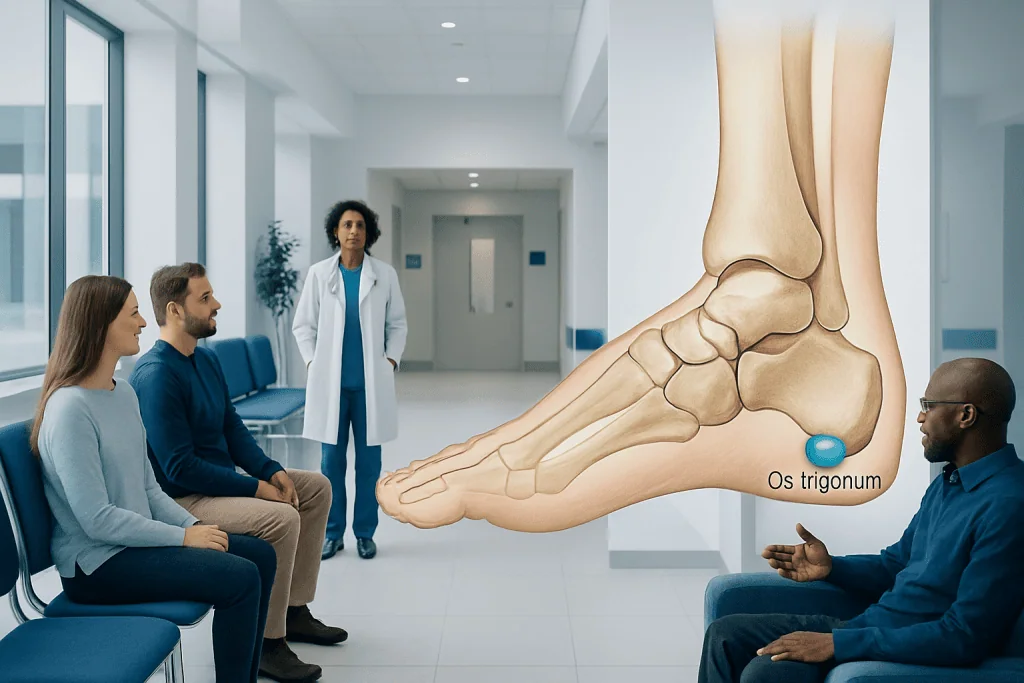
Os trigonum is an accessory bone behind the talus, the ankle bone, and it is often harmless. Symptoms usually appear when the area becomes pinched or inflamed during repeated downward pointing of the foot.
Key Takeaways
- Os trigonum is an accessory bone behind the talus, the ankle bone, and it is often harmless.
- Symptoms usually appear when the area becomes pinched or inflamed during repeated downward pointing of the foot.
- Diagnosis is based on symptoms, physical examination, and imaging such as X-rays or MRI when needed.
- Many people improve with rest, activity changes, physical therapy, and anti-inflammatory treatment.
- Surgery is usually considered only when symptoms persist despite non-surgical care.
Os trigonum is a small extra bone behind the ankle that many people have without symptoms. When it becomes irritated, it can cause pain at the back of the ankle, especially during activities that force the foot downward, such as ballet, soccer, or running.
Overview: What Is Os Trigonum?
Os trigonum is a small extra bone that sits at the back of the ankle, just behind the talus. It develops in some people as a normal anatomical variation. In many cases, it never causes any symptoms and is found only by chance on an X-ray or other scan.
Problems develop when this extra bone and the surrounding soft tissues become compressed between the shin bone and the heel area during certain foot movements. This is often called os trigonum syndrome or posterior ankle impingement. It tends to affect people who repeatedly point the toes downward, including ballet dancers, soccer players, runners, and gymnasts.
Although the condition can be uncomfortable, it is usually manageable. The main goals are to reduce irritation, confirm that the pain is truly coming from the back of the ankle, and guide treatment based on symptom severity, activity level, and response to conservative care.
Symptoms and How It Feels
The most common symptom of os trigonum syndrome is pain at the back of the ankle. This pain often becomes more noticeable when the foot is pointed downward, such as during tiptoe position, kicking, pushing off while running, or descending stairs. Some people feel discomfort only during sports, while others notice lingering pain after activity.
Swelling and tenderness can also occur around the back of the ankle. In some cases, there may be stiffness, a catching sensation, or reduced range of motion. The area may feel sore to press on, especially deep behind the ankle joint.
Symptoms can develop gradually from overuse or start after an ankle injury, such as a sprain. Because posterior ankle pain can have more than one cause, a doctor may also consider conditions such as tendon irritation, inflammation around the joint, or ankle sprain-related problems.
- Pain at the back of the ankle during toe-pointing
- Tenderness or swelling behind the ankle
- Stiffness after activity
- Discomfort during ballet, running, jumping, or kicking
- Reduced ability to fully point the foot
Why It Happens: Causes and Risk Factors

The os trigonum itself is not a disease. It is an accessory bone that forms when a secondary growth center behind the talus does not fully fuse during development. Many people have one and never know it. Symptoms appear only when the tissue around it becomes irritated or the bone gets pinched during motion.
Repeated plantar flexion, which means pointing the toes downward, is the most common trigger. This movement can compress the extra bone and nearby soft tissues between the back of the ankle bones. Sports and activities with frequent toe-pointing place repeated stress on the area and increase the chance of symptoms.
A sudden injury can also play a role. An ankle sprain, forceful downward bending of the foot, or direct trauma may inflame the area and make a previously silent os trigonum painful. In some people, nearby structures such as the flexor hallucis longus tendon, which helps move the big toe, can become irritated at the same time.
- Ballet and dance en pointe or demi-pointe
- Soccer, especially kicking and sudden push-off movements
- Running and jumping sports
- Previous ankle injury or instability
- Tight calf muscles or reduced ankle mobility
How Doctors Diagnose Os Trigonum
Diagnosis begins with a detailed history and physical examination. A doctor will ask when the pain occurs, whether it started after an injury, and which movements make it worse. During the examination, they may press on the back of the ankle and test range of motion to see whether toe-pointing reproduces the pain.
Imaging is often helpful because os trigonum can be seen on standard X-rays. However, since many people have this extra bone without symptoms, the image alone does not confirm the diagnosis. The clinical picture matters just as much as the scan.
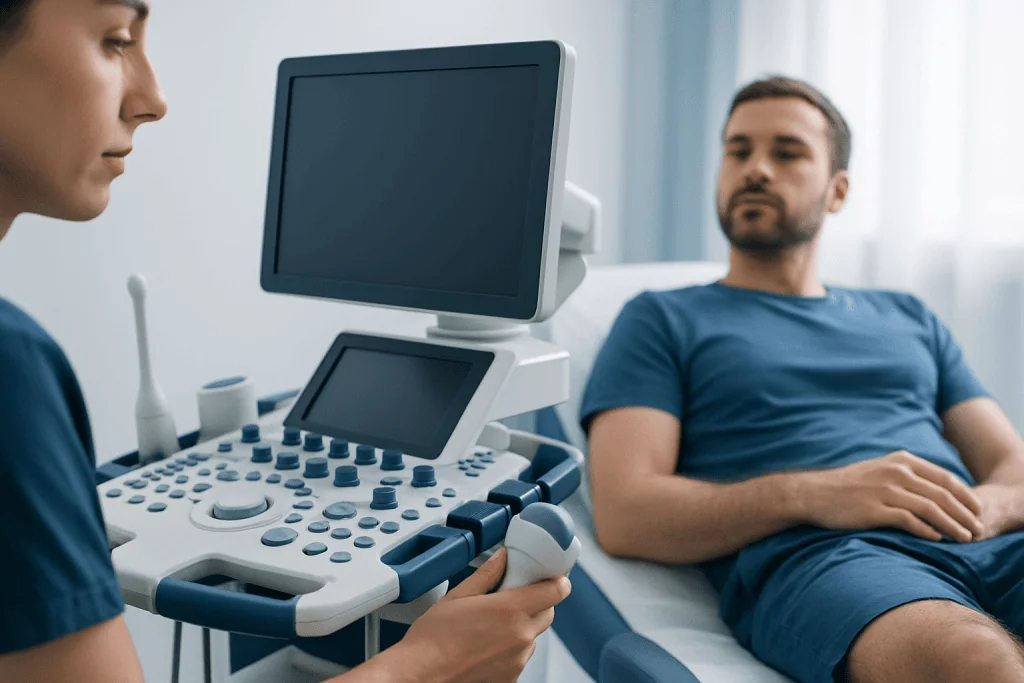
If the cause of pain is unclear, MRI or ultrasound may be used to look for swelling, tendon irritation, inflammation, or other conditions affecting the back of the ankle. In selected cases, CT can provide more detail about bone anatomy. The goal is to distinguish symptomatic os trigonum from other causes of posterior ankle pain and to guide a treatment plan that may include orthopedic rehabilitation when appropriate.
Treatment Options
Most people start with non-surgical treatment. Rest from movements that trigger pain is often the first step, especially activities involving strong toe-pointing. Short-term activity modification, ice, supportive footwear, and general anti-inflammatory measures may help calm the irritated tissue. A clinician may also recommend temporary immobilization in some cases.
Physical therapy can be very useful. Treatment usually focuses on improving ankle mobility, addressing calf tightness, strengthening the muscles around the ankle and foot, and correcting movement patterns that overload the back of the joint. Return to sport is usually gradual, with close attention to symptoms.
When pain continues despite these measures, a doctor may consider image-guided injection in selected patients to reduce inflammation and help confirm the pain source. If symptoms remain persistent and limit daily life or sport, surgery to remove the os trigonum may be discussed. This is generally reserved for cases that do not improve with conservative care. Depending on the individual situation, evaluation by specialists in orthopedics and traumatology or sports medicine may be helpful.
Prevention and Self-care
Not every case can be prevented, especially when an os trigonum is part of a person’s natural anatomy. Still, reducing repeated stress on the back of the ankle can lower the chance of symptoms. A careful training plan, sufficient rest, and attention to technique are especially important for dancers and athletes.
Warm-up and flexibility work may help the ankle move more comfortably. Calf stretching, foot and ankle strengthening, and a gradual increase in training load can support better mechanics. Shoes that provide stability for the activity may also reduce strain, although footwear alone does not correct the condition.
At home, people with mild symptoms often benefit from resting the ankle, avoiding repetitive toe-pointing, using ice after activity, and returning to exercise slowly. If pain keeps coming back, self-care alone may not be enough, and professional assessment is a sensible next step.
When to Seek Medical Care
Medical evaluation is important when ankle pain lasts more than a few days, returns repeatedly, or interferes with walking, sport, or work. Assessment is also recommended if symptoms begin after an injury, since fractures, tendon injuries, and other ankle problems can sometimes feel similar.
Urgent care may be needed if there is severe swelling, inability to bear weight, marked deformity, fever, or sudden worsening pain. These findings may point to a different problem that needs prompt attention.
For ongoing posterior ankle pain, a structured evaluation can help clarify the cause and avoid prolonged irritation. Near the end of the care journey, some patients may need input from a multidisciplinary team. Acibadem International’s specialists in musculoskeletal care and JCI-accredited hospitals diagnose and treat ankle conditions for international patients, including cases where imaging, rehabilitation, or surgery may need to be considered.
Frequently asked questions
Is os trigonum a serious condition?
Os trigonum is usually not serious on its own. It is often a harmless extra bone, but it can become painful if it is repeatedly pinched or inflamed. Most people improve with non-surgical treatment.
Can someone have os trigonum without knowing it?
Yes. Many people have an os trigonum and never develop symptoms. It is often discovered incidentally during imaging for another reason.
What activities make os trigonum pain worse?
Pain is usually worse during activities that involve repeatedly pointing the foot downward. Common examples include ballet, soccer, running, jumping, and pushing off the toes during exercise.
How is os trigonum different from an ankle sprain?
An ankle sprain usually involves stretched or torn ligaments, often after the foot twists. Os trigonum pain is more commonly felt deep at the back of the ankle and is often triggered by toe-pointing rather than twisting. A doctor may need imaging and an examination to tell the difference.
Does os trigonum always need surgery?
No. Surgery is not the first treatment for most people. Rest, physical therapy, and other conservative measures are often effective, and surgery is usually considered only if symptoms continue despite appropriate non-surgical care.
How long does recovery take?
Recovery time depends on symptom severity, activity demands, and the treatment used. Mild cases may improve in weeks with activity modification, while persistent cases can take longer and may require rehabilitation or, less commonly, surgery.
References
- American Academy of Orthopaedic Surgeons
- American Orthopaedic Foot & Ankle Society
- National Institute of Arthritis and Musculoskeletal and Skin Diseases
- Mayo Clinic
- MedlinePlus
This article is for general information only and is not a substitute for professional medical advice. Please consult a qualified doctor about your individual situation.
Explore treatments in Turkey — costs, top hospitals & a free quote
JCI-accredited · board-certified surgeons · reply within 24h
Add us as a Preferred Source to see more of our trusted health content across Google Search, AI Overviews and Discover.