Osteocytes — Explained by Medical Evidence, Not Myths

Osteocytes are mature bone cells embedded within the bone matrix. They help control bone remodeling by communicating with osteoblasts and osteoclasts.
Key Takeaways
- Osteocytes are mature bone cells embedded within the bone matrix.
- They help control bone remodeling by communicating with osteoblasts and osteoclasts.
- Healthy osteocyte function supports bone strength, repair, and mineral balance.
- Aging, inactivity, hormonal changes, and some diseases can affect osteocyte health.
- Osteocytes themselves do not usually cause symptoms, but problems in bone remodeling can lead to fractures or bone loss.
Osteocytes are the main living cells inside bone. They act as sensors and coordinators, helping bones adapt to daily stress, repair small injuries, and maintain mineral balance over time.
Overview: what osteocytes are and why they matter
Osteocytes are mature bone cells that live deep inside the hard structure of bone. They develop from osteoblasts, the cells that build new bone, and become embedded in the mineralized tissue they help create. Rather than being inactive, osteocytes remain highly important throughout life.
These cells form a large communication network inside bone. Through tiny channels, they send and receive signals that help the skeleton respond to physical activity, minor damage, hormonal changes, and shifts in calcium needs. In simple terms, osteocytes help bones “notice” what is happening and coordinate an appropriate response.
This role makes osteocytes central to bone remodeling, the natural process in which old bone is broken down and replaced with new bone. Remodeling is essential for maintaining strength, repairing microscopic wear, and adapting bone structure to everyday mechanical loads. When osteocyte signaling is disrupted, bone can become weaker or less able to repair itself efficiently.
How osteocytes work inside bone
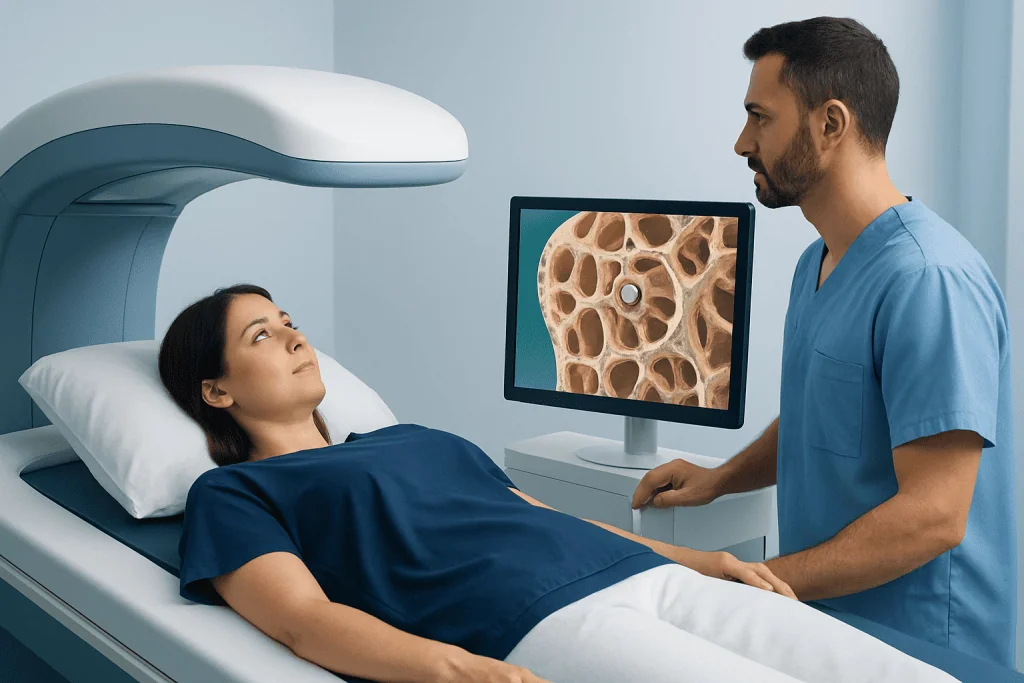
Bone is living tissue, not a static framework. Osteocytes are the most numerous cells in bone, and they act as the tissue’s internal monitoring system. They are especially sensitive to mechanical strain, such as the forces created by walking, lifting, or other movement.
When bone experiences stress, fluid moves through tiny channels around osteocytes. This mechanical signal is converted into a biological message that tells the body whether bone should be preserved, strengthened, or remodeled. In this way, osteocytes help bones adapt to how they are used.
Osteocytes also release signaling molecules that influence other bone cells. They can encourage osteoclasts to remove damaged or unnecessary bone and guide osteoblasts to form new bone where it is needed. This fine balance helps maintain healthy bone density and structure.
In addition, osteocytes contribute to mineral regulation, especially involving calcium and phosphate. Although this is only one part of their job, it highlights how closely bone health is tied to whole-body health.
Osteocytes, osteoblasts, and osteoclasts: understanding the difference
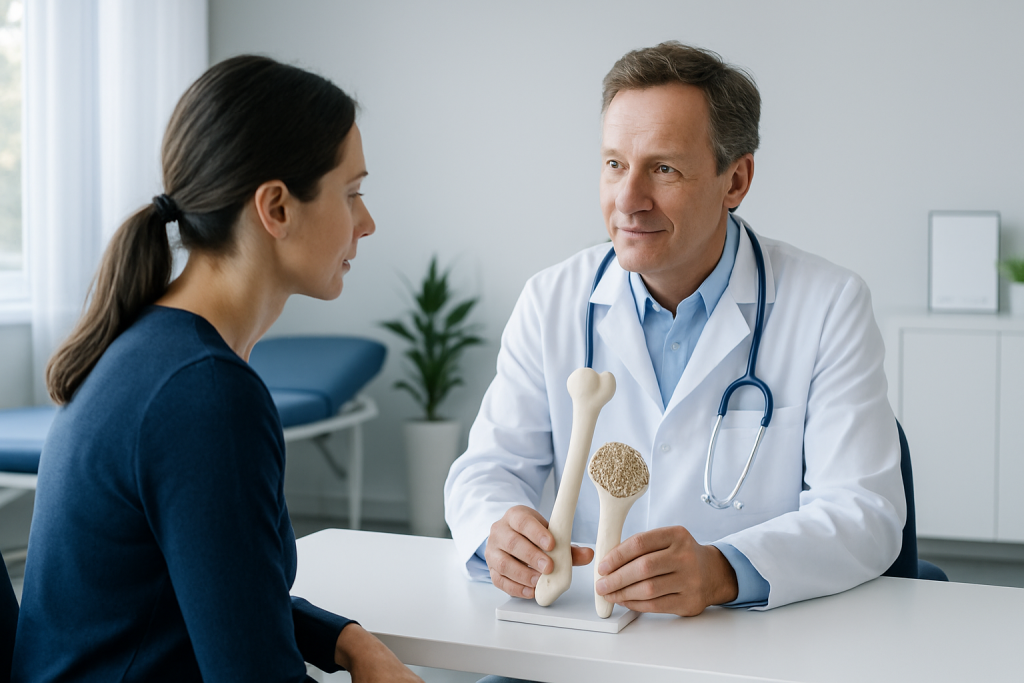
People often hear about bone cells without knowing how they differ. Osteoblasts are the cells that build bone. As they produce new bone matrix, some of them become trapped within it and mature into osteocytes. Osteoclasts are different again: they break down old or damaged bone as part of normal remodeling.
Osteocytes can be understood as the managers of this process. They do not build most new bone directly, and they do not remove large amounts of bone themselves. Instead, they sense what the bone needs and help direct osteoblast and osteoclast activity through chemical signaling.
This balance is important because too much bone breakdown can contribute to low bone density, while poor remodeling can leave bone less resilient. Conditions such as osteoporosis are closely linked to disturbed remodeling, even though the underlying biology can be complex and influenced by age, hormones, nutrition, medications, and activity level.
- Osteoblasts: build new bone
- Osteocytes: monitor bone and coordinate remodeling
- Osteoclasts: break down old bone
What affects osteocyte health and bone remodeling
Osteocyte function changes across the lifespan. With aging, the number and efficiency of these cells may decline, and their signaling can become less effective. This is one reason older adults are more likely to experience reduced bone quality, even when changes in bone density are modest.
Physical activity strongly influences osteocytes because they respond to mechanical loading. Regular weight-bearing exercise helps send signals that support bone maintenance. In contrast, prolonged inactivity, immobilization, or bed rest can reduce healthy stimulation and contribute to bone loss over time.
Hormones also matter. Estrogen, parathyroid hormone, vitamin D, and other signals affect bone turnover and osteocyte behavior. After menopause, lower estrogen levels can shift the balance toward bone breakdown, increasing the risk of fractures. Certain chronic diseases and some medications, such as long-term corticosteroids, may also affect remodeling.
Nutrition supports the environment in which osteocytes function. Adequate calcium, vitamin D, protein, and overall dietary quality are important for healthy bones. However, bone health is rarely about one nutrient alone; it reflects the combined effects of lifestyle, medical history, and genetic factors.
Do osteocytes cause symptoms?
Osteocytes themselves do not usually produce symptoms that a person can feel. They are microscopic cells working continuously inside bone, so there is no direct sensation of osteocyte activity. For that reason, people do not typically seek care because of osteocytes specifically.
Instead, symptoms appear when bone remodeling is disrupted enough to affect bone strength or structure. This may lead to fractures after a minor fall, back pain related to vertebral compression fractures, gradual loss of height, or delayed healing after an injury. In some bone disorders, pain or deformity can occur, but these symptoms reflect the broader condition rather than the osteocytes alone.
Bone loss can remain silent for years. This is why risk assessment and screening are important in people with risk factors for weak bones. If needed, a doctor may evaluate for problems such as bone loss and osteoporosis or other metabolic bone conditions.
How doctors assess bone health when osteocyte function is in question
There is no routine office test that directly measures everyday osteocyte activity in the way blood pressure measures heart function. Instead, doctors assess bone health using a combination of medical history, physical examination, imaging, and laboratory tests when appropriate.
A clinician may ask about fractures, family history, menopause, medication use, nutrition, physical activity, and chronic illnesses. Bone mineral density testing can help estimate fracture risk and identify low bone mass. Blood tests may be used to look for vitamin D deficiency, calcium imbalance, thyroid or parathyroid problems, and other conditions that affect remodeling.
Imaging may be recommended if there is pain, concern for fracture, or another bone disorder. Depending on the clinical situation, evaluation may include bone density scanning or other imaging tests such as MRI to assess bone and surrounding tissues. In more complex cases, specialists in endocrinology, orthopedics, or metabolic bone disease may be involved.
The goal is not only to identify weak bone, but also to understand why it is happening. This helps guide treatment that supports healthier remodeling rather than simply reacting after a fracture occurs.
Treatment and self-care to support healthy bone cells
Treatment is directed at the underlying bone problem rather than at osteocytes alone. If a person has low bone density, osteoporosis, vitamin D deficiency, hormonal imbalance, or another related condition, care is tailored accordingly. Depending on the diagnosis, management may include lifestyle changes, nutritional support, fall prevention, and prescription medicines that slow bone breakdown or support bone formation.
Regular weight-bearing and resistance exercise can help stimulate healthy bone signaling. Good examples may include walking, stair climbing, strength training, and balance-focused activity when medically appropriate. Exercise plans should be individualized, especially for older adults or anyone with fractures, severe osteoporosis, or chronic illness.
Nutrition is another key part of care. Adequate calcium intake, enough vitamin D, sufficient protein, and a generally balanced eating pattern support bone health. Avoiding smoking and limiting excess alcohol are also important because both can contribute to weaker bones over time.
If a fracture or major bone problem is present, treatment may involve specialist care, rehabilitation, or procedures. In selected cases, doctors may evaluate options through orthopedic rehabilitation after fracture or surgery, or through broader orthopedic care when bone strength, healing, or skeletal structure is affected.
When to seek medical care
Medical advice is important if a person has repeated fractures, a fracture after a minor fall, noticeable loss of height, ongoing back pain, or known risk factors for osteoporosis. People taking long-term corticosteroids or living with endocrine, kidney, digestive, or inflammatory disorders may also benefit from bone health assessment.
Urgent care is needed for sudden severe pain after an injury, inability to bear weight, or signs of a possible fracture. Prompt evaluation can help prevent complications and guide appropriate treatment.
For people concerned about bone strength, a qualified doctor can review risk factors and decide whether testing is needed. Near the end of a care pathway, some patients may seek multidisciplinary evaluation at centers such as Acibadem International, where JCI-accredited hospitals and specialists care for international patients with bone and metabolic health concerns.
Frequently asked questions
What are osteocytes in simple terms?
Osteocytes are mature bone cells that live inside bone tissue. Their main job is to sense stress or small areas of damage and help coordinate bone repair and remodeling.
Are osteocytes the same as osteoblasts?
No. Osteoblasts build new bone, while osteocytes are mature cells that develop from osteoblasts and remain embedded within bone. Osteocytes mainly act as sensors and messengers that help regulate other bone cells.
Why are osteocytes important for bone health?
Osteocytes help bones stay strong by directing normal remodeling. They allow bone to adapt to activity, repair microscopic wear, and maintain a healthy balance between bone breakdown and bone formation.
Can osteocyte problems cause osteoporosis?
Osteoporosis is a complex condition, but abnormal osteocyte signaling can contribute to poor bone remodeling. Usually, bone loss develops from a combination of factors such as aging, hormonal changes, inactivity, nutrition, medications, and medical conditions.
How can a person support healthy osteocyte function?
Healthy habits that support overall bone health also support osteocytes. These include regular weight-bearing exercise, enough calcium and vitamin D, adequate protein, avoiding smoking, limiting excess alcohol, and managing medical conditions with a doctor.
Can doctors test osteocytes directly?
Not in routine everyday clinical practice. Instead, doctors evaluate bone health through history, physical examination, bone density testing, imaging when needed, and blood tests that look for conditions affecting bone remodeling.
References
- National Institutes of Health
- National Institute of Arthritis and Musculoskeletal and Skin Diseases
- International Osteoporosis Foundation
- American Academy of Orthopaedic Surgeons
- Endocrine Society
This article is for general information only and is not a substitute for professional medical advice. Please consult a qualified doctor about your individual situation.
Explore treatments in Turkey — costs, top hospitals & a free quote
JCI-accredited · board-certified surgeons · reply within 24h
Add us as a Preferred Source to see more of our trusted health content across Google Search, AI Overviews and Discover.