Osteoporosis Fractures: Bone Fragility, Screening, and Prevention
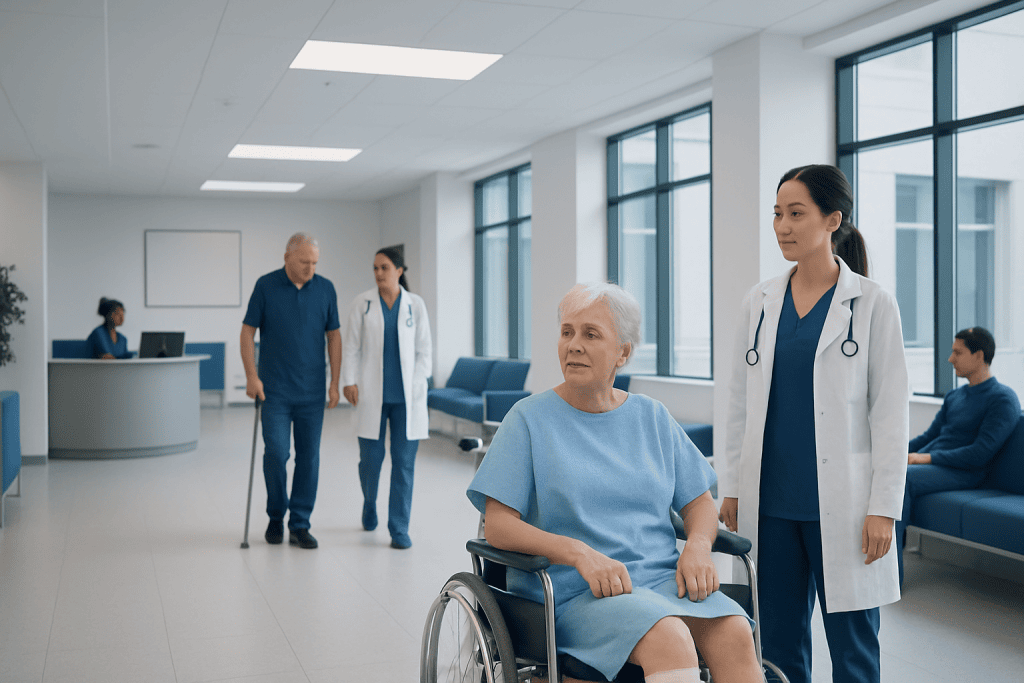
Osteoporosis is often silent until a fragility fracture occurs, commonly in the hip, spine, wrist, or upper arm. Bone density testing with DXA helps diagnose osteoporosis and estimate future fracture risk.
Key Takeaways
- Osteoporosis is often silent until a fragility fracture occurs, commonly in the hip, spine, wrist, or upper arm.
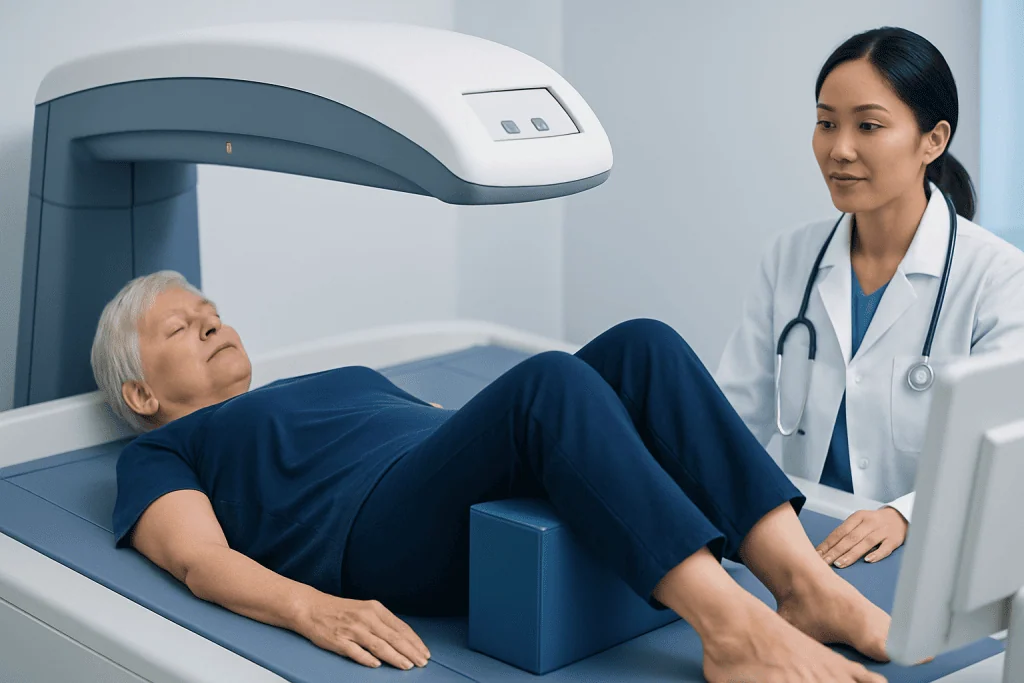
- Bone density testing with DXA helps diagnose osteoporosis and estimate future fracture risk.
- Risk factors include aging, menopause, family history, previous fractures, low body weight, smoking, alcohol use, and some medicines or medical conditions.
- Treatment may include calcium and vitamin D optimization, exercise, fall prevention, and prescription medicines when needed.
- A fracture after a low-impact fall should prompt evaluation for osteoporosis, even if the person has never had bone symptoms before.
Osteoporosis fractures occur when weakened bones break more easily than expected, often after a minor fall or simple movement. Early screening, healthy habits, fall prevention, and appropriate treatment can greatly reduce fracture risk and support long-term mobility.
Overview
Osteoporosis is a condition in which bones lose strength and become more fragile. The word means porous bone, but the most important concern is not the appearance of bone under a microscope; it is the increased chance of breaking a bone from a low-impact event. An osteoporosis fracture, also called a fragility fracture, may happen after a fall from standing height, a minor bump, lifting an object, or even bending and twisting in daily life.
The most common sites are the hip, spine, wrist, and upper arm. Vertebral compression fractures in the spine can occur with little or no clear injury and may cause back pain, height loss, or a curved posture. Hip fractures are especially important because they often require urgent medical care and a period of rehabilitation. Wrist and shoulder fractures can also affect independence, work, and daily activities.
Osteoporosis is common with aging, but it is not an unavoidable part of getting older. Bone strength is influenced by genetics, hormones, nutrition, physical activity, medical conditions, and medicines. The reassuring message is that osteoporosis can be identified, monitored, and treated. Screening and prevention can reduce fracture risk before the first fracture occurs, and treatment after a fracture can help prevent additional fractures.
Symptoms and Warning Signs
Osteoporosis is often called a silent disease because bone loss usually develops without pain or visible symptoms. Many people feel well until a fracture happens. For this reason, a person can have significant bone fragility even if they are active and have never noticed bone problems.
Warning signs may appear when a fracture occurs. A wrist fracture after slipping on a level surface, a hip fracture after a simple fall, or a spinal compression fracture after lifting or bending can all suggest underlying bone weakness. Spine fractures may cause sudden or gradual back pain, reduced height, a stooped posture, or difficulty standing upright for long periods. Sometimes spinal fractures are discovered on X-rays or scans done for another reason.
People should not dismiss a low-impact fracture as bad luck alone, particularly after midlife. A fragility fracture is an important medical clue that bone health needs assessment. Identifying osteoporosis after the first fracture is a key opportunity to prevent a second fracture.
- New back pain after a minor movement or no clear injury
- Loss of height over time
- Increasingly rounded upper back posture
- Fracture after a fall from standing height or less
- Repeated fractures or fractures that seem out of proportion to the injury
Causes and Risk Factors
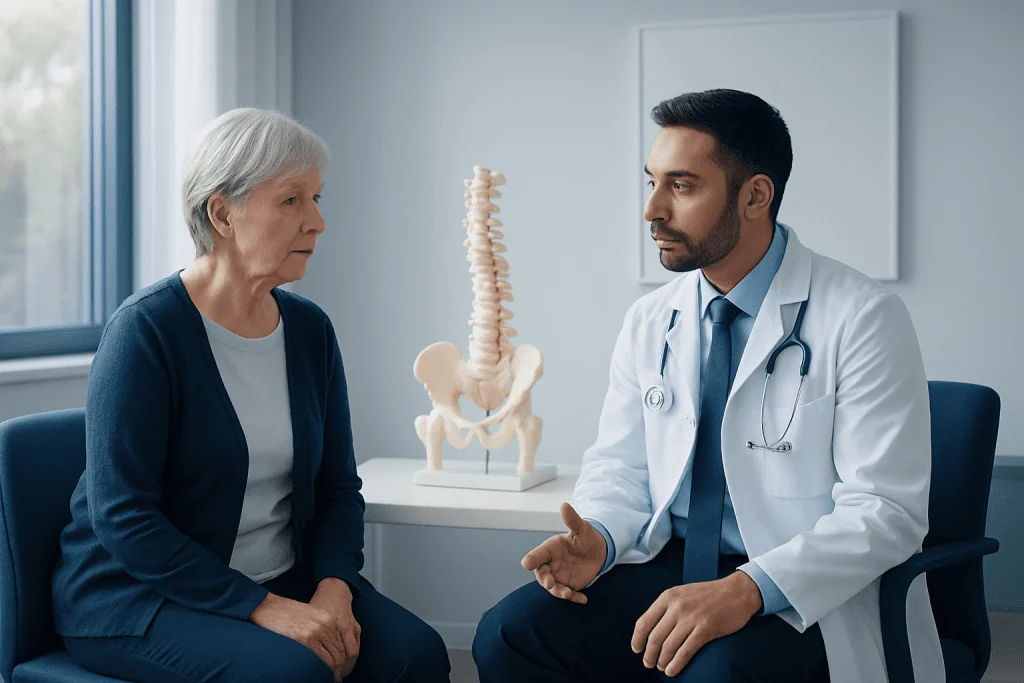
Bone is living tissue that is constantly renewed. During childhood and young adulthood, the body builds bone mass. Later in life, bone breakdown can begin to exceed bone formation. Osteoporosis develops when bone density and bone quality decline enough to make the skeleton less resistant to everyday stress.
Age is a major risk factor, and women have an increased risk after menopause because estrogen levels fall. However, men can also develop osteoporosis, especially with advancing age or certain health conditions. A personal history of a fragility fracture is one of the strongest predictors of future fractures. Family history is also important, particularly a parent who had a hip fracture.
Several lifestyle and health factors can contribute to bone fragility. These include low body weight, inadequate calcium or vitamin D intake, limited physical activity, smoking, and excessive alcohol use. Some medical conditions affect bone health, such as rheumatoid arthritis, thyroid or parathyroid disorders, chronic kidney disease, celiac disease, inflammatory bowel disease, and conditions that reduce sex hormones. Long-term use of certain medicines, especially glucocorticoids, can also increase risk.
Risk is not determined by one factor alone. Doctors consider age, sex, fracture history, bone density, fall risk, medical conditions, and medication use together. This combined view helps guide whether screening, lifestyle changes, or prescription treatment is recommended.
Screening and Diagnosis
Screening aims to find low bone density before a fracture occurs or to evaluate bone health after a fracture. The most widely used test is dual-energy X-ray absorptiometry, commonly called DXA or DEXA. It is a low-radiation scan that measures bone mineral density, usually at the hip and spine. Results are reported with a T-score, which compares bone density with that of a healthy young adult.
A T-score of -2.5 or lower is generally consistent with osteoporosis. A T-score between -1.0 and -2.5 is called low bone mass or osteopenia; it does not always require medication, but it can still be important when other risk factors are present. Doctors may also use fracture risk assessment tools to estimate a person’s chance of having a major osteoporotic fracture or hip fracture in the coming years.
Screening recommendations vary by country and individual risk. In general, bone density testing is considered for women aged 65 and older, men aged 70 and older, and younger postmenopausal women or men over 50 who have risk factors. Anyone with a low-impact fracture after age 50 should be evaluated for osteoporosis. People taking long-term glucocorticoids or those with conditions known to affect bone health may need earlier testing.
Diagnosis may also include blood and urine tests to look for contributing causes. These can include vitamin D levels, calcium levels, kidney function, thyroid function, and other tests based on the person’s history. Imaging may be needed if a spine fracture is suspected. The goal is not only to name the condition, but also to understand why bone loss is happening and how best to reduce future risk.
Treatment Options
Treatment is individualized according to fracture history, bone density, age, overall health, and personal preferences. For some people with mild risk, the first step may be nutrition, exercise, and fall prevention. For others, especially those with a previous fragility fracture or very low bone density, prescription medicine may be recommended to lower the risk of future fractures.
Several classes of osteoporosis medicines are available. Antiresorptive medicines slow bone breakdown, while anabolic medicines help stimulate new bone formation. The choice depends on fracture risk, kidney function, other medical conditions, route of administration, potential side effects, and treatment goals. Patients should discuss benefits and risks with their doctor and should not stop or change prescribed osteoporosis medicine without medical advice.
Fracture care itself depends on the fracture site and severity. Wrist and upper arm fractures may be treated with immobilization, therapy, or surgery. Hip fractures often require surgical repair or replacement, followed by rehabilitation. Spinal compression fractures are usually managed with pain control, gradual activity, bracing in selected cases, and exercises to improve posture and strength. Procedures may be considered for specific patients, but they are not needed for everyone.
Osteoporosis care works best when it is coordinated. Orthopedics, endocrinology, physical therapy, rehabilitation, nutrition, and primary care may all have roles. At Acibadem International, multidisciplinary specialists in JCI-accredited hospitals diagnose and treat osteoporosis-related fractures for international patients, with care plans adapted to individual medical needs.
Prevention and Self-care
Prevention begins with the foundations of bone health: adequate calcium, sufficient vitamin D, regular weight-bearing activity, muscle strengthening, and avoiding tobacco. Calcium is best obtained through a balanced diet when possible, including dairy products, fortified foods, leafy greens, and other calcium-rich choices. Vitamin D helps the body absorb calcium and supports muscle function. Some people need supplements, but the right amount should be discussed with a healthcare professional, especially for those with kidney disease or a history of kidney stones.
Exercise supports bone and reduces fall risk. Weight-bearing activities such as walking, stair climbing, and low-impact aerobics help stimulate bone. Strength training improves muscles that protect joints and support balance. Balance and posture exercises are especially useful for older adults and for people who have had a fracture. Exercise plans should be safe and realistic, particularly for people with spine fractures or severe osteoporosis.
Fall prevention is a major part of fracture prevention. Many fractures occur because a fall combines with weak bone. Home safety steps can make a meaningful difference: improve lighting, remove loose rugs, install grab bars in bathrooms, keep walkways clear, and wear supportive shoes. Vision checks, hearing care, medication review, and management of dizziness or low blood pressure can also reduce falls.
Self-care also includes taking medicines correctly, attending follow-up visits, and repeating bone density tests when recommended. People with osteoporosis should learn safe movement patterns, such as bending from the hips rather than rounding the spine when lifting. Maintaining protein intake, treating underlying medical conditions, and limiting alcohol also support bone and muscle health.
Living After an Osteoporosis Fracture
Recovering from a fragility fracture is not only about healing the broken bone. It is also a chance to improve strength, confidence, and future safety. Many people become less active after a fracture because they fear falling again. While caution is understandable, prolonged inactivity can weaken muscles, reduce balance, and contribute to more bone loss. A guided return to activity is usually healthier than avoiding movement altogether.
Rehabilitation can help restore mobility, teach safe transfers, and improve balance. After a hip fracture, therapy often focuses on walking, leg strength, and independence with daily tasks. After a wrist or shoulder fracture, therapy may help restore hand, arm, and shoulder function. After a spine fracture, posture training and core strengthening may help reduce strain and support daily comfort.
Emotional recovery matters as well. Pain, temporary loss of independence, and worry about future fractures can affect mood and sleep. Patients and families should ask questions, clarify the recovery plan, and report persistent pain, new symptoms, or difficulty managing at home. Supportive care, realistic goals, and regular follow-up can help people return to daily life with more confidence.
When to See a Doctor
A doctor should be consulted after any fracture caused by a low-impact fall or minor injury, especially in adults over 50. This type of fracture may be the first sign of osteoporosis. Prompt evaluation helps guide fracture treatment, pain control, rehabilitation, and prevention of future fractures.
Medical advice is also recommended for people with unexplained height loss, new back pain, a stooped posture, or risk factors such as long-term steroid use, early menopause, low body weight, or a strong family history of hip fracture. People who have already been diagnosed with osteopenia or osteoporosis should attend follow-up appointments to review bone density, fall risk, medicine use, and any new fractures.
Urgent care is needed for severe pain after a fall, inability to stand or walk, visible deformity, numbness, weakness, or loss of bladder or bowel control with back pain. These symptoms do not always mean a serious complication, but they should be assessed quickly. With timely diagnosis and a prevention plan, many people with osteoporosis can protect mobility and reduce the risk of further fractures.
Frequently asked questions
What is an osteoporosis fracture?
An osteoporosis fracture is a broken bone that occurs because the bone has become fragile. It often happens after a low-impact fall, such as falling from standing height, or after a simple movement like bending or lifting. The hip, spine, wrist, and upper arm are common sites.
Can osteoporosis be present without symptoms?
Yes. Osteoporosis usually does not cause symptoms until a fracture occurs. This is why screening is important for people at higher risk, even if they feel well and remain active.
Who should have a bone density test?
Bone density testing is commonly considered for women aged 65 and older, men aged 70 and older, and younger adults with risk factors. Anyone over 50 who has a low-impact fracture should be evaluated for osteoporosis. A doctor can recommend the right timing based on personal risk.
Is osteopenia the same as osteoporosis?
No. Osteopenia means bone density is lower than normal but not low enough to meet the usual definition of osteoporosis. Some people with osteopenia still have a meaningful fracture risk, especially if they have other risk factors, so medical guidance is important.
Can exercise help if someone already has osteoporosis?
Yes, appropriate exercise can help maintain bone strength, improve balance, and reduce fall risk. Weight-bearing, strengthening, balance, and posture exercises are often helpful. People with severe osteoporosis or spine fractures should ask a healthcare professional which movements are safest.
Are osteoporosis medicines always needed after a fracture?
Not always, but a fragility fracture often indicates a higher risk of future fractures, so medication may be recommended. The decision depends on the fracture type, bone density results, age, medical history, and overall fracture risk. A qualified doctor can explain the benefits and possible side effects of available options.
How can family members help prevent fractures at home?
Family members can help by reducing fall hazards, improving lighting, securing loose rugs, and encouraging supportive footwear. They can also support follow-up visits, medication routines, good nutrition, and safe physical activity. These practical steps can make daily life safer for someone with bone fragility.
References
- World Health Organization
- International Osteoporosis Foundation
- National Institute for Health and Care Excellence
- Endocrine Society
- American Academy of Orthopaedic Surgeons
This article is for general information only and is not a substitute for professional medical advice. Please consult a qualified doctor about your individual situation.
Fractures in Turkey — costs, top hospitals & a free quote
JCI-accredited · board-certified surgeons · reply within 24h
Add us as a Preferred Source to see more of our trusted health content across Google Search, AI Overviews and Discover.

Orthopedics & Spine
Care for bones, joints and the musculoskeletal system, including joint replacement, sports injuries and trauma.
125 specialists in this unit