Osteoporosis Lumbar Spine Treatment: How It Works, Results and What to Expect

Lumbar spine osteoporosis can progress silently until a vertebral compression fracture causes pain, height loss or a stooped posture. Treatment is individualized according to bone-density results, previous fractures, age, other health conditions and overall fracture risk.
Key Takeaways
- Lumbar spine osteoporosis can progress silently until a vertebral compression fracture causes pain, height loss or a stooped posture.
- Treatment is individualized according to bone-density results, previous fractures, age, other health conditions and overall fracture risk.
- Bone-strengthening medicines can lower fracture risk, but benefits develop over months to years and require follow-up.
- Weight-bearing activity, resistance training, adequate calcium and vitamin D, and fall prevention support medical treatment.
- Sudden severe back pain, new loss of height, weakness or bowel or bladder changes need prompt medical assessment.
Osteoporosis lumbar spine treatment aims to reduce the risk of vertebral fractures, preserve mobility and strengthen bone over time. Care commonly combines assessment of fracture risk, medication when indicated, nutrition, appropriate exercise and fall-prevention measures.
Overview: what osteoporosis lumbar spine treatment involves
Osteoporosis lumbar spine treatment is designed to lower the chance of fractures in the lower back and elsewhere in the body. It usually includes identifying the cause of bone loss, measuring fracture risk, supporting bone health through nutrition and exercise, preventing falls, and using medication when the risk of fracture is high enough to justify it.
The lumbar spine consists of five vertebrae in the lower back. Osteoporosis makes the internal structure of these vertebrae thinner and less resilient. The condition itself often causes no symptoms, but a weakened vertebra can develop a compression fracture during a fall, a forceful movement, or sometimes ordinary activities such as bending or lifting.
Care is not a single procedure. Instead, it is a structured plan led by clinicians such as endocrinologists, rheumatologists, geriatricians, orthopedic specialists, spine specialists, physiotherapists and dietitians when needed. The main aim is to prevent a first fracture or another fracture while helping the person remain active and independent.
How serious is osteoporosis in the lumbar spine?
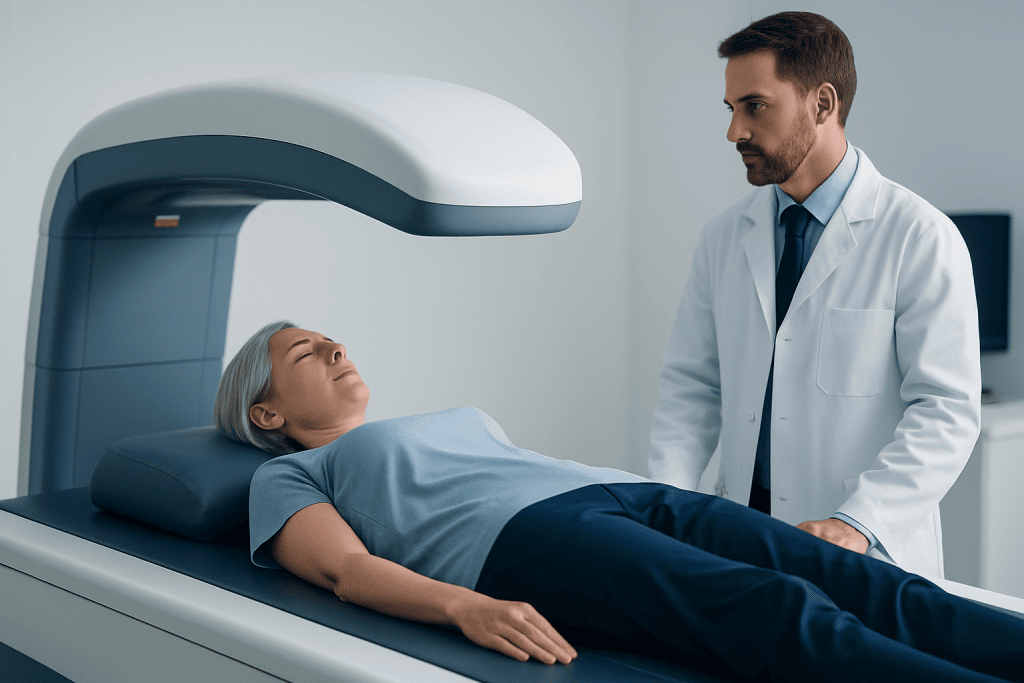
Osteoporosis in the lumbar spine is important because vertebral fractures are common osteoporotic fractures and can affect comfort, posture, breathing, mobility and confidence with daily activities. A fracture can occur with little or no trauma, particularly in people with very low bone density or a previous fragility fracture.
Not every person with low bone density will develop a vertebral fracture. However, a previous vertebral fracture substantially increases the likelihood of future fractures, including fractures of the hip and other bones. This is why early risk assessment and appropriate treatment are valuable even when a person feels well.
Some spinal compression fractures are found incidentally on an X-ray or other scan. Others cause sudden mid- or low-back pain, a decrease in height, or increasing forward curvature of the upper back. New severe pain should not be assumed to be osteoporosis without assessment, because back pain can have many possible causes.
Causes, risk factors and candidacy for treatment
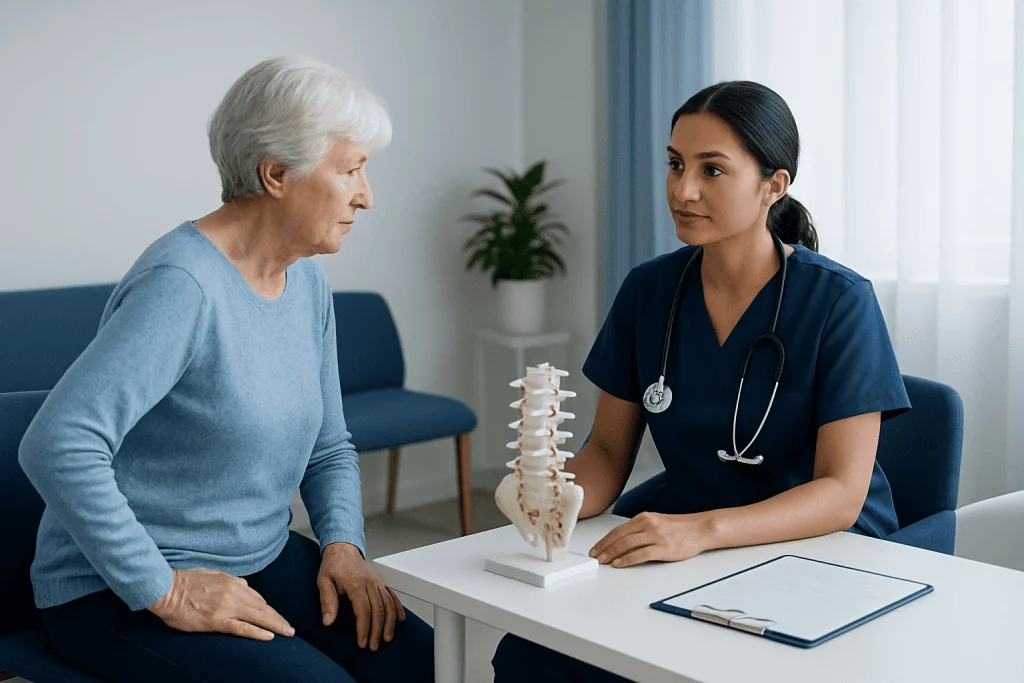
Age-related bone loss is common, particularly after menopause when estrogen levels decline. Osteoporosis may also occur in men, in younger adults with certain medical conditions, or as a side effect of medicines that affect bone metabolism. Long-term corticosteroid treatment is one example that may increase risk.
Other factors that may contribute include a family history of hip fracture, low body weight, smoking, heavy alcohol use, low calcium or vitamin D intake, limited physical activity, early menopause, malabsorption conditions, thyroid or parathyroid disorders, chronic kidney or liver disease, and inflammatory diseases. A clinician will consider the full history rather than relying on one risk factor alone.
People may be candidates for prescription osteoporosis treatment if they have osteoporosis on bone-density testing, a prior fragility fracture, very high estimated fracture risk, or bone loss related to a significant medical risk factor. The decision should consider kidney function, dental health, pregnancy potential where relevant, current medicines, and the person’s preferences and ability to follow the plan.
Related conditions affecting mobility and spinal symptoms may require separate evaluation. For example, persistent radiating leg pain or numbness may suggest a nerve-related problem rather than a vertebral fracture alone.
Assessment and step-by-step treatment planning
The first step is a clinical assessment. A doctor asks about fractures, falls, height loss, back pain, family history, diet, activity, menstrual or hormonal history when relevant, and medicines. They may measure height and posture and assess balance, muscle strength and areas of spinal tenderness.
A dual-energy X-ray absorptiometry, usually called a DXA or DEXA scan, measures bone mineral density at the lumbar spine and hip. Fracture-risk tools may help estimate future risk, but they do not replace clinical judgment. Spine X-rays or vertebral fracture assessment imaging may be recommended when there is unexplained height loss, back pain, a stooped posture, or concern for a previous vertebral fracture.
Blood and urine tests may be used to look for contributing causes of bone loss. Depending on the individual, these can include tests related to calcium, vitamin D, kidney function, thyroid function and other metabolic or hormonal factors. Addressing an underlying cause is an important part of effective care.
After assessment, the clinician and patient agree on a plan. This includes setting realistic goals, choosing whether medication is needed, arranging lifestyle support, and scheduling follow-up. Repeat bone-density testing is generally performed at intervals chosen according to risk and treatment type rather than on a fixed timetable for everyone.
Treatment options: how they work, benefits and risks
Medication may be recommended to reduce fracture risk. Antiresorptive medicines slow the breakdown of bone, helping preserve or improve bone density. Bone-building medicines stimulate new bone formation and may be considered for people at very high fracture risk, such as those with multiple vertebral fractures or markedly low bone density. Some treatments are tablets, while others are injections or infusions given at different intervals.
The best medicine depends on fracture risk, health conditions, kidney function, previous treatment, tolerance and access to follow-up. A clinician should explain the expected benefits, possible side effects and what happens if treatment is stopped. Certain medicines require a planned transition to another therapy after discontinuation to avoid a rapid loss of the protective effect.
Potential side effects vary by medication. They may include digestive symptoms with some tablets, temporary flu-like symptoms after some infusions, or changes in calcium levels. Rare complications can occur with particular medicines, including jawbone problems or unusual thigh-bone fractures. These risks are weighed against the more common and potentially serious consequences of osteoporotic fractures.
Vitamin D and calcium are essential for bone health, but supplements do not replace osteoporosis medicines when medication is indicated. A clinician can advise whether food intake is sufficient and whether supplements are appropriate. For individualized evaluation and coordinated care, Acibadem International’s multidisciplinary specialists and JCI-accredited hospitals diagnose and treat osteoporosis for international patients.
How quickly does osteoporosis treatment work?
Osteoporosis treatment begins working biologically after treatment is started, but it does not rebuild or strengthen bone overnight. Medicines lower fracture risk over time, with meaningful benefit generally assessed over months and continuing with consistent treatment. The exact timeframe varies with the medicine used, baseline fracture risk and whether a person has already had fractures.
Bone-density changes are often gradual. A DXA scan may not show a large change immediately, and treatment success is not judged only by the scan result. Avoiding new fractures, taking treatment consistently, correcting vitamin D or calcium deficiency when present, and improving balance and strength are also important markers of progress.
Acute pain from a vertebral compression fracture has its own recovery pattern. Pain may improve over several weeks, although some people need longer-term rehabilitation or pain management. Ongoing or worsening pain should be reassessed to confirm the cause and review the treatment plan.
Recovery, self-care and what not to do with lumbar osteoporosis
There is no recovery period after a DXA scan or most outpatient osteoporosis treatments, although some injections or infusions may cause short-lived side effects. If a vertebral fracture has occurred, recovery commonly involves pain management, gradual restoration of movement, guided physiotherapy and strategies to reduce the risk of additional fractures. The pace should be individualized.
People with lumbar osteoporosis should avoid activities that sharply flex, twist or overload the spine, especially when they are unaccustomed to them. Examples include repetitive toe-touching, forceful sit-ups, deep forward bends while lifting, sudden twisting under load, and lifting heavy objects with a rounded back. This does not mean avoiding movement; safe movement and supervised strengthening are usually beneficial.
Appropriate exercise may include walking or other weight-bearing activity, resistance exercises, posture training, balance work and exercises that strengthen back extensor muscles. A physiotherapist can tailor a programme after considering pain, fracture history, mobility and fall risk. Swimming and cycling support fitness but may not provide enough weight-bearing stimulus on their own for bone health.
Fall prevention is equally important. Practical steps include reviewing vision, checking footwear, improving home lighting, removing loose rugs and clutter, using mobility aids if advised, and asking a clinician to review medicines that can cause dizziness or sleepiness.
What is the most painful stage of osteoporosis?
Osteoporosis itself is usually painless, including when bone density is declining. The most painful period is often an acute vertebral compression fracture, when a weakened vertebra collapses or changes shape. Pain may be sudden and localized in the back, and it can become worse with standing, walking, bending or changing position.
Pain intensity differs widely. Some vertebral fractures cause only mild symptoms or no recognized pain, while others significantly limit movement for a time. Pain can improve as the fracture heals, but altered posture, muscle strain or multiple fractures may contribute to persistent discomfort in some people.
Severe back pain should be medically assessed rather than self-treated as osteoporosis. Clinicians may use examination and imaging to distinguish a compression fracture from other concerns such as muscle injury, spinal arthritis, infection, cancer-related disease or nerve compression.
When to seek medical care
A person should arrange a medical appointment if they have risk factors for osteoporosis, have lost height, have developed a more rounded posture, have had a fracture after a minor fall, or are taking medicines known to affect bone. Screening may be particularly appropriate for older adults and people with risk factors, based on local clinical guidance and individual circumstances.
Prompt medical assessment is advisable for new, unexplained or severe back pain, especially after a fall or minor strain. Urgent care is needed for back pain with new leg weakness, numbness in the groin area, loss of bladder or bowel control, fever, unexplained weight loss, or pain following significant trauma.
Regular follow-up helps ensure that medication is still suitable, lifestyle goals remain practical and any side effects are addressed. People should not stop an osteoporosis medicine without discussing it with the prescribing clinician, as stopping some therapies abruptly may increase fracture risk.
Frequently asked questions
Can osteoporosis in the lumbar spine be reversed?
Bone density can sometimes improve with treatment, particularly with bone-building medicines and correction of contributing problems such as vitamin D deficiency. However, treatment is usually focused on reducing future fracture risk rather than promising a complete reversal of osteoporosis. Long-term follow-up helps determine whether the plan is working.
Does lumbar spine osteoporosis always cause back pain?
No. Osteoporosis usually has no symptoms until a fracture occurs. Back pain may occur with a vertebral compression fracture, but it can also result from many other spinal or muscular conditions. New or persistent pain should be assessed by a qualified clinician.
What exercises are safest for lumbar osteoporosis?
Walking, tailored resistance training, balance exercises and posture-focused strengthening are commonly recommended. The safest plan depends on whether the person has had a vertebral fracture, current pain, balance concerns or other medical conditions. A physiotherapist can provide individual guidance.
Do calcium and vitamin D alone treat lumbar osteoporosis?
Calcium and vitamin D support normal bone health and may correct dietary or laboratory deficiencies. They may not be enough to reduce fracture risk in a person with established osteoporosis or a previous fragility fracture. Prescription medicine may be needed depending on overall risk.
How often should bone density be checked during treatment?
The timing varies according to the person’s risk level, treatment type and previous scan results. Bone-density testing is usually repeated after enough time has passed for a meaningful result, rather than very frequently. The treating clinician can recommend an appropriate schedule.
Can a lumbar compression fracture heal?
Many vertebral compression fractures improve with time, pain management and carefully guided activity. The shape of the vertebra may not fully return to its previous form, and preventing another fracture remains important. Persistent or severe symptoms may require further evaluation and rehabilitation.
References
- National Institute of Arthritis and Musculoskeletal and Skin Diseases
- International Osteoporosis Foundation
- National Osteoporosis Foundation
- National Institute for Health and Care Excellence
- World Health Organization
This article is for general information only and is not a substitute for professional medical advice. Please consult a qualified doctor about your individual situation.
Joint and spine care in Turkey — expert assessment & treatment
JCI-accredited · board-certified surgeons · reply within 24h
Add us as a Preferred Source to see more of our trusted health content across Google Search, AI Overviews and Discover.

More from the Health Library



Related Specialists

Dr. Mustafa Engin Çakmakçı
Otorhinolaryngology
Dr. Burcu Duran Tak
Acibadem Life Clinical Service
Dt. Okan Gültekin
Oral & Dental Health
Dr. Nalyan Shener Gulagiz
Emergency Service