Osteoporosis Prevention: Exercise, Vitamin D, and Fracture Risk Reduction

Osteoporosis often develops silently, so prevention should begin before a fracture happens. Weight-bearing, resistance, and balance exercises help maintain bone strength and lower fall risk.
Key Takeaways
- Osteoporosis often develops silently, so prevention should begin before a fracture happens.
- Weight-bearing, resistance, and balance exercises help maintain bone strength and lower fall risk.
- Vitamin D supports calcium absorption, and both are important for healthy bones.
- Smoking, heavy alcohol use, low body weight, and some medications can increase fracture risk.
- Bone density testing can help identify people who need earlier treatment or closer follow-up.
Osteoporosis prevention aims to keep bones strong and reduce the chance of fractures as people age. Regular exercise, enough vitamin D and calcium, and practical fall-prevention habits are the main pillars of protecting bone health.
Overview
Osteoporosis is a condition in which bones become less dense and more fragile over time. This raises the risk of fractures, especially in the hip, spine, and wrist. Because bone loss usually happens gradually and without obvious symptoms, many people do not know they have osteoporosis until a minor fall or everyday movement leads to a broken bone.
Prevention is important at every age, but it becomes especially relevant in midlife and older adulthood. Bone is living tissue that constantly changes. During childhood and early adulthood, the body generally builds bone faster than it breaks it down. Later in life, this balance can shift, making it easier for bone mass to decline.
Good prevention does not rely on one single habit. Instead, it combines regular physical activity, good nutrition, healthy lifestyle choices, and attention to fall risk. In some people, screening and medical treatment may also be needed to reduce the chance of future fractures.
Why Osteoporosis Prevention Matters
Fractures related to osteoporosis can have a major effect on mobility, independence, and quality of life. A hip fracture may require surgery and rehabilitation. Spinal fractures can cause pain, loss of height, and changes in posture. Even wrist fractures can make daily activities harder during recovery.
Prevention matters because the goal is not only to improve bone density but also to avoid injuries that can affect long-term health. Reducing fracture risk means strengthening bone while also lowering the chance of falls. This is why exercise, home safety, vision care, and medication review all play a role.
People who already have low bone mass, called osteopenia, can still take meaningful steps to protect bone health. Early action may slow further bone loss and reduce the likelihood of progression to osteoporosis. For some, prevention also includes identifying and treating medical conditions that contribute to bone weakness.
Risk Factors for Bone Loss and Fractures
Some risk factors for osteoporosis cannot be changed. These include older age, female sex, family history of osteoporosis or hip fracture, and menopause, especially when it occurs early. Men can also develop osteoporosis, particularly later in life or when other medical problems are present.
Other risk factors are related to lifestyle or overall health. Low physical activity, smoking, heavy alcohol use, low body weight, poor nutrition, and not getting enough calcium or vitamin D can all affect bone strength. Long periods of immobility also contribute to bone loss.
Certain medical conditions and medicines may increase fracture risk. Examples include long-term use of corticosteroids, some hormone-related disorders, digestive conditions that reduce nutrient absorption, chronic kidney disease, and some cancer treatments. A doctor may recommend further evaluation if bone loss appears earlier than expected or seems more severe than usual.
- Previous fracture after a minor fall
- Loss of height or stooped posture
- Long-term steroid medication use
- Balance problems or frequent falls
- Very low body weight or poor appetite
Exercise for Osteoporosis Prevention
Exercise is one of the most effective tools for osteoporosis prevention. Bones respond to physical stress by maintaining or improving strength, and muscles help support joints and posture. Regular activity also improves coordination and balance, which can lower the risk of falling.
The most helpful forms of exercise usually include weight-bearing activity, resistance training, and balance work. Weight-bearing exercise means the body works against gravity while standing, such as walking, stair climbing, dancing, or low-impact aerobics. Resistance training uses body weight, resistance bands, or weights to strengthen muscles and bones.
Balance and posture exercises are also important, especially for older adults. Tai chi, guided balance practice, and physical therapy-based programs may help reduce falls. People who already have osteoporosis, severe pain, or a previous fracture should ask a qualified clinician or physiotherapist which movements are safest, since some bending and twisting exercises may not be appropriate.
- Weight-bearing exercise: walking, hiking, dancing, stairs
- Resistance exercise: weights, resistance bands, strength machines
- Balance training: tai chi, single-leg stands, supervised balance drills
- Flexibility and posture work: gentle stretching and spine-safe movement
Vitamin D, Calcium, and Bone-Friendly Nutrition
Vitamin D and calcium work together to support healthy bones. Calcium is a key building block of bone, while vitamin D helps the body absorb calcium effectively. Without enough vitamin D, even a healthy diet may not provide the full bone benefit expected.
Calcium can come from dairy foods, fortified plant-based drinks, leafy green vegetables, and other calcium-rich foods. Vitamin D is produced in the skin with sunlight exposure, but many people do not make or absorb enough, especially in older age, during winter months, or when sun exposure is limited. Doctors may recommend blood testing or supplements in selected cases.
Overall nutrition also matters. Adequate protein helps maintain muscle and bone, while fruits and vegetables support general health. It is best to avoid smoking and to limit alcohol, as both can contribute to weaker bones and higher fracture risk. People with digestive disorders or restrictive diets may need personalized advice from a doctor or dietitian.
Screening, Bone Density Testing, and Diagnosis
Since osteoporosis can develop silently, screening is often the best way to detect it before a fracture occurs. A doctor considers age, sex, menopause status, family history, previous fractures, medications, and other risk factors when deciding whether testing is needed.
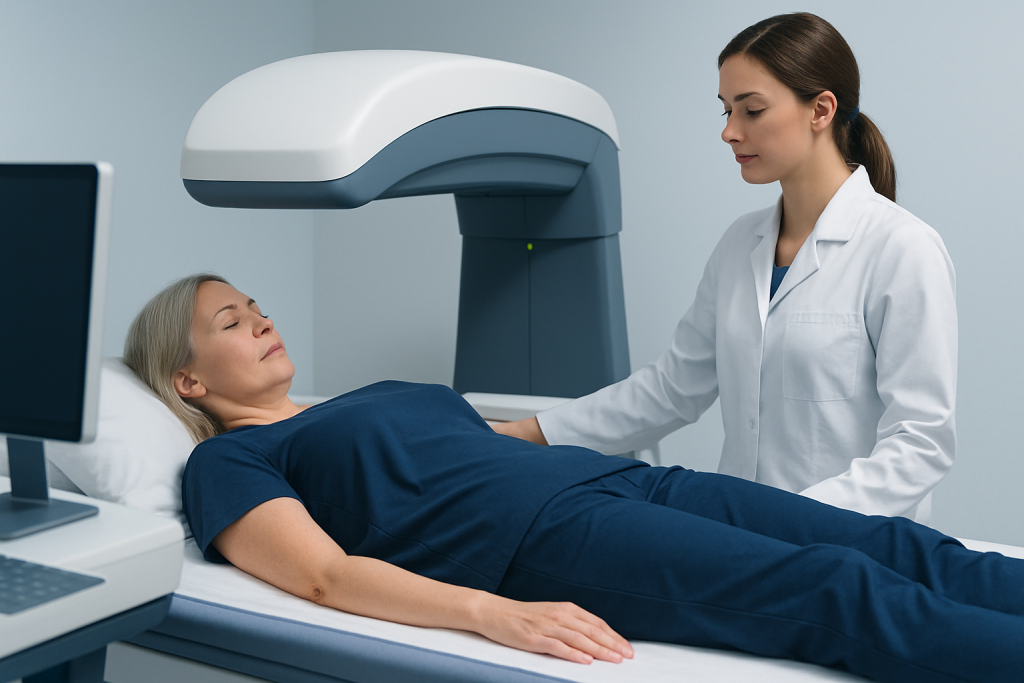
The most common test is a bone mineral density scan, usually a DXA scan. This test is painless and measures bone density, often at the hip and spine. Results help identify normal bone density, low bone mass, or osteoporosis, and they can guide decisions about monitoring and treatment.
In addition to imaging, a doctor may order blood tests to look for contributing causes of bone loss, such as low vitamin D or hormone-related problems. If a person has back pain, height loss, or a history suggesting hidden fractures, further imaging may be needed. Evaluation can also help distinguish osteoporosis from other bone conditions, including osteopenia.
Treatment Options and Fracture Risk Reduction
Prevention remains important even when osteoporosis is diagnosed. Treatment usually combines lifestyle measures with medical therapy for people at higher fracture risk. The right plan depends on bone density results, age, past fractures, and other health factors.
Doctors may recommend medicines that slow bone breakdown or help the body build bone in selected patients. Medication decisions are individualized, and follow-up is important to monitor response and side effects. People with fractures may also need pain management, rehabilitation, and support to safely return to activity.
Fracture risk reduction also includes fall prevention. This may involve reviewing medications that cause dizziness, checking vision and hearing, improving footwear, adding home safety measures, and treating weakness or balance problems. When a fracture has already occurred, specialists may assess whether procedures such as kyphoplasty or structured physical therapy and rehabilitation are appropriate. In some cases, advanced assessment may include bone density scanning to guide ongoing care.
Prevention Habits and When to Seek Medical Advice
Daily habits can make a meaningful difference in long-term bone health. A practical plan includes regular exercise, enough calcium and vitamin D, not smoking, limiting alcohol, and keeping the home environment safe to reduce falls. Supportive shoes, handrails, good lighting, and removing loose rugs are simple steps that may help.
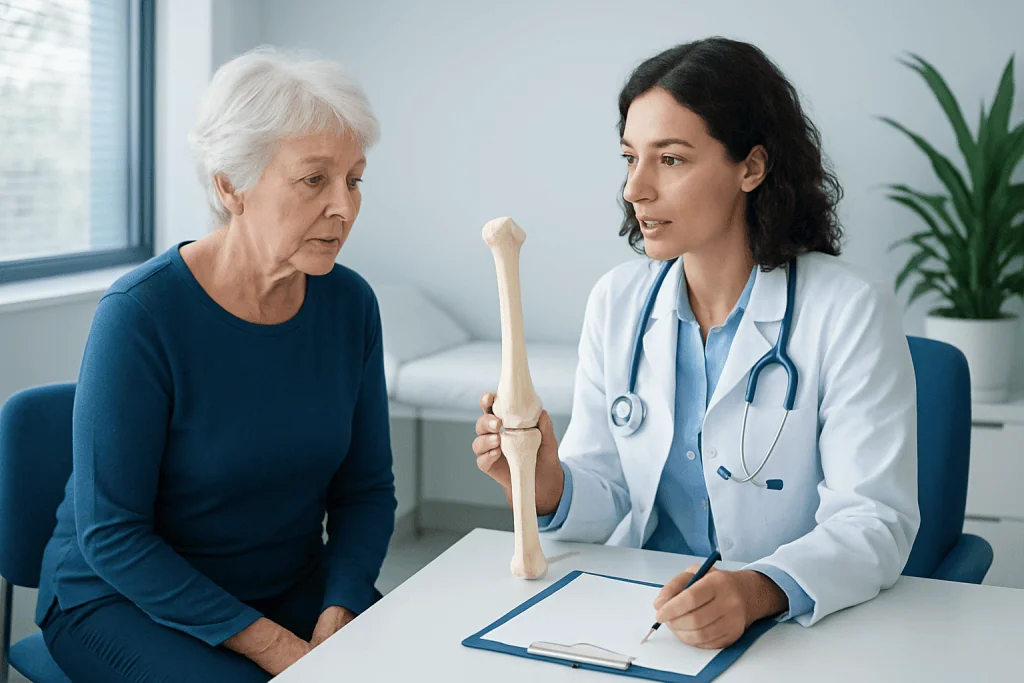
It is wise to speak with a doctor if there has been a fracture after a minor fall, noticeable loss of height, persistent back pain, or concern about low bone density. Medical advice is also important for people who take steroids long term, have early menopause, have a strong family history of fractures, or have conditions that affect nutrition and absorption.
For international patients who need assessment or treatment planning, Acibadem International’s multidisciplinary specialists in JCI-accredited hospitals diagnose and treat osteoporosis-related conditions with individualized care. Early evaluation can help identify risks, protect mobility, and support healthier aging.
Frequently asked questions
What is the best exercise for osteoporosis prevention?
The most helpful approach usually combines weight-bearing exercise, strength training, and balance work. Walking, stair climbing, resistance exercises, and tai chi are common examples. The safest and most effective routine depends on age, fitness level, and whether bone loss or fractures are already present.
How does vitamin D help prevent osteoporosis?
Vitamin D helps the body absorb calcium, which is essential for building and maintaining bone. If vitamin D is too low, bone health may suffer even when calcium intake seems adequate. A doctor may recommend testing or supplements if deficiency is likely.
Can osteoporosis be prevented completely?
It may not always be possible to prevent osteoporosis completely, especially when strong genetic or age-related factors are present. However, many people can lower their risk significantly through exercise, nutrition, and medical screening when appropriate. Prevention also focuses on reducing fracture risk and preserving independence.
Who should be screened for osteoporosis?
Screening is often recommended for older adults and for younger people who have important risk factors such as steroid use, early menopause, previous low-trauma fracture, or a strong family history. A doctor decides the timing based on the individual situation. Bone density testing helps guide whether treatment or closer follow-up is needed.
What are the early warning signs of osteoporosis?
Osteoporosis often has no clear early symptoms. Some people only learn about it after a fracture, height loss, or a stooped posture develops. Persistent back pain or a fracture after a minor fall should prompt medical evaluation.
Is walking enough to protect bone health?
Walking is beneficial and is often a good starting point, especially for general fitness and fall prevention. However, it may not be enough on its own for optimal bone protection. Adding resistance and balance exercises usually provides broader benefits for bone strength and fracture risk reduction.
References
- World Health Organization
- International Osteoporosis Foundation
- National Institute on Aging
- National Institutes of Health
- American Academy of Orthopaedic Surgeons
This article is for general information only and is not a substitute for professional medical advice. Please consult a qualified doctor about your individual situation.
Joint and spine care in Turkey — expert assessment & treatment
JCI-accredited · board-certified surgeons · reply within 24h
Add us as a Preferred Source to see more of our trusted health content across Google Search, AI Overviews and Discover.