

Ovarian Reserve Testing: AMH, Antral Follicle Count, and What the Numbers Mean

AMH and antral follicle count estimate egg supply, not egg quality. Test results should be interpreted together with age, menstrual history, symptoms, and ultrasound findings.
Key Takeaways
- AMH and antral follicle count estimate egg supply, not egg quality.
- Test results should be interpreted together with age, menstrual history, symptoms, and ultrasound findings.
- A low or high result does not automatically mean infertility or guarantee fertility.
- Ovarian reserve testing is often used when planning pregnancy, evaluating infertility, or preparing for fertility treatment.
- Only a qualified doctor can explain what the numbers mean for an individual person.
Ovarian reserve testing helps estimate the number of eggs remaining in the ovaries, most commonly through anti-Müllerian hormone (AMH) and antral follicle count (AFC). These tests can guide fertility planning, but they do not predict natural pregnancy with certainty or define overall reproductive health by themselves.
Overview
Ovarian reserve testing refers to a group of tests used to estimate how many eggs remain in the ovaries. The two most commonly discussed measures are anti-Müllerian hormone (AMH), which is checked with a blood test, and antral follicle count (AFC), which is measured with a pelvic ultrasound. These results give doctors a practical picture of ovarian activity and can help when discussing fertility planning or evaluating difficulty becoming pregnant.
It is important to understand what these tests can and cannot do. Ovarian reserve tests estimate egg quantity, but they do not directly measure egg quality. They also do not predict with certainty whether a person will become pregnant naturally, how quickly pregnancy will happen, or when menopause will begin. Instead, they are pieces of a larger fertility assessment.
Doctors may recommend ovarian reserve testing for people who are trying to conceive, considering delaying pregnancy, planning fertility preservation, or preparing for treatments such as IVF treatment. These tests may also be helpful if there is a history of irregular periods, ovarian surgery, endometriosis, chemotherapy, or a family history of early menopause.
What AMH and Antral Follicle Count Measure
AMH is a hormone produced by small follicles in the ovaries. Because these follicles reflect the pool of developing eggs, AMH levels can give an estimate of ovarian reserve. In general, lower AMH levels may suggest fewer remaining eggs, while higher levels may suggest a larger number of follicles. AMH tends to change with age and usually declines over time.
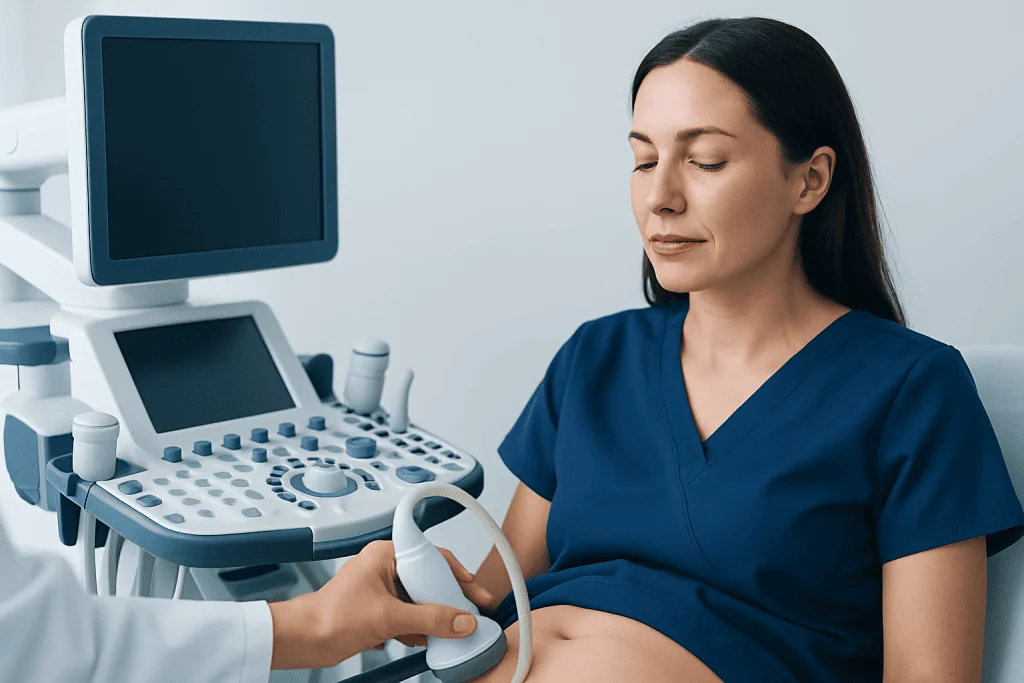
Antral follicle count is measured with a transvaginal ultrasound, usually early in the menstrual cycle. During the scan, the doctor counts the small fluid-filled follicles visible in both ovaries. These are the antral follicles, and their number can help estimate the ovaries’ current reserve. AFC is often interpreted alongside AMH because the two tests complement each other.
Neither test should be read in isolation. A person may have an AMH or AFC result that seems low or high, yet still have a different fertility outlook depending on age, ovulation pattern, sperm factors, uterine health, and other medical conditions. For example, younger age may partly balance a reduced reserve, while some people with high ovarian reserve may still need evaluation for ovulation or hormonal concerns.
What the Numbers Mean

There is no single universal AMH number that defines fertility for everyone. Laboratories may use different testing methods and reference ranges, so results should always be interpreted using the reporting lab’s standards and the doctor’s clinical judgment. In broad terms, lower AMH may suggest reduced ovarian reserve, average values may indicate an expected reserve for age, and higher values may be seen in people with a larger follicle pool.
The same is true for antral follicle count. A lower AFC may indicate fewer recruitable follicles, while a higher AFC may suggest a stronger ovarian response to stimulation medicines. Very high AFC and AMH results can sometimes be seen in people with polycystic ovary syndrome (PCOS), where many small follicles are present but ovulation may still be irregular.
These numbers are especially useful in fertility treatment planning because they can help estimate how the ovaries may respond to medications. However, they do not show whether eggs are genetically normal, whether implantation will occur, or whether a pregnancy will progress normally. This is why doctors combine ovarian reserve results with age and the rest of the fertility workup.
- AMH helps estimate ovarian reserve through a blood test.
- AFC estimates visible resting follicles through ultrasound.
- Higher or lower values are not diagnoses on their own.
- Age remains one of the strongest predictors of egg quality and pregnancy chances.
When Testing May Be Recommended
Ovarian reserve testing is often recommended during an infertility evaluation, especially if pregnancy has not occurred after a period of trying appropriate for age and health history. It may also be suggested before fertility treatment, after ovarian surgery, or when there are concerns about conditions that may affect the ovaries, such as endometriosis.
Some people seek testing because they want to understand future reproductive options. This may include those considering delaying pregnancy, people interested in fertility preservation, or those with a family history of early menopause. In these situations, the results can support informed conversations, but they should not be used alone to make major decisions.
Testing may also be helpful before treatments that could affect ovarian function, such as certain cancer therapies. In that context, ovarian reserve results may help guide discussions about egg freezing or other fertility-preserving approaches. A reproductive specialist can explain the benefits, limits, and timing of testing based on the person’s medical goals.
How Doctors Evaluate Ovarian Reserve
Doctors usually assess ovarian reserve as part of a broader fertility evaluation rather than as a standalone test. The medical history often includes age, menstrual cycle regularity, prior pregnancies, surgeries, pelvic pain, medications, and family history. Symptoms of hormone imbalance or conditions such as thyroid disease may also be reviewed.
Testing commonly includes AMH and a pelvic ultrasound for antral follicle count. In some cases, other hormone tests may be added, such as follicle-stimulating hormone (FSH) and estradiol, usually measured early in the cycle. Ovulation testing, uterine evaluation, and semen analysis may also be part of the overall assessment, depending on the situation.
Because ovarian reserve testing does not answer every fertility question, interpretation by an experienced clinician matters. A doctor may explain whether the results are expected for age, whether further investigation is needed, and how the findings could influence next steps. When appropriate, patients may be referred for assisted reproductive treatment or counseling about timing and options.
Treatment Options and Next Steps
Ovarian reserve itself is not usually something that can be increased with medication, supplements, or lifestyle changes once it declines. Instead, treatment focuses on the person’s goals and the reason testing was done. For someone trying to conceive now, next steps may include timed intercourse, ovulation treatment if needed, management of underlying conditions, or referral to a fertility specialist.
If the test results suggest reduced reserve, a doctor may recommend not delaying further evaluation or treatment. Some patients may be advised to consider options such as in vitro fertilization because ovarian response can be better understood and treatment timing can be planned more efficiently. For others, especially those not trying for pregnancy yet, fertility preservation may be discussed.
When AMH or AFC is high, this may simply reflect a stronger ovarian reserve, but it can also prompt evaluation for disorders of ovulation. If PCOS or another hormone-related condition is suspected, treatment is tailored to symptoms, cycle regulation, and reproductive goals. The right plan depends on the whole clinical picture rather than one number alone.
Self-care, Planning, and When to See a Doctor
No self-care strategy can guarantee fertility, but general health supports reproductive well-being. Maintaining a healthy weight, not smoking, managing chronic illnesses, and seeking timely care for irregular periods or pelvic symptoms are all sensible steps. It is also wise to avoid relying on home fertility information or social media interpretations of lab results without medical guidance.
A doctor should be consulted if there are irregular or absent periods, known endometriosis, prior ovarian surgery, repeated pregnancy loss, a family history of early menopause, or concerns about delaying pregnancy. Anyone trying to conceive without success should seek advice based on age and personal history rather than waiting indefinitely. Earlier evaluation may be especially important after age 35 or when menstrual cycles are unpredictable.
For international patients needing specialized assessment, Acibadem International’s multidisciplinary specialists and JCI-accredited hospitals evaluate fertility concerns and ovarian reserve with individualized care. A consultation can help place AMH and AFC results in context and identify whether further steps such as fertility preservation or fertility treatment are appropriate.
Frequently asked questions
Can ovarian reserve testing tell if someone can get pregnant naturally?
No. Ovarian reserve testing estimates egg supply, but it does not reliably predict natural pregnancy on its own. Age, ovulation, sperm health, uterine factors, and overall reproductive health are also important.
What is a normal AMH level?
There is no single normal AMH level that applies to everyone. Results vary by age, laboratory method, and clinical situation, so the number must be interpreted in context. A doctor can explain whether the value appears expected, lower, or higher for that individual.
Is a low AMH the same as infertility?
No. A low AMH suggests reduced ovarian reserve, but it does not mean pregnancy is impossible. Many people with lower AMH still conceive, while others may need earlier fertility evaluation or treatment.
Can AMH be high and still cause fertility problems?
Yes. A high AMH can reflect a larger number of follicles, but it does not guarantee regular ovulation or easy conception. In some people, high AMH is associated with PCOS, which may affect ovulation.
When in the cycle should these tests be done?
AMH can often be measured on any day of the menstrual cycle, although doctors may have specific preferences. Antral follicle count is commonly done early in the cycle so the follicles can be assessed more consistently.
Can ovarian reserve be improved?
Current treatments do not reliably increase the actual number of eggs remaining in the ovaries. Care usually focuses on timing, fertility planning, and treating any related conditions. A specialist can discuss options based on personal goals.
References
- American College of Obstetricians and Gynecologists
- American Society for Reproductive Medicine
- European Society of Human Reproduction and Embryology
- National Institute for Health and Care Excellence
- Centers for Disease Control and Prevention
This article is for general information only and is not a substitute for professional medical advice. Please consult a qualified doctor about your individual situation.
Hair transplant in Turkey — costs, graft counts & a free assessment
JCI-accredited · board-certified surgeons · reply within 24h
Add us as a Preferred Source to see more of our trusted health content across Google Search, AI Overviews and Discover.
Check your numbers in seconds
BMI, calories, due date, blood pressure and 30+ more clinical calculators — free, instant, doctor-reviewed ranges.

More from the Health Library



Related Specialists

Prof. Dr. Metin Gürsürer
Cardiology
Dr. Ferhat Oto
Internal Medicine
Prof. Dr. Seyit Ali Gümüştaş
Orthopedic Surgery & Traumatology
Dr. Ayhan Ulusoy
Orthopedic Surgery & Traumatology