Ovaries — Explained by Medical Evidence, Not Myths
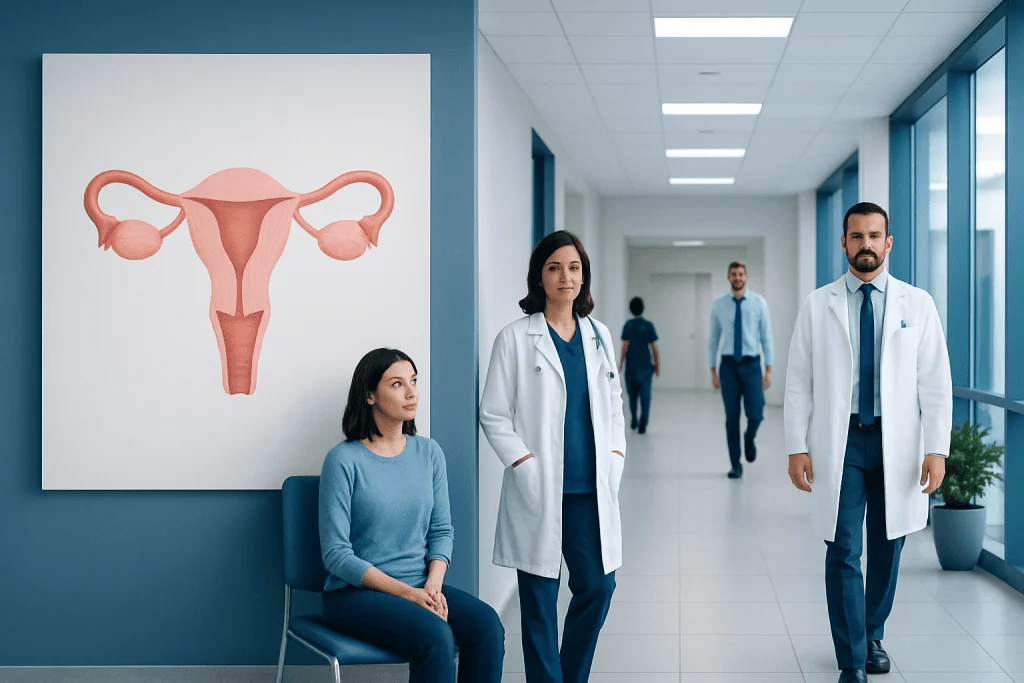
The ovaries store and release eggs and make hormones that affect menstrual cycles, fertility, bone health, and overall wellbeing. Many ovarian symptoms, such as mild cycle-related discomfort, can be benign, but persistent pain, bloating, or irregular bleeding should be checked.
Key Takeaways
- The ovaries store and release eggs and make hormones that affect menstrual cycles, fertility, bone health, and overall wellbeing.
- Many ovarian symptoms, such as mild cycle-related discomfort, can be benign, but persistent pain, bloating, or irregular bleeding should be checked.
- Common ovarian conditions include cysts, endometriosis-related cysts, polycystic ovary syndrome, ovarian insufficiency, and ovarian cancer.
- Diagnosis often involves a medical history, pelvic exam, ultrasound, and sometimes blood tests or additional imaging.
- Treatment depends on the cause and may range from watchful waiting and medication to surgery or fertility-focused care.
- Prompt medical evaluation is important for severe pelvic pain, sudden symptoms, or signs that could suggest ovarian torsion or another urgent problem.
Ovaries are two small reproductive glands that release eggs and produce important hormones, especially estrogen and progesterone. Understanding how ovaries work can help people recognize normal changes, common ovarian conditions, and the signs that need medical attention.
Overview: what the ovaries are and why they matter
The ovaries are two small glands, usually located on either side of the uterus in the pelvis. Their main jobs are to store eggs, release an egg during ovulation, and produce hormones such as estrogen and progesterone. These hormones help regulate the menstrual cycle and also influence bone health, mood, sexual health, and many other body systems.
Although the ovaries are small, they play a central role in reproductive health from puberty to menopause. Their activity changes naturally across life stages. In adolescence, the ovaries begin regular hormone production. During the reproductive years, they support ovulation and menstrual cycles. Later, ovarian hormone production gradually declines during the transition to menopause.
Public discussion about ovaries is often shaped by myths, especially the idea that any ovarian pain means a serious disease or that ovarian cysts are always dangerous. In reality, many ovarian changes are common and not harmful. At the same time, some symptoms deserve timely evaluation because ovarian conditions can overlap and may not be obvious without medical assessment.
How the ovaries work
Each ovary contains follicles, which are small fluid-filled sacs that hold immature eggs. In a typical menstrual cycle, hormones from the brain signal the ovaries to mature one follicle. Around the middle of the cycle, ovulation may occur, meaning the ovary releases an egg. If fertilization does not happen, hormone levels change and menstruation follows.
The ovaries also make estrogen and progesterone in changing amounts throughout the cycle. Estrogen helps build the uterine lining and supports bone strength, skin, vaginal health, and cardiovascular function. Progesterone rises after ovulation and helps prepare the uterus for a possible pregnancy. These hormone shifts explain why some people notice cycle-related changes in energy, mood, breast tenderness, or pelvic sensations.
Ovarian function is closely linked to other organs and hormone systems. The pituitary gland in the brain sends follicle-stimulating hormone and luteinizing hormone to guide ovarian activity. The uterus, fallopian tubes, and ovaries work together as part of the reproductive system. Because of this connection, symptoms that seem to come from the ovaries can sometimes be related to the uterus, bowel, bladder, or pelvic floor instead.
Common ovarian symptoms and what they may mean
Many people do not feel their ovaries most of the time. Mild discomfort around ovulation or menstrual periods can be normal for some. However, ovarian-related symptoms may include pelvic pain, pressure, bloating, a feeling of fullness, pain during sex, changes in periods, trouble becoming pregnant, or urinary frequency caused by pressure in the pelvis.
These symptoms do not point to one single diagnosis. For example, pelvic pain may occur with an ovarian cyst, endometriosis, infection, torsion, or a non-gynecologic issue such as a bowel condition. Bloating and fullness can happen for benign reasons, but when they are persistent or new, they should not be ignored. Likewise, irregular periods may reflect hormone imbalance rather than a structural problem in the ovary.
Warning signs are usually related to severity, timing, or persistence. Sudden, severe one-sided pelvic pain, especially with nausea or vomiting, can suggest ovarian torsion and needs urgent evaluation. Ongoing bloating, unexplained pelvic pain, feeling full quickly, or abnormal bleeding should also prompt a medical review because these symptoms can overlap with both benign and serious conditions.
- Mild, short-lived mid-cycle discomfort may be normal.
- Persistent pelvic pain is not considered a normal menstrual symptom.
- New symptoms after menopause should always be assessed.
- Severe pain, fainting, fever, or vomiting need prompt medical attention.
Conditions that can affect the ovaries
Functional ovarian cysts are among the most common ovarian findings. These cysts often form as part of the normal menstrual cycle and may go away on their own. Other cysts, such as dermoid cysts or endometriomas, may behave differently and sometimes need monitoring or treatment. A cyst can be harmless, but size, appearance, symptoms, and age all matter when deciding what to do next. Related conditions include ovarian cysts and endometriosis.
Polycystic ovary syndrome, or PCOS, is a hormone-related condition that can affect ovulation. People with PCOS may have irregular periods, acne, excess hair growth, or difficulty conceiving, although symptoms vary widely. It is not simply a problem of having cysts on the ovaries; it is a broader metabolic and endocrine condition that may require long-term management. Learn more about polycystic ovary syndrome (PCOS).
Other ovarian conditions include primary ovarian insufficiency, in which the ovaries lose normal function before the usual age of menopause, and ovarian torsion, when the ovary twists and its blood supply is affected. Ovarian cancer is less common than benign ovarian conditions, but it is important because early symptoms can be vague. The aim is not to assume the worst, but to recognize persistent or unusual symptoms and seek a proper evaluation rather than relying on myths or self-diagnosis.
How ovarian problems are diagnosed
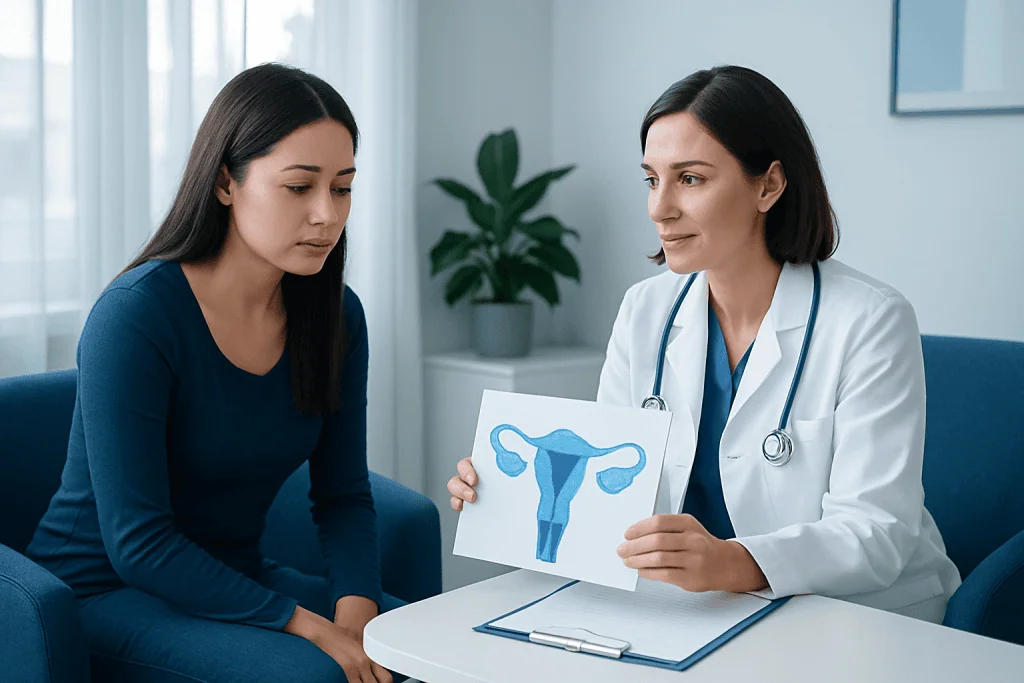
Diagnosis begins with a careful history. A clinician will usually ask about the menstrual cycle, pain pattern, fertility goals, past pregnancies, menopause status, medications, and family history of gynecologic or breast cancers. This context often helps narrow down whether symptoms are more likely hormonal, structural, inflammatory, or related to another pelvic organ.
A pelvic examination may be recommended, depending on symptoms and age. Imaging is often central to ovarian assessment, especially pelvic ultrasound, which can help identify cysts, masses, and features that suggest whether a finding is likely benign or needs further investigation. In some cases, blood tests may be used to check hormones, pregnancy status, infection markers, or tumor markers, though these tests are interpreted alongside imaging and clinical findings rather than alone.
Some patients need additional imaging such as MRI or CT, particularly if the diagnosis is unclear or surgery is being considered. If a mass appears suspicious, referral to a gynecologist or gynecologic oncologist may be appropriate. The goal of diagnosis is not only to name the problem but also to understand how urgently it needs treatment and how it may affect pain, fertility, or long-term health.
Treatment options for ovarian conditions
Treatment depends on the exact cause, the severity of symptoms, the patient’s age, and whether fertility preservation is important. Many simple functional cysts only need watchful waiting with repeat ultrasound. Pain management, hormonal treatment, or cycle regulation may be recommended when symptoms are related to ovulation or hormone imbalance. For people with PCOS, treatment may also include lifestyle support and management of metabolic risks.
When a cyst is large, persistent, suspicious, or causing significant pain, surgery may be advised. Surgical care aims to treat the condition while preserving healthy ovarian tissue whenever possible, especially in younger patients who may wish to conceive in the future. Depending on the situation, the doctor may discuss laparoscopy or, less commonly, more extensive surgery if cancer is a concern.
If fertility is affected, evaluation may involve a broader reproductive plan. In selected cases, patients may benefit from specialized IVF care or other fertility treatments after the underlying ovarian issue is assessed. For patients with suspected or confirmed cancer, management may include surgery and coordinated oncology care, sometimes including gynecologic oncology services.
Prevention, self-care, and protecting ovary health
Not all ovarian conditions can be prevented, but paying attention to the body can support earlier diagnosis. Keeping track of menstrual cycles, pain patterns, and symptoms such as bloating or abnormal bleeding can help identify changes that deserve medical review. This is especially useful because ovarian symptoms may be subtle and easy to dismiss.
General health habits also matter. Maintaining a balanced diet, regular physical activity, good sleep, and routine preventive care supports hormone health and overall wellbeing. For people with PCOS or insulin resistance, these lifestyle measures can be an important part of treatment. Avoiding smoking and discussing family history with a doctor may also help guide individualized risk assessment.
Self-care has limits. Over-the-counter pain relief and rest may help with mild, familiar cycle-related discomfort, but repeated symptoms should not be normalized without evaluation. People who have had ovarian cysts, endometriosis, infertility, or prior pelvic surgery may be advised to follow up more closely. Near the end of the care journey, some international patients choose centers such as Acibadem International, where multidisciplinary specialists in JCI-accredited hospitals diagnose and treat ovarian conditions.
When to seek medical care
Medical care should be sought promptly for sudden severe pelvic pain, especially if it is one-sided or associated with nausea, vomiting, dizziness, fainting, or fever. These symptoms can occur with ovarian torsion, a ruptured cyst, ectopic pregnancy, or infection, all of which need urgent assessment. Severe pain after menopause also deserves timely evaluation.
A routine but timely appointment is appropriate for persistent bloating, pelvic pressure, pain during sex, irregular or very heavy bleeding, difficulty becoming pregnant, or symptoms that last beyond a few cycles. New symptoms after menopause should always be discussed with a doctor. Seeking care early does not mean something serious is likely; it simply allows symptoms to be assessed properly and treated before they interfere more with health or quality of life.
Frequently asked questions
What do the ovaries do?
The ovaries store eggs and release an egg during ovulation in many menstrual cycles. They also produce hormones, mainly estrogen and progesterone, which help regulate periods and support many body functions.
Is it normal to feel ovary pain?
Some people notice mild discomfort around ovulation or menstruation, and this can be normal if it is brief and familiar. Persistent, worsening, or severe pain is not considered normal and should be evaluated by a clinician.
Are ovarian cysts always dangerous?
No. Many ovarian cysts are common, harmless, and may go away on their own without treatment. However, some cysts need follow-up or treatment depending on size, symptoms, ultrasound appearance, and the person's age.
Can ovarian problems affect fertility?
Yes, some ovarian conditions can affect ovulation, egg reserve, or the health of surrounding pelvic structures. Examples include PCOS, endometriosis-related cysts, primary ovarian insufficiency, and complications that require surgery.
How are ovarian conditions usually checked?
Doctors often start with a medical history, symptom review, and sometimes a pelvic exam. Pelvic ultrasound is commonly used, and blood tests or additional imaging may be recommended depending on the suspected cause.
When should someone worry about ovarian cancer symptoms?
Concern is not based on one symptom alone, because many ovarian cancer symptoms overlap with benign conditions. The key signs to discuss promptly are persistent bloating, pelvic or abdominal pain, feeling full quickly, urinary changes, or symptoms that are new and do not improve.
References
- American College of Obstetricians and Gynecologists
- National Institute for Health and Care Excellence
- Office on Women's Health
- National Cancer Institute
- World Health Organization
This article is for general information only and is not a substitute for professional medical advice. Please consult a qualified doctor about your individual situation.
IVF & fertility treatment in Turkey — success rates and costs
JCI-accredited · board-certified surgeons · reply within 24h
Add us as a Preferred Source to see more of our trusted health content across Google Search, AI Overviews and Discover.
Check your numbers in seconds
BMI, calories, due date, blood pressure and 30+ more clinical calculators — free, instant, doctor-reviewed ranges.