Ovary Cancer Treatment in Tacoma: How It Works, Results and What to Expect
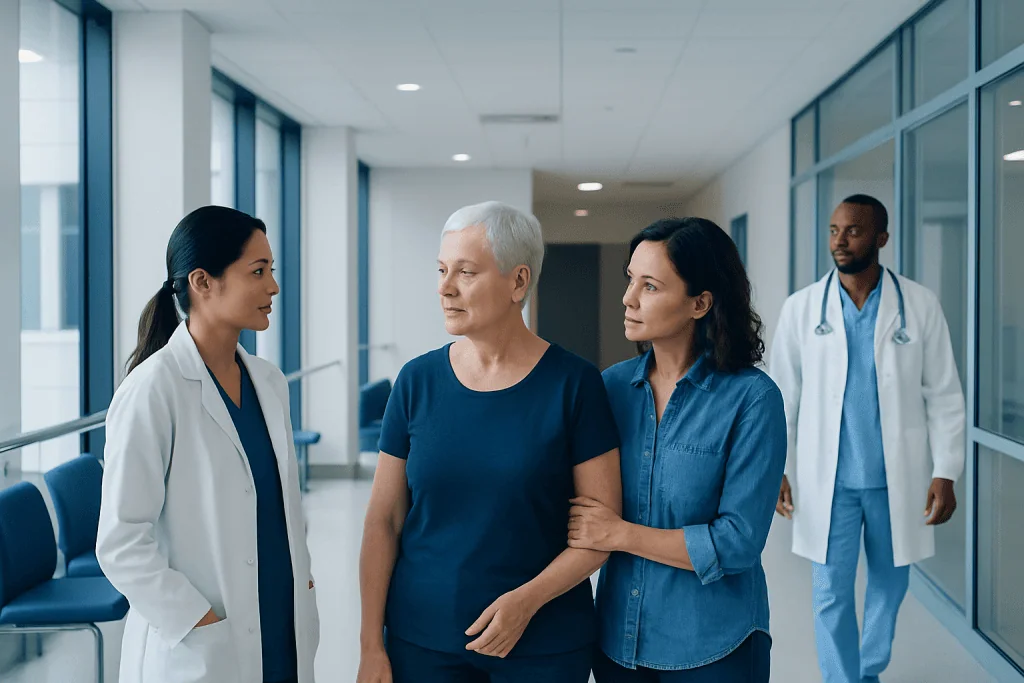
Treatment commonly combines surgery and platinum-based chemotherapy. The order of surgery and chemotherapy depends on whether all visible cancer is likely to be safely removed first.
Key Takeaways
- Treatment commonly combines surgery and platinum-based chemotherapy.
- The order of surgery and chemotherapy depends on whether all visible cancer is likely to be safely removed first.
- Ovarian cancer outcomes vary widely by cancer type, stage, response to treatment and access to ongoing follow-up.
- Most first-line chemotherapy plans involve several treatment cycles, often given every few weeks.
- Persistent bloating, pelvic pain, early fullness or urinary changes should be assessed, especially when new or frequent.
Ovary cancer treatment in Tacoma generally involves care from a gynecologic oncologist and may include surgery, chemotherapy, targeted medicines and, in selected cases, immunotherapy. The most appropriate plan depends on the cancer’s type, stage, molecular test results, previous treatment and the person’s health priorities.
Overview: How ovarian cancer treatment works
Ovary cancer treatment in Tacoma is usually planned by a multidisciplinary cancer team, often led by a gynecologic oncologist. Treatment aims to remove or control cancer, reduce symptoms, lower the chance of recurrence where possible and support quality of life. The plan is individualized because ovarian cancer includes several different tumor types that can behave differently and respond to different treatments.
For many people, the central treatments are surgery and chemotherapy. Surgery is used to diagnose, stage and remove as much visible cancer as possible. Chemotherapy treats cancer cells that may remain after surgery or have spread beyond the ovary. Some patients may also benefit from targeted therapy, maintenance treatment, immunotherapy in selected circumstances, radiation for specific symptoms or clinical trials.
Care planning begins with imaging, blood tests, review of pathology and discussion of medical history, fertility wishes and personal goals. A second pathology review or genetic evaluation may be useful, particularly for high-grade epithelial ovarian cancers. Treatment decisions should be made with a qualified oncology team rather than based on symptoms, online information or tumor markers alone.
Who may be a candidate for surgery, chemotherapy or targeted treatment?
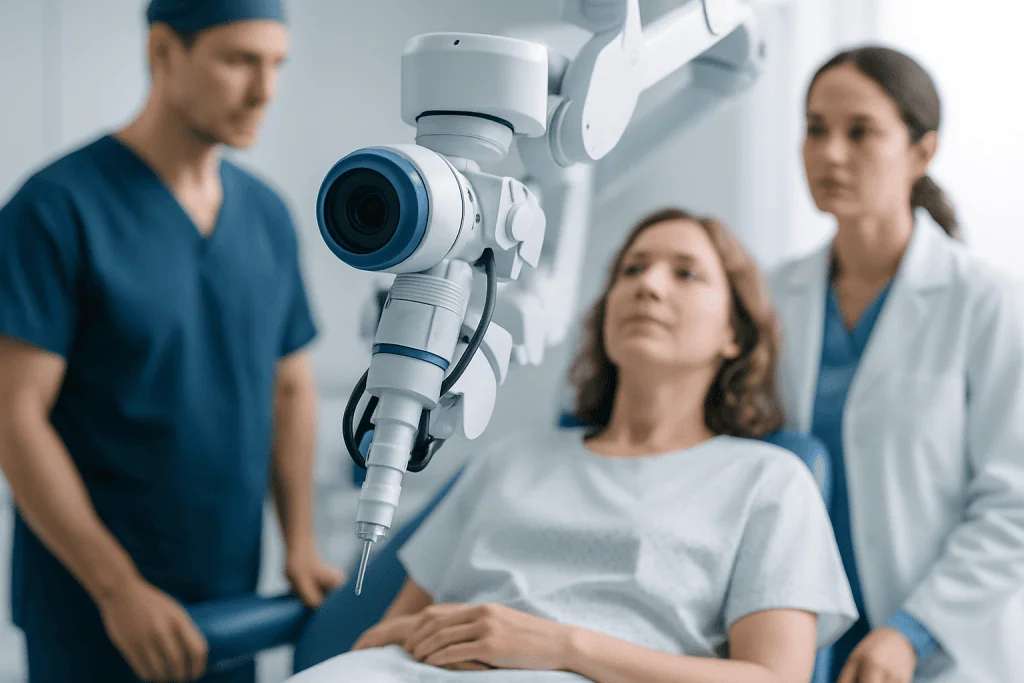
Most people with suspected or confirmed ovarian cancer should be evaluated by a gynecologic oncologist before treatment begins. This specialist can assess whether surgery should be the first step or whether chemotherapy before surgery may be safer or more effective. The decision is based on scan findings, the likely extent of cancer, biopsy results when available, physical condition and whether complete or near-complete tumor removal appears achievable.
Primary surgery may be recommended when the cancer seems removable and the person is medically fit for a major operation. In other situations, a small biopsy may confirm the diagnosis, followed by chemotherapy to shrink cancer before interval surgery. This approach is sometimes called neoadjuvant chemotherapy and can be appropriate when disease is extensive or an immediate operation would carry substantial risk.
Testing the tumor and, in many cases, inherited genetic testing can guide later treatment. Changes in genes such as BRCA1 and BRCA2, as well as measures of homologous recombination deficiency, may help identify people who could benefit from certain maintenance medicines. Genetic counseling can also clarify whether relatives may have an inherited cancer risk.
Step by step: surgery, chemotherapy and follow-up
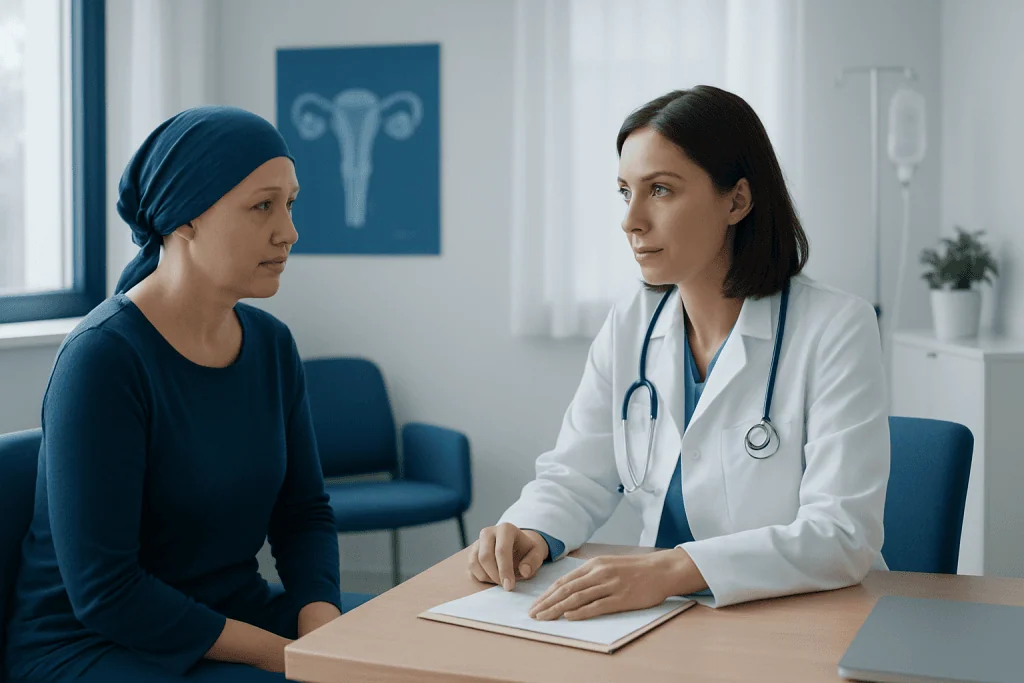
Evaluation usually starts with a symptom review, pelvic examination, imaging such as ultrasound or CT, and blood tests. CA-125 is a blood marker that may support assessment and follow-up in some people, but it cannot diagnose ovarian cancer by itself. A tissue sample obtained during surgery or biopsy is needed to confirm the cancer type.
During cytoreductive, or debulking, surgery, the surgeon aims to remove all visible cancer whenever it can be done safely. Depending on the situation, this may include removal of one or both ovaries, fallopian tubes, uterus, nearby lymph nodes, the omentum and, if involved, tissue on abdominal organs. For carefully selected early-stage cases, fertility-sparing surgery may be possible, but it requires detailed discussion with a gynecologic oncology team.
Chemotherapy commonly starts after healing from surgery, or before surgery when neoadjuvant treatment is chosen. Medicines are usually given intravenously in repeating cycles with planned recovery periods between treatments. The team monitors blood counts, kidney and liver function, symptoms, nutrition and treatment response, adjusting supportive care as needed.
After initial treatment, follow-up appointments generally include discussion of new symptoms, physical examination when appropriate and selective blood tests or imaging. Maintenance therapy may be considered for some types and stages of ovarian cancer, particularly when molecular testing suggests it may help delay recurrence.
Benefits, risks and recovery timeline
The potential benefit of surgery is removal of visible disease, accurate staging and information that helps guide further treatment. Chemotherapy can destroy or slow remaining cancer cells and is an important part of treatment for many stages of epithelial ovarian cancer. Targeted and maintenance medicines may offer additional benefit for selected patients, but they are not appropriate for everyone.
Major abdominal surgery can involve pain, tiredness, temporary bowel changes, infection, bleeding, blood clots, injury to nearby organs and risks related to anesthesia. Recovery varies with the extent of surgery and the person’s overall health. Many people stay in hospital for several days after extensive surgery, then need several weeks for strength, appetite, mobility and daily activity to gradually improve.
Chemotherapy side effects differ by medication but can include fatigue, nausea, appetite changes, constipation or diarrhea, lowered blood counts, infection risk, numbness or tingling in the hands and feet, and hair loss. Supportive medicines and timely communication with the oncology team can help manage many side effects. Patients should report fever, worsening shortness of breath, uncontrolled vomiting, severe pain, new swelling in a leg or sudden changes in condition promptly.
Emotional recovery also matters. Counseling, oncology social work, nutrition support, rehabilitation, palliative care and patient support groups can be helpful alongside cancer-directed treatment. Palliative care is appropriate at any stage and focuses on symptom relief, coping and quality of life; it is not limited to end-of-life care.
How successful is treating ovarian cancer?
Treatment can be very successful for some people, particularly when ovarian cancer is found at an early stage and can be completely removed. However, success cannot be predicted from one factor alone. Outcomes depend on the exact tumor type, stage, grade, amount of cancer remaining after surgery, response to chemotherapy, molecular features and whether cancer returns after initial treatment.
Advanced ovarian cancer can often respond well to initial surgery and chemotherapy, sometimes leading to remission. Even so, recurrence is common in some forms of the disease, especially high-grade epithelial ovarian cancer. When cancer returns, additional surgery, chemotherapy, targeted medicines or clinical trials may help control it, and treatment choices are tailored to previous response and time since prior chemotherapy.
It is reasonable to ask the oncology team about the goal of treatment, how response will be measured and which features of an individual diagnosis influence outlook. Prognosis discussions are most useful when based on the person’s pathology report, imaging, laboratory findings and treatment response rather than general estimates alone.
How many rounds of chemo is normal for ovarian cancer?
For many people receiving first-line treatment for epithelial ovarian cancer, chemotherapy is commonly planned as six cycles. A cycle is a treatment period followed by time for the body to recover, and schedules are often spaced several weeks apart. The exact medicines, schedule and total number of cycles can differ depending on stage, surgery timing, cancer subtype, treatment response and side effects.
When chemotherapy is given before surgery, a person may receive several cycles first, have interval debulking surgery and then complete additional cycles afterward. In recurrent ovarian cancer, the number of cycles may be determined by response, tolerability and the purpose of treatment. Some targeted treatments are used after chemotherapy as maintenance therapy for a longer period when appropriate.
Completing every planned cycle is not always possible or necessary. The oncology team may delay a cycle, reduce a dose or change treatment to protect safety and preserve quality of life. Patients should not skip or stop chemotherapy without speaking with their treating clinicians.
How quickly does ovarian cancer typically progress?
Ovarian cancer does not progress at one predictable speed. Some less common tumor types may grow slowly, while high-grade epithelial ovarian cancers can grow and spread more quickly. Because early symptoms can be vague, cancer may be diagnosed after it has already spread within the pelvis or abdomen, but this does not mean that every case develops rapidly.
New symptoms that persist or become more frequent deserve assessment. These can include abdominal bloating or swelling, pelvic or abdominal pain, feeling full quickly, difficulty eating, urinary urgency or frequency, unexplained weight change, fatigue or changes in bowel habits. These symptoms are common and often have non-cancer causes, but persistence should not be ignored.
After diagnosis, imaging, pathology and the person’s clinical condition help the team determine how urgently treatment should start. Oncology teams balance timely treatment with the need for accurate staging, surgical planning, genetic testing and medical preparation. If symptoms worsen while awaiting care, the treating team should be contacted.
Is ovarian cancer 100% curable?
No cancer treatment can promise a 100% cure, and ovarian cancer is not 100% curable. Some early-stage ovarian cancers can be treated with curative intent and may never return. Other cases require ongoing monitoring and, if cancer recurs, further treatment to control the disease and maintain well-being.
The words cure, remission and no evidence of disease have different meanings. Remission means tests and examinations do not show active cancer at that time, but continued follow-up is still important. The oncology team can explain the realistic aim of treatment for an individual case and discuss how surveillance will be organized.
Patients may find it helpful to bring a family member or friend to appointments and write down questions about stage, pathology, treatment options, fertility, sexual health, menopause symptoms and supportive care. A second opinion from a gynecologic oncology specialist may also help people feel informed about a complex treatment decision.
When to seek medical care
Medical evaluation is important for persistent or frequent bloating, pelvic or abdominal pain, early fullness, difficulty eating, urinary urgency or frequency, unexplained abdominal enlargement, unusual vaginal bleeding after menopause or unexplained weight loss. These symptoms do not necessarily mean ovarian cancer, but they warrant timely assessment when they are new, persistent or getting worse.
Urgent medical care is needed for severe or sudden abdominal pain, fainting, heavy bleeding, chest pain, difficulty breathing, a high fever during chemotherapy or signs of a possible blood clot such as one-sided leg swelling and pain. People undergoing treatment should follow the urgent-contact instructions provided by their oncology team.
For international patients seeking coordinated cancer evaluation, Acibadem International’s multidisciplinary specialists and JCI-accredited hospitals diagnose and treat ovarian cancer, with care plans developed around pathology, staging and individual needs. A qualified clinician can help determine the next appropriate step and discuss available treatment options.
Frequently asked questions
What specialist treats ovarian cancer?
A gynecologic oncologist is the specialist most commonly involved in treating ovarian cancer. This doctor has advanced training in cancers of the female reproductive system and works with medical oncologists, radiologists, pathologists, nurses and supportive-care professionals.
Can ovarian cancer be treated without surgery?
Some people begin with chemotherapy when surgery is not initially safe or unlikely to remove enough cancer. Surgery may be considered after chemotherapy if the cancer shrinks and the person becomes a better candidate. In certain situations, treatment may focus on medicines and symptom management rather than an operation.
Does CA-125 diagnose ovarian cancer?
No. CA-125 can be elevated for several non-cancer conditions and may be normal in some people with ovarian cancer. Doctors use it alongside symptoms, examinations, imaging and tissue testing, and it may be useful for monitoring certain cancers over time.
Will ovarian cancer treatment cause menopause?
Removing both ovaries causes immediate menopause in people who have not already reached menopause. Chemotherapy can also affect ovarian function and fertility. Fertility preservation, menopause symptoms and hormone-related options should be discussed before treatment whenever possible.
What happens after ovarian cancer treatment ends?
Follow-up typically includes regular appointments to review symptoms, examine the patient when appropriate and decide whether blood tests or imaging are needed. The schedule depends on cancer type, stage, completed treatment and individual risk. Patients should report new or persistent symptoms between scheduled visits.
Can lifestyle changes prevent ovarian cancer recurrence?
No lifestyle change can guarantee prevention of recurrence. However, maintaining nutrition, gentle physical activity as tolerated, avoiding tobacco, attending follow-up visits and managing other health conditions can support general recovery and well-being. The oncology team can provide personalized advice during and after treatment.
References
- National Cancer Institute
- American Cancer Society
- National Comprehensive Cancer Network
- Society of Gynecologic Oncology
- World Health Organization
This article is for general information only and is not a substitute for professional medical advice. Please consult a qualified doctor about your individual situation.
Oncology care in Turkey — second opinion and treatment plan
JCI-accredited · board-certified surgeons · reply within 24h
Add us as a Preferred Source to see more of our trusted health content across Google Search, AI Overviews and Discover.