Ovulation Pain Explained: Common Triggers and Red Flags

Ovulation pain usually occurs mid-cycle and is often felt on one side of the lower abdomen. Mild discomfort lasting hours to a day or two is commonly harmless and may be related to normal ovulation.
Key Takeaways
- Ovulation pain usually occurs mid-cycle and is often felt on one side of the lower abdomen.
- Mild discomfort lasting hours to a day or two is commonly harmless and may be related to normal ovulation.
- Severe pain, heavy bleeding, fever, vomiting, or pain that keeps returning is not typical and needs medical attention.
- Conditions such as ovarian cysts, endometriosis, pelvic inflammatory disease, or appendicitis can mimic ovulation pain.
- Tracking symptoms across several cycles can help a doctor decide whether the pain fits ovulation or needs further testing.
Ovulation pain is a one-sided lower abdominal or pelvic pain that can happen around the middle of the menstrual cycle when an ovary releases an egg. It is often brief and harmless, but strong, prolonged, or recurring pain can sometimes point to another gynecologic condition and should be assessed by a doctor.
Overview: what ovulation pain usually means
Ovulation pain is pain or cramping that happens around the time an ovary releases an egg. It is sometimes called mittelschmerz, a term used for mid-cycle pain. For many people, it feels like a mild twinge, ache, pressure, or cramp on one side of the lower abdomen or pelvis and settles on its own.
The timing is one of the biggest clues. Ovulation generally happens about halfway through the menstrual cycle, although the exact day varies from person to person and from month to month. Because only one ovary releases an egg in a given cycle, the discomfort is often more noticeable on the right or left side rather than across the whole lower abdomen.
Ovulation pain is often harmless, but it should not be used as a diagnosis by itself. Pain in the same area can also come from other gynecologic, urinary, or digestive causes. When symptoms are severe, unusual, or repetitive, a medical evaluation helps confirm whether the pain is related to ovulation or another condition.
What ovulation pain feels like
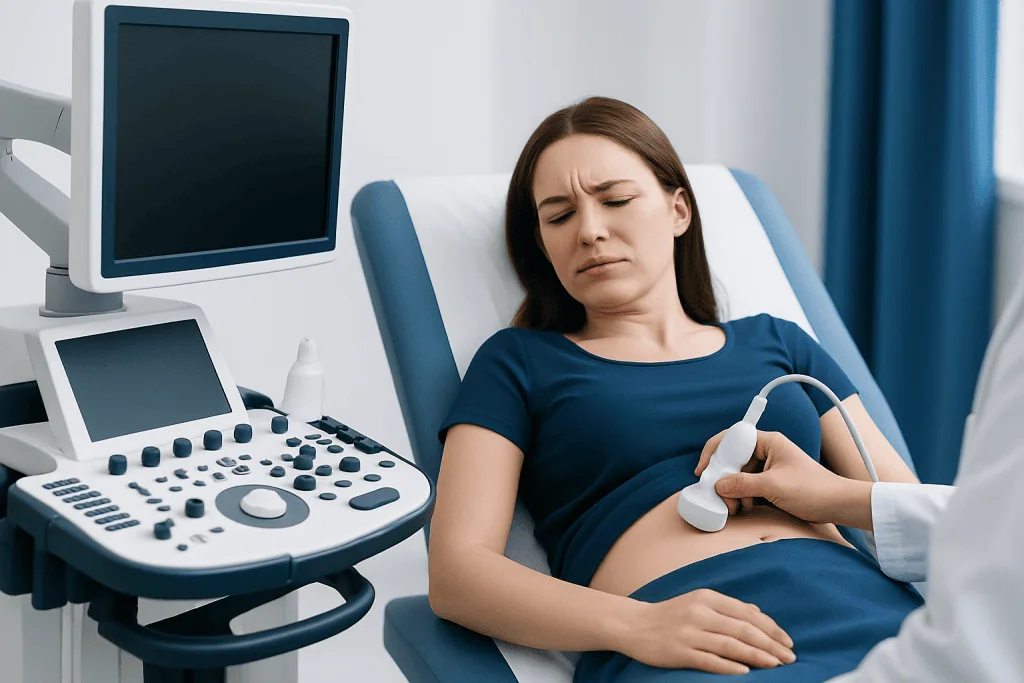
People describe ovulation pain in different ways. It may feel sharp and sudden, dull and achy, or like light menstrual cramping. Some notice it only for a few minutes, while others feel discomfort for several hours. In some cases, the pain can last up to one or two days, though very prolonged pain is less typical.
It commonly appears on one side of the pelvis, but the side may change from cycle to cycle depending on which ovary releases the egg. A small amount of spotting, increased vaginal discharge, bloating, or a sense of pelvic heaviness can happen at the same time. These symptoms may still fit normal ovulation if they are mild and short-lived.
What usually separates typical ovulation pain from a warning sign is intensity and pattern. Mild to moderate discomfort that comes near mid-cycle and resolves without other concerning symptoms is more consistent with ovulation. Pain that is severe, prevents normal activity, wakes a person from sleep, or continues beyond a couple of days deserves a closer look.
- Common sensations: cramping, pressure, twinging, dull ache, brief sharp pain
- Common location: one side of the lower abdomen or pelvis
- Common timing: around the middle of the menstrual cycle
- Common duration: minutes to hours, sometimes up to 1-2 days
Why it happens: common triggers and mechanisms
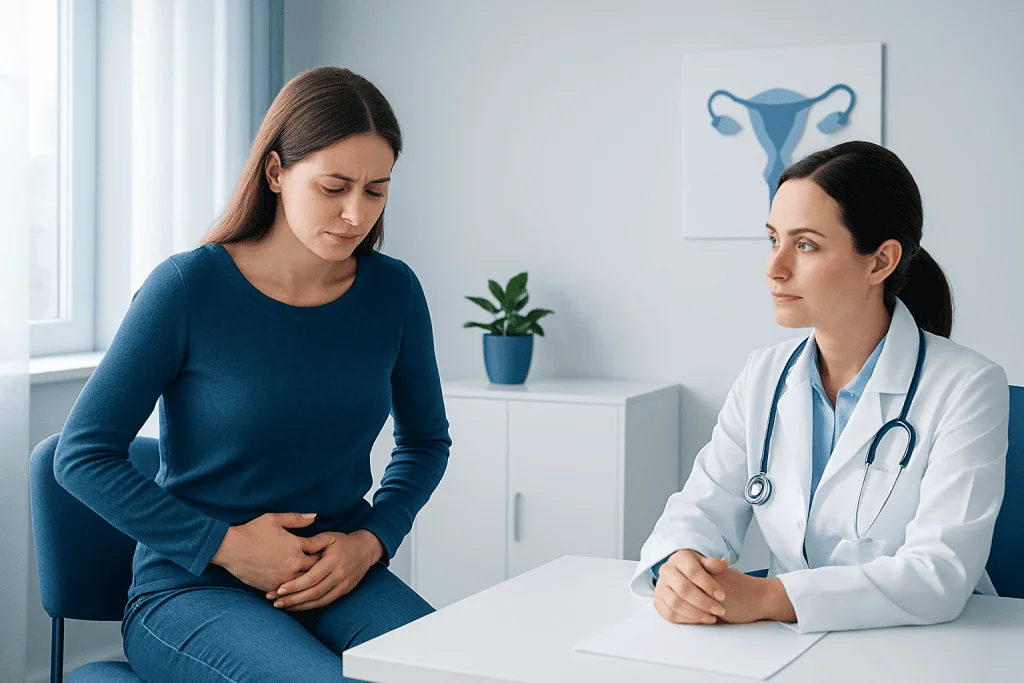
Doctors do not always know the exact reason a person feels ovulation pain, but a few common mechanisms are thought to be involved. As a follicle grows on the ovary before releasing an egg, it stretches the ovarian surface. That stretching may create a feeling of pressure or discomfort.
Another possible trigger is the moment the follicle ruptures to release the egg. A small amount of fluid or blood can irritate the lining of the abdomen and pelvis, which may cause a sudden one-sided pain. This irritation usually settles quickly as the body reabsorbs the fluid.
Normal hormone changes around ovulation may also increase awareness of pelvic sensations. Some people are simply more sensitive to these changes than others. This is one reason why one person may notice ovulation every month while another never feels it at all.
Even when the timing suggests ovulation, not every mid-cycle pain is due to the egg release itself. A functional ovarian cyst, bowel spasm, or urinary tract issue can feel similar. If the pattern changes suddenly or becomes more intense over time, doctors may look for conditions such as ovarian cysts or other pelvic causes.
Conditions that can mimic ovulation pain
Because the ovaries, uterus, bladder, bowel, and appendix are all located in or near the pelvis, many problems can cause pain around the same area. This is why one-sided pelvic pain should be interpreted carefully, especially if it is new, severe, or out of character.
Gynecologic conditions are common alternatives. Endometriosis can cause pelvic pain that worsens around periods or ovulation. Ovarian cysts may cause pressure, pain, or sudden symptoms if they rupture or twist. Pelvic inflammatory disease can lead to pain along with fever, abnormal discharge, or discomfort during sex. In some people, uterine conditions such as fibroids may contribute to pelvic symptoms, and evaluation by a gynecologist can clarify the cause.
Non-gynecologic causes also matter. Appendicitis often causes right-sided abdominal pain and can be confused with ovulation pain early on. Kidney stones, urinary tract infections, constipation, or bowel conditions such as irritable bowel syndrome can also produce lower abdominal discomfort. Pregnancy-related pain, including ectopic pregnancy, is especially important to rule out if a period is late or there is any chance of pregnancy.
If pain is frequent, severe, or linked with heavy bleeding, infertility concerns, or pain during sex, a doctor may investigate beyond normal ovulation. In selected cases, imaging or specialist assessment may be needed to identify causes such as uterine fibroids or ovarian disorders.
How doctors evaluate ovulation pain
Diagnosis starts with the story the symptoms tell. Doctors usually ask when the pain occurs during the menstrual cycle, whether it switches sides, how long it lasts, and what other symptoms come with it. A symptom diary or menstrual tracking app can be very helpful, especially if it shows a repeated mid-cycle pattern.
A physical examination may be recommended to look for tenderness, abdominal guarding, fever, abnormal discharge, or other clues that point away from simple ovulation pain. Depending on the symptoms, a pregnancy test may be needed. Blood tests or urine tests can help evaluate infection, inflammation, or urinary causes.
Pelvic ultrasound is one of the most common tools when the diagnosis is uncertain. It can help identify ovarian cysts, fluid in the pelvis, fibroids, or other structural causes. If needed, a doctor may suggest pelvic ultrasound or more advanced gynecological evaluation to clarify what is causing the pain.
The goal is not to over-medicalize every mid-cycle cramp, but to distinguish a common normal symptom from a condition that needs treatment. This is especially important when pain changes suddenly, becomes disabling, or is associated with symptoms that do not fit usual ovulation.
Treatment options and symptom relief
Typical ovulation pain often improves with simple self-care. Rest, hydration, a warm compress or heating pad on the lower abdomen, and gentle activity may be enough. Some people also find that keeping track of cycle timing helps them anticipate symptoms and plan around them.
If symptoms are recurring and bothersome, a doctor may discuss pain-relief medicines or hormonal options that suppress ovulation. These are not appropriate for everyone, so the choice depends on overall health, reproductive goals, and whether another diagnosis is suspected. Treatment is aimed not only at relieving pain but also at making sure an underlying condition is not missed.
When another cause is found, treatment focuses on that condition. For example, ovarian cysts, endometriosis, or fibroids may each need a different plan. In some cases, a specialist may recommend laparoscopy to diagnose or treat persistent pelvic pain when imaging and examination do not fully explain the symptoms.
Near the end of the care pathway, some patients benefit from multidisciplinary support. Acibadem International’s specialists in women’s health, working in JCI-accredited hospitals, diagnose and treat pelvic pain conditions for international patients when further evaluation is needed.
Prevention and self-care between cycles
Ovulation pain itself cannot always be prevented because it may be part of the body’s normal cycle. However, self-monitoring can reduce uncertainty and help a doctor identify patterns. Recording the first day of each period, the day pain begins, its intensity, side, duration, and any spotting or discharge can make the picture much clearer over time.
General healthy habits may also support comfort. Regular sleep, balanced meals, stress management, light exercise, and good hydration can help some people cope better with cyclical symptoms. If pain seems to worsen with constipation or bloating, attention to digestive habits may also be useful.
It is also sensible to avoid assuming that every recurring pain is ovulation pain forever. A familiar symptom can change because of a new cyst, infection, pregnancy, or another pelvic condition. Reassessment is worthwhile if the pattern becomes stronger, more frequent, or less clearly tied to the cycle.
- Track symptoms for at least 2-3 cycles if possible
- Note whether pain happens before, during, or after expected ovulation
- Use heat and rest for mild episodes
- Seek medical advice before starting new medicines or hormones
When to seek medical care
Medical care is recommended when pelvic pain is severe, sudden, or different from the usual pattern. Pain that lasts longer than two days, keeps coming back with increasing intensity, or interferes with daily life is not typical simple ovulation pain. It should be evaluated, even if it seems to happen near the middle of the cycle.
Urgent assessment is important if there is fever, fainting, vomiting, marked abdominal swelling, heavy vaginal bleeding, bad-smelling discharge, pain during urination, or a missed period with pelvic pain. These symptoms can point to infection, appendicitis, a ruptured cyst, ovarian torsion, or pregnancy-related complications such as ectopic pregnancy.
People trying to conceive, those with known endometriosis or cysts, or anyone with pain during sex or ongoing pelvic pressure may also benefit from a gynecologic review. If symptoms are persistent, specialists may consider further testing or treatments such as fertility evaluation and care when pain overlaps with difficulty becoming pregnant.
Frequently asked questions
Is ovulation pain normal?
Yes, mild ovulation pain can be a normal mid-cycle symptom for some people. It is usually brief, one-sided, and not severe. If the pain is intense, persistent, or comes with other symptoms, it should be checked by a doctor.
How long does ovulation pain usually last?
Ovulation pain often lasts from a few minutes to several hours. In some cases, mild discomfort can continue for up to one or two days. Pain that lasts longer than that is less typical and may need medical assessment.
Can ovulation pain happen every month?
Yes, some people notice ovulation pain regularly, while others feel it only occasionally or never at all. The side may change from month to month depending on which ovary releases the egg. A consistent pattern can still be normal if the pain remains mild.
What is the difference between ovulation pain and period cramps?
Ovulation pain usually happens around the middle of the cycle and is often felt on one side of the lower abdomen. Period cramps usually occur just before or during menstrual bleeding and are more often centered lower in the abdomen. Timing within the cycle is often the clearest difference.
Can ovulation pain be a sign of pregnancy?
Ovulation pain itself is not a sign of pregnancy because it happens before pregnancy could be confirmed. However, pelvic pain with a late period or positive pregnancy test needs prompt medical advice. This is important to rule out an ectopic pregnancy or other early pregnancy problems.
Should someone take pain medicine for ovulation pain?
Many people with mild symptoms can use simple comfort measures such as rest or heat, and some may use over-the-counter pain relief if a doctor says it is appropriate for them. Regular or severe pain should not simply be masked without understanding the cause. A clinician can help decide whether treatment is needed and whether the symptoms truly fit ovulation pain.
References
- American College of Obstetricians and Gynecologists
- Office on Women's Health
- National Health Service
- Mayo Clinic
- Cleveland Clinic
This article is for general information only and is not a substitute for professional medical advice. Please consult a qualified doctor about your individual situation.
IVF & fertility treatment in Turkey — success rates and costs
JCI-accredited · board-certified surgeons · reply within 24h
Add us as a Preferred Source to see more of our trusted health content across Google Search, AI Overviews and Discover.
Check your numbers in seconds
BMI, calories, due date, blood pressure and 30+ more clinical calculators — free, instant, doctor-reviewed ranges.

More from the Health Library



Related Specialists

Öznur Tanişman
Physical Medicine & Rehabilitation
Dr. Sibel Işık
Internal Medicine
Pdg. Yaren Kavlak
Podiatry & Foot Health
Dr. Mehmet Tayfun Osmanağaoğlu
Gynecology & Obstetrics