Ozempic Vulva: What Patients Need to Know

Ozempic vulva is not a formal medical diagnosis but a patient-used term for vulvar changes noticed during Ozempic treatment. Symptoms such as dryness, itching, irritation, or a change in tissue fullness can have several causes, including weight loss, friction, infection, or menopause-related changes.
Key Takeaways
- Ozempic vulva is not a formal medical diagnosis but a patient-used term for vulvar changes noticed during Ozempic treatment.
- Symptoms such as dryness, itching, irritation, or a change in tissue fullness can have several causes, including weight loss, friction, infection, or menopause-related changes.
- Persistent pain, sores, unusual discharge, bleeding, or severe itching should be assessed by a qualified clinician.
- Gentle skin care, avoiding irritants, and reviewing all symptoms and medicines with a doctor can help identify the true cause.
- Treatment depends on the underlying problem and may range from skin-care measures to management of infection, hormone-related dryness, or another vulvar condition.
Ozempic vulva is an informal term people use when they notice vulvar discomfort, dryness, or changes in appearance while taking Ozempic. In most cases, the medication is not directly causing a vulvar disease; rather, symptoms may relate to weight loss, skin changes, hormone-related dryness, irritation, or an unrelated gynecologic condition that deserves proper evaluation.
Overview: what “ozempic vulva” means
“Ozempic vulva” is not an official medical term. It is a phrase some patients use online to describe vulvar dryness, irritation, tenderness, or a change in the look of the outer genital area after starting Ozempic, a brand of semaglutide. The term can also reflect concern about fat loss or reduced tissue fullness in the mons pubis or labia during overall weight loss.
At present, vulvar changes are not recognized as a specific, established side effect unique to Ozempic. In many cases, symptoms that begin around the same time as treatment may be indirect. For example, weight loss can alter the amount of soft tissue under the skin, while changes in diet, hydration, hygiene products, sweating, friction, or hormone status may contribute to discomfort.
It is also important not to assume every symptom is caused by a medication. Common conditions such as yeast infection, contact dermatitis, eczema, bacterial vaginosis, skin disorders, or menopause-related vulvovaginal dryness can happen whether or not a person is taking Ozempic. A careful evaluation helps separate coincidence from a true medication-related issue.
Possible symptoms patients may notice
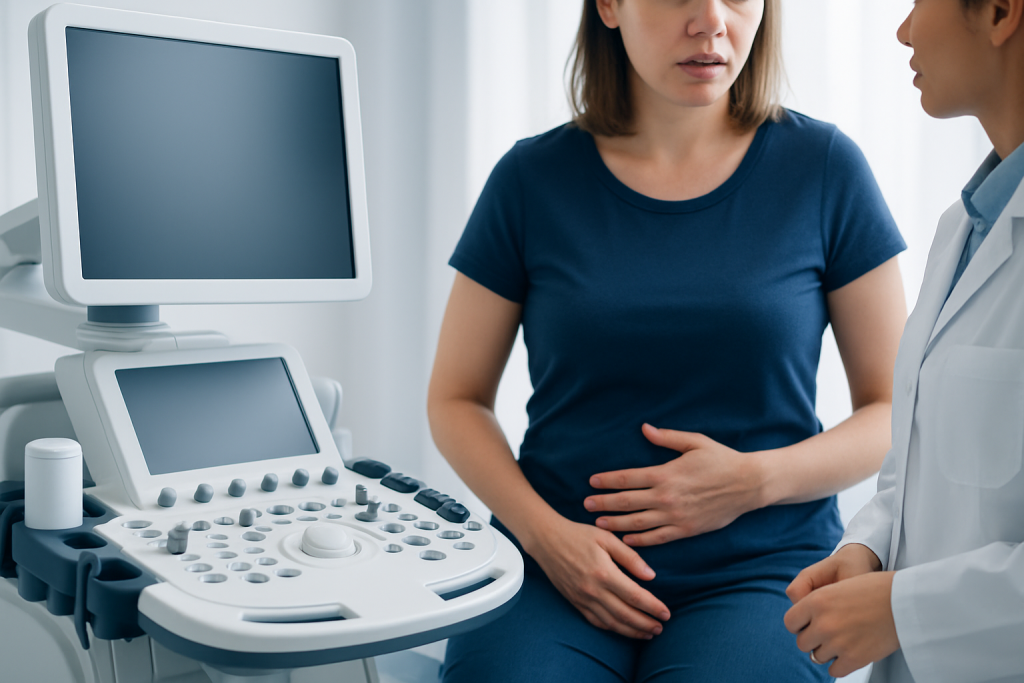
People using the phrase “ozempic vulva” may be describing physical symptoms, visible changes, or both. Symptoms can vary from mild dryness to ongoing irritation that affects walking, exercise, sexual activity, or comfort in fitted clothing.
Commonly reported concerns include itching, burning, sensitivity, dryness, a feeling of thinning tissue, changes in skin folds, or a less “padded” appearance in the vulvar area. Some patients notice increased rubbing or chafing during movement after body shape changes. Others may experience discomfort that is actually coming from the vagina, urethra, or surrounding skin rather than the vulva itself.
- Dryness or tightness of the vulvar skin
- Itching, burning, or stinging
- Redness or irritation after exercise or intercourse
- Chafing from clothing or friction
- Change in the appearance of the labia or mons pubis during weight loss
- Tenderness, soreness, or pain with touch
- Unusual discharge, odor, or rash if another condition is present
Because the vulva is sensitive and symptoms often overlap, diagnosis should be based on examination and history rather than appearance alone. If symptoms continue or interfere with daily life, it is reasonable to discuss them with a gynecologist, dermatologist, or primary care clinician.
Why it may happen: likely causes and contributing factors

There is no clear evidence that semaglutide directly damages vulvar tissue. More often, the explanation is multifactorial. One possible factor is body fat loss. Just as people may notice facial or body contour changes with significant weight reduction, soft tissue in the pubic and vulvar region may also look or feel different. This can make the area seem less cushioned, leading to greater friction or awareness of normal anatomy.
Dryness can have many triggers. Reduced fluid intake from nausea, appetite changes, or gastrointestinal side effects may contribute to skin and mucosal dryness in some people. Menopause, breastfeeding, hormonal contraceptive changes, and low estrogen states are also common reasons for vulvovaginal dryness and discomfort. In these situations, symptoms may begin during Ozempic treatment without being caused by the drug itself.
Skin irritation is another frequent explanation. New wipes, scented cleansers, panty liners, pads, detergents, or tight workout clothing can inflame vulvar skin. Weight loss may also change the way clothing fits, which can increase rubbing in some areas. Conditions such as eczema, psoriasis, lichen sclerosus, or vaginal infections can produce similar symptoms and may need specific treatment.
People with diabetes or prediabetes may already be at higher risk of yeast infections, skin irritation, and urinary symptoms. If blood sugar is not well controlled, vulvar itching or recurrent infections may be more likely. This is one reason a symptom that appears to be “ozempic vulva” should be assessed in the wider context of overall health.
How doctors evaluate vulvar symptoms during Ozempic use
Assessment usually starts with a simple medical history. A clinician may ask when symptoms began, whether they started before or after Ozempic, how much weight has changed, and whether there are associated symptoms such as discharge, odor, bleeding, urinary burning, pelvic pain, or pain during sex. They may also review menopause status, menstrual history, diabetes, skin conditions, recent antibiotics, and all medications or supplements.
A physical examination can help determine whether the issue is dryness, contact irritation, infection, a skin disorder, or an anatomical change related to weight loss. If needed, the clinician may recommend swabs or tests to check for yeast, bacterial vaginosis, sexually transmitted infections, or urinary infection. In some cases, they may evaluate for conditions such as urinary tract infection if symptoms include burning or urinary urgency.
Testing is guided by symptoms rather than done routinely for everyone. Severe itching, visible white patches, ulcers, persistent fissures, or unexplained pain may lead to referral to gynecology or dermatology for a closer look. The goal is to identify the exact cause, because treatment for irritation is very different from treatment for infection or chronic inflammatory skin disease.
Treatment options depend on the underlying cause
There is no single treatment for “ozempic vulva” because the term describes a symptom pattern rather than a diagnosis. If the main problem is friction or skin sensitivity after weight loss, treatment may focus on reducing irritation, improving moisture balance, and protecting the skin barrier. If an infection, hormonal dryness, or inflammatory skin condition is found, treatment is tailored accordingly.
For simple irritation, clinicians often recommend gentle vulvar care: avoiding fragranced products, rinsing with lukewarm water, wearing breathable cotton underwear, changing out of damp exercise clothes promptly, and using bland barrier products when appropriate. If dryness is prominent, a doctor may discuss vaginal or vulvar moisturizers and, when suitable, other treatments for hormone-related symptoms. Some patients with broader weight-loss concerns may already be under care through obesity surgery or medical weight management pathways, where comfort and skin changes can be reviewed as part of follow-up.
When a yeast infection or bacterial imbalance is confirmed, targeted medication may be used. Persistent skin conditions such as eczema, dermatitis, or lichen sclerosus require specific treatment plans and monitoring. If symptoms are associated with urinary complaints, doctors may also evaluate whether urogynecology input is helpful, especially when dryness, bladder symptoms, and pelvic discomfort overlap.
Patients should not stop Ozempic on their own without discussing it with the prescribing clinician, especially if it is being used for diabetes or medically supervised weight management. If symptoms seem closely linked to the medication timeline, the prescriber can review whether dose changes, side effects such as dehydration, or an alternative plan should be considered.
Self-care and prevention steps that may help
Supportive care can make a meaningful difference, particularly when symptoms are mild and related to dryness or irritation. The vulva does not need aggressive cleansing. In fact, too many products can worsen symptoms. A simple routine focused on comfort and skin protection is often best while waiting for medical advice.
- Use unscented, gentle cleansers only if needed, and avoid douching
- Choose loose, breathable clothing when possible
- Change out of sweaty or wet clothing promptly
- Avoid fragranced pads, liners, wipes, sprays, and harsh detergents
- Stay hydrated, especially if nausea or reduced appetite is limiting fluid intake
- Keep a symptom diary noting Ozempic dose changes, exercise, products used, and menstrual or menopause-related patterns
If sexual activity is uncomfortable, a clinician may suggest appropriate lubricants or moisturizers and may assess for vaginal dryness or other causes of pain. Good diabetes management is also important, because elevated blood sugar can increase the risk of irritation and infection.
For patients losing weight quickly, it can help to remember that body contour changes may affect many areas, including the face, breasts, buttocks, and pubic region. That does not automatically mean something is wrong, but any symptom causing pain, distress, or concern about skin health should still be checked.
When to seek medical care
It is sensible to seek medical care if vulvar symptoms last more than a few days, recur, or are affecting comfort, sleep, exercise, or intimacy. Symptoms that seem minor at first can have treatable causes, and early evaluation may prevent unnecessary discomfort.
Prompt medical review is especially important for severe pain, swelling, sores, blisters, open cracks, fever, unusual bleeding, foul-smelling discharge, or urinary burning with fever or back pain. These symptoms are not typical of simple friction or dryness and may point to infection or another condition that needs treatment.
If there is concern that Ozempic side effects such as nausea, vomiting, or poor fluid intake are contributing to dehydration or worsening skin and mucosal dryness, the prescribing clinician should be informed. For international patients who need specialist assessment, Acibadem International’s multidisciplinary specialists in JCI-accredited hospitals diagnose and treat gynecologic, endocrine, and skin-related concerns, with access to services such as gynecology when appropriate.
Frequently asked questions
Is ozempic vulva a real medical diagnosis?
No. “Ozempic vulva” is an informal phrase used by patients online, not an official diagnosis. It usually refers to vulvar discomfort or appearance changes noticed while taking Ozempic, but the actual cause may be dryness, weight loss, irritation, infection, or another condition.
Can Ozempic directly cause vulvar problems?
There is no well-established evidence that Ozempic directly causes a specific vulvar disorder. Symptoms may occur indirectly through weight loss, dehydration, friction, or coincidental gynecologic or skin conditions. A clinician can help determine whether the timing is related or incidental.
Why might the vulva look different after weight loss?
Weight loss can reduce soft tissue volume in many body areas, including the mons pubis and labia. This may change contour or make the area feel less padded, which can increase awareness of anatomy or friction. Appearance changes alone are not necessarily harmful, but new pain or irritation should be evaluated.
Could the symptoms actually be an infection?
Yes. Itching, burning, redness, discharge, and soreness can occur with yeast infection, bacterial vaginosis, urinary infection, or sexually transmitted infections. Because these symptoms overlap with dryness and irritation, proper examination and testing are sometimes needed.
Should someone stop Ozempic if vulvar symptoms begin?
It is best not to stop Ozempic without speaking to the prescribing doctor first. The clinician can review other possible causes, assess hydration and side effects, and decide whether any medication adjustment is appropriate. Stopping suddenly may interrupt diabetes or weight-management care.
What can help at home while waiting for a medical appointment?
Simple measures include avoiding scented products, wearing breathable cotton underwear, changing out of wet clothes, and keeping the area clean and dry without over-washing. Staying hydrated and noting triggers such as exercise, menstrual changes, or new products may also help. If symptoms worsen, medical care should be sought sooner.
This article is for general information only and is not a substitute for professional medical advice. Please consult a qualified doctor about your individual situation.
Medical weight-loss options in Turkey — costs & eligibility
JCI-accredited · board-certified surgeons · reply within 24h
Add us as a Preferred Source to see more of our trusted health content across Google Search, AI Overviews and Discover.
Check your numbers in seconds
BMI, calories, due date, blood pressure and 30+ more clinical calculators — free, instant, doctor-reviewed ranges.

More from the Health Library

Diencephalon: An Evidence-Based Guide for Patients

Armpit Fat: A Complete Medical Overview

Average weight for 6 foot male: Symptoms, Causes, and Treatment — Complete Patient Guide

Willow the Tree: An Evidence-Based Guide for Patients

Tick Head Stuck in Skin: What Patients Need to Know