Pain in Intestines and Nausea Explained: Common Triggers and Red Flags

Pain in intestines and nausea can result from common problems such as gastroenteritis, constipation, food intolerance, IBS, or acid-related digestive upset. The pattern of pain matters: cramping, bloating, diarrhea, fever, vomiting, or pain in one specific area can help narrow the cause.
Key Takeaways
- Pain in intestines and nausea can result from common problems such as gastroenteritis, constipation, food intolerance, IBS, or acid-related digestive upset.
- The pattern of pain matters: cramping, bloating, diarrhea, fever, vomiting, or pain in one specific area can help narrow the cause.
- Red flags include severe or worsening pain, dehydration, blood in stool or vomit, high fever, abdominal swelling, or inability to pass stool or gas.
- Diagnosis may include history, physical examination, blood or stool tests, imaging, or endoscopy depending on symptoms.
- Mild cases may improve with rest, hydration, simple foods, and short-term dietary adjustments, but ongoing symptoms should be checked by a doctor.
Pain in intestines and nausea commonly happen together because many digestive problems affect both bowel movement and the stomach’s normal emptying. Often the cause is temporary, such as indigestion or a viral illness, but persistent, severe, or localized pain can point to a condition that needs medical assessment.
Overview: Why intestinal pain and nausea happen together
Pain in intestines and nausea often occur together because the digestive system works as one connected pathway. Irritation in the stomach, small intestine, or colon can trigger nausea through the nervous system, while inflammation, gas, cramping, or changes in bowel movement can create pain that feels centered in the abdomen or lower belly.
In many people, the cause is not dangerous and may include indigestion, a short-lived infection, constipation, food intolerance, or stress-related bowel sensitivity. Symptoms may come on suddenly after a meal, develop during a stomach bug, or appear in repeated episodes over weeks or months.
Even so, the same symptom pair can also be seen with conditions that need prompt treatment, such as appendicitis, bowel obstruction, gallbladder disease, severe dehydration, or inflammatory bowel disease. The location, intensity, timing, and associated symptoms help doctors decide whether the problem is likely functional and temporary or a sign of a more serious digestive disorder.
How symptoms can feel and what patterns may mean
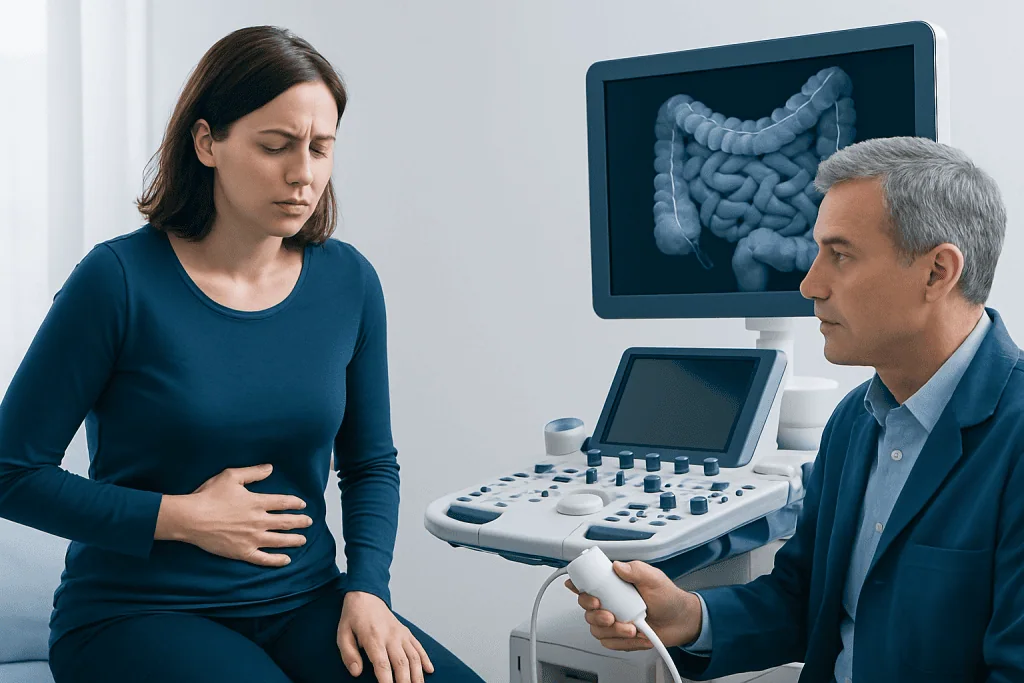
People describe intestinal pain in different ways. It may feel like cramping, pressure, bloating, burning, stabbing pain, or a dull ache. Some notice pain before a bowel movement, after eating, or along with visible abdominal swelling. Nausea may range from a mild queasy feeling to repeated vomiting.
The pattern can offer clues. Crampy pain with diarrhea may suggest infection or food intolerance. Pain linked to constipation, hard stools, and bloating may point to slowed bowel movement. Symptoms that come and go with stress, certain foods, or changes in bowel habits may fit with irritable bowel syndrome.
Localized pain deserves more attention. Right lower abdominal pain with nausea can be seen in appendicitis. Upper abdominal pain after fatty meals may suggest gallbladder problems. Diffuse pain with vomiting and inability to pass gas may raise concern for an intestinal blockage. While symptom patterns are helpful, they cannot confirm the cause without medical evaluation when symptoms are significant or persistent.
- Common associated symptoms: bloating, diarrhea, constipation, heartburn, loss of appetite, gas, fever, or fatigue
- Less typical but important symptoms: blood in stool, black stool, persistent vomiting, fainting, jaundice, or unexplained weight loss
Common triggers and possible causes

A wide range of digestive conditions can cause pain in intestines and nausea. Short-term gastroenteritis from a virus, bacteria, or contaminated food is a frequent cause, especially when diarrhea, cramping, and low appetite start suddenly. Food poisoning can produce similar symptoms and may also cause fever or vomiting.
Noninfectious causes are also common. Constipation can stretch the bowel and lead to lower abdominal pain, bloating, and nausea. Food intolerance, such as lactose intolerance, may trigger symptoms after specific meals. Indigestion, acid reflux, and gastritis can cause upper abdominal discomfort with nausea, though some people describe the pain as “intestinal” even when the stomach is involved.
Functional bowel disorders, especially IBS, often cause recurrent cramping linked to bowel movements, gas, diarrhea, constipation, or both. Inflammation in the digestive tract, including Crohn’s disease, can lead to ongoing abdominal pain, nausea, fatigue, and altered bowel habits. Less common but important causes include appendicitis, diverticulitis, bowel obstruction, ulcers, gallstones, pancreatitis, and complications related to prior abdominal surgery.
Some medicines can also contribute. Pain relievers, antibiotics, iron supplements, and certain diabetes or weight-loss medicines may irritate the stomach or alter bowel function. Anxiety and stress do not cause every digestive problem, but they can amplify nausea, cramping, and bowel urgency in people with sensitive gut-brain signaling.
Risk factors and situations that increase concern
Certain factors make digestive symptoms more likely or raise the chance that a more serious problem is present. Recent travel, questionable food or water exposure, sick contacts, or antibiotic use increase the likelihood of infection. A low-fiber diet, limited fluid intake, inactivity, or regular use of constipating medicines can promote bowel sluggishness and discomfort.
Long-standing digestive conditions can also shape the evaluation. A history of inflammatory bowel disease, abdominal surgery, ulcers, gallstones, hernias, kidney stones, or recurrent constipation may help explain current symptoms. Pregnancy, older age, and a weakened immune system can change how symptoms appear and may lower the threshold for medical review.
Doctors also look closely at symptoms that disturb sleep, recur frequently, or are getting worse over time. Unintentional weight loss, anemia, persistent fever, nighttime diarrhea, dehydration, or a family history of colorectal cancer or inflammatory bowel disease are examples of features that deserve a more careful workup.
How doctors diagnose the cause
Diagnosis starts with a detailed history. A clinician will ask where the pain is located, how long it lasts, whether it is related to eating or bowel movements, and whether vomiting, diarrhea, constipation, fever, blood in the stool, or weight loss are present. Medication use, recent travel, surgery history, and menstrual or urinary symptoms may also be relevant because some non-digestive conditions can mimic intestinal pain.
The physical examination helps identify tenderness, guarding, abdominal swelling, bowel sounds, dehydration, and signs of systemic illness. Depending on what is suspected, testing may include blood work, urine tests, stool tests, and imaging such as ultrasound or CT scan. In selected cases, doctors may recommend colonoscopy to examine the large intestine or endoscopy to evaluate upper digestive symptoms.
If symptoms suggest a problem in the small bowel or complications such as inflammation or obstruction, imaging may play a central role, and treatment planning can involve gastroenterology care. The goal is not only to find the cause of nausea and pain, but also to rule out urgent conditions that can worsen if treatment is delayed.
Treatment options and self-care
Treatment depends on the cause. Mild viral gastroenteritis often improves with rest, fluids, and time. Constipation may respond to hydration, increased fiber when appropriate, regular movement, and clinician-guided bowel medications. Food intolerance is managed by identifying and limiting triggers while keeping the diet balanced. Functional bowel symptoms may improve with dietary changes, stress management, and a personalized treatment plan.
Doctors may recommend anti-nausea medicine, acid-reducing treatment, or other symptom relief depending on the diagnosis. Bacterial infections sometimes need targeted therapy, while inflammatory diseases may require specialist treatment to control intestinal inflammation. If severe pain is caused by appendicitis, obstruction, gallbladder disease, or another structural problem, urgent hospital care or surgery may be necessary.
At home, simple measures can be helpful while monitoring symptoms. Small sips of water or oral rehydration solution, bland foods, and avoiding heavy, greasy, very spicy, or alcohol-containing drinks may ease nausea. It is usually wise to avoid taking random pain medicines without advice, especially if the cause of abdominal pain is unclear.
- Hydrate steadily, especially if vomiting or diarrhea is present
- Choose light meals until nausea improves
- Keep a brief symptom and food diary if episodes repeat
- Seek medical advice before using laxatives or anti-diarrheal medicines if pain is severe or fever is present
For people with recurrent or unexplained symptoms, a structured digestive evaluation is often more useful than repeated self-treatment. Near the end of the care pathway, patients seeking international evaluation may also wish to know that Acibadem International’s multidisciplinary specialists at JCI-accredited hospitals diagnose and treat digestive conditions, including those requiring specialist gastroenterology assessment.
When to seek medical care
Many cases of pain in intestines and nausea improve within a day or two, but some situations require prompt medical attention. Medical review is important if pain is severe, keeps getting worse, is focused in one area, or is accompanied by repeated vomiting that prevents drinking fluids.
A person should also seek care urgently for blood in the stool or vomit, black tarry stool, high fever, fainting, significant abdominal swelling, yellowing of the skin or eyes, or inability to pass stool or gas. These symptoms can signal bleeding, obstruction, dehydration, or inflammation that needs rapid assessment.
Non-urgent but persistent symptoms also deserve evaluation. A doctor should assess recurring abdominal pain, nausea lasting more than a few days, ongoing constipation or diarrhea, symptoms that wake a person from sleep, or any unexplained weight loss or reduced appetite. Early assessment can help identify treatable causes before symptoms become more disruptive.
Frequently asked questions
Is pain in intestines and nausea usually serious?
Not usually. Common causes include indigestion, viral gastroenteritis, constipation, food intolerance, and IBS. However, severe, worsening, or localized pain, especially with fever, vomiting, or blood in the stool, should be checked quickly.
How can someone tell whether the pain is from the intestines or the stomach?
It is not always easy to tell without a medical evaluation because abdominal organs can cause overlapping symptoms. Upper abdominal burning or fullness may suggest a stomach-related problem, while cramping, bloating, diarrhea, or constipation may point more toward the intestines. The exact location and associated symptoms help guide the diagnosis.
Can constipation cause nausea and intestinal pain?
Yes. Constipation can cause pressure, bloating, cramping, and a queasy feeling, especially if stool builds up or bowel movement slows significantly. If constipation is severe, painful, or lasts despite self-care, a doctor should evaluate it.
What foods are best when nausea and intestinal pain happen together?
Simple, bland foods are often easier to tolerate, such as toast, rice, bananas, applesauce, soup, or crackers. Small amounts taken slowly may help more than large meals. Greasy, spicy, very rich foods and alcohol are often best avoided until symptoms settle.
When should vomiting with abdominal pain be treated as urgent?
Urgent care is important if vomiting is persistent, if fluids cannot be kept down, or if there are signs of dehydration such as dizziness, very dark urine, or marked weakness. Vomiting with severe pain, a swollen abdomen, fever, or blood is also a reason for prompt medical attention.
Can stress cause pain in intestines and nausea?
Stress can contribute to both symptoms by affecting gut-brain signaling, bowel movement, and sensitivity to normal digestive activity. It is especially common in people with functional digestive disorders such as IBS. Still, stress should not be assumed to be the cause until more concerning conditions have been considered.
References
- National Institute of Diabetes and Digestive and Kidney Diseases
- American College of Gastroenterology
- National Health Service
- Mayo Clinic
- World Gastroenterology Organisation
This article is for general information only and is not a substitute for professional medical advice. Please consult a qualified doctor about your individual situation.
Persistent digestive symptoms? Get evaluated in Turkey
JCI-accredited · board-certified surgeons · reply within 24h
Add us as a Preferred Source to see more of our trusted health content across Google Search, AI Overviews and Discover.