Pain in Stomach Behind Navel: Possible Causes and When to Seek Care

Pain behind or around the navel is a symptom, not a diagnosis, and the exact cause depends on other symptoms and the pain pattern. Common causes include indigestion, gas, viral illness, constipation, muscle strain, and hernias.
Key Takeaways
- Pain behind or around the navel is a symptom, not a diagnosis, and the exact cause depends on other symptoms and the pain pattern.
- Common causes include indigestion, gas, viral illness, constipation, muscle strain, and hernias.
- Pain that starts near the navel and then moves to the lower right abdomen may suggest appendicitis.
- Warning signs include severe pain, persistent vomiting, fever, blood in stool, fainting, or inability to pass stool or gas.
- Medical evaluation may involve an examination, blood or urine tests, and imaging such as ultrasound or CT.
Pain in stomach behind navel can come from the intestines, abdominal wall, urinary tract, or early appendicitis. Many causes are mild and short-lived, but pain that is severe, worsening, or linked with fever, vomiting, or a swollen abdomen should be assessed by a doctor.
Overview: what pain behind the navel can mean
Pain in stomach behind navel usually points to a problem in the middle part of the abdomen, where the small intestine, parts of the large intestine, abdominal wall, and nearby structures are located. In many people, it is related to temporary digestive issues such as gas, constipation, indigestion, or a mild stomach infection. However, the same area can also be the starting point for pain from conditions that need prompt attention, including appendicitis or a hernia.
The location of abdominal pain is helpful, but it is only one clue. Doctors also consider whether the pain is cramp-like, sharp, burning, or constant; whether it comes and goes; and whether it is linked with eating, bowel movements, urination, coughing, or movement. Associated symptoms such as fever, nausea, bloating, diarrhea, constipation, or loss of appetite help narrow down the likely cause.
Because the nerves of the abdomen can make pain feel broad or difficult to pinpoint, discomfort behind the belly button does not always mean the navel itself is the problem. Sometimes pain from the intestines, urinary tract, or even the abdominal muscles is felt in this central area. A careful medical review is the safest way to understand persistent or worrying symptoms.
Common causes of pain around the belly button
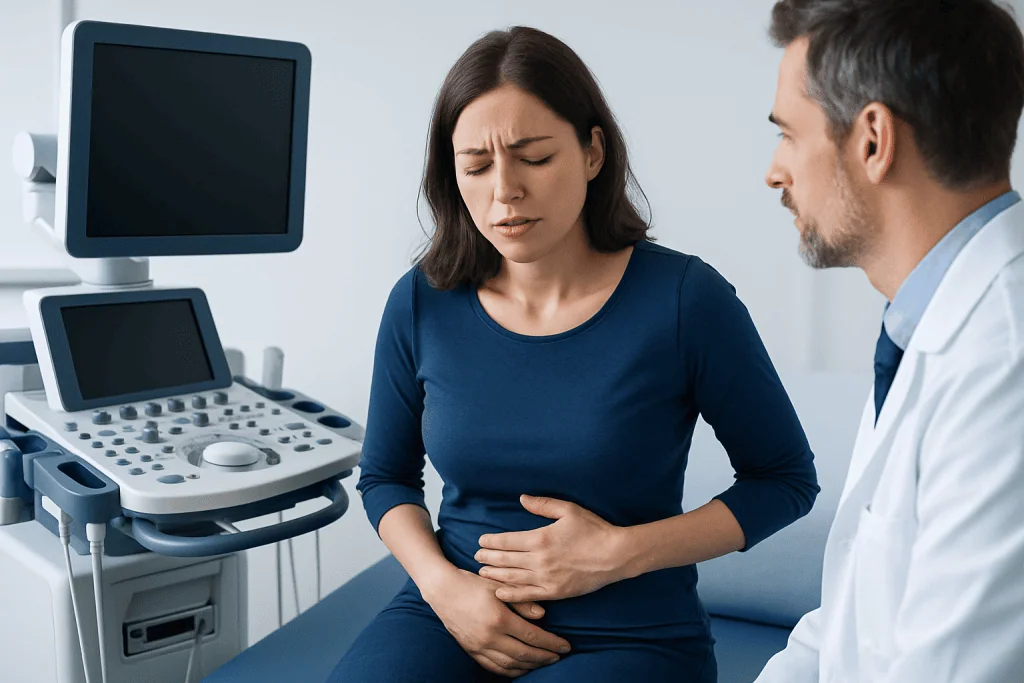
Several everyday conditions can cause pain around the navel. Digestive causes are especially common. Gas buildup, constipation, indigestion, and viral gastroenteritis may lead to cramping or aching in the central abdomen. These problems often come with bloating, changes in bowel habits, nausea, or a feeling of fullness, and they often improve within a short time with rest, fluids, and simple supportive care.
Another important possibility is early appendicitis. In many people, appendix pain starts as a vague ache near the belly button before moving to the lower right side of the abdomen over several hours. Loss of appetite, nausea, fever, and pain that worsens with movement can raise concern for appendicitis. A painful bulge at or near the navel may suggest an umbilical hernia, which can become more uncomfortable when coughing, lifting, or straining.
Inflammation in the intestines can also cause central abdominal pain. Conditions such as Crohn's disease may produce recurring pain, diarrhea, weight loss, fatigue, or blood in the stool. Less commonly, urinary tract problems, abdominal muscle strain, food intolerances, or a temporary blockage in the intestines may be responsible.
- Gas, bloating, and indigestion
- Constipation or bowel spasm
- Stomach flu or intestinal infection
- Early appendicitis
- Umbilical hernia
- Inflammatory bowel disease
- Abdominal muscle strain
- Urinary causes such as infection or stones
How symptoms and pain patterns help identify the cause

The way the pain behaves can offer useful clues. Cramping that comes in waves is often linked with the intestines, especially when gas, diarrhea, or constipation is present. Burning or discomfort after eating may suggest indigestion. Pain that worsens when bending, coughing, or using the abdominal muscles may point more toward a muscle strain or hernia than an internal digestive problem.
Time course matters as well. Sudden, severe pain deserves more urgent attention than a mild ache that improves after passing gas or having a bowel movement. Pain that starts near the navel and later settles in one area, especially the lower right abdomen, is a classic pattern that doctors watch for with appendicitis. Ongoing or repeated pain over weeks can suggest chronic conditions such as irritable bowel syndrome, inflammatory bowel disease, or a hernia.
Other symptoms can change the level of concern. Fever, repeated vomiting, inability to keep fluids down, blood in the stool, black stools, painful urination, or a visibly swollen abdomen should not be ignored. In children, older adults, and pregnant people, symptoms can be less typical, so a lower threshold for medical assessment is sensible.
Diagnosis: how doctors assess pain behind the navel
Diagnosis begins with a detailed history and physical examination. A doctor will usually ask when the pain started, where it is felt most strongly, whether it travels elsewhere, and what makes it better or worse. Questions about appetite, bowel movements, urination, fever, medications, recent infections, and previous surgeries are also important.
The abdominal exam can help identify tenderness, guarding, bloating, bowel sounds, or a hernia. Depending on the suspected cause, blood tests may be used to look for infection, inflammation, dehydration, or anemia. A urine test can help detect a urinary tract infection, kidney stone, or pregnancy when relevant.
Imaging is sometimes needed when the cause is not clear or when urgent conditions must be ruled out. Ultrasound may be useful for children, pregnant patients, hernias, or some inflammatory causes. CT scanning is often used when appendicitis, bowel obstruction, or other serious abdominal conditions are suspected. In selected cases, endoscopy or colonoscopy may be recommended to evaluate ongoing digestive symptoms more fully.
Treatment options depend on the cause
There is no single treatment for pain in stomach behind navel because the symptom can come from many different conditions. Mild digestive causes may improve with hydration, temporary dietary adjustments, rest, and treatment for constipation or indigestion. If an infection is present, care may focus on fluids and symptom relief, while some bacterial conditions may require medication prescribed by a clinician.
When doctors suspect inflammatory, structural, or surgical causes, treatment becomes more specific. Appendicitis often needs urgent evaluation and may require appendix surgery. A symptomatic hernia may need monitoring or hernia repair if it is painful, enlarging, or at risk of complications. Ongoing inflammatory bowel conditions may be managed with medicines and follow-up from digestive specialists.
If symptoms suggest a broader digestive disorder, referral for gastroenterology evaluation may help clarify the diagnosis and guide treatment. In international settings, Acibadem International’s multidisciplinary specialists and JCI-accredited hospitals diagnose and treat abdominal conditions for patients who need coordinated care.
Self-care and prevention for mild abdominal discomfort
When symptoms are mild and there are no warning signs, a few simple steps may help. Drinking water regularly, eating lighter meals for a short period, and avoiding foods that seem to trigger gas or indigestion can reduce discomfort. Gentle movement may also help bowel function if constipation is contributing to pain.
Prevention depends on the likely cause. Regular fiber intake, adequate hydration, and routine physical activity may reduce constipation. Good hand hygiene and safe food practices can lower the chance of stomach infections. Lifting heavy objects with care and managing chronic cough or straining may reduce the risk of worsening a hernia.
It is best not to self-treat severe or unexplained abdominal pain with repeated painkillers, laxatives, or antibiotics without medical advice. These measures can sometimes mask important symptoms or worsen dehydration. If pain keeps returning, a planned medical review is more useful than repeated short-term remedies.
When to seek medical care
Medical advice is important if pain behind the navel is strong, lasts more than a short time, keeps coming back, or is getting worse. A doctor should also assess pain that interferes with eating, walking, sleep, or normal daily activities. Even if the cause turns out to be minor, persistent symptoms deserve an explanation.
Urgent care is needed if the pain is severe or sudden, especially when it is combined with fever, repeated vomiting, fainting, a hard or swollen abdomen, blood in the stool, black stools, chest pain, or shortness of breath. Pain that begins near the belly button and then shifts to the lower right side should be assessed promptly because it may suggest appendicitis.
Anyone with a painful bulge near the navel, inability to pass stool or gas, signs of dehydration, or significant pain during pregnancy should also seek prompt assessment. Children, older adults, and people with chronic illnesses may become unwell more quickly, so early medical review is wise when symptoms are unclear or worsening.
Frequently asked questions
Is pain behind the belly button always serious?
No. Pain in this area is often caused by common problems such as gas, constipation, indigestion, or a short-term stomach infection. It becomes more concerning if it is severe, worsening, persistent, or paired with fever, vomiting, or a swollen abdomen.
Can appendicitis start as pain near the navel?
Yes. Appendicitis often begins as a vague pain around the belly button before moving to the lower right abdomen. Loss of appetite, nausea, and fever can appear as the inflammation progresses, so prompt medical review is important.
What does cramping pain around the navel usually mean?
Cramping pain often points to the intestines. It may happen with gas, diarrhea, constipation, or bowel spasm, especially if the pain comes and goes in waves. A doctor may need to assess it if the cramps are severe or do not settle.
Can a hernia cause pain behind the navel?
Yes. An umbilical hernia can cause discomfort, pressure, or a visible bulge near the belly button. Pain may become more noticeable with coughing, lifting, or straining, and urgent assessment is needed if the bulge becomes very painful, firm, or difficult to push back.
How do doctors find the cause of pain in stomach behind navel?
Doctors usually begin with questions about the timing, location, and pattern of the pain, along with a physical examination. Depending on the findings, they may order blood tests, a urine test, ultrasound, or CT imaging to look for infection, inflammation, hernia, or other abdominal problems.
Should someone go to the emergency room for belly button pain?
Emergency care is appropriate if the pain is sudden, severe, or rapidly worsening. Immediate help is also needed if there is fever, repeated vomiting, fainting, blood in the stool, a rigid or swollen abdomen, or pain that shifts to the lower right side.
This article is for general information only and is not a substitute for professional medical advice. Please consult a qualified doctor about your individual situation.
Persistent digestive symptoms? Get evaluated in Turkey
JCI-accredited · board-certified surgeons · reply within 24h
Add us as a Preferred Source to see more of our trusted health content across Google Search, AI Overviews and Discover.

More from the Health Library

What to Wear to Physical Therapy? A Doctor-Reviewed Answer

HIV Symptoms in Women: Possible Causes and When to Seek Care
High ph in urine: Common Causes, Warning Signs, and When to See a Doctor

Does Magnesium Lower Blood Pressure? Causes, Explanations, and Next Steps

How Many G of Fat Per Day? Here Is What the Evidence Says