Palliative Chemotherapy: How It Works, Results and What to Expect
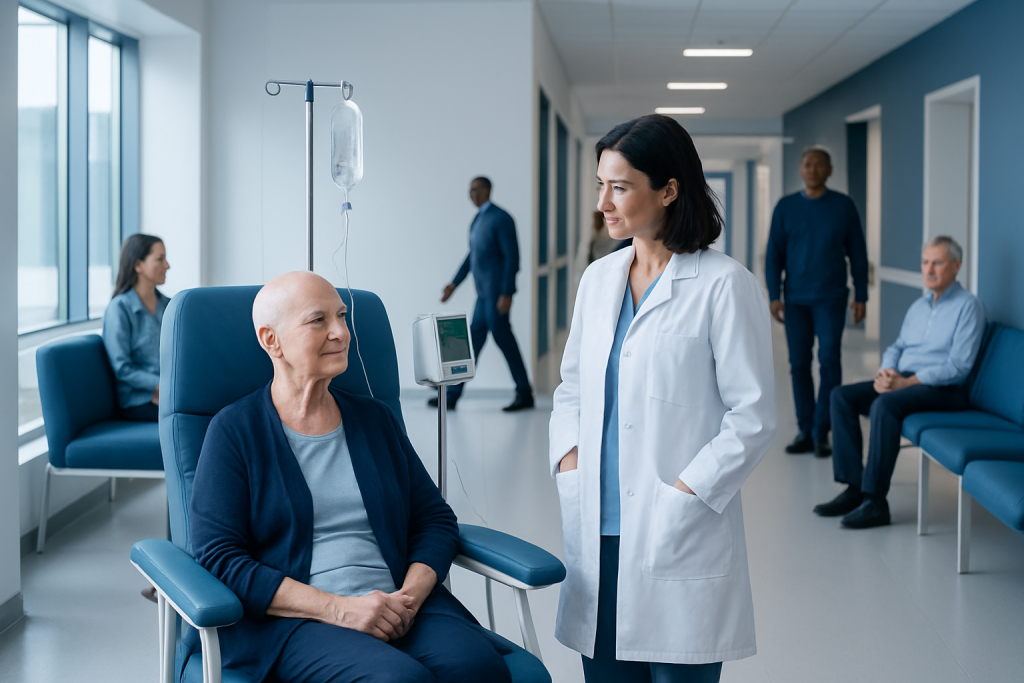
Palliative chemotherapy aims to control cancer and symptoms rather than cure the disease. It may shrink tumors, slow their growth and help relieve problems such as pain, breathlessness or pressure on organs.
Key Takeaways
- Palliative chemotherapy aims to control cancer and symptoms rather than cure the disease.
- It may shrink tumors, slow their growth and help relieve problems such as pain, breathlessness or pressure on organs.
- Treatment plans are individualized and can be reduced, paused or stopped if harms outweigh benefits.
- Palliative care can be provided alongside chemotherapy and supports physical, emotional and practical needs.
- Open discussions about goals, expected benefit and side effects help patients make informed choices.
Palliative chemotherapy is cancer treatment used to control cancer, relieve symptoms and potentially extend life when a cure is unlikely or not possible. Its value depends on the cancer type, treatment response, possible side effects and, most importantly, the person’s goals and quality of life.
Overview: What Is Palliative Chemotherapy?
Palliative chemotherapy is drug treatment for cancer when the main aim is not to cure the disease, but to slow its growth, reduce tumor-related symptoms and help a person maintain the best possible quality of life. It may be used for cancer that has spread to other parts of the body, has returned after earlier treatment, or cannot be completely removed or treated with curative therapy.
The medicines circulate through the bloodstream and can reach cancer cells in many areas of the body. Depending on the cancer and its biology, chemotherapy may be given alone or combined with targeted therapy, immunotherapy, hormone therapy, radiation treatment or supportive care. The plan should be revisited regularly because the purpose of treatment is to provide meaningful benefit without an unacceptable burden of side effects.
Palliative chemotherapy is not the same as palliative care. Palliative care is specialist support for symptoms, emotional wellbeing, family concerns and care planning; it can begin at any stage of serious illness and can be given at the same time as active cancer treatment. It is not limited to end-of-life care.
How Palliative Chemotherapy Works and Who May Be a Candidate
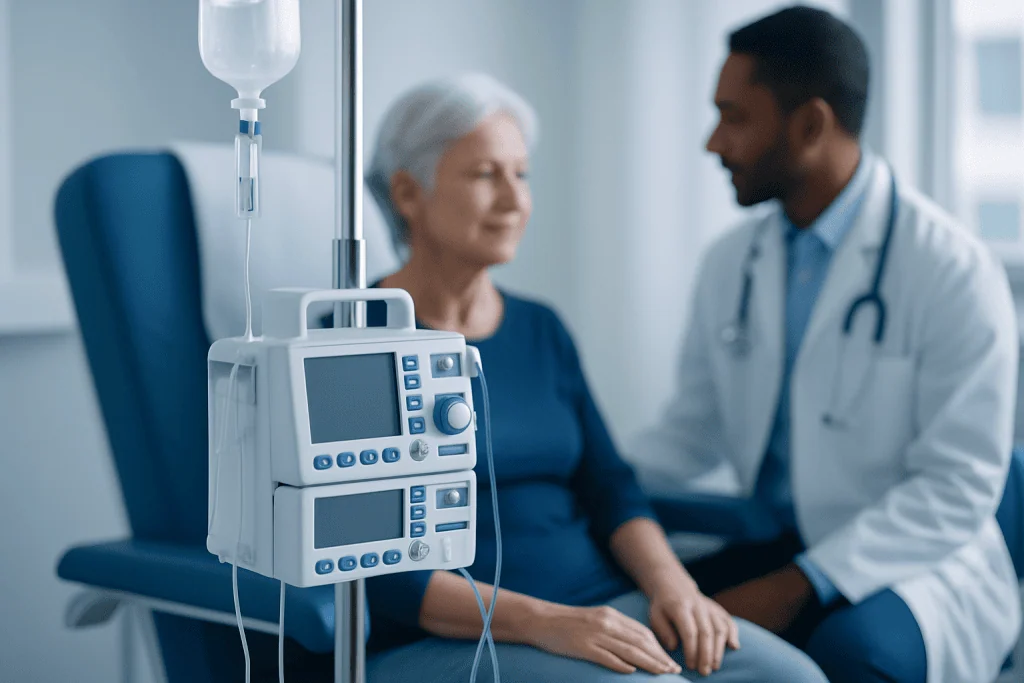
Chemotherapy works by damaging or disrupting the division of rapidly growing cells. Cancer cells often divide more quickly than normal cells, although some healthy tissues are also affected. This explains why chemotherapy can cause side effects in the blood-forming bone marrow, digestive tract, hair follicles and other sensitive tissues.
A cancer specialist considers palliative chemotherapy when there is a reasonable chance that treatment can control the cancer or improve symptoms. Decisions are based on the type and stage of cancer, tumor test results where relevant, previous treatments, areas affected by cancer, current symptoms, kidney and liver function, general fitness, and the person’s preferences.
Some people are better supported by symptom-focused care without chemotherapy, particularly if treatment is unlikely to help, side effects are likely to be difficult to tolerate, or the person prefers not to pursue further anticancer treatment. Choosing comfort-focused care is an active, individualized medical decision and does not mean that care stops.
- Potential goals include easing pain, reducing bleeding, improving appetite or reducing breathlessness caused by tumor pressure.
- Some regimens are designed to be gentler, with lower intensity or fewer medicines than curative regimens.
- Performance status, which describes how independently a person can manage daily activities, is an important part of candidacy assessment.
What Happens Before and During Treatment?
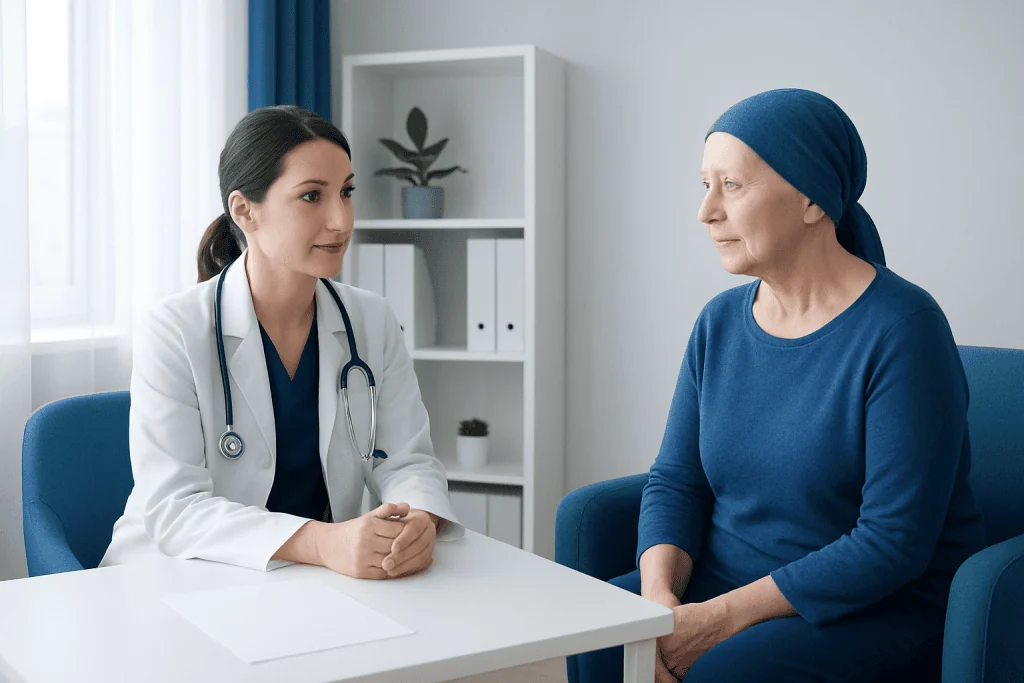
Before treatment starts, the oncology team reviews pathology results, imaging scans, medical history and current medicines. Blood tests are usually performed to check blood cell counts and organ function. The team explains the likely goals of treatment, alternatives, possible side effects, how results will be assessed and what symptoms should prompt urgent contact.
Palliative chemotherapy is commonly delivered in cycles. A cycle includes treatment days followed by a rest period, allowing the body time to recover. Medicines may be given through a vein at an infusion center, by injection, as tablets or capsules taken at home, or through a combination of these methods. For repeated intravenous treatment, some people may be offered a device placed under the skin or into a vein for easier access.
On treatment days, nurses check how the person has felt since the last cycle, including symptoms, temperature changes, eating and drinking, and possible side effects. Blood tests may be repeated. Medicines to prevent nausea or allergic reactions may be provided before chemotherapy. The visit can take from a short appointment to several hours, depending on the regimen.
Between cycles, regular contact with the cancer team helps address side effects early. Scans, blood tests and symptom reviews are used after a planned number of cycles to judge whether the treatment is helping. The regimen can be continued, adjusted, changed or stopped according to benefit and tolerability.
Benefits, Results and Recovery Timeline
The possible benefits of palliative chemotherapy vary widely. In cancers that respond to treatment, it may shrink tumors, delay further growth, reduce cancer-related symptoms and sometimes extend survival. The degree and duration of benefit cannot be predicted precisely for one individual, even when clinical trial data are available for a particular cancer type and treatment.
Can palliative chemo shrink tumors? Yes. When cancer cells are sensitive to the medicines used, tumors may partly shrink or, less commonly, become difficult to detect on scans. Shrinkage may relieve symptoms caused by a tumor pressing on nerves, airways, bowel or other structures. In other cases, the best result is stable disease, meaning the cancer has not grown significantly for a period of time.
Recovery after each cycle is different for every regimen and person. Some effects, such as tiredness or nausea, may occur within hours to days. Blood counts can fall later in the cycle, increasing vulnerability to infection or bruising, before recovering ahead of the next treatment. Fatigue may build gradually over several cycles, so the care plan may include rest, nutrition support, activity adapted to ability and practical help at home.
Response is not judged by scans alone. Relief of pain, better breathing, improved ability to eat, sleep or move, and maintaining meaningful daily activities may all be important signs that treatment is helping. If the cancer progresses or side effects become too burdensome, the oncology team can discuss other options.
How Much Longer Does Palliative Chemo Give You?
Palliative chemotherapy can extend life for some people, but the amount of time varies greatly and cannot be reliably stated as one number. It depends on the specific cancer, how far it has spread, the treatment selected, whether the tumor responds, overall health and the availability of other treatments. For some people the benefit may be limited, while for others effective disease control can last much longer.
The oncologist may use results from studies in people with a similar cancer to explain average outcomes, but averages do not predict an individual’s course. It is reasonable to ask what benefit the team expects in the person’s situation, how likely a response is, when response will be checked and what will happen if the treatment does not work.
Life-prolonging benefit should be considered together with quality of life. A treatment that offers a possible extension of time may feel worthwhile to one person and too burdensome to another. There is no universally correct choice; decisions should reflect the patient’s values, symptoms, support system and priorities.
Is It Worth Having Palliative Chemotherapy?
Whether palliative chemotherapy is worth having is a personal decision made with the oncology team. It may be worthwhile when there is a realistic chance of controlling cancer or relieving symptoms in a way that supports the person’s priorities. Others may decide that avoiding treatment visits and side effects is more important, especially when the expected chance of benefit is low.
Helpful questions include: What is the goal of this treatment? How likely is it to help my symptoms or slow the cancer? What side effects are most likely? How will treatment affect day-to-day life? When will we know whether it is working? Can treatment be stopped if it is no longer helping? A patient may also wish to involve family members, a palliative care specialist, nurse, social worker or counselor in these discussions.
A decision to try chemotherapy does not commit someone to continuing indefinitely. Treatment can be reviewed after one or more cycles and stopped at any time if it no longer matches the person’s goals. Likewise, declining chemotherapy does not mean declining medical support: pain relief, treatment for nausea or breathlessness, emotional care and other symptom management remain available.
Risks, Side Effects and Supportive Care
Side effects depend on the medicines used, dose, schedule and individual health. Common effects can include tiredness, nausea, vomiting, appetite changes, diarrhea or constipation, mouth soreness, hair thinning or loss, tingling or numbness in hands and feet, and changes in taste. Some side effects can be prevented or reduced with supportive medicines and early clinical advice.
Chemotherapy can lower white blood cell counts and increase the risk of serious infection. It may also reduce red blood cells or platelets, which can contribute to fatigue, breathlessness, bruising or bleeding. Certain drugs may affect the heart, kidneys, nerves, hearing, lungs or fertility, although risks differ substantially between regimens. The team monitors for these effects and may modify treatment where needed.
How long do cancer patients stay in palliative care? Palliative care may start at diagnosis of advanced cancer and continue for weeks, months or years, depending on need. It can be used while chemotherapy is ongoing, after treatment ends and during end-of-life care if that becomes appropriate. Its role is to improve comfort, communication and support throughout the illness, not to signal that active treatment has ended.
Nutrition support, physiotherapy, psychological care, symptom-control medicines and advance care planning may all be part of comprehensive support. Acibadem International’s multidisciplinary specialists and JCI-accredited hospitals diagnose and treat cancer for international patients, with palliative support integrated according to individual needs.
When to Seek Medical Care
People receiving chemotherapy should follow the contact instructions provided by their oncology team. Prompt medical advice is important for a fever or feeling suddenly unwell, chills, new or worsening shortness of breath, chest pain, uncontrolled vomiting or diarrhea, severe pain, confusion, unusual bleeding or bruising, or inability to drink enough fluids.
Do not wait for the next appointment if symptoms are severe or rapidly worsening. A fever during chemotherapy can be a sign of infection and may need urgent assessment, even if there are no other obvious symptoms. The oncology team can advise whether to attend an emergency department, a treatment center or another urgent service.
For non-urgent concerns such as persistent fatigue, appetite changes, constipation, sleep difficulties, anxiety or mild numbness, contacting the cancer nurse or clinic early may prevent symptoms from becoming more difficult. Keeping a brief record of symptoms, temperature when advised, medicines and questions can make appointments more productive.
Frequently asked questions
What is the difference between palliative chemotherapy and hospice care?
Palliative chemotherapy is anticancer treatment intended to control cancer or relieve cancer-related symptoms. Hospice care generally focuses on comfort when life-prolonging cancer treatment is no longer being used or is no longer aligned with a person’s goals. Palliative care can be involved during either approach.
Can palliative chemotherapy cure cancer?
Palliative chemotherapy is not usually given with the expectation of cure. Its goals are typically to slow cancer growth, shrink tumors when possible and improve or prevent symptoms. In some cancers, treatment may control disease for a meaningful period, but response differs from person to person.
How will doctors know if palliative chemotherapy is working?
The team evaluates symptoms, physical wellbeing, blood tests and imaging scans at planned intervals. A tumor may shrink, remain stable or continue to grow despite treatment. Better symptom control and improved daily functioning can also be important signs of benefit.
Can someone stop palliative chemotherapy after starting it?
Yes. A person can decide to stop chemotherapy at any time, particularly if side effects are too difficult, the cancer is progressing or treatment no longer fits their priorities. The care team can then focus on symptom relief, supportive care and other appropriate treatment options.
Will palliative chemotherapy always cause hair loss?
No. Hair loss depends on the specific chemotherapy medicines and doses used. Some regimens cause complete hair loss, while others cause thinning or no noticeable hair changes. The oncology team can explain what is expected with the planned treatment.
Can palliative care be started while receiving chemotherapy?
Yes. Palliative care can be introduced alongside chemotherapy from the beginning of treatment for advanced cancer. It helps manage symptoms, supports emotional wellbeing and assists with communication and future care planning.
References
- American Cancer Society
- National Cancer Institute
- European Society for Medical Oncology
- World Health Organization
- ASCO Cancer.Net
This article is for general information only and is not a substitute for professional medical advice. Please consult a qualified doctor about your individual situation.
Chemotherapy in Turkey — costs, top hospitals & a free quote
JCI-accredited · board-certified surgeons · reply within 24h
Add us as a Preferred Source to see more of our trusted health content across Google Search, AI Overviews and Discover.

Medical Oncology Department
Medical treatment of cancer with chemotherapy, immunotherapy and targeted therapies under a multidisciplinary tumor board.
60 specialists in this unit