Pancreas Divisum: What Patients Need to Know

Pancreas divisum is present from birth and is often found incidentally. Most people with pancreas divisum have no symptoms and do not need treatment.
Key Takeaways
- Pancreas divisum is present from birth and is often found incidentally.
- Most people with pancreas divisum have no symptoms and do not need treatment.
- When symptoms occur, they may include upper abdominal pain or episodes of pancreatitis.
- Diagnosis usually relies on imaging such as MRCP, endoscopic ultrasound, or ERCP in selected cases.
- Treatment is individualized and may range from observation to endoscopic procedures for people with recurrent pancreatitis.
Pancreas divisum is a birth variation in which the pancreatic ducts do not fully join during development. Most people never know they have it, but some may develop recurring abdominal pain or pancreatitis and may need evaluation by a digestive specialist.
Overview: what pancreas divisum means
Pancreas divisum is a common anatomical variation of the pancreas. It happens before birth, when two drainage channels in the developing pancreas do not fully fuse into a single main duct. As a result, most digestive enzymes produced by the pancreas drain through a smaller opening in the small intestine rather than the usual larger one.
For many people, this difference never causes any health problem. Pancreas divisum is often discovered by chance during imaging or testing done for another reason. In these cases, it usually does not require treatment and does not mean the pancreas is diseased.
The main reason this variation receives attention is that, in a smaller group of people, it may be linked with repeated inflammation of the pancreas, called pancreatitis. Experts do not believe pancreas divisum automatically causes symptoms, but it can be one factor considered when a person has unexplained pancreatic-type pain or recurrent pancreatitis.
How the pancreatic ducts normally develop
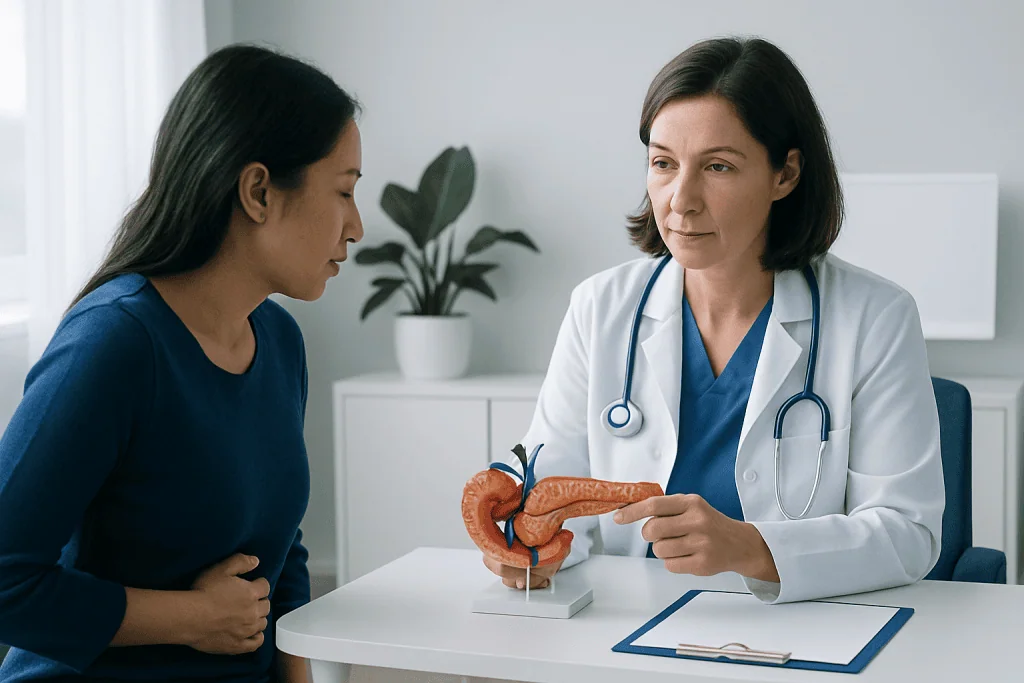
To understand pancreas divisum, it helps to know a little about pancreatic anatomy. During fetal development, the pancreas forms from two buds, each with its own duct system. In most people, these ducts join together as the baby develops, creating one dominant route for pancreatic juices to flow into the first part of the small intestine.
In pancreas divisum, that fusion does not fully happen. The larger portion of the pancreas then drains through the minor papilla, which is a smaller opening, while the remaining part drains through the major papilla. Many people live with this arrangement without any blockage or symptoms.
Doctors sometimes discuss complete and incomplete forms of pancreas divisum. This simply refers to whether there is no meaningful connection between the ducts or a small remaining connection. The distinction may matter on imaging, but the overall approach still depends mainly on whether the person has symptoms or episodes of pancreatitis.
Symptoms and possible complications
Most people with pancreas divisum have no symptoms at all. If symptoms do occur, they can be non-specific and may overlap with many other digestive conditions. This is why careful evaluation is important before concluding that pancreas divisum is the true cause.
Possible symptoms may include recurring pain in the upper abdomen, pain that may spread to the back, nausea, vomiting, bloating, or pain that seems to worsen after eating. Some people come to medical attention after repeated episodes of acute pancreatitis. Others may have ongoing pancreatic-type pain without clear inflammation on testing.
The main complication linked with pancreas divisum is recurrent pancreatitis, especially when no other clear cause is found. Symptoms of pancreatitis can include severe upper abdominal pain, persistent vomiting, fever, and tenderness. Repeated inflammation over time may affect digestion and, in some cases, pancreatic function.
- Upper abdominal pain, sometimes radiating to the back
- Nausea or vomiting
- Episodes of acute pancreatitis
- Rarely, longer-term pancreatic irritation or damage
Causes, risk factors, and why symptoms happen in some people
Pancreas divisum itself is not caused by lifestyle, diet, or infection. It is a congenital variation, meaning it is present from birth. In most people, it remains harmless throughout life.
Researchers are still studying why only some people with pancreas divisum develop symptoms. One theory is that the smaller drainage opening may not handle pancreatic secretions as easily in certain individuals, which may increase pressure in the duct system. Another possibility is that pancreas divisum becomes important only when combined with other factors, such as genetic susceptibility, inflammation, or structural narrowing of the minor papilla.
Because abdominal pain and pancreatitis have many possible causes, doctors also look for more common explanations. These may include gallstones, alcohol-related pancreatic irritation, high triglycerides, certain medicines, smoking, autoimmune conditions, or other duct abnormalities. A careful workup helps avoid attributing symptoms to pancreas divisum when another treatable cause is present.
How pancreas divisum is diagnosed
Diagnosis usually begins with a medical history, physical examination, and blood tests if pancreatitis is suspected. Doctors may check pancreatic enzymes and look for signs of inflammation, dehydration, infection, or other digestive causes of pain.
Imaging is central to diagnosis. Magnetic resonance cholangiopancreatography, often called MRCP, can show the pancreatic ducts without the need for an invasive procedure. Endoscopic ultrasound may also help by giving detailed views of the pancreas and nearby structures while looking for other causes of symptoms, such as stones or masses.
Endoscopic retrograde cholangiopancreatography, or ERCP, is more invasive and is usually reserved for selected cases, especially when treatment may be done during the same procedure. ERCP can help confirm the duct pattern and allow interventions such as ERCP-based treatment if needed. Some patients may also undergo endoscopic ultrasound as part of a broader pancreatic evaluation.
Because imaging findings do not always explain symptoms by themselves, doctors interpret test results together with the person’s history. The goal is not simply to identify pancreas divisum, but to decide whether it is likely relevant to the patient’s pain or pancreatitis episodes.
Treatment options and long-term management
Treatment depends on whether pancreas divisum is causing problems. If it is found incidentally and the person has no symptoms, no treatment is usually needed. Reassurance and routine medical follow-up may be all that is required.
When recurrent pancreatitis or clearly pancreatic-type pain is thought to be related to pancreas divisum, treatment may focus on improving drainage through the minor papilla. This is often done endoscopically, for example with sphincterotomy or temporary stent placement during ERCP. These procedures are usually considered only after other causes have been excluded and when the clinical pattern strongly suggests a pancreatic drainage problem.
Supportive care is important during attacks of pancreatitis. This may include fluids, pain control, rest for the digestive system, and treatment of complications. If there are stones, strictures, or other disorders affecting the pancreas or bile ducts, those may need separate management through gastroenterology care or advanced endoscopy.
In a smaller number of cases, surgery may be considered if symptoms are severe, repeated, and not improved with less invasive treatment. Decisions are individualized and usually made by a multidisciplinary team. Near the end of the care pathway, some international patients may seek assessment at centers such as Acibadem International, where multidisciplinary specialists in JCI-accredited hospitals evaluate pancreatic conditions and treatment options.
Self-care, prevention, and living with pancreas divisum
Because pancreas divisum is present from birth, it cannot be prevented. However, people who have had pancreatitis or pancreatic-type symptoms can often lower the chance of future irritation by addressing modifiable risks. This may include avoiding smoking, limiting or avoiding alcohol if advised by a doctor, staying hydrated, and managing blood fats if triglycerides are high.
Eating patterns may also matter for people recovering from pancreatitis. A doctor or dietitian may recommend smaller, balanced meals and a diet that is easier on the digestive system during recovery. People should not start major dietary restrictions on their own without medical guidance, especially if weight loss or poor nutrition is a concern.
Regular follow-up can be helpful for those with recurrent symptoms. It may include review of medications, assessment for gallbladder disease, and discussion of whether further imaging or endoscopic therapy is appropriate. If another pancreatic condition is suspected, doctors may also evaluate for problems beyond pancreas divisum, including pancreatic cancer when clinically indicated by age, imaging, or red-flag findings.
When to seek medical care
Medical care is important if a person has strong or repeated pain in the upper abdomen, especially if it spreads to the back or is associated with nausea and vomiting. Evaluation is also recommended if symptoms return after a previous episode of pancreatitis, or if pain repeatedly occurs after meals and interferes with daily life.
Urgent care is needed for severe abdominal pain, persistent vomiting, fever, yellowing of the skin or eyes, fainting, trouble breathing, or signs of dehydration. These symptoms can occur with pancreatitis or other serious digestive conditions and should not be managed at home without guidance.
A specialist should assess anyone with recurrent unexplained pancreatitis or repeated pancreatic-type pain. Prompt diagnosis can help identify whether pancreas divisum is incidental or whether targeted treatment may reduce future episodes and protect pancreatic health.
Frequently asked questions
Is pancreas divisum dangerous?
Usually, no. Most people with pancreas divisum never develop symptoms and may only learn about it after imaging for another reason. It becomes medically important mainly when it is linked with recurrent pancreatitis or ongoing pancreatic-type pain.
Can pancreas divisum cause pancreatitis?
It can be associated with pancreatitis in some people, but it is not the only possible cause. Doctors usually look for other common triggers, such as gallstones, alcohol use, high triglycerides, medications, or structural problems, before deciding that pancreas divisum is likely contributing.
How is pancreas divisum found?
It is commonly found with imaging tests that show the pancreatic ducts, such as MRCP or endoscopic ultrasound. In some situations, ERCP is used when doctors may also need to treat a duct problem during the same procedure.
Does everyone with pancreas divisum need treatment?
No. If pancreas divisum causes no symptoms and there is no history of pancreatitis, treatment is usually not needed. Care is generally focused on people with recurrent pancreatitis or symptoms strongly suggesting impaired pancreatic drainage.
What treatments are used if symptoms are related to pancreas divisum?
Treatment may include endoscopic procedures designed to improve drainage through the minor papilla, such as sphincterotomy or temporary stenting. The exact plan depends on the person's symptoms, test results, and whether other causes have been ruled out.
Can pancreas divisum be cured?
Pancreas divisum is a lifelong anatomical variation, so the duct pattern itself does not change on its own. However, if it is contributing to symptoms, treatment may reduce attacks of pancreatitis or improve pain in selected patients.
References
- National Institute of Diabetes and Digestive and Kidney Diseases
- American College of Gastroenterology
- American Gastroenterological Association
- National Pancreas Foundation
- Merck Manual Consumer Version
This article is for general information only and is not a substitute for professional medical advice. Please consult a qualified doctor about your individual situation.
Persistent digestive symptoms? Get evaluated in Turkey
JCI-accredited · board-certified surgeons · reply within 24h
Add us as a Preferred Source to see more of our trusted health content across Google Search, AI Overviews and Discover.

More from the Health Library

Systole: A Complete Medical Overview

Incisional Hernia — Explained by Medical Evidence, Not Myths

Bed Bugs: A Complete Medical Overview

Nicotine Patches: What Patients Need to Know

Concussion Protocol: What Patients Need to Know