Pancreozymin Hormone: What Patients Need to Know

Pancreozymin hormone is the older term for cholecystokinin (CCK). It helps release pancreatic enzymes and bile to support digestion.
Key Takeaways
- Pancreozymin hormone is the older term for cholecystokinin (CCK).
- It helps release pancreatic enzymes and bile to support digestion.
- Problems related to this hormone are usually linked to digestive or biliary conditions rather than a hormone disease alone.
- Symptoms such as upper abdominal pain, bloating, nausea, or poor digestion need medical assessment in context.
- Diagnosis focuses on the underlying digestive problem, not just the hormone itself.
- Treatment depends on the cause and may include diet changes, medicines, or care for gallbladder or pancreatic conditions.
Pancreozymin hormone is an older name for cholecystokinin, a digestive hormone made in the small intestine. It helps the body digest fats and proteins by signaling the pancreas and gallbladder, and it also plays a role in fullness after eating.
Overview: what pancreozymin hormone is
Pancreozymin hormone is an older name for cholecystokinin, often shortened to CCK. It is a natural hormone released mainly by the first part of the small intestine after food enters the digestive tract, especially food that contains fat and protein. In simple terms, it helps coordinate digestion so the body can break food down and absorb nutrients efficiently.
CCK works by sending signals to several organs at once. It prompts the pancreas to release digestive enzymes, encourages the gallbladder to contract and release bile, and slows the emptying of the stomach so food can be processed more steadily. It also communicates with the brain and nerves involved in appetite, helping a person feel full after a meal.
Patients often search for pancreozymin hormone when they are trying to understand symptoms such as nausea, bloating, pain after fatty meals, or concerns about the pancreas or gallbladder. In most cases, doctors do not diagnose a “pancreozymin disorder” on its own. Instead, they evaluate whether a digestive condition is affecting the normal actions of this hormone or the organs it signals.
How pancreozymin hormone supports digestion
After eating, CCK is released from specialized cells in the lining of the small intestine. Fatty acids and amino acids are especially strong triggers. This release is part of a carefully timed digestive process that starts in the stomach and continues in the intestine.
One of the hormone’s main jobs is to stimulate the pancreas to deliver enzymes into the small intestine. These enzymes help digest proteins, fats, and carbohydrates. When pancreatic enzyme delivery is reduced, a person may develop symptoms related to poor digestion, such as bloating, discomfort, greasy stools, or unintentional weight loss.
CCK also tells the gallbladder to squeeze and push bile into the intestine. Bile is important for breaking down fats so that they can be absorbed. At the same time, the hormone relaxes part of the biliary outflow pathway and slows stomach emptying, which gives the intestine more time to handle a meal properly.
Beyond digestion, CCK is involved in signaling fullness. That is why people may feel less hungry after a meal rich in protein or fat. This does not mean the hormone is solely responsible for appetite control, but it is one part of the body’s broader communication system between the gut and brain.
Symptoms patients may notice when digestion is affected

Pancreozymin hormone itself does not usually cause symptoms in isolation. Instead, symptoms tend to appear when the organs influenced by CCK are not working normally or when digestion is impaired. Because of this, the clinical picture often points toward a digestive, biliary, or pancreatic issue rather than a primary hormone problem.
Symptoms can vary depending on the underlying cause, but common complaints include discomfort in the upper abdomen, pain after eating, bloating, nausea, early fullness, gas, and intolerance to fatty foods. Some people may notice changes in bowel movements, including pale, loose, or greasy stools if fat digestion is reduced.
When gallbladder function is involved, pain may be felt under the right rib cage or in the upper middle abdomen, sometimes after a heavy or fatty meal. When pancreatic enzyme function is affected, symptoms may include poor digestion and weight loss over time. These symptoms overlap with many other conditions, including pancreatitis and gallstones, so medical evaluation is important if symptoms are persistent.
- Upper abdominal discomfort or cramping
- Bloating or excessive fullness after meals
- Nausea, sometimes worse after fatty foods
- Changes in stool consistency or fat content
- Reduced appetite or early satiety
Causes and related conditions
Most concerns about pancreozymin hormone arise in the setting of another digestive condition. Problems may involve the gallbladder, bile ducts, pancreas, stomach emptying, or small intestine. In other words, the hormone is part of the pathway, but the underlying problem often lies in the organ response or in the disease process affecting digestion.
Gallstones, gallbladder inflammation, biliary dyskinesia, chronic pancreatitis, exocrine pancreatic insufficiency, celiac disease, and some functional gastrointestinal disorders can all alter how digestion feels after meals. Previous surgery on the stomach or intestines may also change hormonal signaling and digestive timing. Certain medicines can slow stomach emptying or affect gut motility, which may change how symptoms are experienced.
Inflammation or structural problems in the pancreas can interfere with the enzyme response that CCK is meant to stimulate. In these situations, clinicians may assess pancreatic function directly, and treatment may sometimes involve pancreatic enzyme replacement therapy when medically indicated.
It is also important to remember that abdominal symptoms are not always due to the pancreas or gallbladder. Indigestion, reflux, irritable bowel syndrome, ulcers, food intolerance, or liver-related problems can create similar symptoms. A careful history, physical examination, and targeted testing help narrow down the cause safely.
How doctors evaluate pancreozymin-related concerns
There is no single routine test used in everyday care just to measure pancreozymin hormone and make a diagnosis. Instead, doctors investigate the symptoms and look for the digestive condition behind them. The evaluation usually begins with questions about meal-related pain, stool changes, weight changes, nausea, medications, alcohol use, prior surgery, and family history.
Blood tests may be used to assess liver enzymes, bilirubin, pancreatic enzymes, inflammation, nutrition, or signs of malabsorption. Stool tests can help evaluate fat malabsorption or pancreatic exocrine function in selected patients. If celiac disease or another intestinal disorder is suspected, additional laboratory or endoscopic testing may be recommended.
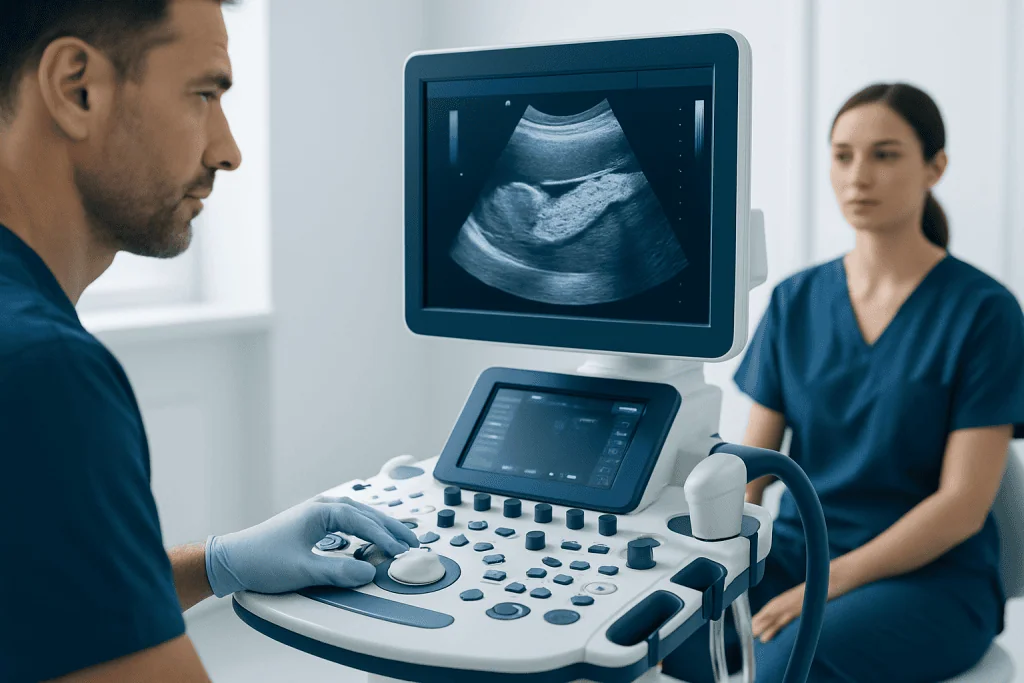
Imaging is often important when gallbladder or pancreatic disease is a concern. Depending on the situation, a doctor may request abdominal ultrasound, CT, MRI, or specialized studies to assess bile ducts, the pancreas, or gallbladder function. If a clinician suspects a more defined pancreatic disorder, advanced evaluation such as endoscopic ultrasound may be appropriate in selected cases.
Sometimes upper endoscopy is used to assess ulcers, inflammation, or other upper digestive causes of symptoms. When symptoms are broad or complex, referral to a gastroenterologist can help clarify whether the issue is functional, inflammatory, structural, or related to enzyme insufficiency.
Treatment options and daily management
Treatment is guided by the cause rather than by the hormone name alone. If symptoms are due to gallstones, gallbladder disease, pancreatic enzyme insufficiency, peptic disease, or celiac disease, treatment is tailored accordingly. For some people, symptom improvement starts with dietary adjustments and support for more comfortable digestion.
Doctors may recommend smaller meals, moderate fat intake, limiting alcohol, staying hydrated, and reviewing medications that might worsen symptoms. If poor pancreatic enzyme output is confirmed, pancreatic enzyme supplements may help the body digest food more effectively. If there is inflammation, infection, obstruction, or gallbladder disease, other medical or procedural treatments may be needed.
In gallbladder-related conditions, treatment may range from observation to surgery depending on the diagnosis and symptom pattern. For example, people with recurrent symptomatic gallstones may be assessed for gallbladder surgery after appropriate evaluation. In pancreatic or biliary disease, nutrition support can also be an important part of care, especially if appetite, weight, or absorption has been affected.
Patients should avoid self-diagnosing based on internet descriptions of hormones alone. Because the same symptoms can come from many digestive problems, the safest approach is to discuss persistent or worsening symptoms with a qualified clinician. Near the end of the diagnostic journey, multidisciplinary teams such as those at Acibadem International’s JCI-accredited hospitals may help evaluate and treat complex digestive, biliary, and pancreatic conditions for international patients.
Prevention, self-care, and when to seek medical care
There is no direct way to “boost” pancreozymin hormone for general health, and most people do not need to think about this hormone in daily life. The more practical goal is supporting digestive health overall. Balanced eating patterns, regular meals, maintaining a healthy weight, avoiding smoking, and limiting alcohol can all support the pancreas, liver, gallbladder, and gastrointestinal system.
People who notice discomfort after very rich or fatty meals may benefit from smaller portions and keeping a symptom diary to identify patterns. Ongoing bloating, greasy stools, nausea, or upper abdominal pain should not be ignored, especially if symptoms are recurring. Follow-up is also wise for anyone with a history of pancreatitis, gallstones, intestinal disease, or digestive surgery.
Medical care should be sought promptly for severe or persistent upper abdominal pain, repeated vomiting, fever, jaundice, dehydration, black stools, or unexplained weight loss. Urgent assessment is also important if pain spreads to the back, becomes intense after meals, or is accompanied by faintness or inability to keep fluids down. These symptoms do not always signal a serious emergency, but they do deserve professional evaluation without delay.
Frequently asked questions
Is pancreozymin hormone the same as cholecystokinin?
Yes. Pancreozymin is an older name for cholecystokinin, or CCK. Today, most medical sources use the term cholecystokinin because it more fully reflects the hormone’s role in both pancreatic enzyme release and gallbladder contraction.
What does pancreozymin hormone do in the body?
It helps the body digest fats and proteins after a meal. It signals the pancreas to release enzymes, prompts the gallbladder to release bile, slows stomach emptying, and contributes to the feeling of fullness.
Can low pancreozymin hormone cause digestive symptoms?
Symptoms are usually not blamed on low CCK alone in routine care. More often, digestive symptoms come from conditions affecting the gallbladder, pancreas, stomach, or small intestine, which may change how this hormone’s signals are handled.
Do doctors routinely test pancreozymin hormone levels?
No, not in most everyday digestive evaluations. Doctors usually focus on the underlying cause of symptoms using history, blood work, stool tests, and imaging rather than measuring this hormone directly.
Which foods stimulate pancreozymin hormone release?
Meals that contain fat and protein are the strongest natural triggers. This is a normal part of digestion and helps coordinate enzyme and bile release after eating.
When should someone worry about symptoms related to digestion after meals?
A person should seek medical advice if symptoms are frequent, worsening, or interfering with eating and daily life. Prompt care is important for severe abdominal pain, vomiting, fever, jaundice, dehydration, black stools, or unexpected weight loss.
This article is for general information only and is not a substitute for professional medical advice. Please consult a qualified doctor about your individual situation.
Persistent digestive symptoms? Get evaluated in Turkey
JCI-accredited · board-certified surgeons · reply within 24h
Add us as a Preferred Source to see more of our trusted health content across Google Search, AI Overviews and Discover.

More from the Health Library

Flax Seeds: What Patients Need to Know

Brush Hair Brushes: A Complete Medical Overview

Homocystinuria — Explained by Medical Evidence, Not Myths

Organic Oatmeal — Explained by Medical Evidence, Not Myths

Palinopsia: A Complete Medical Overview