Parasomnias: Why Acting Out Sleep Can Need a Neurology Workup

Parasomnias include sleepwalking, night terrors, confusional arousals, nightmare disorder, sleep paralysis, and REM sleep behavior disorder. Some episodes are brief and benign, while others can cause injury, disrupt sleep, or point to an underlying medical condition.
Key Takeaways
- Parasomnias include sleepwalking, night terrors, confusional arousals, nightmare disorder, sleep paralysis, and REM sleep behavior disorder.
- Some episodes are brief and benign, while others can cause injury, disrupt sleep, or point to an underlying medical condition.
- A neurology or sleep medicine workup is especially important when a person physically acts out dreams, becomes injured, or develops new symptoms in adulthood.
- Diagnosis may involve a detailed sleep history, medication review, and overnight sleep testing such as polysomnography.
- Treatment depends on the type of parasomnia and may include safety steps, sleep habit changes, managing triggers, and targeted medical care.
Parasomnias are unwanted movements, behaviors, emotions, or experiences that happen during sleep or while falling asleep or waking up. Many are harmless, but repeated, risky, or violent episodes can signal an underlying sleep or neurological disorder and may need specialist assessment.
Overview of parasomnias
Parasomnias are a group of sleep-related conditions in which unusual behaviors or experiences occur during sleep, during partial awakenings, or around the transition between sleep and wakefulness. These events can include talking, walking, screaming, eating, moving suddenly, or seeming to act out a dream. Some parasomnias are more common in childhood and often improve with age, while others may appear or become more noticeable in adults.
Doctors often classify parasomnias by the stage of sleep in which they occur. Non-REM parasomnias include sleepwalking, night terrors, and confusional arousals. REM-related parasomnias include REM sleep behavior disorder, in which the normal muscle paralysis of dream sleep is reduced or absent, allowing a person to move during dreams. Other events, such as nightmares, sleep paralysis, and sleep-related hallucinations, may also fall under the broader parasomnia category.
Although many parasomnias are not dangerous, they deserve attention when they become frequent, lead to injury, disturb household members, or begin later in life without a clear explanation. In some cases, acting out sleep can be linked to another sleep disorder, medication effect, mental health condition, or neurological illness. This is why a careful evaluation can be important rather than assuming that all unusual sleep behaviors are harmless.
Symptoms and types of parasomnias
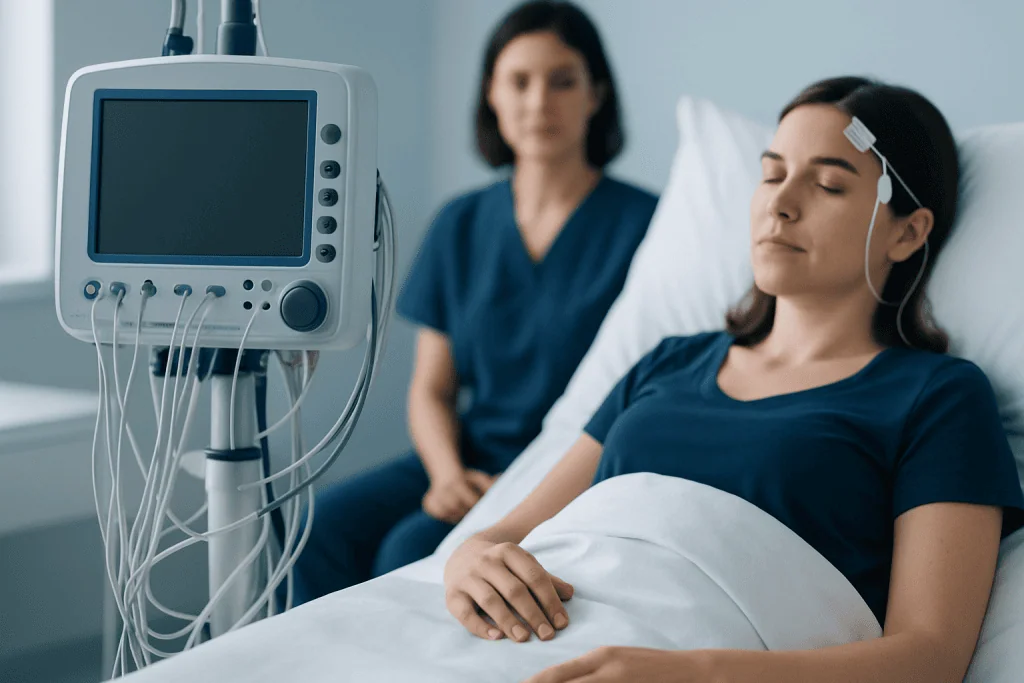
Symptoms vary widely depending on the type of parasomnia. A person may sit up in bed, walk around the home, talk, shout, eat, grind teeth, appear confused, or move forcefully during sleep. Some people remember vivid dreams or frightening images, while others have little or no memory of the event the next morning. Family members or bed partners are often the first to notice the problem.
Common examples include the following:
- Sleepwalking: getting out of bed and walking or doing simple activities while still asleep
- Night terrors: sudden screaming, fear, rapid breathing, and confusion, often with little recall afterward
- Confusional arousals: waking partially with disorientation, slow thinking, or unusual behavior
- Nightmare disorder: repeated disturbing dreams that cause awakening and distress
- Sleep paralysis: a temporary inability to move when falling asleep or waking up
- REM sleep behavior disorder: punching, kicking, shouting, or other movements linked to dream enactment
Features that raise more concern include violent behavior, injuries to the sleeper or bed partner, leaving the home during an episode, choking or breathing pauses, daytime sleepiness, or events that start for the first time in midlife or later. Dream enactment during the second half of the night is particularly important because it may suggest REM sleep behavior disorder rather than sleepwalking or a night terror.
Causes and risk factors

Parasomnias can be triggered by anything that disrupts normal sleep stability. Common contributors include sleep deprivation, irregular sleep schedules, emotional stress, fever, alcohol, and certain medications. In children, non-REM parasomnias often occur because the brain is more prone to partial arousals from deep sleep. In adults, the causes may be more complex and may require closer evaluation.
Other sleep disorders can increase the chance of parasomnias. Obstructive sleep apnea, restless legs syndrome, and periodic limb movement disorder may fragment sleep and trigger episodes. Treating an underlying sleep problem may significantly reduce unusual nighttime behaviors. When clinically appropriate, a doctor may look for conditions such as sleep apnea if snoring, witnessed breathing pauses, or marked daytime fatigue are present.
Neurological factors are especially relevant in adults with dream enactment behaviors. REM sleep behavior disorder can sometimes occur on its own, but it may also be associated with neurodegenerative conditions that affect the brain’s control of REM sleep. Not every person with REM sleep behavior disorder will develop a neurological disease, but the association is strong enough that new symptoms should not be ignored. This is one reason why a neurology workup may be recommended, especially if there are additional signs such as tremor, slowed movement, loss of smell, constipation, or changes in thinking.
Family history, mental health conditions, trauma-related nightmares, and use of antidepressants or sedative medications may also play a role in some parasomnias. Because several different causes can produce similar nighttime behaviors, an accurate diagnosis depends on looking at the whole clinical picture rather than guessing based on one episode alone.
Why acting out sleep can need a neurology workup
Not every parasomnia needs neurological testing, but certain patterns make specialist assessment more important. Adults who suddenly begin shouting, punching, kicking, or falling out of bed during sleep may be physically enacting dreams rather than having a typical childhood-type parasomnia. This can increase the risk of injury and may point to REM sleep behavior disorder, seizures during sleep, or another neurological condition that needs to be distinguished carefully.
A neurology workup helps answer several key questions: What type of sleep event is happening? Is it truly a parasomnia, or could it be nocturnal epilepsy, severe sleep apnea, panic episodes, medication-related behavior, or another medical problem? Are there early signs of a broader neurological disorder that should be monitored over time? This kind of assessment can be especially helpful when episodes are frequent, complex, or dangerous.
Specialists also pay attention to timing and memory. Non-REM parasomnias often arise from deep sleep in the first third of the night and are followed by confusion and poor recall. REM-related events tend to happen later in the night and may match vivid dream content. If needed, evaluation in a dedicated sleep center may include an overnight sleep study to document movements, brain activity, breathing, and muscle tone during sleep.
How parasomnias are diagnosed
Diagnosis begins with a detailed history. The doctor asks what happens during episodes, when they occur, how often they happen, whether there is injury, and whether the person remembers dreaming or waking during the event. Information from a bed partner or family member is often very valuable, and video recordings from home can sometimes help if they are available and safe to obtain.
The evaluation usually also includes a review of medical history, neurological symptoms, medications, alcohol use, mental health, and sleep habits. Doctors may ask about snoring, daytime sleepiness, leg discomfort, trauma history, and family history of sleep disorders. A physical and neurological examination can provide clues about whether a broader neurological or medical issue may be contributing.
When symptoms suggest a more complex disorder, testing may be recommended. Overnight polysomnography can record sleep stages, oxygen levels, heart rhythm, limb movements, and muscle activity. This is especially useful when REM sleep behavior disorder, sleep apnea, or nocturnal seizures are possible. In selected cases, doctors may recommend EEG testing or other neurological assessment if epileptic events are part of the differential diagnosis.
The goal of diagnosis is not simply to name the condition, but to determine whether it is benign, whether it places the person at risk, and whether treatment of an underlying problem could improve sleep and safety. A careful workup also helps avoid treatments that may not fit the true cause of the nighttime behavior.
Treatment options
Treatment depends on the type of parasomnia, its severity, and any underlying condition. For many people, the first steps are improving sleep regularity, reducing sleep deprivation, limiting alcohol, and reviewing medications that might trigger episodes. If stress or trauma is contributing, psychological support may also be part of care. A clinician may recommend monitoring before starting treatment if episodes are infrequent and low risk.
Safety is a central part of treatment, especially for sleepwalking and dream enactment. Helpful steps may include locking doors and windows, removing sharp objects, padding nearby furniture, sleeping on a lower bed, and ensuring the sleeping area is free of hazards. Bed partners may also need guidance on how to avoid injury during an episode and when not to try to physically restrain the sleeper.
When another sleep disorder is causing sleep fragmentation, treating that condition can reduce parasomnias. For example, managing obstructive sleep apnea may lessen nighttime arousals and unusual behaviors; in appropriate cases, this may involve sleep apnea treatment. In REM sleep behavior disorder or other persistent parasomnias, a sleep specialist or neurologist may discuss targeted medications, but the best choice depends on the individual, their age, other diagnoses, and possible side effects.
Follow-up matters, particularly when parasomnias begin in adulthood or are linked to neurological symptoms. Near the end of the diagnostic journey, some patients benefit from coordinated care between neurology, sleep medicine, psychiatry, and respiratory specialists. Acibadem International’s multidisciplinary specialists in JCI-accredited hospitals diagnose and treat sleep-related neurological conditions for international patients when such expertise is needed.
Prevention and self-care
Not all parasomnias can be prevented, but several practical measures may reduce episodes. Keeping a regular sleep schedule, getting enough sleep, and avoiding sudden sleep deprivation are often helpful. Many people notice that events become more frequent after late nights, travel across time zones, illness, or periods of intense stress.
Good sleep habits can support more stable sleep. These include limiting alcohol close to bedtime, using caffeine thoughtfully, creating a quiet and comfortable sleep environment, and discussing any sleep-related medication concerns with a doctor rather than stopping medicines abruptly. If a person has repeated nightmares, anxiety, or trauma-related symptoms, addressing those issues can improve both sleep quality and daytime well-being.
Families can also make a practical safety plan. This may include gently guiding the person back to bed during simple sleepwalking episodes, avoiding arguments or sudden waking when confusion is severe, and documenting what happens so a doctor can review patterns. Self-care is valuable, but ongoing or risky behaviors should still be evaluated by a qualified clinician.
When to see a doctor
Medical advice is recommended if parasomnias happen often, interfere with sleep, or lead to injuries or unsafe situations. New onset in adulthood deserves particular attention, especially when the person appears to punch, kick, leap out of bed, or otherwise act out dreams. Bed partner injury, leaving the bedroom or home, or episodes that include choking, breathing pauses, or loss of bladder control are also reasons to seek assessment.
Urgent evaluation may be needed if episodes are associated with confusion lasting a long time, daytime blackouts, new weakness, changes in speech, or other neurological symptoms. These features can suggest a condition other than a simple parasomnia. If there is any concern about seizure, significant injury, or sudden change in mental status, emergency care may be appropriate.
Even when symptoms seem mild, discussing them with a sleep specialist, neurologist, or primary care doctor can be worthwhile. Early assessment can clarify the diagnosis, improve safety, and identify whether a broader sleep or neurological condition is present. Reassuringly, many parasomnias can be managed effectively once the cause is understood.
Frequently asked questions
Are parasomnias dangerous?
Many parasomnias are not dangerous, especially when they are brief and infrequent. They become more concerning when they cause injury, involve violent behavior, disrupt sleep significantly, or begin for the first time in adulthood.
What is the difference between sleepwalking and REM sleep behavior disorder?
Sleepwalking is usually a non-REM parasomnia that happens during deeper sleep, often earlier in the night, and the person is typically confused with little memory afterward. REM sleep behavior disorder usually occurs later in the night and involves acting out vivid dreams because normal REM muscle paralysis is reduced.
Why would a neurologist be involved in sleep behaviors?
A neurologist may help when nighttime behaviors could be related to REM sleep behavior disorder, seizures during sleep, or an underlying neurological condition. Neurological evaluation is especially useful when episodes are new in adulthood, violent, frequent, or accompanied by other nervous system symptoms.
How are parasomnias diagnosed?
Diagnosis starts with a detailed history of what happens during episodes, when they occur, and whether there are triggers or injuries. Some people also need an overnight sleep study or, in selected cases, additional neurological testing to tell parasomnias apart from other conditions.
Can stress or lack of sleep trigger parasomnias?
Yes. Sleep deprivation, stress, alcohol, illness, and irregular sleep schedules can all make parasomnias more likely or more frequent. Reducing these triggers can sometimes improve symptoms, although medical review is still important when episodes are severe or persistent.
Do children outgrow parasomnias?
Many children do outgrow common non-REM parasomnias such as sleepwalking or night terrors as the brain matures. However, frequent episodes, injuries, or symptoms that continue into adulthood should be discussed with a doctor.
References
- American Academy of Sleep Medicine
- National Institute of Neurological Disorders and Stroke
- National Heart, Lung, and Blood Institute
- Cleveland Clinic
- Mayo Clinic
This article is for general information only and is not a substitute for professional medical advice. Please consult a qualified doctor about your individual situation.
Explore treatments in Turkey — costs, top hospitals & a free quote
JCI-accredited · board-certified surgeons · reply within 24h
Add us as a Preferred Source to see more of our trusted health content across Google Search, AI Overviews and Discover.