Parietitis: Diagnosis, Outlook, and Modern Treatment Approaches
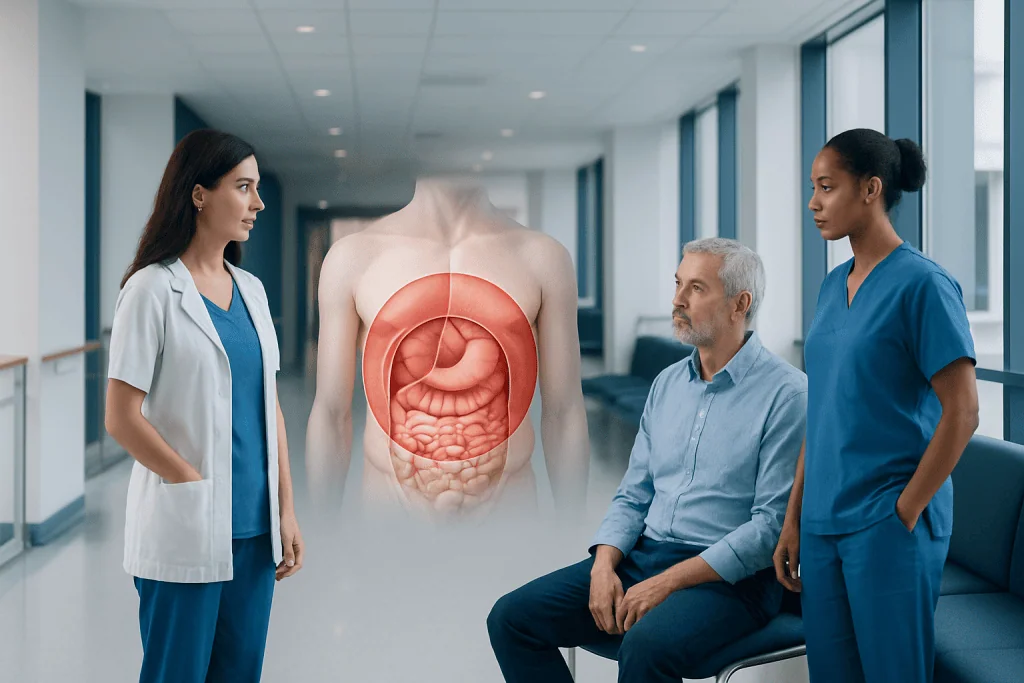
Parietitis refers to inflammation of the parietal peritoneum, usually causing localized abdominal pain and tenderness. It can develop alongside conditions such as appendicitis, gallbladder inflammation, abdominal infection, or surgical complications.
Key Takeaways
- Parietitis refers to inflammation of the parietal peritoneum, usually causing localized abdominal pain and tenderness.
- It can develop alongside conditions such as appendicitis, gallbladder inflammation, abdominal infection, or surgical complications.
- Diagnosis often combines a physical exam with blood tests and imaging such as ultrasound or CT.
- Treatment depends on the cause and may include pain control, antibiotics, drainage, or surgery.
- Early medical assessment is important when abdominal pain is severe, persistent, or associated with fever, vomiting, or a rigid abdomen.
Parietitis is inflammation affecting the parietal peritoneum, the membrane lining the inside of the abdominal wall. It is not a disease on its own but a clinical finding linked to underlying problems such as infection, irritation, inflammation, or abdominal injury, so treatment focuses on identifying and managing the cause.
Overview: What parietitis means
Parietitis means inflammation of the parietal peritoneum, the thin membrane that lines the inner surface of the abdominal wall. When this membrane becomes inflamed, it often produces pain that is more sharply localized than general abdominal discomfort. In clinical practice, the term is used to describe a pattern of irritation rather than a single standalone illness.
This distinction matters because parietitis usually points to another problem happening inside the abdomen or pelvis. Common triggers include nearby infection, inflammation of an organ, leakage of intestinal contents, trauma, or irritation after a medical procedure. In other words, parietitis is a clue that helps doctors narrow down the source of abdominal pain.
The parietal peritoneum is rich in nerve supply, so inflammation here can be very noticeable. People may feel pain that worsens with movement, coughing, deep breathing, or pressure on the area. Because the pain is often well localized, it can help guide examination and imaging toward the part of the abdomen most likely involved.
How parietitis feels: symptoms and warning signs

The most typical symptom of parietitis is localized abdominal pain. Unlike vague cramping or bloating, this pain is often easier to point to with one hand. It may become stronger when the person moves, changes position, walks, coughs, or when the abdomen is gently pressed during an examination.
Tenderness, guarding, and a sense that the abdominal wall feels tight can occur when the lining is irritated. Some people also develop fever, nausea, vomiting, loss of appetite, or a general feeling of being unwell, especially if the inflammation is related to infection. If the underlying cause is in the lower right abdomen, for example, symptoms may resemble appendicitis.
Symptoms vary depending on the cause and how much of the peritoneum is involved. In limited, early inflammation, discomfort may stay confined to one area. In more serious conditions, pain can spread and become intense, and the abdomen may feel rigid. That pattern needs prompt medical assessment because it may suggest a surgical abdomen or developing peritonitis.
- Localized abdominal pain
- Pain worse with movement or coughing
- Abdominal tenderness or guarding
- Fever or chills
- Nausea or vomiting
- Loss of appetite
Why it happens: causes and risk factors

Parietitis develops when something irritates or inflames the abdominal lining. One common pathway is spread of inflammation from a nearby organ. For example, an inflamed appendix, gallbladder, or section of bowel can irritate the adjacent peritoneum. Infections within the abdomen, including abscesses, can also trigger this response.
Another cause is leakage of contents that should remain inside a hollow organ. A perforated stomach ulcer, inflamed bowel, or intestinal injury can allow digestive fluids or bacteria to reach the peritoneal lining. Even a small amount of leakage may produce marked pain because the parietal peritoneum is highly sensitive.
Parietitis may also appear after abdominal surgery, trauma, or invasive procedures. In some cases, irritation comes from blood, bile, or other fluids in the abdominal cavity rather than direct infection. In gynecologic conditions, pelvic inflammatory processes can sometimes cause lower abdominal peritoneal irritation as well.
Risk factors are not unique to parietitis itself but reflect the risk of underlying abdominal disease. These may include a history of abdominal surgery, inflammatory bowel conditions, untreated infections, gallstones, peptic ulcer disease, injury, or delayed medical evaluation of severe abdominal pain.
How doctors make the diagnosis
Diagnosing parietitis starts with a careful medical history and physical examination. A doctor will ask when the pain began, where it is located, what makes it worse, and whether symptoms such as fever, vomiting, bowel changes, urinary symptoms, or recent surgery are present. The examination looks for localized tenderness, rebound pain, guarding, and signs of wider abdominal irritation.
Because parietitis is usually secondary to another condition, tests are aimed at finding the source. Blood tests may look for signs of infection or inflammation, changes in kidney function, electrolyte imbalance, or anemia. Urine tests, pregnancy testing when appropriate, and other targeted laboratory studies may also help narrow the possibilities.
Imaging is often important. Ultrasound can be useful for gallbladder disease, pelvic conditions, and some cases of suspected appendicitis. CT scanning is commonly used when the cause is unclear or when doctors need a detailed view of the bowel, appendix, abscess, perforation, or other intra-abdominal pathology. In selected cases, MRI may be used when soft tissue detail is needed or radiation exposure should be limited.
The main goal is not only to confirm inflammation of the abdominal lining but to identify the exact disease that is driving it. This is why diagnosis can involve input from emergency physicians, gastroenterologists, radiologists, surgeons, or gynecology specialists depending on the clinical picture.
Modern treatment approaches
Treatment for parietitis depends entirely on the underlying cause and on how unwell the person is. There is no single medicine that treats all cases, because the inflammation improves when the trigger is controlled. Mild cases related to limited inflammation may be managed with observation, fluids, pain relief, and treatment directed at the specific condition.
If infection is suspected or confirmed, antibiotics may be needed. When an abscess, perforation, bowel obstruction, or inflamed organ is present, hospital-based care is often required. In these situations, treatment may include intravenous fluids, monitoring, and involvement of surgical teams. If imaging shows a fluid collection, interventional radiology may sometimes help drain it in a minimally invasive way.
Some causes need surgery rather than medication alone. For instance, a perforated organ, certain cases of appendicitis, or severe inflammation of abdominal structures may require prompt operative treatment. Depending on the diagnosis, doctors may use laparoscopic surgery to examine and treat the source through small incisions, which can support faster recovery in selected patients.
Supportive care remains important throughout treatment. This may include temporary fasting, nausea control, hydration, and careful reassessment. In complex cases, especially when the diagnosis is uncertain, a multidisciplinary approach helps decide whether conservative management, drainage, endoscopy, or surgery is the safest next step.
Outlook and recovery
The outlook for parietitis is generally tied to how quickly the underlying cause is identified and treated. When the source is recognized early and managed appropriately, inflammation of the parietal peritoneum often improves as the main condition resolves. Recovery may be relatively quick in limited or uncomplicated cases.
Outlook can be more serious when the cause involves perforation, widespread infection, delayed diagnosis, or significant underlying illness. These situations may need hospitalization and sometimes urgent surgery. Even then, outcomes are often better when care starts early and the treatment plan is clearly tailored to the cause.
During recovery, doctors may monitor pain, fever, bowel function, appetite, and laboratory markers of inflammation. Follow-up can also include repeat imaging when symptoms do not settle as expected. Patients should avoid assuming that pain relief alone means the problem has fully resolved, because the key measure is whether the underlying disease has been controlled.
Near the end of the care pathway, some people benefit from coordinated input from gastroenterology, surgery, imaging, and internal medicine teams. Acibadem International’s multidisciplinary specialists and JCI-accredited hospitals diagnose and treat abdominal inflammatory conditions for international patients when advanced evaluation is needed.
Prevention and self-care
There is no direct way to prevent all cases of parietitis because it is a response to many different abdominal problems. However, prompt attention to persistent abdominal symptoms can reduce the chance that an underlying condition becomes more advanced. Early assessment is especially important for pain associated with fever, vomiting, or worsening tenderness.
General self-care should focus on avoiding delay, staying hydrated if able, and not masking severe symptoms with repeated self-medication. Over-the-counter pain relievers may reduce discomfort, but they should not replace medical review when abdominal pain is new, severe, or steadily getting worse. If eating or drinking worsens symptoms, or if vomiting is persistent, professional advice is needed.
Longer-term prevention centers on managing the diseases that can lead to peritoneal irritation. This may include appropriate treatment of gallbladder disease, peptic ulcer disease, bowel inflammation, abdominal infections, or postoperative complications. Following discharge instructions after surgery and attending recommended follow-up appointments also helps reduce risk.
When to seek medical care
Medical care is advisable whenever abdominal pain is persistent, localized, or accompanied by fever, nausea, vomiting, or loss of appetite. Evaluation is also important if the abdomen feels hard, the pain worsens with movement, or symptoms begin after surgery or injury. These features can signal inflammation that needs more than home care.
Urgent medical attention is especially important for severe pain, fainting, inability to keep fluids down, black stools, blood in vomit, a swollen rigid abdomen, or signs of dehydration. People with weakened immune systems, older adults, pregnant patients, and those with major chronic illnesses should be assessed promptly because symptoms may progress quickly or present less clearly.
If abdominal pain is caused by a condition such as appendicitis or another surgical problem, delays can make treatment more complicated. For this reason, parietitis should be viewed as a medical sign that deserves proper diagnosis rather than as something to monitor indefinitely at home.
Frequently asked questions
Is parietitis the same as peritonitis?
Not exactly. Parietitis refers specifically to inflammation of the parietal peritoneum, the lining on the inside of the abdominal wall, while peritonitis is a broader term for inflammation of the peritoneum that may be localized or widespread. Parietitis can be part of a larger peritoneal inflammatory process.
What causes parietitis most often?
It is most often caused by another abdominal problem, such as appendicitis, gallbladder inflammation, bowel infection, perforation, trauma, or complications after surgery. The abdominal lining becomes irritated by nearby inflammation, bacteria, or leaked fluid. Finding the original cause is the main goal of evaluation.
Can parietitis go away on its own?
Some mild irritation may improve as the underlying issue settles, but it should not be assumed to be harmless. Because parietitis may signal a condition that needs antibiotics, drainage, or surgery, medical assessment is usually important. Persistent or worsening pain should never be ignored.
Which tests are used for parietitis diagnosis?
Doctors usually begin with a physical examination and questions about symptoms. Blood tests and imaging, especially ultrasound or CT, are commonly used to identify the source of inflammation. Additional tests depend on the suspected cause and the patient's age, sex, and medical history.
Is surgery always needed for parietitis?
No. Surgery is only needed when the underlying cause requires it, such as perforation, abscess, bowel obstruction, or certain cases of appendicitis. Many patients are treated with medications, monitoring, fluids, and targeted therapy for the condition responsible for the inflammation.
How long does recovery usually take?
Recovery time varies widely because it depends on the cause and the treatment used. Mild cases may improve over days, while surgical or complicated infections may require a longer recovery period. A doctor can give a more accurate outlook once the diagnosis is clear.
References
- National Institute of Diabetes and Digestive and Kidney Diseases
- American College of Surgeons
- Merck Manual Professional Edition
- Mayo Clinic
- World Health Organization
This article is for general information only and is not a substitute for professional medical advice. Please consult a qualified doctor about your individual situation.
Explore treatments in Turkey — costs, top hospitals & a free quote
JCI-accredited · board-certified surgeons · reply within 24h
Add us as a Preferred Source to see more of our trusted health content across Google Search, AI Overviews and Discover.

More from the Health Library


Related Specialists

Assoc. Prof. Dr. Akif İşlek
Ear Nose & Throat
Assoc. Prof. Dr. Firat Tülek
Gynecology & Obstetrics
Dr. Muktedir Öreşe
Emergency Service
Assoc. Prof. Dr. Bertan Cengiz
Orthopedic Surgery & Traumatology