Patellofemoral Pain Syndrome: Why Front Knee Pain Happens

Patellofemoral pain syndrome causes pain around or behind the kneecap, often during stairs, squats, running, or prolonged sitting. It is usually linked to overuse, training changes, muscle weakness or imbalance, and movement patterns rather than a single serious injury.
Key Takeaways
- Patellofemoral pain syndrome causes pain around or behind the kneecap, often during stairs, squats, running, or prolonged sitting.
- It is usually linked to overuse, training changes, muscle weakness or imbalance, and movement patterns rather than a single serious injury.
- Diagnosis is mainly based on symptoms and a physical examination; imaging is used when another problem is suspected.
- Treatment often includes activity modification, physical therapy, strengthening, stretching, and gradual return to exercise.
- Supportive footwear, training adjustments, and attention to hip and leg strength may help prevent symptoms from coming back.
Patellofemoral pain syndrome is a common cause of pain around or behind the kneecap, especially during running, squatting, climbing stairs, or sitting for long periods. It is usually related to how the kneecap moves and how the muscles, joints, and activity load the front of the knee.
Overview
Patellofemoral pain syndrome is one of the most common reasons for pain at the front of the knee. The discomfort is typically felt around or behind the kneecap, also called the patella. Many people notice it when going up or down stairs, squatting, kneeling, running, jumping, or sitting with the knee bent for a long time.
This condition is sometimes called “runner’s knee,” but it does not affect only runners. It can develop in athletes, active adults, teenagers, and people who have recently increased walking, exercise, or daily physical demands. In many cases, the pain comes from irritation of the tissues around the kneecap and the way the patella moves in its groove at the front of the thigh bone.
Patellofemoral pain syndrome is usually not a sign of major structural damage, and many people improve with non-surgical care. Early attention to symptoms, activity habits, muscle strength, and movement patterns can make recovery smoother and help reduce the chance of ongoing pain.
Symptoms
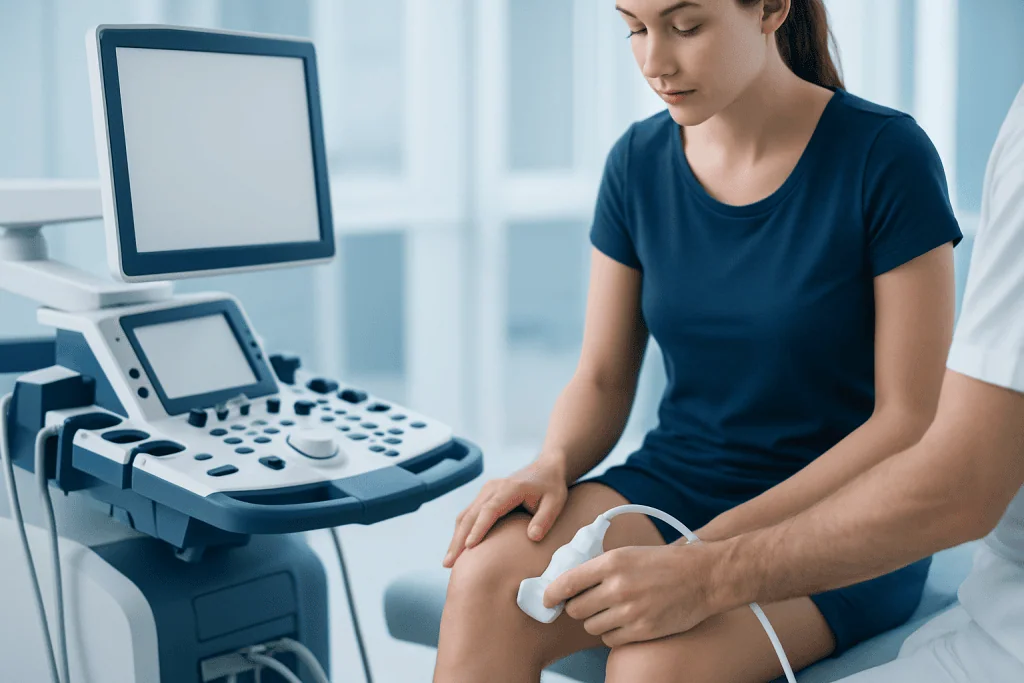
The main symptom is a dull, aching pain at the front of the knee or behind the kneecap. Some people feel it in one knee, while others notice it in both. The pain often builds gradually rather than starting suddenly after a single injury.
Symptoms commonly become more noticeable during activities that increase pressure between the kneecap and the thigh bone. Examples include climbing stairs, going downhill, running, jumping, squatting, lunging, or standing up after sitting for a while. Some people describe a “moviegoer’s sign,” meaning the knee aches after prolonged sitting with the knees bent.
Other symptoms may include mild swelling, a feeling of grinding or crackling, or a sense that the knee is not moving smoothly. However, locking, major swelling, marked instability, or the knee giving way after a specific injury may suggest another problem and should be assessed by a doctor.
- Pain around or behind the kneecap
- Discomfort during stairs, squats, running, or jumping
- Pain after long periods of sitting
- Occasional clicking or grinding sensations
- Tenderness around the front of the knee
Causes and Risk Factors
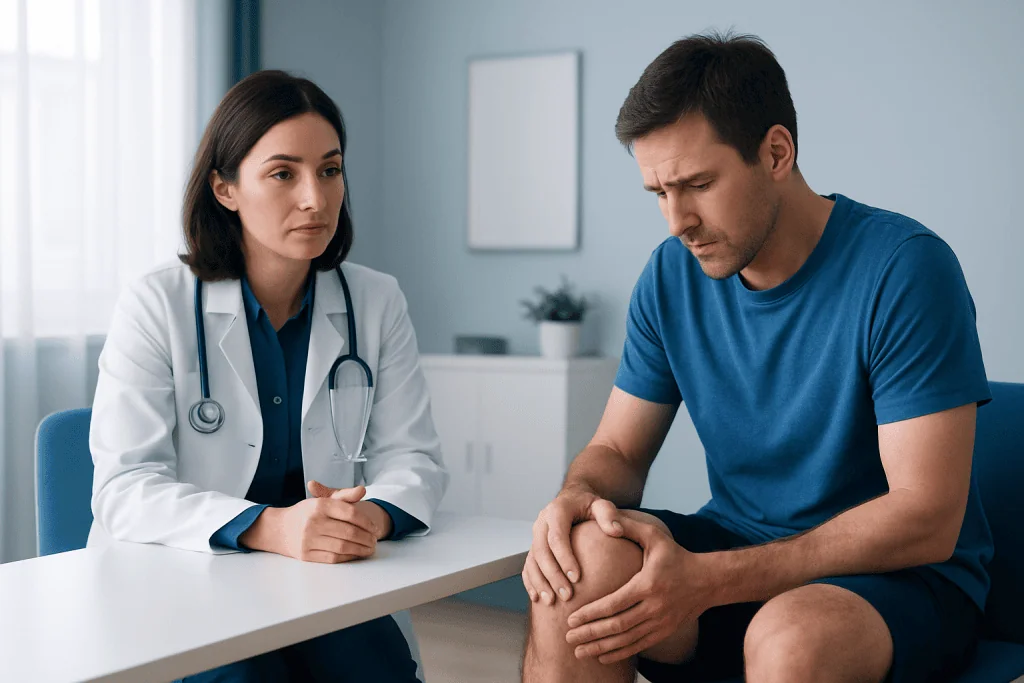
Patellofemoral pain syndrome usually develops when the front of the knee is exposed to more load than it can comfortably tolerate. This can happen after a sudden increase in training, a change in exercise surface, repeated stair climbing, or a return to sports after time away. Rather than one single cause, it often results from a combination of factors.
Muscle weakness or poor control in the hips and thighs can change how the leg moves during walking, running, landing, or squatting. Tight muscles, reduced flexibility, foot mechanics, and alignment differences may also affect how force travels through the knee. These factors can influence how the kneecap tracks within the femoral groove and may irritate surrounding tissues.
Risk factors may include high-impact sports, repetitive knee bending, recent increases in activity, previous knee pain, and inadequate recovery between workouts. Adolescents and young adults are commonly affected, especially those involved in running and jumping sports. People with other knee conditions, such as a meniscus tear or knee osteoarthritis, may also have front knee pain, which is why proper evaluation is important when symptoms are unclear or persistent.
Diagnosis
Diagnosis usually begins with a medical history and physical examination. A doctor will ask when the pain started, which activities trigger it, whether there was a recent increase in exercise, and whether symptoms include swelling, catching, locking, or instability. The pattern of pain often provides strong clues.
During the examination, the doctor may assess the kneecap, knee alignment, muscle strength, flexibility, walking pattern, and how the leg moves during tasks such as squatting or stepping down. They may also check the hips and feet, since problems in these areas can contribute to stress on the front of the knee.
Imaging tests are not always needed. X-rays, ultrasound, or MRI may be considered if symptoms do not improve, if there was trauma, or if another condition is suspected. This helps rule out injuries such as cartilage damage, tendon problems, or structural issues. When a broader evaluation of the joint is needed, a specialist may use knee MRI as part of the assessment.
Treatment Options
Treatment for patellofemoral pain syndrome usually starts with non-surgical measures. A short period of reducing or modifying painful activities can calm irritation, but complete rest is not always necessary. Many people do best by staying active in ways that do not worsen symptoms, such as cycling with guidance, swimming, or adjusted strengthening exercises.
Physical therapy is often a central part of care. A rehabilitation program may focus on strengthening the hip, thigh, and core muscles; improving flexibility; correcting movement patterns; and gradually returning the knee to higher loads. Taping, bracing, or foot orthotics may be helpful for some people, especially when used together with exercise rather than as a stand-alone solution. Structured physical therapy and rehabilitation can support recovery and help address the factors that led to the pain.
Doctors may also recommend simple pain-relief strategies, such as temporary ice after activity or short-term use of appropriate medicines when suitable for the individual. If symptoms continue despite a well-followed rehabilitation plan, further evaluation by an orthopedic specialist may be needed to look for other causes of pain. In selected cases where another structural knee problem is found, an orthopedic team may discuss options ranging from targeted injections to procedures such as knee arthroscopy, but surgery is not the usual treatment for uncomplicated patellofemoral pain syndrome.
Prevention and Self-care
Prevention focuses on how the knee is loaded over time. A gradual approach to new exercise routines is helpful, especially with running, hill training, jumping, or deep knee-bending activities. Increasing intensity too quickly is a common trigger, so many people benefit from building up step by step and scheduling recovery days.
Supportive self-care also includes warming up before exercise, maintaining flexibility, and strengthening the hips, thighs, and core. Shoes that fit well and suit the activity may reduce unnecessary stress on the legs. For runners, attention to training surfaces, technique, and mileage progression can be useful.
When pain starts, it is often wise to reduce the activities that aggravate symptoms rather than pushing through them. Choosing lower-impact exercise for a period, using ice after activity if helpful, and following a clinician-guided exercise plan can allow the knee to settle while strength improves. Good self-management is not about avoiding movement completely; it is about finding the right amount and type of movement for healing.
When to See a Doctor
Medical advice is important if front knee pain lasts more than a few weeks, keeps returning, or interferes with work, school, exercise, or daily activities. A doctor can confirm whether the symptoms fit patellofemoral pain syndrome or whether another knee condition should be considered. Early assessment may help prevent a short-term problem from becoming longer lasting.
Prompt evaluation is especially important if the pain began after a fall or twist, if there is significant swelling, if the knee locks, if the joint feels unstable, or if weight-bearing is difficult. These features may point to an injury that needs a different approach.
For people seeking specialist assessment, Acibadem International’s multidisciplinary teams in JCI-accredited hospitals diagnose and treat knee conditions for international patients. A tailored plan may involve orthopedic evaluation, imaging when needed, and rehabilitation designed around the person’s symptoms, activity level, and goals.
Frequently asked questions
Is patellofemoral pain syndrome the same as arthritis?
No. Patellofemoral pain syndrome usually refers to pain around the kneecap related to loading, movement, and soft-tissue irritation, often without major joint damage. Arthritis involves wear, inflammation, or degeneration within the joint and is more common with aging, though both can cause front knee pain.
Can patellofemoral pain syndrome go away on its own?
Mild cases may improve with activity changes and time, especially if the trigger was temporary overuse. However, symptoms often return if the underlying issues such as muscle weakness, training errors, or movement patterns are not addressed. A guided exercise plan can improve recovery and reduce recurrence.
Should a person stop exercising with front knee pain?
Not always. It is usually more helpful to modify painful activities than to stop all movement completely. Lower-impact exercise and a gradual rehabilitation plan often allow the knee to recover while maintaining general fitness.
How long does recovery usually take?
Recovery time varies depending on how long the pain has been present, the person’s activity demands, and whether contributing factors are corrected. Some people improve within weeks, while others need several months of steady rehabilitation. Consistency with exercises and load management often matters more than speed.
Do knee braces or taping help?
They can help some people, especially by improving comfort during activity. However, braces or taping usually work best as part of a broader treatment plan that includes strengthening, flexibility work, and gradual return to activity. They are generally supportive tools rather than a complete treatment on their own.
When is imaging needed for patellofemoral pain syndrome?
Imaging is not required for every person with typical symptoms. It may be recommended when there has been trauma, persistent swelling, locking, instability, or poor improvement with initial treatment, or when another knee problem is suspected. A doctor decides this based on the history and examination.
References
- American Academy of Orthopaedic Surgeons
- National Institute of Arthritis and Musculoskeletal and Skin Diseases
- American Physical Therapy Association
- Mayo Clinic
- National Health Service
This article is for general information only and is not a substitute for professional medical advice. Please consult a qualified doctor about your individual situation.
Joint and spine care in Turkey — expert assessment & treatment
JCI-accredited · board-certified surgeons · reply within 24h
Add us as a Preferred Source to see more of our trusted health content across Google Search, AI Overviews and Discover.

More from the Health Library


Related Specialists

Fzt. Munise Nilay Güven
Physical Medicine & Rehabilitation
Dr. Mustafa Tolga Ünsür
Pediatrics
Prof. Dr. A. Taner Usta
Gynecology & Obstetrics
Dr. Vusal Mahmudov
Cardiovascular Surgery