PCOS Explained: Causes, Management, and When to See a Doctor

PCOS is a hormonal condition diagnosed using a combination of symptoms, examination, and tests. Common signs include irregular periods, acne, excess facial or body hair, and difficulty becoming pregnant.
Key Takeaways
- PCOS is a hormonal condition diagnosed using a combination of symptoms, examination, and tests.
- Common signs include irregular periods, acne, excess facial or body hair, and difficulty becoming pregnant.
- PCOS can also affect insulin response and may raise the risk of type 2 diabetes, high cholesterol, and sleep apnea.
- Treatment depends on personal goals, such as symptom relief, cycle regulation, or pregnancy planning.
- Lifestyle changes, medical treatment, and regular follow-up can improve both symptoms and long-term health.
PCOS is a common hormonal condition that can affect menstrual cycles, ovulation, fertility, skin, hair growth, weight, and long-term metabolic health. With the right diagnosis and a personalized care plan, many people with PCOS can manage symptoms effectively and protect their future health.
Overview: what PCOS is and why it matters
PCOS, short for polycystic ovary syndrome, is a common hormonal condition that affects how the ovaries work. It can cause irregular ovulation, higher-than-usual levels of androgens, and changes seen on ultrasound in some patients. PCOS does not look the same in everyone, which is one reason it may be overlooked or diagnosed later than expected.
The condition can influence more than the menstrual cycle. Depending on the person, pcos may affect fertility, skin, scalp hair, body hair growth, weight, sleep, mood, and blood sugar control. Some people have noticeable symptoms from adolescence, while others only seek medical advice when trying to conceive or when routine tests suggest insulin resistance or other metabolic changes.
Importantly, PCOS is manageable. A diagnosis can help explain symptoms and guide treatment choices that fit a person’s goals, whether that means more regular periods, better control of acne or unwanted hair growth, support with weight management, or help with ovulation and pregnancy planning.
Common symptoms of PCOS
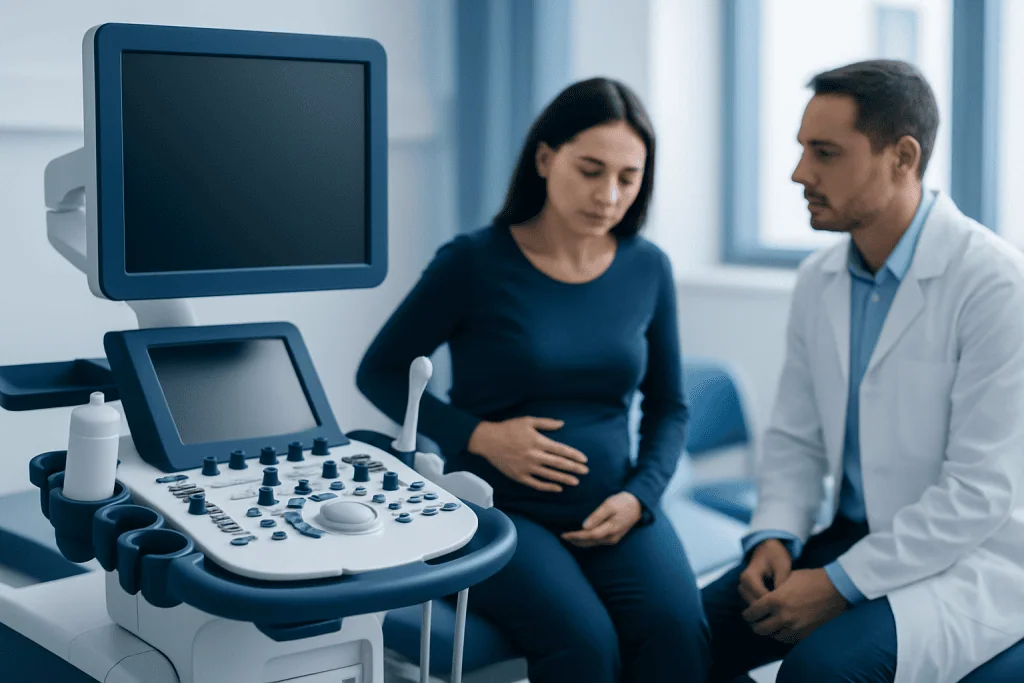
PCOS symptoms vary widely, and not everyone has all of them. Many patients first notice changes in their menstrual cycle, such as infrequent periods, very long cycles, unpredictable bleeding, or periods that stop for months at a time. These changes often reflect irregular or absent ovulation.
Other common symptoms are related to androgen excess. These may include acne, oily skin, increased facial or body hair, and thinning hair on the scalp. Some people also experience weight gain or find it harder to lose weight, especially when insulin resistance is present. Darkened skin folds, often around the neck, underarms, or groin, may also suggest insulin-related changes.
PCOS can sometimes be linked with emotional stress, body image concerns, sleep disturbance, and lower quality of life. Symptoms may overlap with other conditions, so they should not be self-diagnosed. Similar concerns can also appear in ovarian cyst conditions or other hormone disorders, which is why medical evaluation matters.
- Irregular, infrequent, or absent periods
- Difficulty becoming pregnant due to irregular ovulation
- Acne or oily skin
- Excess facial or body hair growth
- Scalp hair thinning
- Weight gain or difficulty managing weight
- Signs of insulin resistance, such as darkened skin folds
What causes PCOS and who is at risk?
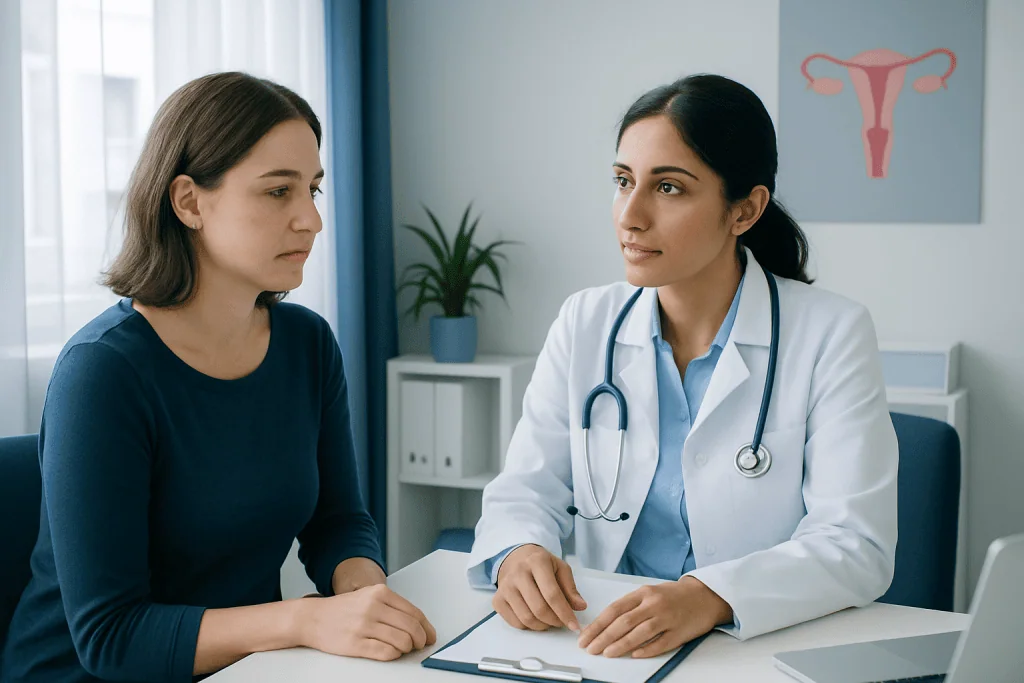
The exact cause of PCOS is not fully understood, but it is thought to develop through a combination of genetic and environmental factors. It often runs in families, suggesting an inherited tendency. Hormone patterns involved in ovulation and androgen production may also contribute to how the condition develops and how strongly symptoms appear.
Insulin resistance plays an important role for many people with PCOS. When the body does not respond normally to insulin, it may produce more of it. Higher insulin levels can stimulate the ovaries to make more androgens, which may worsen irregular ovulation, acne, and excess hair growth. This is one reason PCOS is often discussed alongside metabolic health rather than only reproductive health.
PCOS can affect people of different body sizes and backgrounds. Although excess weight can make symptoms more noticeable in some patients, people with lower body weight can also have PCOS. Risk may be higher in those with a family history of PCOS, type 2 diabetes, or features of metabolic syndrome. Doctors may also consider related endocrine conditions during assessment, including problems involving the thyroid or adrenal glands when symptoms are atypical.
How PCOS is diagnosed
There is no single test that confirms PCOS in every case. Diagnosis is usually based on a careful medical history, menstrual pattern, symptoms of androgen excess, physical examination, blood tests, and sometimes pelvic ultrasound. A doctor will also rule out other conditions that can cause similar symptoms, such as thyroid disorders, high prolactin levels, or nonclassical congenital adrenal hyperplasia.
Many specialists use established diagnostic criteria that consider a combination of features, such as irregular ovulation, clinical or biochemical signs of excess androgens, and polycystic-appearing ovaries on ultrasound. Importantly, the name can be confusing: not everyone with PCOS has ovarian cysts, and not everyone with ovarian cysts has PCOS.
Testing may include hormone blood tests, glucose or insulin-related evaluation, and a lipid profile to assess cholesterol. Depending on age and symptoms, imaging and additional gynecologic evaluation may be recommended. In some settings, a doctor may suggest check-up and screening to look at overall metabolic and reproductive health, especially if symptoms have been present for some time.
Treatment options and long-term management
PCOS treatment is personalized. The best plan depends on the patient’s age, symptoms, and goals, especially whether pregnancy is desired now, later, or not at all. Treatment often combines lifestyle measures, medical therapy, and regular follow-up to monitor symptoms and reduce long-term health risks.
For people who are not trying to conceive, treatment may focus on cycle regulation and reducing androgen-related symptoms such as acne or excess hair growth. Doctors may recommend hormonal treatment in appropriate patients to help protect the lining of the uterus and make periods more predictable. For those with insulin resistance or prediabetes, treatment may also address blood sugar and metabolic health.
When fertility is the main concern, care often centers on supporting ovulation and timing conception appropriately. Some patients may benefit from specialist assessment through fertility and IVF care if ovulation problems continue or if other fertility factors are present. In selected situations, doctors may also recommend support from endocrinology or weight-management and obesity treatment teams as part of broader, multidisciplinary care.
- Cycle regulation and endometrial protection
- Treatment for acne, excess hair growth, or scalp hair thinning
- Support for insulin resistance and metabolic health
- Ovulation-focused fertility treatment when pregnancy is desired
- Long-term follow-up for diabetes, cholesterol, blood pressure, and sleep concerns
Lifestyle, prevention, and self-care
PCOS cannot always be prevented, but healthy lifestyle habits can improve symptoms and lower the risk of complications. Even modest, sustainable changes in eating patterns, physical activity, sleep, and stress management can help many patients, especially when insulin resistance is part of the picture. The goal is not quick weight loss or strict dieting, but steady habits that support hormone and metabolic health.
A balanced eating pattern that emphasizes fiber-rich foods, lean proteins, healthy fats, and minimally processed carbohydrates may help some people with energy levels and glucose control. Regular exercise can improve insulin sensitivity and support cardiovascular health. Sleep matters as well, since poor sleep can worsen appetite regulation, fatigue, and metabolic imbalance.
Self-care also includes tracking menstrual cycles and symptoms, attending regular medical reviews, and discussing emotional wellbeing. Because PCOS may be linked with anxiety, depression, or body image concerns, mental health support can be an important part of treatment. Long-term prevention focuses on reducing complications rather than curing the condition outright.
When to seek medical care
It is sensible to see a doctor if periods are very irregular, absent for several months, unusually heavy, or accompanied by troubling symptoms such as worsening acne, rapid hair growth, or scalp hair loss. Medical advice is also important if pregnancy has not occurred after trying, or if symptoms suggest blood sugar problems, such as unusual thirst, fatigue, or recurrent infections.
Prompt evaluation is helpful when symptoms begin suddenly or seem severe, because another condition may be causing them. A doctor may also check for complications such as high blood pressure, high cholesterol, sleep apnea, or changes in the uterine lining when periods are very infrequent. Early assessment can make treatment more straightforward and help prevent problems over time.
For international patients who need coordinated evaluation, Acibadem International’s multidisciplinary specialists and JCI-accredited hospitals diagnose and treat PCOS with input from gynecology, endocrinology, nutrition, and fertility experts when needed. The most appropriate next step depends on the person’s symptoms, age, and reproductive plans.
Frequently asked questions
What is pcos in simple terms?
PCOS is a hormone-related condition that affects how the ovaries function. It can cause irregular ovulation, changes in periods, acne, excess hair growth, and sometimes fertility difficulties.
Can someone have PCOS without ovarian cysts?
Yes. The name can be misleading because not everyone with PCOS has cysts visible on ultrasound. Doctors diagnose PCOS using a combination of symptoms, hormone findings, and ovulation patterns, not ultrasound alone.
Does PCOS always cause infertility?
No. PCOS can make pregnancy more difficult for some people because ovulation may be irregular, but many people with PCOS can still conceive. Some become pregnant naturally, while others benefit from medical support to help with ovulation.
Is PCOS only related to weight?
No. Although weight changes and insulin resistance are common in some patients, PCOS can affect people in a wide range of body sizes. A person can have PCOS even if they are not overweight.
Can PCOS be cured?
PCOS is usually considered a long-term condition rather than something that is permanently cured. However, symptoms and health risks can often be managed very effectively with lifestyle changes, medical treatment, and regular follow-up.
What tests are usually done for PCOS?
Doctors often review menstrual history and symptoms, perform an examination, and request blood tests to check hormone levels and metabolic health. Pelvic ultrasound may also be used in some patients, especially when the diagnosis is unclear.
References
- World Health Organization
- Centers for Disease Control and Prevention
- National Institute of Child Health and Human Development
- American College of Obstetricians and Gynecologists
- Endocrine Society
This article is for general information only and is not a substitute for professional medical advice. Please consult a qualified doctor about your individual situation.
Hair transplant in Turkey — costs, graft counts & a free assessment
JCI-accredited · board-certified surgeons · reply within 24h
Add us as a Preferred Source to see more of our trusted health content across Google Search, AI Overviews and Discover.
Check your numbers in seconds
BMI, calories, due date, blood pressure and 30+ more clinical calculators — free, instant, doctor-reviewed ranges.

More from the Health Library



Related Specialists
Dr. Burak Sercan Erçin
Aesthetic Plastic & Reconstructive Surgery
Prof. Dr. Hasan M. Tanyeri
Ear Nose & Throat
Dr. Murat Dutipek
Otorhinolaryngology
Dt. Nisa Ildiz Çelebioğlu
Oral & Dental Health