Pediatric Care in Turkey: What International Families Should Know

Pediatric care in Turkey includes general pediatrics, subspecialty services, diagnostics, surgery, and rehabilitation. International families benefit from preparing medical records, travel documents, medication lists, and questions in advance.
Key Takeaways
- Pediatric care in Turkey includes general pediatrics, subspecialty services, diagnostics, surgery, and rehabilitation.
- International families benefit from preparing medical records, travel documents, medication lists, and questions in advance.
- A child-centered hospital approach should include communication, pain management, family involvement, and follow-up planning.
- Choosing an experienced pediatric team is important, especially for complex or chronic conditions.
- Travel timing, infection prevention, nutrition, and emotional support all matter when a child receives care abroad.
Pediatric care in Turkey can offer international families access to a wide range of child-focused specialties, modern diagnostics, and coordinated hospital services. Understanding how care is organized, what to prepare, and how to support a child before and after treatment can make the experience smoother and more reassuring.
Overview of Pediatric Care in Turkey
Pediatric care in Turkey covers healthcare services for infants, children, and adolescents. This includes routine pediatric assessment, urgent care, advanced imaging, laboratory testing, pediatric surgery, neonatal services, and many pediatric subspecialties such as cardiology, neurology, gastroenterology, endocrinology, orthopedics, and oncology. For international families, the appeal is often the ability to access multiple services within one hospital system, with coordinated appointments and family support.
Children are not simply small adults, so pediatric care is designed around age-specific needs. Hospitals that provide dedicated pediatric services may offer child-friendly examination areas, pediatric nurses, specialists trained in childhood conditions, and equipment sized for younger patients. This can be especially important when a child needs anesthesia, surgery, imaging, or treatment for a complex condition.
For families traveling from abroad, pediatric care in Turkey is usually sought for three main reasons: evaluation of symptoms, a second opinion, or treatment that may involve a procedure, surgery, or longer-term care plan. In many cases, families also look for hospitals that can help organize the process from arrival to discharge, including interpretation and follow-up coordination.
What Services International Families May Need
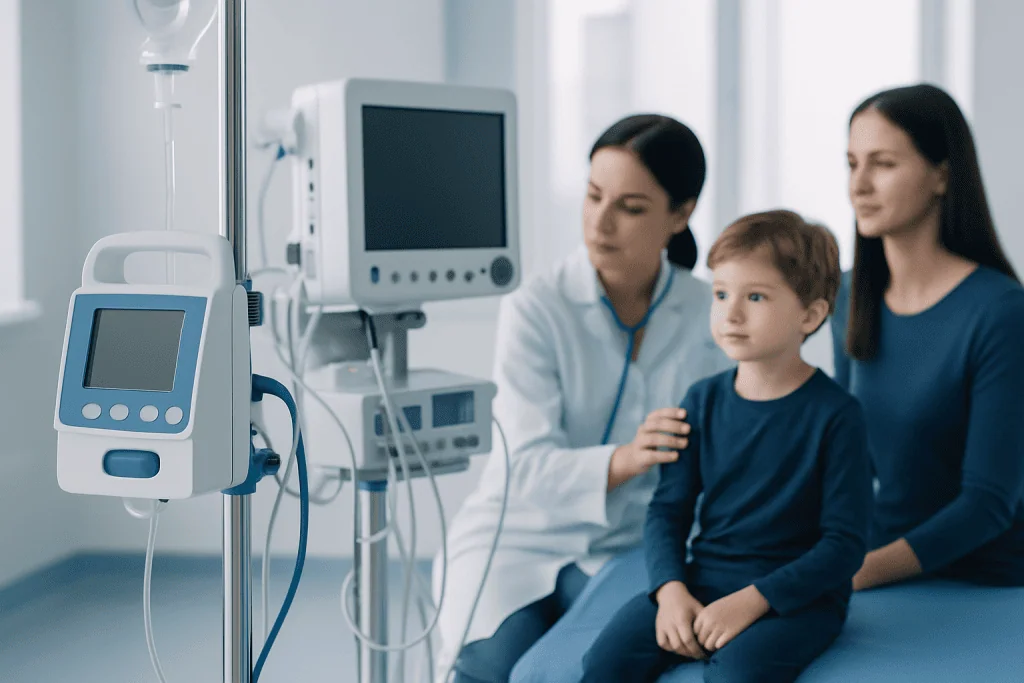
The type of care a child needs depends on the reason for travel. Some families need a pediatric consultation for ongoing symptoms such as poor growth, digestive complaints, recurrent infections, or developmental concerns. Others travel for more specialized care, including heart evaluations, orthopedic procedures, neurological testing, or treatment planning for chronic diseases. In some cases, children may need support from more than one specialist at the same time.
Common hospital-based pediatric services can include:
- General pediatrics and newborn care
- Pediatric emergency assessment
- Laboratory tests and imaging
- Subspecialty evaluations
- Medical treatment and observation
- Pediatric surgery and anesthesia
- Rehabilitation, nutrition, and developmental support
Families whose children have complex conditions may benefit from multidisciplinary assessment. This means several specialists review the child’s medical history, examination findings, and test results together before making recommendations. Depending on the child’s needs, care may involve areas such as pediatric cardiology, pediatric neurology, or pediatric orthopedic care. A coordinated approach can help reduce delays and make decision-making clearer for parents.
Some international families also travel for planned surgery or advanced diagnostics that are not easily available in their home region. In these situations, understanding the likely timeline, hospital stay, recovery expectations, and follow-up plan is just as important as understanding the diagnosis itself.
How to Choose a Pediatric Hospital or Specialist
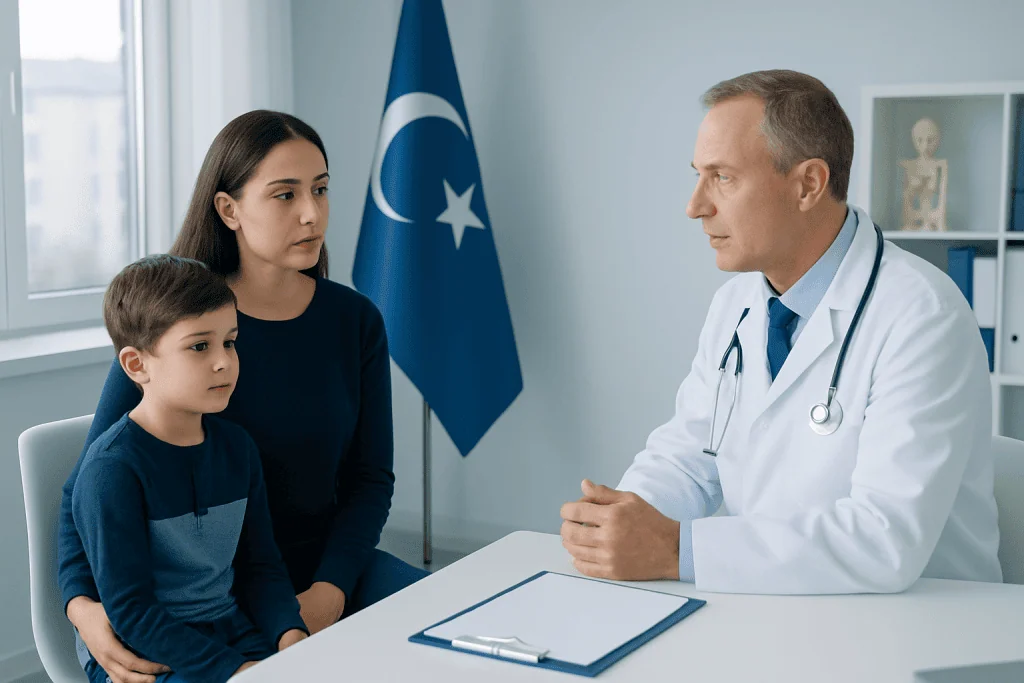
Choosing the right team is one of the most important steps. Families should look for hospitals with dedicated pediatric units, pediatric intensive care access when relevant, child-appropriate anesthesia services, and experience treating the specific condition involved. It is also helpful to confirm whether the child will be seen by a pediatric subspecialist rather than a general adult specialist.
Questions to ask before travel may include whether the hospital has interpreters, how quickly appointments can be arranged, what records are needed in advance, and whether an estimated care plan can be reviewed before arrival. If a child may need surgery, families should ask who will provide anesthesia, how pain will be managed, and what support is available if the child has special medical or developmental needs.
For families seeking a second opinion, it can be useful to send imaging, pathology reports, growth charts, vaccination history, and a summary of previous treatments beforehand. This allows the team to advise whether repeat testing is likely to be needed. If the child has an established diagnosis such as congenital heart disease or epilepsy, bringing complete records can make the assessment more accurate and efficient.
Good pediatric care also involves communication style. Families often feel more confident when doctors explain findings in plain language, involve parents in decisions, and speak with children in an age-appropriate way. Clear communication can ease anxiety and help parents understand both benefits and limitations of treatment.
Preparing for Medical Travel With a Child
Preparation can make pediatric care in Turkey much smoother. Before travel, families should collect the child’s passport, visa information if needed, insurance documents, consent paperwork, medication list, allergy information, vaccination record, previous test results, imaging discs, and referral letters. If documents are not in English or Turkish, translated summaries may be helpful.
Parents should also prepare for the practical side of travel. This includes checking whether the child is medically fit to fly, planning enough time before and after appointments, and bringing familiar items such as favorite toys, snacks, comfort blankets, and age-appropriate entertainment. Children often cope better when routines are maintained as much as possible.
If the child has special medical needs, families should ask in advance about feeding support, mobility assistance, medical equipment, and accommodation arrangements for parents. Children with complex respiratory, cardiac, neurological, or metabolic conditions may need additional precautions during travel. A treating doctor at home can advise whether the journey is safe and whether any medications or emergency plans should be adjusted.
It is also wise to prepare the child emotionally. Honest, simple explanations are usually more helpful than surprising a child at the last moment. Parents can explain where they are going, who they will meet, and what might happen during tests or treatment. Reassurance, routine, and familiar caregivers often reduce stress for both the child and the family.
Diagnosis, Treatment, and Hospital Experience
Once the family arrives, the child’s care usually begins with a detailed medical history and physical examination. Depending on the concern, the team may recommend blood tests, ultrasound, X-ray, MRI, CT, genetic testing, endoscopy, cardiac testing, or developmental assessment. Not every child needs extensive testing, and decisions are usually based on symptoms, age, prior results, and the doctor’s clinical findings.
Treatment varies widely. Some children only need reassurance, medication adjustments, or a follow-up plan. Others may need day procedures, surgery, rehabilitation, or ongoing specialist monitoring. When possible, pediatric teams try to balance effective treatment with minimizing discomfort, stress, and time away from normal childhood activities such as school and play.
A child-friendly hospital experience often includes pain control, emotional support, parental presence, and careful discharge planning. Families should ask how the team handles sedation, fasting, infection prevention, and recovery monitoring. If surgery is recommended, it may be useful to discuss alternatives, expected benefits, possible risks, and what signs to watch for after discharge.
For children who need surgery or complex intervention, coordinated services such as pediatric surgery and pediatric intensive care access may be important. If the child’s concerns involve growth, puberty, blood sugar, or hormones, referral to pediatric endocrinology may also be part of the treatment pathway. The most suitable plan depends on the individual child’s age, diagnosis, and overall health.
Safety, Follow-Up, and Recovery After Returning Home
Follow-up planning is a key part of successful pediatric care abroad. Before leaving the hospital, parents should receive a clear discharge summary, medication instructions, wound care advice if relevant, dietary guidance, activity recommendations, and information on warning signs that need medical attention. Copies of imaging and test results are also worth requesting for the child’s doctor at home.
Children may recover quickly from some treatments, while others need longer observation and rehabilitation. Families should understand whether the child can travel immediately or should remain nearby for several days. This is especially relevant after surgery, anesthesia, or procedures involving the heart, lungs, or nervous system.
Communication between the overseas team and the child’s home doctor can support continuity of care. Parents may need to arrange local follow-up for dressing changes, blood tests, physiotherapy, developmental support, or medication monitoring. If the child has a chronic condition such as asthma, follow-up is often as important as the initial treatment.
International families should also know whom to contact if questions arise after returning home. In complex cases, written instructions and remote follow-up arrangements can help parents feel more confident. Acibadem International’s multidisciplinary specialists in JCI-accredited hospitals diagnose and treat pediatric conditions for international patients, with care plans that can be coordinated across specialties when needed.
When Families Should Seek Prompt Medical Advice
Parents should seek prompt medical advice if a child has symptoms that suggest an urgent problem, whether at home, while traveling, or after treatment abroad. These may include breathing difficulty, severe dehydration, persistent high fever, unusual sleepiness, seizures, severe pain, uncontrolled vomiting, bluish skin color, significant bleeding, or a sudden change in mental state. Young infants, especially newborns, often need faster assessment because symptoms can be less specific.
After a procedure or surgery, warning signs can include worsening pain, persistent fever, increasing redness or swelling at the treatment site, poor fluid intake, repeated vomiting, breathing concerns, or reduced urine output. Parents should not hesitate to contact the treating hospital or seek urgent local care if they are worried about their child’s recovery.
Even when symptoms are not an emergency, medical advice is worthwhile if a child’s growth, development, feeding, sleep, school participation, or energy level is persistently affected. Early evaluation can help identify whether the issue is minor and temporary or needs specialist review. Families usually feel more prepared when they know in advance how to access help both during the trip and after returning home.
Frequently asked questions
Is pediatric care in Turkey suitable for international families?
It can be suitable for many international families, especially when a child needs specialist assessment, diagnostics, or treatment in a coordinated hospital setting. The most important step is choosing a hospital with dedicated pediatric services and making sure the child’s records are reviewed in advance.
What records should parents bring for a child’s appointment abroad?
Parents should bring previous medical reports, imaging, laboratory results, vaccination records, medication lists, allergy information, and a summary of prior treatments. If possible, organized digital and printed copies can make the consultation more efficient.
How can parents prepare a child emotionally for treatment in another country?
Simple, honest explanations usually help children cope better than vague reassurance. Parents can explain who the child will meet, what tests may happen, and why the visit is meant to help them feel better or understand their health more clearly.
Will a child always need repeat tests after arriving in Turkey?
Not always. Some previous tests may be accepted, while others may need to be repeated if they are outdated, incomplete, or not suitable for planning treatment. The decision depends on the child’s symptoms, diagnosis, and the quality of the earlier records.
What should families ask before agreeing to pediatric surgery abroad?
They should ask about the reason for surgery, possible alternatives, expected benefits, risks, pain control, length of stay, recovery time, and follow-up needs after returning home. It is also helpful to ask who will provide anesthesia and how emergencies are managed if they occur.
How long should families plan to stay after a child’s treatment?
The answer depends on the type of treatment and the child’s overall condition. Some children can travel soon after evaluation, while others may need several days or longer nearby for monitoring, wound checks, or early follow-up.
References
- World Health Organization
- UNICEF
- American Academy of Pediatrics
- Centers for Disease Control and Prevention
- National Health Service
This article is for general information only and is not a substitute for professional medical advice. Please consult a qualified doctor about your individual situation.
Joint and spine care in Turkey — expert assessment & treatment
JCI-accredited · board-certified surgeons · reply within 24h
Add us as a Preferred Source to see more of our trusted health content across Google Search, AI Overviews and Discover.

Pediatrics
Complete healthcare for infants, children and adolescents across all sub-specialties.
232 specialists in this unitMore from the Health Library



Related Specialists

Asst. Prof. Dr. Ceyda Çaytemel
Dermatology
Tuğçe Doğan
Physical Medicine & Rehabilitation
Dr. Burak Tanyıldız
Ophthalmology
Prof. Dr. Seyit Ali Gümüştaş
Orthopedic Surgery & Traumatology