Pediatric Epilepsy Surgery Evaluation: When Seizures May Need More Than Medication

Children may need epilepsy surgery evaluation when seizures continue despite appropriate anti-seizure medicines. The evaluation is designed to locate where seizures start and to understand risks to speech, movement, memory, and vision.
Key Takeaways
- Children may need epilepsy surgery evaluation when seizures continue despite appropriate anti-seizure medicines.
- The evaluation is designed to locate where seizures start and to understand risks to speech, movement, memory, and vision.
- Testing often includes EEG, MRI, video monitoring, and sometimes advanced imaging or neuropsychological assessment.
- Not every child is a candidate for surgery, but evaluation can also identify other helpful treatments.
- Early specialist assessment may reduce the impact of ongoing seizures on safety, learning, and development.
Pediatric epilepsy surgery evaluation is a detailed process used to learn why a child’s seizures continue and whether surgery could be a safe treatment option. It does not mean surgery is always needed, but it can help families understand the best next step when medication alone is not working well.
Overview
Pediatric epilepsy surgery evaluation is a step-by-step assessment for children whose seizures are difficult to control. Its purpose is to find out whether seizures begin in one specific area of the brain, whether that area can be treated safely, and whether surgery or another advanced therapy might improve seizure control. For many families, the word “surgery” can sound overwhelming, but evaluation itself is mainly about gathering clear information and making careful decisions.
Most children with epilepsy improve with anti-seizure medicines. However, some continue to have seizures even after trying appropriate medications. In these situations, a specialized epilepsy team may recommend a surgical workup rather than continuing to switch medicines without a clear benefit. This does not automatically mean an operation will follow. It means the child deserves a closer look at the cause of the seizures and all available treatment options.
The process is usually led by a multidisciplinary team that may include pediatric neurologists, epileptologists, neurosurgeons, neuroradiologists, neuropsychologists, nurses, and rehabilitation specialists. Each member helps answer a different question: where seizures start, how they affect the child, what treatment is safest, and what outcomes are realistic. This team-based approach is especially important in children because the brain is still developing.
When Seizures May Need More Than Medication
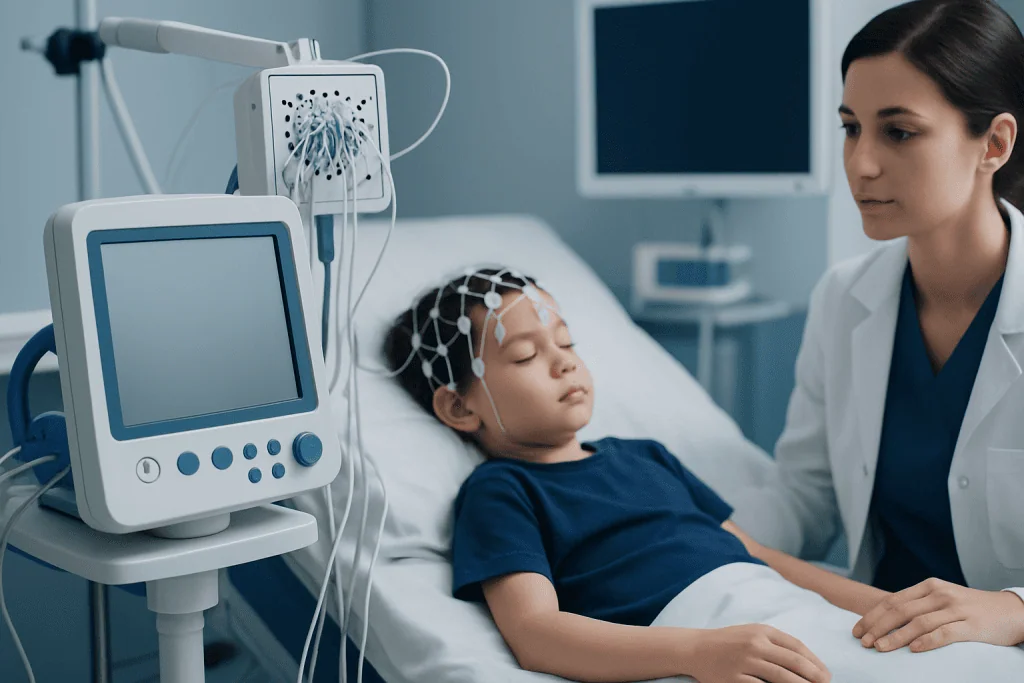
A child may be considered for pediatric epilepsy surgery evaluation when seizures continue despite treatment with two well-chosen anti-seizure medications used appropriately. This pattern is often called drug-resistant epilepsy. At that point, the chance that another medicine alone will fully stop seizures may be lower, so referral to a comprehensive epilepsy center becomes important.
Seizures may need more than medication if they happen often, cause falls or injuries, interrupt school and sleep, or affect attention, language, behavior, or development. Some children have shorter seizures but many times a day, while others have less frequent seizures that are still serious because they involve loss of awareness, convulsions, or prolonged recovery. Even when seizures appear mild, repeated events can interfere with learning and daily life.
Certain epilepsy syndromes, structural brain changes, or lesions seen on imaging may also make surgery worth discussing early. In some children, surgery may be considered not only to reduce seizures, but also to protect development by limiting ongoing abnormal brain activity. Evaluation can also point families toward alternatives such as advanced epilepsy treatment, dietary therapy, nerve stimulation, or targeted procedures if standard surgery is not the best fit.
Symptoms, Seizure Patterns, and Effects on Development
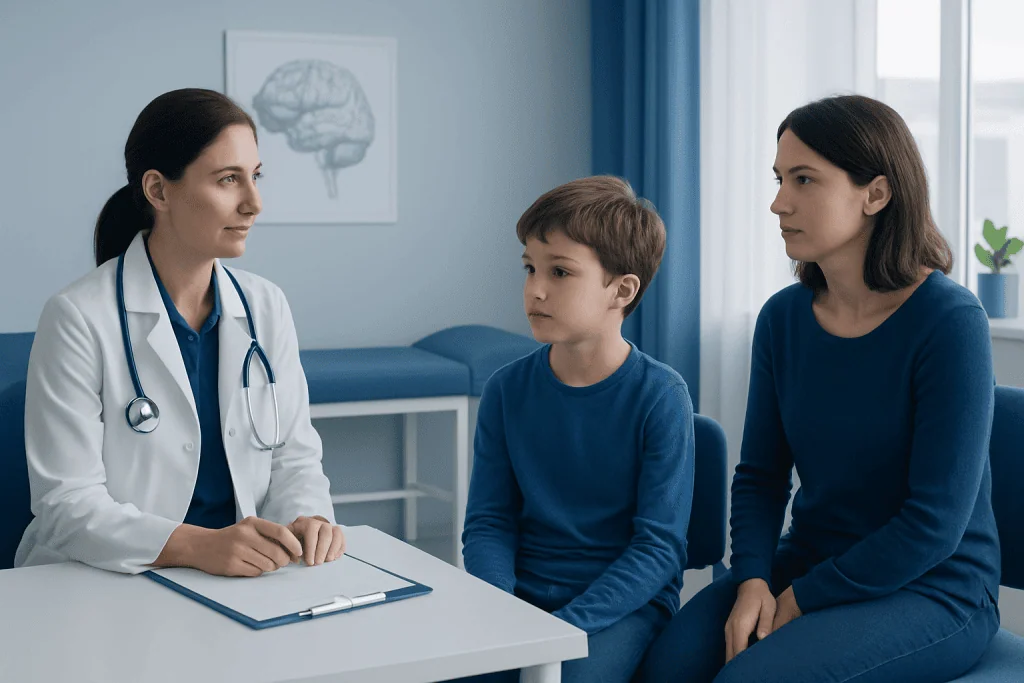
Children with epilepsy can have many different seizure types. Some stare blankly and stop responding for a few seconds. Others may have jerking movements, stiffening, sudden falls, unusual sensations, repetitive movements, or episodes of confusion. In infants and young children, seizures can be harder to recognize and may look like brief pauses, eye deviation, or sudden body spasms. Careful description of what happens before, during, and after a seizure is a key part of evaluation.
Doctors also look at how seizures affect the child between episodes. Ongoing seizures may be linked with tiredness, headaches, mood changes, memory problems, slower language development, or decline in school performance. In some cases, the underlying brain condition causing seizures contributes to these challenges as well. Understanding the whole picture helps the team weigh the potential benefits of treatment against the risks.
Families are often asked to keep a seizure diary and, when safe, record events on a phone. Details such as time of day, duration, triggers, fever, sleep loss, missed medicines, and recovery can all be useful. This information supports the medical team in distinguishing epileptic seizures from other events and in deciding which tests are most helpful during the epilepsy evaluation.
Causes and Risk Factors Doctors Look For
Epilepsy in children has many possible causes. Some children have a structural reason, such as a scar, cortical malformation, tumor, or changes caused by stroke, bleeding, or infection. Others may have genetic causes, metabolic disorders, immune-related conditions, or injuries around birth. Sometimes no clear cause is found at first, and further testing is needed to understand the pattern better.
For surgery evaluation, one of the most important questions is whether seizures arise from a single, identifiable area of the brain. Children with a focal brain lesion on MRI may be stronger candidates for surgery than children whose seizures begin from many areas or from both sides of the brain. Still, every case is individualized, because even children without an obvious MRI finding can sometimes benefit from specialized evaluation.
Doctors also review factors that can change treatment decisions, including age, developmental stage, handedness, vision, movement, speech skills, and other medical conditions. A family history of epilepsy or genetic syndromes may be relevant. If a child has episodes that are hard to classify, the team may also consider conditions that can resemble seizures, such as fainting, sleep disorders, movement disorders, or migraine-related events, alongside related neurological conditions like brain tumors when imaging suggests a structural cause.
How Pediatric Epilepsy Surgery Evaluation Is Done
The evaluation usually begins with a detailed medical history, physical and neurological examination, and review of previous treatments. Doctors want to know when seizures started, which medicines have been tried, whether any reduced seizures, and whether side effects have been a problem. They also review pregnancy and birth history, developmental milestones, school progress, and any previous brain infections, injuries, or imaging findings.
Common tests include electroencephalography (EEG) and prolonged video-EEG monitoring, which record brain activity while capturing actual events. Brain MRI is another key test because it can reveal lesions or structural changes linked to seizures. Depending on the child’s case, the team may also use PET, SPECT, MEG, functional MRI, or language and memory mapping to understand important brain functions and reduce treatment risks.
Neuropsychological testing is often included to assess memory, attention, language, learning, behavior, and emotional health. These results help show how epilepsy affects the child and can guide planning for school and rehabilitation. In some situations, invasive monitoring with implanted electrodes is recommended if noninvasive tests do not clearly show where seizures begin. Procedures such as EEG monitoring, MRI scanning, and selected advanced studies are combined to answer one main question: can treatment target the seizure source safely and meaningfully?
- Seizure history and medication review
- Routine EEG and video-EEG monitoring
- High-resolution brain MRI
- Neuropsychological assessment
- Advanced functional or metabolic imaging when needed
- Team conference to review results and recommend next steps
Treatment Options After the Evaluation
After testing is complete, the epilepsy team reviews all results together. If seizures start in one area that can be treated safely, surgery may be recommended. The exact procedure depends on the cause and location. In some children, surgery removes a lesion or the brain tissue where seizures begin. In others, a disconnective procedure may limit spread of seizure activity. The goal is usually to stop seizures or reduce them enough to improve safety, development, and quality of life.
Not all children are candidates for epilepsy surgery, and that is an important outcome of evaluation as well. If surgery carries too much risk or the seizure source cannot be defined clearly, doctors may recommend other options. These can include trying another medication strategy, dietary therapy such as the ketogenic diet, vagus nerve stimulation, responsive neurostimulation in selected cases, or supportive therapies for learning and behavior.
Families are encouraged to ask about expected benefits, possible side effects, recovery time, and the impact on school and daily routines. Follow-up remains essential whether or not surgery is performed. Some children still need medication after surgery, while others can gradually reduce treatment under specialist guidance. Near the end of this process, some families also seek care at centers experienced in pediatric neurology and neurosurgery; Acibadem International’s multidisciplinary specialists in JCI-accredited hospitals diagnose and treat epilepsy for international patients.
Prevention, Daily Safety, and Family Self-care
Epilepsy cannot always be prevented, but careful daily management can help reduce seizure triggers and protect a child’s well-being. Families are usually advised to give medicines exactly as prescribed, keep regular sleep routines, and avoid missed doses. Fever, illness, stress, flashing lights in some children, and sleep deprivation may make seizures more likely, so identifying each child’s pattern is helpful.
Safety planning is also important while evaluation and treatment are ongoing. Children may need supervision around water, heights, traffic, and certain sports. Teachers, caregivers, and relatives should know basic seizure first aid, what the child’s seizures look like, and when emergency help is needed. A written school plan can make daily life more predictable and reassuring.
Family self-care matters too. Living with repeated seizures can be exhausting and emotionally heavy for both the child and caregivers. Support groups, counseling, educational services, and developmental therapies may all help. Parents should feel comfortable asking the medical team practical questions about sleep, travel, screen time, physical activity, and what changes to expect as treatment progresses.
When to See a Doctor Urgently
A child should be reviewed by a doctor promptly if seizures are increasing, changing in pattern, or causing injury, breathing difficulty, or prolonged confusion afterward. Families should also seek medical advice if medicines seem ineffective, side effects become difficult to manage, or seizures interfere with school, development, sleep, or behavior. Early reassessment can prevent delays in specialized care.
Emergency care is important if a seizure lasts longer than the child’s usual pattern, if repeated seizures happen without recovery in between, if the child is injured, or if breathing or color changes occur. Parents should follow the child’s emergency seizure plan if one has been provided and call local emergency services when needed. Any first seizure also needs urgent medical assessment.
If a child has tried two appropriate anti-seizure medicines without good control, it is reasonable to ask for referral to a pediatric epilepsy center. Earlier evaluation can create more treatment opportunities and may help reduce the long-term effects of ongoing seizures on learning and development. A qualified pediatric neurologist can guide the family through the next steps in a calm, structured way.
Frequently asked questions
Does pediatric epilepsy surgery evaluation mean a child definitely needs surgery?
No. The evaluation is used to understand the seizures better and decide whether surgery is appropriate, safe, and likely to help. In some children, the results lead to surgery, while in others they guide different treatments.
When should a child be referred for epilepsy surgery evaluation?
Referral is often considered when seizures continue after two appropriate anti-seizure medicines have been tried without good control. It may also be considered earlier if scans show a brain lesion or if seizures are significantly affecting development and safety.
What tests are usually included in the evaluation?
Common tests include EEG, video-EEG monitoring, and brain MRI. Depending on the child’s case, doctors may also recommend neuropsychological testing and advanced imaging or functional studies to map important brain areas.
Is epilepsy surgery safe for children?
Every brain procedure carries risks, so safety is assessed very carefully for each child. The purpose of the evaluation is to balance possible benefits, such as better seizure control, against risks to speech, movement, memory, vision, and overall recovery.
Can a child still need medication after epilepsy surgery?
Yes. Some children continue anti-seizure medication for a period after surgery, and some may need longer-term treatment. Decisions about reducing medicine are made gradually by the treating specialist based on seizure control and follow-up findings.
What if a child is not a candidate for epilepsy surgery?
That outcome can still be very useful because the evaluation may identify other good treatment options. These may include medication adjustments, dietary therapy, implanted devices, rehabilitation, educational support, and ongoing specialist monitoring.
References
- World Health Organization
- International League Against Epilepsy
- American Epilepsy Society
- National Institute of Neurological Disorders and Stroke
- American Academy of Neurology
This article is for general information only and is not a substitute for professional medical advice. Please consult a qualified doctor about your individual situation.
Pediatric Epilepsy in Turkey — costs, top hospitals & a free quote
JCI-accredited · board-certified surgeons · reply within 24h
Add us as a Preferred Source to see more of our trusted health content across Google Search, AI Overviews and Discover.

Neurology
Diagnosis and treatment of disorders of the brain, spinal cord, nerves and muscles.
51 specialists in this unit