Pediatric Hospital Cafeteria Safety: How Food Choices Protect Children’s Health
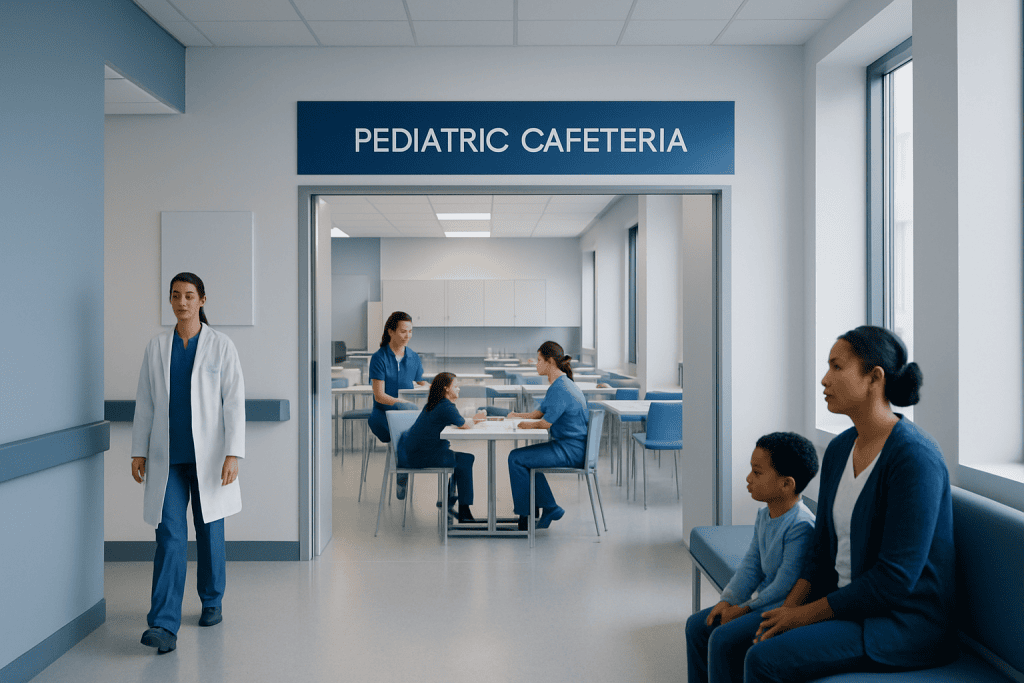
Children in hospitals may be more vulnerable to foodborne illness because of age, illness, or weakened immunity. Good cafeteria safety includes proper hand hygiene, temperature control, clean preparation areas, and clear food labeling.
Key Takeaways
- Children in hospitals may be more vulnerable to foodborne illness because of age, illness, or weakened immunity.
- Good cafeteria safety includes proper hand hygiene, temperature control, clean preparation areas, and clear food labeling.
- Parents and caregivers should check for allergens, choose freshly prepared foods, and avoid high-risk items when advised by the care team.
- Balanced meals and snacks can support healing, energy, hydration, and comfort during a hospital stay.
- A child's doctor or dietitian can help guide food choices when there are special medical, allergy, or immune-related needs.
Pediatric hospital cafeteria safety is an important part of protecting children during hospital visits or stays. Safe food handling, allergy-aware meal choices, and balanced nutrition can help reduce infection risks and support recovery.
Overview
Pediatric hospital cafeteria safety refers to the steps that help make meals and snacks safer for children in a hospital setting. This includes hygienic food preparation, safe storage temperatures, handwashing, allergy precautions, and making nutrition choices that fit a child’s age and medical needs. While cafeterias serve patients, parents, and visitors, extra care is especially important when food is chosen for a child who may be ill or recovering.
Children are not simply small adults when it comes to food safety. Their immune systems are still developing, and some children in hospital may be more vulnerable because of surgery, treatment, digestive problems, or chronic illness. For these children, even a mild foodborne illness can lead to dehydration, discomfort, or delays in recovery. That is why safe food practices matter alongside medical treatment.
Hospital cafeterias usually follow strict hygiene and food service standards. Even so, parents and caregivers still play an important role by choosing appropriate foods, checking labels, and asking questions when needed. A thoughtful approach can help reduce unnecessary risks while also making sure the child gets enough fluids, calories, and nutrients.
Why Food Safety Matters for Children in Hospital
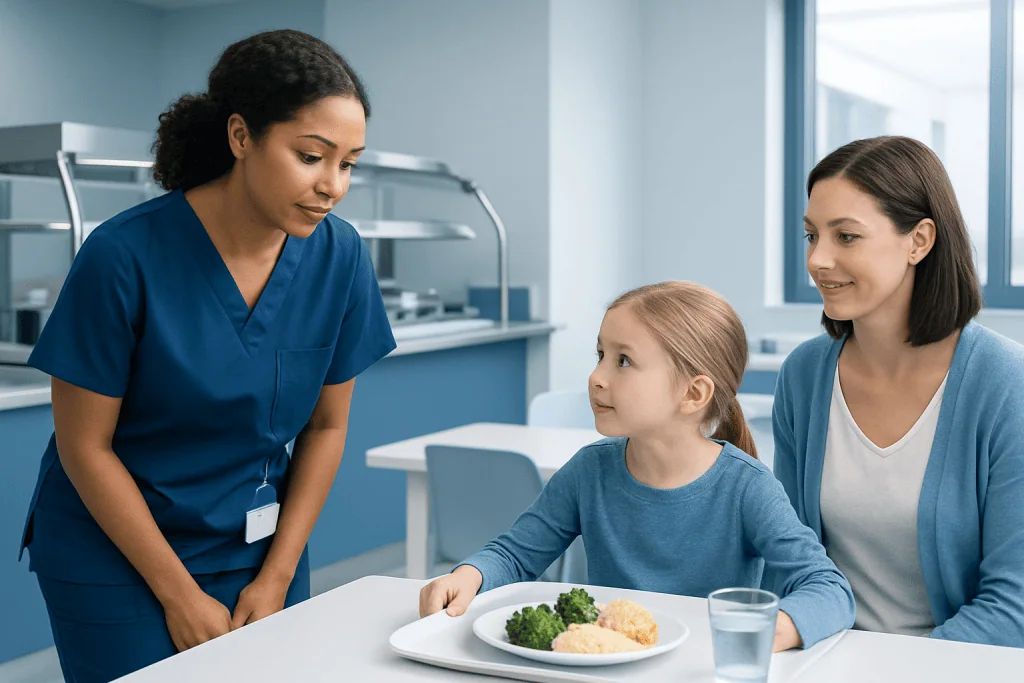
Food safety matters in any setting, but it becomes particularly important in hospital environments. A child in hospital may have less appetite, be taking medicines that affect digestion, or have a condition that lowers resistance to infection. Safe meals can help avoid additional illness at a time when the body is already under stress.
Some groups of children need special attention. Infants, toddlers, children receiving cancer treatment, transplant patients, and those with chronic diseases may be advised to avoid certain foods. Depending on the child’s condition, the care team may recommend avoiding raw or undercooked foods, unpasteurized dairy products, buffet-style foods that sit out for long periods, or foods with uncertain allergen exposure.
Safety is also connected to nutrition. A child who feels well enough to eat and drink is more likely to maintain strength, hydration, and energy. Choosing foods that are both safe and easy to tolerate can support healing and daily comfort during tests, procedures, or longer admissions.
Common Cafeteria Risks to Be Aware Of
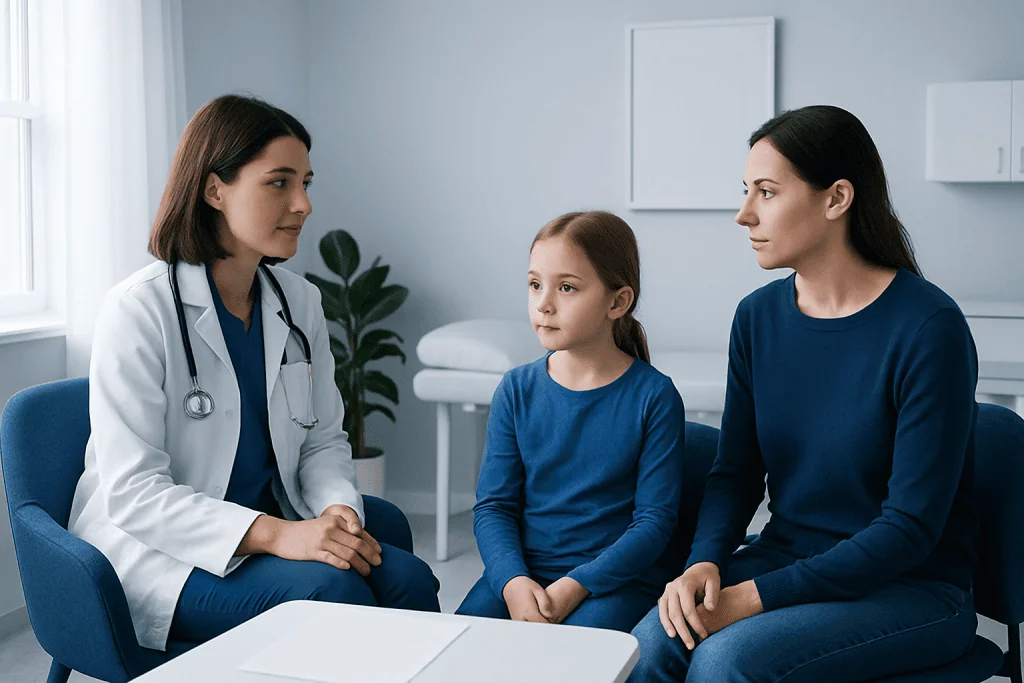
Most hospital cafeterias are carefully managed, but some common food safety concerns can still apply. These include food held at unsafe temperatures, cross-contamination between raw and cooked foods, unclean hands or utensils, and unclear ingredient labeling. For children with allergies or medical restrictions, hidden ingredients can be an especially important concern.
Another issue is food brought from outside the hospital or saved for later without proper refrigeration. A meal that seems harmless can become unsafe if it sits at room temperature too long. Leftovers, dairy products, cooked rice, eggs, meat, and cut fruit may spoil more quickly than people realize. Parents should also be cautious with self-serve stations if food appears uncovered, spills are present, or serving utensils are shared between dishes.
Children may also choose foods based on appearance rather than safety or nutrition. Sweet drinks, heavily processed snacks, and rich foods can be less suitable if a child is nauseated, dehydrated, constipated, or recovering from treatment. In some cases, a child’s care team may suggest a special eating plan related to celiac disease, diabetes, digestive disorders, or another condition.
- Raw or undercooked eggs, meat, fish, or poultry
- Unpasteurized milk, cheese, or juice
- Food left out too long at room temperature
- Items with unclear allergen labeling
- Shared utensils that may cause cross-contact
How to Choose Safer Foods in a Hospital Cafeteria
When choosing food for a child, simple decisions can make a meaningful difference. Freshly prepared hot foods that are served steaming hot are often safer than foods that have been standing out. Cold foods should look chilled and be kept properly refrigerated. Packaged items with intact seals and clear ingredient labels can also be helpful, especially for families managing allergies.
It is usually wise to select foods that are easy to digest and suitable for the child’s current condition. Depending on symptoms and medical advice, options such as soup, yogurt if allowed, plain rice, toast, bananas, cooked vegetables, or lean proteins may be easier to tolerate than fried or spicy foods. Hydration is just as important, so water, milk if appropriate, or oral fluids recommended by the care team may be better choices than sugary drinks.
Parents can also ask practical questions. It is reasonable to ask how a meal is prepared, whether a product contains common allergens, or whether a food can be made without certain ingredients. If a child has feeding difficulties, digestive symptoms, or ongoing poor appetite, the hospital may involve specialists in clinical nutrition and diet to help guide safe and nourishing choices.
- Choose freshly cooked hot foods or well-chilled cold foods
- Check ingredient labels for allergens and restrictions
- Avoid foods that look undercooked or have been sitting out
- Prefer simple, balanced meals over very rich or heavily processed items
- Ask staff when preparation methods or ingredients are unclear
Allergies, Special Diets, and Medical Restrictions
Many children need more than standard food safety precautions. Food allergies, lactose intolerance, celiac disease, diabetes, swallowing difficulties, kidney conditions, and weakened immunity can all affect what is safest to eat. In these situations, cafeteria food choices should match the child’s medical plan rather than convenience or routine habits.
For children with food allergies, even a small amount of allergen exposure can be a problem. Cross-contact may happen when the same gloves, cutting boards, surfaces, or utensils are used for multiple foods. Clear communication with cafeteria staff is important, but families should also check ingredient lists and avoid any item if there is uncertainty. It can help to keep a written list of the child’s allergens and emergency plan.
Some children may be on texture-modified diets or temporary restrictions after procedures, especially if there are swallowing or digestive concerns. Others may need support from pediatric specialists such as pediatric gastroenterology or a speech and feeding team. If the child’s needs are complex, the safest approach is to confirm dietary advice directly with the treating doctor, nurse, or dietitian before buying food from the cafeteria.
Practical Hygiene Steps for Parents and Caregivers
Parents and caregivers can support pediatric hospital cafeteria safety through everyday hygiene habits. Washing hands with soap and water before eating is one of the simplest and most effective steps. If soap and water are not available, an alcohol-based hand rub may be useful, though visibly dirty hands should be washed properly. Children should also be helped to clean their hands before meals and snacks.
Serving areas and eating surfaces matter too. Trays, tables, and high-chair surfaces should appear clean. Reusable bottles, cups, and feeding items should be cleaned according to hospital guidance. Food should not be shared between children, especially if one child is sick, has allergies, or is on restricted precautions. If a meal is not eaten promptly, parents should ask whether it can be stored safely or should be discarded.
Outside food may be allowed in some hospitals, but it should be brought in carefully. Perishable foods need proper cooling, and homemade foods should be transported safely and labeled if needed. If a child has a vulnerable immune system, the care team may advise avoiding outside food entirely. In larger pediatric centers, coordinated support from nursing staff, infection specialists, and pediatrics teams can help families understand what is safest during the hospital stay.
Supporting Recovery Through Balanced Food Choices
Safe food is only part of the picture; children also need enough nutrition to support healing. During illness, appetite can change from day to day, so flexible and realistic choices are often best. Small, frequent meals may feel more manageable than large portions, especially after procedures or when a child feels tired, nauseated, or anxious.
A balanced hospital cafeteria meal for a child may include a source of protein, a grain or starch, fruit or vegetables, and a suitable drink. Protein can support growth and tissue repair, while carbohydrates provide energy. Fruits and vegetables offer vitamins, minerals, and fiber, though the right type depends on the child’s tolerance and medical advice. Hydration remains essential, especially if there has been fever, vomiting, or diarrhea.
If a child is not eating well, families should tell the care team rather than trying to solve it alone. A poor appetite can sometimes signal pain, constipation, medication effects, swallowing difficulty, or another issue that needs medical attention. Near the end of care planning, families may also wish to ask how safe food choices should continue at home. Acibadem International’s multidisciplinary specialists and JCI-accredited hospitals support international patients with diagnosis, treatment, and nutrition guidance tailored to children’s needs.
When to Ask for Help
Parents should ask for medical advice if they are unsure what a child can safely eat in hospital. This is especially important after surgery, during treatment that affects immunity, or when a child has severe allergies, digestive disease, or feeding problems. It is always appropriate to clarify whether cafeteria meals fit the child’s current plan.
It is also important to alert the care team if a child develops symptoms after eating, such as vomiting, diarrhea, stomach cramps, rash, swelling, coughing, wheezing, or unusual sleepiness. These symptoms may be related to food intolerance, allergy, infection, or another issue that should be assessed promptly. Families should not assume that all symptoms are minor or simply part of the hospital stay.
Finally, parents should speak up if they notice food safety concerns in the cafeteria itself, such as poor cleanliness, incorrect labeling, or foods that appear improperly stored. Hospitals aim to maintain high standards, and timely feedback can help protect everyone. Asking questions is not inconvenient; it is part of safe, child-centered care.
Frequently asked questions
What does pediatric hospital cafeteria safety mean?
It refers to the food hygiene, handling, storage, and meal selection practices that help protect children from foodborne illness and allergen exposure in a hospital setting. It also includes choosing foods that fit a child's age, symptoms, and medical needs.
Are hospital cafeteria foods always safe for children?
Hospital cafeterias generally follow strict safety standards, but no food setting is completely risk-free. Parents and caregivers should still check labels, choose properly stored foods, and ask staff about ingredients or preparation if needed.
Which children need extra caution with cafeteria food?
Extra caution is often needed for infants, children with food allergies, and children with weakened immune systems or chronic illnesses. Those recovering from surgery or receiving intensive treatment may also need special dietary guidance from their care team.
What foods are often better to avoid in a hospital cafeteria?
Foods that are raw, undercooked, unpasteurized, or left out for long periods are generally less safe. Depending on the child's condition, it may also be best to avoid very rich, greasy, or heavily processed foods that can be harder to tolerate.
How can parents reduce allergy risks in the cafeteria?
They can read ingredient labels carefully, ask staff about preparation methods, and avoid any food if there is uncertainty about allergens. For children with severe allergies, families should also make sure the hospital team knows the child's allergy history and emergency plan.
Should parents bring food from outside the hospital instead?
Sometimes outside food is appropriate, but it must be transported and stored safely. In some situations, especially when a child is immunocompromised or on a strict diet, the care team may advise limiting or avoiding outside food.
References
- World Health Organization
- Centers for Disease Control and Prevention
- American Academy of Pediatrics
- U.S. Food and Drug Administration
This article is for general information only and is not a substitute for professional medical advice. Please consult a qualified doctor about your individual situation.
Explore treatments in Turkey — costs, top hospitals & a free quote
JCI-accredited · board-certified surgeons · reply within 24h
Add us as a Preferred Source to see more of our trusted health content across Google Search, AI Overviews and Discover.