Pediatric Nurse: What They Do and When Your Child May Need One

A pediatric nurse specializes in caring for babies, children, and teenagers. They monitor symptoms, give treatments, support recovery, and educate families.
Key Takeaways
- A pediatric nurse specializes in caring for babies, children, and teenagers.
- They monitor symptoms, give treatments, support recovery, and educate families.
- Children may need a pediatric nurse for routine care, acute illness, chronic conditions, hospitalization, or recovery at home.
- Pediatric nurses work closely with pediatricians and other specialists as part of a team.
- Parents should seek medical advice if a child has concerning symptoms, worsening illness, or needs ongoing support.
A pediatric nurse is a healthcare professional trained to care for infants, children, and adolescents through every stage of growth and development. They support medical treatment, monitor health, educate families, and help children feel safer and more comfortable during care.
Overview: What Is a Pediatric Nurse?
A pediatric nurse is a registered nurse who focuses on the health and wellbeing of infants, children, and adolescents. Their work is different from adult nursing because children have unique physical, emotional, and developmental needs. Caring for a child often also means guiding parents or caregivers, explaining treatments clearly, and helping the family feel informed and supported.
Pediatric nurses work in many settings, including hospitals, outpatient clinics, emergency departments, neonatal and pediatric intensive care units, schools, and home-care services. Some provide routine care such as growth monitoring and vaccinations, while others care for children with complex medical conditions who need close observation and specialized treatment.
In practice, a pediatric nurse is often one of the healthcare professionals families interact with most. They may check vital signs, assess symptoms, give medicines, prepare children for tests or procedures, and help manage pain or anxiety. Their role combines medical skill with communication, patience, and an understanding of child development.
What Does a Pediatric Nurse Do?
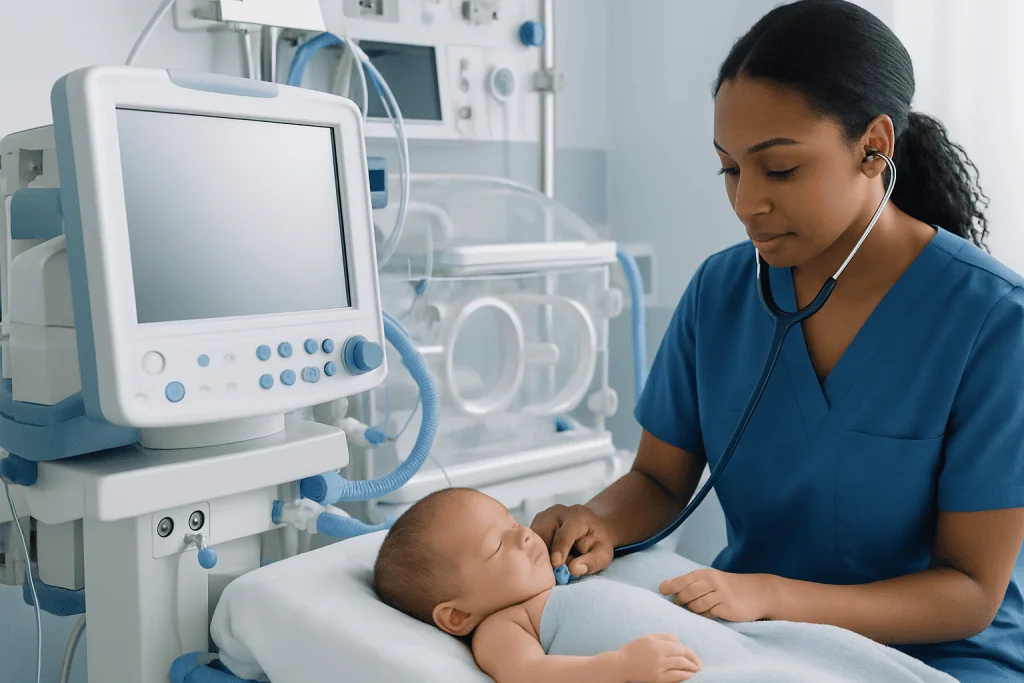
The responsibilities of a pediatric nurse depend on where they work and the child’s needs. In general, they assess a child’s condition, monitor changes, carry out treatment plans, and communicate important updates to doctors and families. They also watch for early signs that a child is improving or may need additional evaluation.
Pediatric nurses often play a major role in making care less stressful. They explain medical steps in age-appropriate language, help children cooperate during examinations, and use comfort techniques to reduce fear. They may also teach parents how to give medicines safely, manage symptoms at home, or recognize warning signs that require urgent care.
Common tasks may include:
- Checking temperature, pulse, breathing, blood pressure, and oxygen levels
- Assessing feeding, hydration, sleep, growth, and development
- Giving medications, fluids, wound care, or other treatments as prescribed
- Supporting children before and after tests, procedures, or surgery
- Educating families about illness, prevention, and home care
- Coordinating with pediatricians and specialists for ongoing treatment
Some pediatric nurses develop expertise in areas such as newborn care, asthma, diabetes, oncology, intensive care, or rehabilitation. Others work in community settings where they support preventive care and healthy development over time.
When Might a Child Need a Pediatric Nurse?
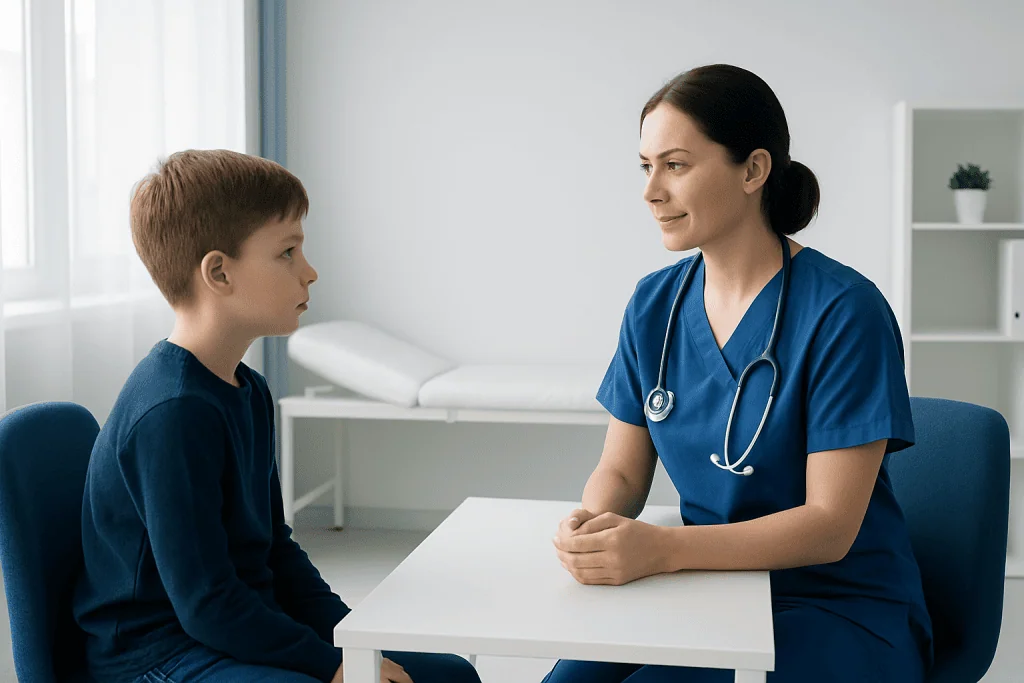
A child may need a pediatric nurse in many everyday and medical situations. For healthy children, this can include routine checkups, vaccinations, developmental screening, and support during common childhood illnesses. In these settings, the nurse helps monitor growth, answers parent questions, and reinforces healthy habits.
Children with short-term illnesses may need pediatric nursing care for fever, dehydration, breathing symptoms, infections, stomach illness, or recovery after an injury. In hospitals and urgent care settings, pediatric nurses help assess how severe symptoms are and support treatment while the child is being observed or recovering.
Children with chronic or complex conditions may depend on pediatric nurses more regularly. This includes care for asthma, diabetes, neurological disorders, congenital conditions, feeding issues, or recovery after surgery. In some cases, a child may benefit from a broader evaluation by pediatric specialists, especially if symptoms are ongoing or involve multiple systems.
Home nursing may also be recommended for children who need continued support after discharge, such as medication administration, wound care, feeding tube care, or monitoring after a major illness. The goal is to make treatment safer and more manageable while helping the child stay in a familiar environment whenever appropriate.
How Pediatric Nurses Support Children and Families
Pediatric nursing is family-centered. Because young children may not be able to explain symptoms clearly or understand what is happening, nurses rely on close communication with parents and caregivers. They listen to concerns, gather details about behavior and symptoms, and help families take an active role in care decisions.
Emotional support is also a key part of the role. Medical visits and hospital stays can be stressful for both children and parents. Pediatric nurses help by creating a calmer environment, preparing children for what to expect, and encouraging coping strategies that fit the child’s age and temperament. This may include play, simple explanations, distraction, or involving parents during care whenever possible.
Education is another important part of support. Families often need guidance on fever care, hydration, nutrition, medicines, sleep, symptom tracking, and follow-up plans. A pediatric nurse can explain how to monitor progress at home and what changes should prompt a call to a doctor. This practical teaching often helps parents feel more confident and less overwhelmed.
For children receiving specialist care, nurses may also help coordinate appointments and communication between departments. If a child needs ongoing evaluation for pediatric cancer care or support from pediatric neurology, the nurse can help families understand the next steps and how the care plan fits together.
Assessment, Diagnosis, and the Pediatric Care Team
A pediatric nurse does not usually make a full medical diagnosis independently in the same way a physician does, but they are central to assessment and early recognition. They collect detailed information about symptoms, take measurements, observe breathing, feeding, skin color, activity level, and pain, and identify signs that need prompt attention. Their observations often help guide the next stage of medical evaluation.
Depending on the child’s symptoms, a pediatrician or specialist may recommend blood tests, imaging, respiratory testing, developmental assessments, or other investigations. Pediatric nurses prepare children for these tests, explain what will happen, and monitor them afterward. Good preparation can make a difficult experience more manageable for the child and family.
Pediatric care is often delivered by a team. This may include pediatricians, neonatologists, surgeons, therapists, dietitians, psychologists, and specialized nurses. When a child needs procedures or inpatient care, nurses are part of treatment planning and day-to-day monitoring. If advanced evaluation is needed, the child’s doctor may discuss options such as a pediatric check-up or MRI imaging to better understand symptoms.
Treatment, Recovery, and Ongoing Care
Treatment in pediatric care depends on the child’s age, diagnosis, and overall health. Pediatric nurses help carry out the prescribed plan and check how well the child responds. This can include giving medicines, managing intravenous fluids, supporting feeding, monitoring oxygen levels, caring for wounds, and watching for side effects or complications.
Recovery is often more than the illness itself. A child may need help returning to normal eating, sleeping, school attendance, and activity. Pediatric nurses guide families through these steps and explain how recovery may look at home. They also help families understand follow-up needs, such as repeat visits, rehabilitation, or specialist care.
For children who need surgery or hospital-based treatment, nurses are involved before, during, and after the process. They help prepare the child, reduce fear, monitor recovery, and teach parents what to expect after discharge. In some situations, this may include care around pediatric surgery or broader coordination with other departments.
Near the end of the care journey, families sometimes seek support from larger multidisciplinary centers. Acibadem International’s multidisciplinary specialists and JCI-accredited hospitals diagnose and treat pediatric conditions for international patients when coordinated specialist care is needed.
Prevention, Self-Care, and When to See a Doctor
Many pediatric health concerns can be managed best when prevention and early support are part of everyday family life. Parents can help by keeping regular well-child visits, following vaccination schedules, encouraging hand hygiene, supporting healthy sleep, and offering balanced nutrition appropriate for the child’s age. These routine steps also give healthcare teams a chance to spot developmental or medical concerns early.
At home, it helps to track important changes such as fever, fluid intake, urination, breathing pattern, rash, pain, or changes in activity. If a child has a chronic condition, families should follow the care plan carefully and ask for clarification whenever instructions are unclear. A pediatric nurse can often help families understand how to use devices, give medicines, or monitor symptoms correctly.
Parents should contact a doctor if a child has symptoms that are severe, persistent, or unusual for them. Examples include difficulty breathing, signs of dehydration, high or prolonged fever, unusual sleepiness, repeated vomiting, worsening pain, seizures, feeding problems in infants, or concerns about growth or development. It is also reasonable to seek medical advice when a parent feels that a child is simply not acting like themselves.
Prompt attention does not always mean an emergency, but children can become unwell more quickly than adults. Early assessment by a qualified healthcare professional can provide reassurance, treatment, and guidance on the safest next steps.
Frequently asked questions
What is the difference between a pediatric nurse and a pediatrician?
A pediatrician is a medical doctor who diagnoses illnesses and directs overall medical treatment for children. A pediatric nurse is a licensed nurse who assesses, monitors, treats, and supports children and families as part of that care plan. Both play important but different roles on the pediatric healthcare team.
Do pediatric nurses only work in hospitals?
No. Pediatric nurses work in hospitals, clinics, emergency departments, schools, community health settings, and sometimes in the home. Their responsibilities vary depending on the setting and the needs of the child.
Can a pediatric nurse help with chronic conditions?
Yes. Pediatric nurses often help children with long-term conditions such as asthma, diabetes, neurological disorders, or complex medical needs. They support symptom monitoring, treatment routines, family education, and communication with specialists.
When should parents ask for pediatric nursing support at home?
Home support may be helpful after hospital discharge, after surgery, or when a child needs ongoing treatments such as wound care, feeding support, or close monitoring. The child's doctor can advise whether home nursing is appropriate and what type of follow-up is needed.
How do pediatric nurses help reduce a child's fear?
They use child-friendly communication, explain steps in simple language, and involve parents whenever possible. Many also use distraction, play, and comfort measures to help children feel safer during examinations or treatment.
Is a pediatric nurse only for serious illness?
No. Pediatric nurses are involved in routine and preventive care as well as illness and recovery. They may support checkups, vaccinations, health education, and common childhood concerns in addition to more complex medical care.
References
- American Academy of Pediatrics
- Centers for Disease Control and Prevention
- World Health Organization
- Royal College of Nursing
- UNICEF
This article is for general information only and is not a substitute for professional medical advice. Please consult a qualified doctor about your individual situation.
Explore treatments in Turkey — costs, top hospitals & a free quote
JCI-accredited · board-certified surgeons · reply within 24h
Add us as a Preferred Source to see more of our trusted health content across Google Search, AI Overviews and Discover.
Check your numbers in seconds
BMI, calories, due date, blood pressure and 30+ more clinical calculators — free, instant, doctor-reviewed ranges.

Pediatrics
Complete healthcare for infants, children and adolescents across all sub-specialties.
232 specialists in this unit