

Pediatric Sleep Disorders: When Snoring, Night Wakings, or Sleepiness Need Specialist Care
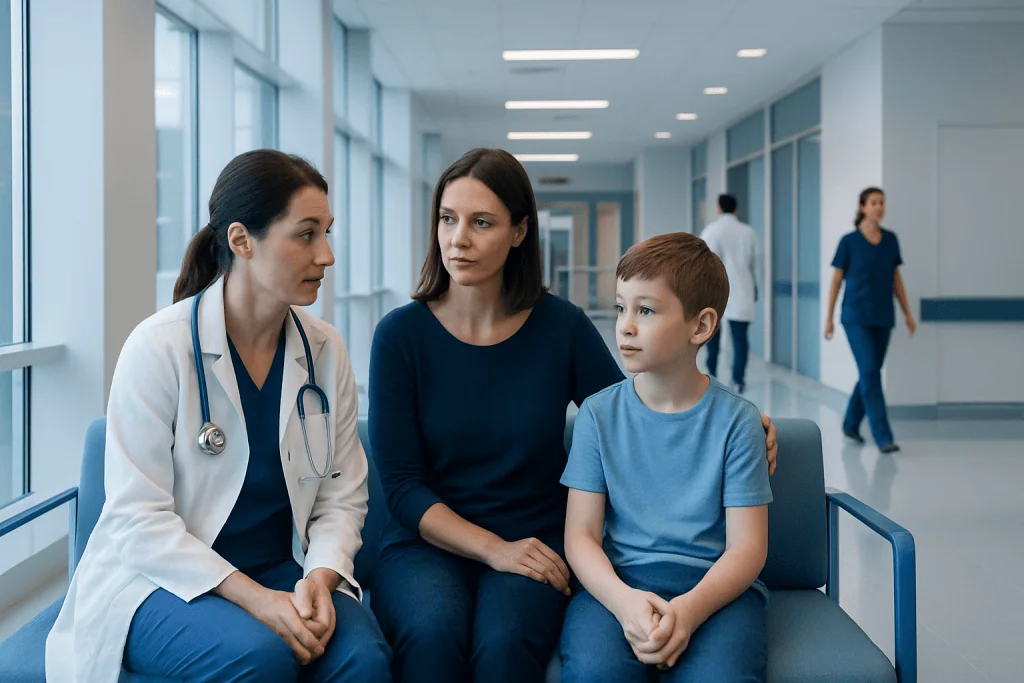
Not all sleep problems are simply a phase; some need medical assessment. Snoring, pauses in breathing, restless sleep, and daytime sleepiness can be important warning signs.
Key Takeaways
- Not all sleep problems are simply a phase; some need medical assessment.
- Snoring, pauses in breathing, restless sleep, and daytime sleepiness can be important warning signs.
- Sleep disorders in children may involve the airway, brain, behavior, daily routines, or medical conditions.
- Evaluation may include a detailed sleep history, physical exam, sleep diary, or overnight sleep study.
- Treatment depends on the cause and may involve sleep habits, behavioral support, medication review, or specialist care.
Pediatric sleep disorders are common and can affect a child’s mood, learning, growth, and overall health. Persistent snoring, frequent night wakings, unusual movements during sleep, or ongoing daytime sleepiness may mean a child needs professional evaluation.
Overview
Pediatric sleep disorders are conditions that disrupt a child’s ability to fall asleep, stay asleep, breathe normally during sleep, or feel refreshed during the day. Sleep problems can happen at any age, from infancy through adolescence, and they may affect attention, behavior, school performance, emotional regulation, and family well-being.
Many children occasionally resist bedtime, wake during the night, or seem tired after a busy day. However, symptoms that are frequent, severe, or persistent deserve closer attention. Loud habitual snoring, repeated awakenings, unusual sleep behaviors, or excessive daytime sleepiness are not always normal parts of childhood.
Sleep disorders in children include breathing-related conditions such as obstructive sleep apnea, insomnia, circadian rhythm problems, parasomnias such as sleepwalking, movement-related disorders, and sleepiness disorders such as narcolepsy. Some children also have sleep difficulties linked to neurological, developmental, behavioral, or emotional conditions.
Because sleep supports growth, brain development, memory, and physical health, early recognition is important. Specialist care can help identify the cause, rule out related conditions, and guide treatment that fits the child’s age and needs.
Symptoms and signs to watch for
The signs of pediatric sleep disorders vary by age and by the type of sleep problem. At night, a child may snore regularly, breathe through the mouth, pause in breathing, gasp, sweat heavily, toss and turn, wake often, or have difficulty settling to sleep. Some children show unusual movements, sleep talking, sleep terrors, or sleepwalking.
During the day, the effects may look different from adult sleepiness. A child may be irritable, hyperactive, inattentive, hard to wake in the morning, or unusually sleepy during school, homework, or car rides. In younger children, poor sleep can also affect growth, appetite, and behavior.
Parents and caregivers may consider seeking advice if symptoms happen several times a week, disrupt family routines, or continue over time. Particular attention is warranted if a child snores loudly most nights, seems to stop breathing during sleep, falls asleep at inappropriate times, or has a clear decline in daytime functioning.
- Habitual snoring or noisy breathing during sleep
- Frequent night wakings or trouble falling asleep
- Pauses in breathing, choking, or gasping
- Restless sleep or repeated leg movements
- Sleepwalking, night terrors, or confusion after waking
- Daytime sleepiness, mood changes, or trouble concentrating
Causes and risk factors

Pediatric sleep disorders have many possible causes. In some children, enlarged tonsils and adenoids narrow the airway and lead to snoring or obstructive sleep apnea. In others, allergies, nasal blockage, asthma, reflux, obesity, or craniofacial differences may contribute to disturbed sleep or breathing problems at night.
Sleep difficulties can also be related to habits and routines. Irregular bedtimes, too much evening screen exposure, stimulating activities before bed, caffeine intake, or inconsistent sleep schedules can interfere with normal sleep onset. Stress, anxiety, and changes in family or school life may also trigger or worsen sleep problems.
Neurological and developmental conditions can play a role as well. Children with attention-deficit/hyperactivity disorder, autism spectrum disorder, epilepsy, headaches, or certain genetic conditions may have a higher chance of sleep disturbances. Sometimes medications for other conditions can affect sleep timing, sleep quality, or alertness in the daytime.
Less commonly, ongoing sleepiness despite enough time in bed may suggest a central sleep disorder such as narcolepsy or another problem that affects the brain’s sleep-wake regulation. In these cases, a pediatric neurologist or sleep specialist may look more closely for underlying causes, including narcolepsy.
How pediatric sleep disorders are diagnosed
Diagnosis begins with a careful medical history. The doctor usually asks about bedtime routines, snoring, breathing patterns, night wakings, unusual behaviors during sleep, morning symptoms, school performance, and daytime fatigue. A family history of sleep apnea, restless legs syndrome, or other sleep conditions may also be relevant.
A physical examination may focus on the airway, tonsils, nose, growth, weight, neurological findings, and any signs of related health conditions. Parents may be asked to keep a sleep diary for one to two weeks, noting bedtimes, awakenings, naps, and daytime symptoms. Short videos of snoring or unusual sleep behaviors can sometimes help describe what happens at home.
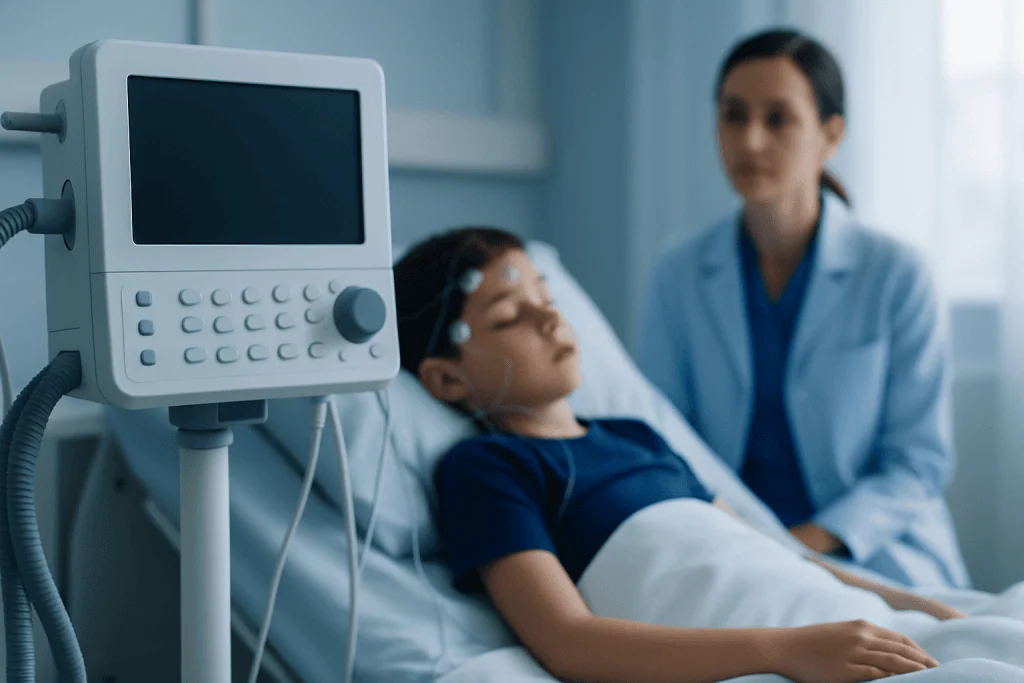
When breathing problems or certain neurological sleep disorders are suspected, a child may need overnight testing. A sleep study, also called polysomnography, monitors breathing, oxygen levels, heart rate, brain activity, and movement during sleep. Depending on the symptoms, additional evaluation may include blood tests, iron studies, allergy assessment, actigraphy, or referral to ENT, pulmonology, psychology, or pediatric neurology specialists.
If the pattern suggests seizures rather than a sleep disorder, clinicians may also consider conditions such as epilepsy and plan more specific neurological testing. The goal is to distinguish common sleep problems from disorders that need targeted treatment.
Treatment options
Treatment depends on the cause of the sleep problem. For many children, improving sleep habits is an important first step. This may include a regular bedtime and wake time, a calming bedtime routine, a screen-free wind-down period, and a sleep environment that is quiet, dark, and comfortable. Behavioral strategies are often especially helpful for bedtime resistance and frequent night wakings.
When snoring or sleep apnea is present, treatment may focus on the airway. A child with enlarged tonsils and adenoids may be referred to an ENT specialist, and some children may benefit from tonsil and adenoid surgery. Allergy treatment, weight management support, or positive airway pressure therapy may be considered in selected cases, especially when symptoms persist.
If unusual movements or irresistible daytime sleepiness are the main concern, treatment is guided by the specific diagnosis. Iron replacement may help some movement-related sleep problems when iron deficiency is present. Medication review is important, because some medicines can worsen insomnia or sleepiness. Children with more complex conditions may need coordinated care through pediatric neurology or a dedicated sleep program.
Parasomnias such as sleepwalking and night terrors often improve with time, reassurance, adequate sleep, and safety measures. For adolescents with delayed sleep-wake schedules, treatment may include consistent timing, bright-light strategies, and professional guidance on circadian reset. In all cases, treatment works best when families understand the plan and follow-up is tailored to the child’s progress.
Prevention and self-care at home
Not all pediatric sleep disorders can be prevented, but healthy sleep routines can reduce many common problems. Children generally sleep best when bedtimes and wake times stay consistent across weekdays and weekends. A predictable routine, such as bathing, reading, and quiet time before bed, helps the body and brain prepare for sleep.
Families can also support good sleep by limiting caffeine, especially in the afternoon and evening, and reducing screen use before bedtime. Phones, tablets, televisions, and video games can delay sleep and make it harder to settle. Bedrooms are usually most sleep-friendly when they are cool, dark, and reserved mainly for sleep.
For children who snore, allergy symptoms or nasal congestion should not be ignored. Good control of asthma or allergic rhinitis may improve sleep quality in some cases. If a child is overweight, a doctor-guided plan for healthy eating and activity can support both sleep and overall health.
Safety matters when a child sleepwalks or has frequent parasomnias. Parents may secure windows, use gates near stairs, remove sharp objects, and help the child avoid sleep deprivation, which can trigger events. Keeping a simple sleep log can also help families notice patterns and prepare useful information for medical visits.
When to see a specialist
A child should be assessed by a healthcare professional if sleep problems are frequent, prolonged, or affecting daily life. Specialist care may be especially important when symptoms involve breathing pauses, loud habitual snoring, unusual movements, episodes that may look like seizures, or severe daytime sleepiness. A child who is struggling at school or showing major mood or behavior changes may also need evaluation.
Urgent medical attention is appropriate if a child has significant breathing difficulty during sleep, bluish discoloration, repeated choking episodes, or concerns about safety during nighttime events. Parents should also seek advice if a child suddenly develops excessive sleepiness, cataplexy-like weakness triggered by emotions, or a major change in sleep pattern without a clear reason.
Care may involve a pediatrician, ENT specialist, pulmonologist, psychologist, or pediatric neurologist depending on the symptoms. In more complex cases, a multidisciplinary approach can be helpful. Acibadem International’s multidisciplinary specialists and JCI-accredited hospitals evaluate and treat pediatric sleep disorders for international patients when more advanced assessment is needed.
With the right evaluation and a personalized care plan, many children experience meaningful improvement in sleep and daytime functioning. Early support can help families better understand what is normal, what is treatable, and when ongoing follow-up is the best next step.
Frequently asked questions
Is snoring normal in children?
Occasional light snoring can happen during a cold or allergy flare, but loud or frequent snoring is not always normal. Habitual snoring may be a sign of obstructed breathing during sleep and should be discussed with a doctor, especially if the child seems restless or tired during the day.
What is the difference between a sleep problem and a sleep disorder?
A sleep problem may be short-term and related to routine changes, stress, illness, or poor sleep habits. A sleep disorder is more persistent or medically significant and may interfere with breathing, sleep quality, or daytime function, often requiring formal evaluation.
Can poor sleep make a child seem hyperactive?
Yes. Children do not always show tiredness the way adults do. Instead of appearing sleepy, they may become irritable, overactive, impulsive, or have trouble focusing, which can sometimes resemble attention problems.
When does a child need a sleep study?
A sleep study may be recommended if there are concerns about sleep apnea, unusual nighttime movements, unexplained daytime sleepiness, or complex sleep behaviors. The test helps specialists monitor breathing, oxygen, brain activity, and movement during sleep to find the cause more accurately.
Do children outgrow night terrors and sleepwalking?
Many children do improve with time, especially when they get enough sleep and keep regular routines. Even so, a doctor should assess frequent, dangerous, or unusual episodes, or events that begin suddenly in an older child.
Can anxiety or screen time affect sleep in children?
Yes. Worry, overstimulation, and evening screen exposure can delay sleep onset and lead to more bedtime struggles or night waking. Building a calm bedtime routine and limiting screens before bed often helps improve sleep quality.
References
- American Academy of Pediatrics
- American Academy of Sleep Medicine
- National Institutes of Health
- Centers for Disease Control and Prevention
- National Sleep Foundation
This article is for general information only and is not a substitute for professional medical advice. Please consult a qualified doctor about your individual situation.
Explore treatments in Turkey — costs, top hospitals & a free quote
JCI-accredited · board-certified surgeons · reply within 24h
Add us as a Preferred Source to see more of our trusted health content across Google Search, AI Overviews and Discover.

More from the Health Library



Related Specialists

Assoc. Prof. Dr. Işık Türkalp
Clinical Laboratory
Dr. Selahattin Özen
Clinical Laboratory
Assoc. Prof. Dr. Ersoy Hazneci
Dermatology
Prof. Dr. Erkan Vardareli
Nuclear Medicine