Pediatric Surgery Oncology: Procedure, Recovery and Results
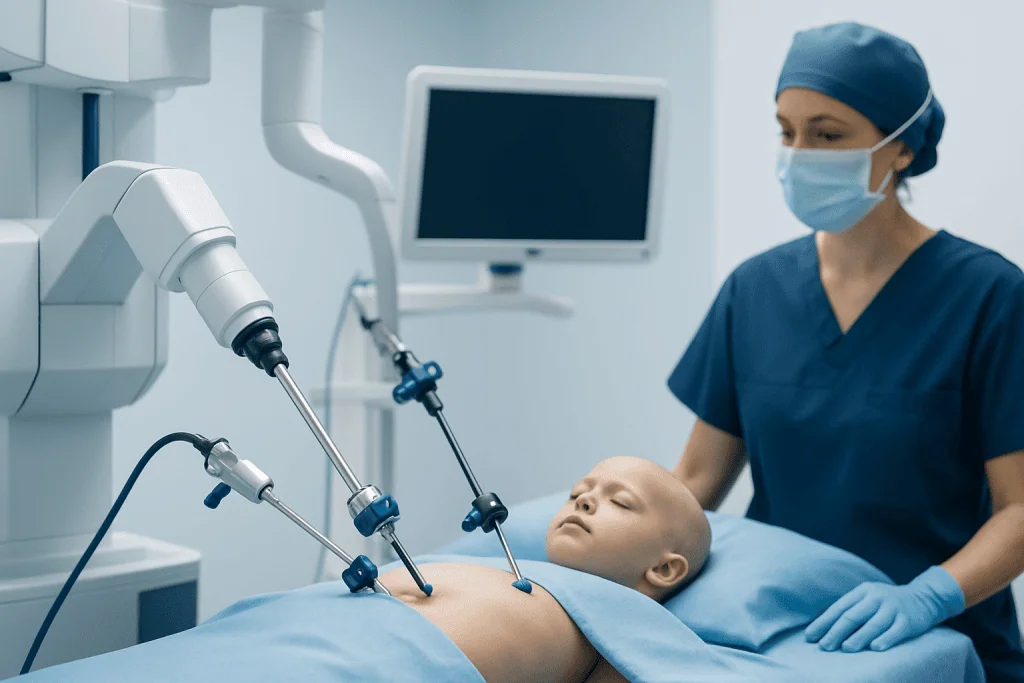
Pediatric surgical oncology is planned by a multidisciplinary team and is tailored to the child’s tumor type, location, stage, and overall health. Not every child with cancer needs an operation; surgery may be diagnostic, curative, symptom-relieving, or part of combined treatment.
Key Takeaways
- Pediatric surgical oncology is planned by a multidisciplinary team and is tailored to the child’s tumor type, location, stage, and overall health.
- Not every child with cancer needs an operation; surgery may be diagnostic, curative, symptom-relieving, or part of combined treatment.
- Recovery ranges from a few days after a minor procedure to several weeks or longer after complex tumor surgery.
- Families should receive clear instructions about wound care, activity, pain control, eating, follow-up visits, and signs that need urgent medical review.
- Long-term outcomes depend mainly on the cancer type and stage, how completely it can be removed safely, and the response to other treatments.
Pediatric surgery oncology is the surgical care of infants, children, and adolescents with suspected or confirmed cancer. It can help establish a diagnosis, remove a tumor, assess whether cancer has spread, relieve symptoms, or support a wider treatment plan involving chemotherapy, radiation therapy, and rehabilitation.
Overview: What Is Pediatric Surgery Oncology?
Pediatric surgery oncology, also called pediatric surgical oncology, is a specialized area of care focused on operations for children with tumors and cancer. A pediatric surgeon works alongside pediatric oncologists, radiologists, pathologists, anesthesiologists, nurses, rehabilitation professionals, and other specialists to decide whether surgery is needed and how to perform it as safely as possible.
Surgery may remove a tumor, take a tissue sample for diagnosis, place a central venous access device for treatment, assess the extent of disease, or treat complications such as blockage, bleeding, or pressure on an organ. The exact role of surgery differs greatly between cancers, including tumors affecting the abdomen, kidneys, liver, chest, thyroid, soft tissues, bones, brain, or reproductive organs.
The goal is not simply to remove tissue. The team aims to obtain the information or cancer control needed while protecting normal growth, organ function, appearance, mobility, and quality of life wherever possible. In many cases, surgery is one part of a carefully timed treatment plan rather than the only treatment.
How Pediatric Oncology Procedures Work
Before an operation, the team reviews the child’s symptoms, examination findings, scans, laboratory tests, and pathology results if a biopsy has already been performed. Imaging such as ultrasound, magnetic resonance imaging, computed tomography, or other specialized scans helps show the tumor’s size, location, and relationship to important blood vessels and organs.
Children may have different pediatric oncology procedures depending on their needs. A biopsy removes a small sample to identify the tumor. Tumor resection aims to remove all or part of a tumor. Some operations remove an affected organ or section of an organ, while reconstructive techniques may help preserve function. Minimally invasive approaches may be possible for selected children, but open surgery is sometimes the safest approach for complete access and tumor control.
Operations are performed under general anesthesia, so the child is asleep and carefully monitored. The surgical plan includes preparation for blood management, pain relief, infection prevention, and care after the procedure. If chemotherapy or radiation is needed, surgery may occur before, after, or between these treatments depending on the specific diagnosis.
- Diagnostic surgery: biopsy or sampling to identify the tumor.
- Definitive surgery: removal of a localized tumor when safe and appropriate.
- Staging surgery: assessment of lymph nodes, nearby tissues, or spread of disease.
- Supportive surgery: procedures that help with treatment delivery or cancer-related complications.
Who May Be a Candidate for Surgery?
A child may be considered for surgery when imaging and clinical assessment suggest that an operation can provide useful diagnostic information, remove a tumor safely, improve symptoms, or contribute meaningfully to cure or disease control. Candidacy does not depend on age alone. It depends on the tumor’s type, position, size, spread, biology, and response to any treatment already given.
Some tumors are removed soon after diagnosis. Others are first treated with chemotherapy or another systemic therapy to shrink the tumor and make surgery safer or more effective. In certain cancers, surgery is limited because the tumor involves critical structures or because non-surgical treatment is the preferred first approach. These decisions are usually discussed in a multidisciplinary tumor board.
Parents or caregivers should be given an explanation of the expected benefit, available alternatives, possible impact on function, and the likelihood that additional treatment will be needed. Pediatric surgical oncology residency training and ongoing specialist experience help surgeons develop the technical and communication skills needed for these complex decisions, but care is always individualized rather than based on a single standard operation.
The Procedure: Step by Step
Preparation usually begins with a preoperative assessment. This may include blood tests, imaging review, anesthesia consultation, and instructions about eating, drinking, regular medicines, and arrival time. The care team also considers the child’s emotional needs, using age-appropriate explanations and, when available, child-life support to reduce uncertainty.
On the day of surgery, the child is admitted, identified carefully, and prepared for anesthesia. During the operation, the surgeon makes the planned incision or uses minimally invasive access where appropriate. The tumor or tissue sample is removed, and surgeons may examine nearby structures or lymph nodes when this is important for staging or treatment. A pathologist may assess samples during or after surgery, depending on the clinical question.
After the surgical part is complete, the incision is closed and dressings, drains, tubes, or catheters may be placed if needed. The child then wakes in a recovery area before transfer to a hospital ward or, after major surgery, a higher-monitoring unit. Families are updated as soon as it is appropriate to do so, and the team explains the first steps of recovery.
Pathology findings often guide the next stage of care. They may confirm the diagnosis, describe tumor features, and report whether removed tissue includes a clear margin of normal tissue around the tumor. A clear margin is not required or achievable in every case; its importance depends on the specific cancer and treatment plan.
What Is the Recovery Process Like After Pediatric Surgery?
Recovery after pediatric surgery depends on the type and extent of the operation, the child’s age, nutritional status, other treatments, and whether complications occur. Following a biopsy or minor procedure, many children return home the same day or after a short stay. After major abdominal, chest, bone, or reconstructive surgery, hospital recovery may take several days or longer.
Early care focuses on comfort, breathing, circulation, wound monitoring, nausea control, and gradual return to drinking and eating. Pain is treated with an individualized plan that may include several approaches rather than relying on one medicine alone. Nurses and physiotherapists encourage safe movement, coughing or breathing exercises when needed, and age-appropriate activity to support recovery.
At home, caregivers are typically asked to monitor the incision, give medicines as prescribed, follow bathing and activity instructions, and attend follow-up appointments. Children may need temporary limits on sports, lifting, school attendance, or travel. The team will explain when normal routines can restart and whether chemotherapy, radiation, rehabilitation, or further surgery is planned.
Contact the surgical team promptly if there is increasing redness, swelling, drainage, worsening pain, persistent vomiting, poor fluid intake, a new fever, breathing difficulty, or unusual sleepiness. Families should use the discharge instructions provided for their child, as warning signs and contact routes can vary by procedure.
How Long Does It Take to Recover From a Cancer Surgery?
There is no single recovery timeline for cancer surgery. A child may feel more comfortable within days after a simple biopsy, while healing after major tumor removal can take weeks. Full recovery of strength, stamina, appetite, bowel function, or mobility may take longer, particularly if treatment continues with chemotherapy, radiation therapy, or rehabilitation.
Physical wound healing is only one part of recovery. Children and families may also need support with sleep, anxiety, school routines, nutrition, body image, and returning to play. Follow-up visits allow the team to check healing, review pathology, plan additional cancer treatment, and discuss practical concerns such as school attendance and activity.
The expected result of surgery depends on the diagnosis. For some localized tumors, complete removal is a central part of curative treatment. For other cancers, surgery mainly provides a diagnosis or is combined with other therapies. The oncology team can explain the purpose of the operation in the individual child’s treatment plan and what outcomes are realistic to expect.
Benefits, Risks, and the Difficult Parts of Care
The potential benefits of pediatric cancer surgery include obtaining an accurate diagnosis, removing cancer that can be safely resected, reducing tumor burden, preventing or relieving complications, and providing information that helps tailor subsequent treatment. Surgery may also preserve health when it prevents damage from a growing tumor or improves the chance that other treatments will work effectively.
All operations have risks. These can include bleeding, infection, blood clots, reactions to anesthesia, pain, scarring, delayed wound healing, and injury to nearby organs or structures. Depending on the operation, there may also be risks related to bowel function, kidney function, breathing, mobility, hormones, fertility, or the need for additional procedures. The surgical team discusses the risks that are most relevant to the individual operation.
Is pediatric oncology hard? Pediatric oncology is challenging because childhood cancers are diverse, treatment can be intensive, and families must navigate uncertainty while supporting a child’s development and daily life. However, care is delivered by teams experienced in both cancer treatment and the specific medical, emotional, and practical needs of children and adolescents.
What is the hardest part of pediatric surgery? The hardest part varies for each child and family. It may be the period of diagnosis, preparing for anesthesia, managing pain and temporary activity limits, waiting for pathology results, or coordinating additional treatment. Clear communication, child-focused support, and involvement of caregivers in decisions can make this process more manageable.
When to Seek Medical Care
Parents and caregivers should seek timely medical evaluation if a child has a persistent or enlarging lump, unexplained abdominal swelling, ongoing bone pain, recurrent headaches with vomiting, unexplained weight loss, unusual fatigue, persistent fever, blood in urine or stool, or symptoms that do not improve as expected. These symptoms are common in many non-cancerous conditions, but persistent or concerning changes deserve assessment by a qualified clinician.
After surgery, urgent medical advice is important for breathing problems, heavy bleeding, severe or rapidly worsening pain, repeated vomiting, inability to keep fluids down, signs of dehydration, confusion, fainting, or a wound that opens. A fever or wound changes should also be discussed with the surgical team, especially in a child receiving chemotherapy or other treatment that can affect immunity.
Families may find it helpful to ask who to contact outside clinic hours, which symptoms require emergency care, and how follow-up will be coordinated between surgery and oncology. Acibadem International’s multidisciplinary specialists and JCI-accredited hospitals provide diagnostic and treatment planning support for international pediatric patients with complex surgical oncology needs.
Frequently asked questions
What is pediatric surgery oncology?
Pediatric surgery oncology is surgical care for children and adolescents with suspected or diagnosed tumors and cancer. It includes biopsies, tumor removal, staging procedures, and operations that support cancer treatment or manage complications.
Does every child with cancer need surgery?
No. The need for surgery depends on the cancer type, location, stage, and response to other treatments. Some children need a biopsy only, while others may have surgery before or after chemotherapy, radiation therapy, or other treatments.
How long will a child stay in hospital after cancer surgery?
The length of stay varies with the procedure and the child’s recovery. A minor biopsy may involve same-day discharge or a brief admission, whereas major tumor surgery can require a longer hospital stay for pain control, monitoring, nutrition, and safe return of normal function.
Will cancer surgery be painful for a child?
Some discomfort is expected after surgery, but pediatric teams use individualized pain-management plans to keep children as comfortable as possible. Care may include medicines, positioning, distraction techniques, and gradual activity under clinical guidance.
Can surgery cure childhood cancer?
For some localized tumors, surgery can be an important part of curative treatment. Whether surgery alone is sufficient depends on the exact cancer diagnosis and its features, so many children also need chemotherapy, radiation therapy, targeted treatment, or close follow-up.
What should parents ask before pediatric cancer surgery?
Helpful questions include why surgery is recommended, what the operation involves, expected benefits and risks, how long recovery may take, and whether additional therapy is likely. Families can also ask about pain control, activity restrictions, pathology results, fertility or organ-function considerations, and emergency contact instructions.
References
- National Cancer Institute
- American Cancer Society
- Children's Oncology Group
- World Health Organization
- American Academy of Pediatrics
This article is for general information only and is not a substitute for professional medical advice. Please consult a qualified doctor about your individual situation.
Pediatric Surgery in Turkey — costs, top hospitals & a free quote
JCI-accredited · board-certified surgeons · reply within 24h
Add us as a Preferred Source to see more of our trusted health content across Google Search, AI Overviews and Discover.

General Surgery
Open, laparoscopic and robotic surgery for a broad range of abdominal and soft-tissue conditions.
120 specialists in this unit