Small Intestine Cancer Surgery: Procedure, Recovery and Results

Surgery is the main treatment for many localized small intestine cancers and may also help relieve blockage or bleeding. The surgeon removes the tumor with a margin of healthy bowel and usually nearby lymph nodes.
Key Takeaways
- Surgery is the main treatment for many localized small intestine cancers and may also help relieve blockage or bleeding.
- The surgeon removes the tumor with a margin of healthy bowel and usually nearby lymph nodes.
- Hospital recovery commonly takes several days, while bowel habits, energy and nutrition may take weeks to stabilize.
- Complications are possible, including infection, bleeding, bowel blockage and leakage from a bowel connection.
- Long-term follow-up is important because additional treatments or monitoring may be needed depending on the cancer type and stage.
Small intestine cancer surgery is usually a bowel resection that removes the cancerous section of small intestine and reconnects the healthy ends when it is safe to do so. The exact operation, recovery and outlook depend on the cancer type, its location and stage, and a person’s overall health.
Overview: what small intestine cancer surgery involves
Small intestine cancer surgery removes the tumor and the section of small bowel containing it. In many cases, the surgeon then joins the two healthy ends of bowel together; this is called an anastomosis. The operation is planned to remove the cancer completely where possible while preserving as much functioning intestine as safely possible.
The small intestine is the long digestive tube between the stomach and large intestine. Cancers in this area are uncommon and include adenocarcinoma, neuroendocrine tumors, lymphoma and sarcoma. Because these cancers behave differently, surgery is individualized by a multidisciplinary team that may include surgical oncologists, medical oncologists, gastroenterologists, radiologists, pathologists and dietitians.
For localized disease, an operation may be the primary treatment. If cancer has spread, surgery may still be considered to manage complications such as intestinal obstruction, bleeding or perforation, or as one part of a broader treatment plan.
How surgery works and who may be a candidate
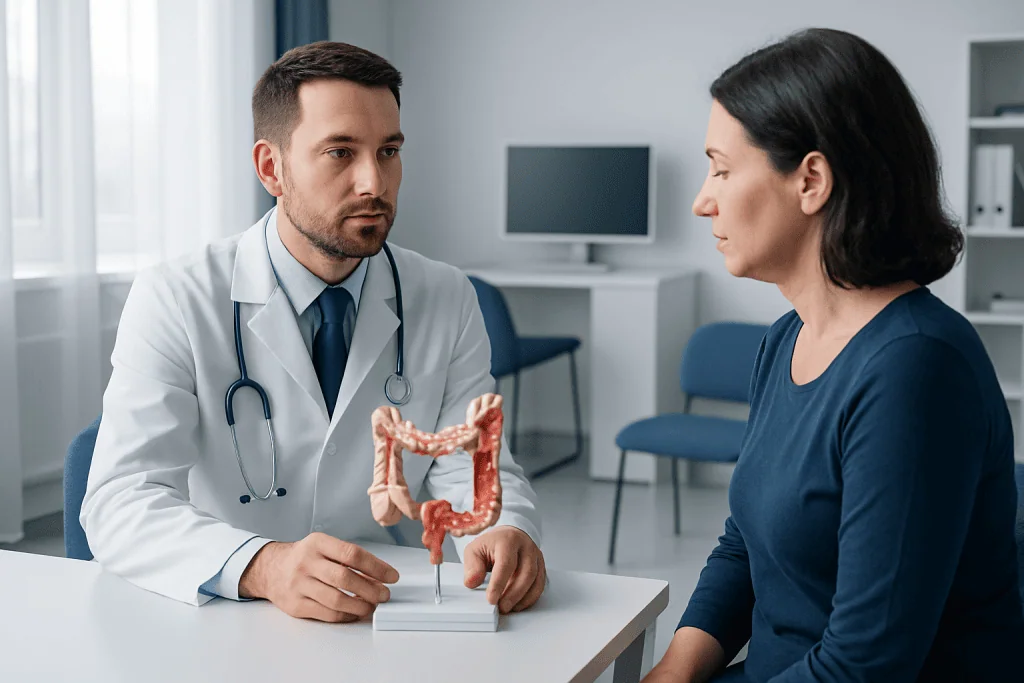
Before recommending surgery, the clinical team confirms the cancer type and assesses its extent. This commonly involves scans of the abdomen and chest, blood tests, endoscopy or specialized imaging, and review of biopsy results. The team also evaluates heart and lung health, nutritional status, prior abdominal operations and a person’s ability to recover from major surgery.
A person may be a candidate when the tumor can be removed safely, when surgery is likely to improve cancer control or symptoms, and when their general health supports an operation. Some people receive chemotherapy or other systemic treatment before or after surgery, particularly when the cancer type or stage indicates a higher risk of recurrence.
Not every small intestine tumor requires the same approach. For example, a tumor near the junction with the colon may require removal of a small section of colon as well. Tumors involving nearby organs or major blood vessels require particularly careful assessment at an experienced cancer center.
- Curative surgery aims to remove all visible cancer.
- Symptom-relieving surgery may bypass or remove an obstruction, control bleeding or address perforation.
- Staged treatment combines surgery with oncology treatments according to tumor type and disease extent.
Step by step: the small intestine cancer surgery procedure
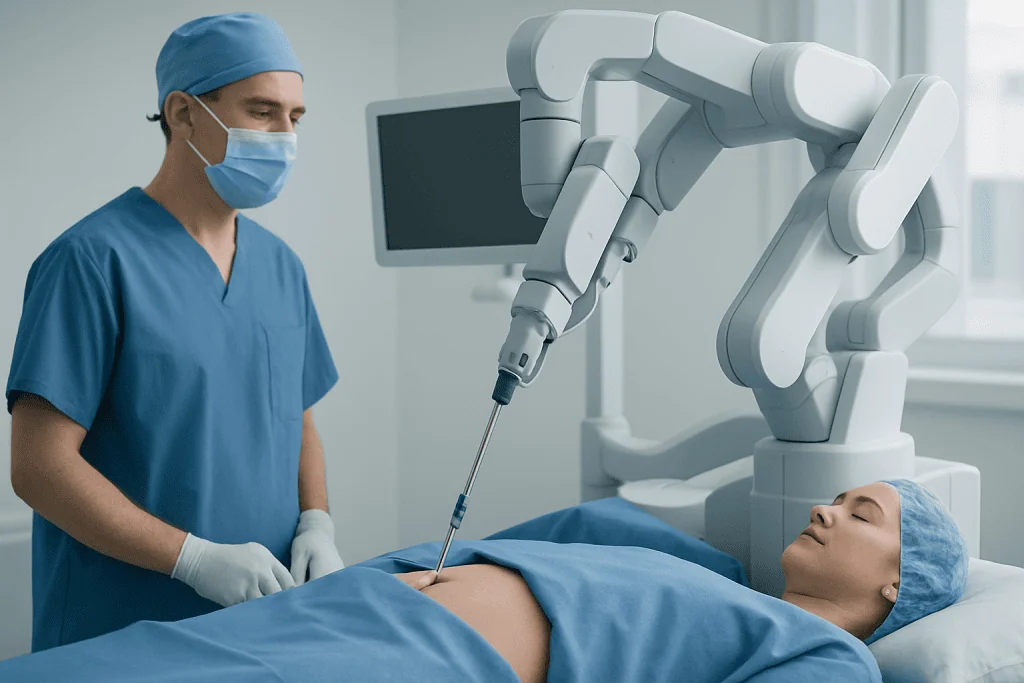
On the day of surgery, the patient receives general anesthesia and is asleep throughout the procedure. The surgeon may use open surgery through one abdominal incision, or minimally invasive laparoscopic or robotic techniques through several smaller incisions. The safest method depends on tumor location, size, previous surgery, anatomy and whether other structures may be involved.
The surgeon examines the abdominal cavity, identifies the tumor and removes the affected segment of small intestine with a rim of normal tissue on either side. Nearby lymph nodes are often removed for accurate staging and to treat possible microscopic spread. The specimen is examined by a pathologist, who reports the tumor type, margins and lymph node findings.
When possible, the surgeon reconnects the healthy bowel ends during the same operation. In selected situations, particularly if the bowel is inflamed, obstructed or healing risk is high, a temporary or permanent stoma may be needed. A stoma brings bowel to the skin surface so stool collects in a bag; the care team explains this possibility before surgery when relevant.
After the operation, pain control, early gentle movement, breathing exercises and a gradual return to drinking and eating support recovery. The surgical and oncology teams use the final pathology results to discuss whether surveillance, chemotherapy or another treatment is appropriate.
Recovery timeline after bowel resection
Recovery varies with the extent of surgery, the surgical approach, complications, nutrition and pre-existing health conditions. Many people remain in hospital for several days after an uncomplicated bowel resection. During that time, the team monitors pain, wound healing, bowel function, hydration, blood counts and signs of infection or leakage.
In the first days, fluids and food are reintroduced gradually once the bowel begins functioning. It is common to have fatigue, reduced appetite, bloating and changed bowel habits for a period after surgery. Short walks and increasing activity in small steps can support circulation, lung function and strength, but heavy lifting and strenuous exercise should wait until the surgeon says healing is adequate.
How long does it take to recover from a bowel resection? Many people can manage basic daily activities within a few weeks, while fuller physical recovery often takes about six to eight weeks after open surgery. Recovery after minimally invasive surgery may be shorter for some people, but bowel function, stamina and nutritional recovery can take several months. Follow-up appointments help tailor activity, diet and return-to-work guidance.
Dietary advice is individual. Smaller, more frequent meals, adequate fluids and slowly adding fiber may be useful for some people, while others need temporary limits on high-fiber foods after surgery. A dietitian can help address weight loss, diarrhea, constipation, vitamin deficiencies or difficulty maintaining nutrition if a larger portion of small bowel was removed.
Benefits, risks and possible longer-term changes
The potential benefit of small intestine cancer surgery is removal of the tumor and accurate determination of cancer stage. For some people, surgery offers the best chance of long-term cancer control. It can also relieve symptoms caused by narrowing, bleeding or blockage and may improve the ability to eat and maintain nutrition.
All major abdominal operations have risks. These include bleeding, blood clots, chest infection, wound infection, urinary problems, injury to nearby organs and reactions to anesthesia. Specific bowel surgery risks include a leak where the bowel is joined, temporary slowing of bowel function, abscess, scar-related bowel obstruction and the need for another procedure.
Longer-term effects may include diarrhea, urgency, constipation, bloating, altered appetite or trouble absorbing nutrients. The likelihood depends on how much bowel is removed and which segment is affected. Rarely, extensive removal can lead to short bowel syndrome, which requires specialist nutritional management.
Is it normal to gain belly fat after colon resection? Changes in abdominal shape or weight can occur during recovery, often because activity decreases, appetite changes, fluid shifts occur or body composition changes after treatment. However, a steadily enlarging abdomen, a new firm bulge near an incision, swelling with pain, or unexplained rapid weight gain should be assessed, as these symptoms can sometimes indicate a hernia, fluid retention or another issue. Although colon resection is different from small intestine surgery, the same principle applies: persistent or concerning body changes deserve medical review.
Related questions about bowel surgery recovery
What is life like after LARS surgery? Low anterior resection syndrome, or LARS, occurs after surgery that removes part of the rectum, not after most small intestine resections. It can involve frequent bowel movements, urgency, clustering of stools, difficulty emptying and occasional leakage. Symptoms often improve gradually over months, and support may include dietary changes, pelvic floor rehabilitation, medicines or bowel-management strategies guided by a colorectal team.
Is it normal to have pain 6 months after colon resection? Mild intermittent pulling, sensitivity or discomfort can persist while internal tissues and nerves heal, particularly around an incision. Pain that is new, worsening, severe, associated with fever, vomiting, bowel changes, weight loss, a bulge, or bleeding is not something to simply accept and should be discussed with a clinician. Persistent pain may have several causes, including scar tissue, nerve-related pain, hernia or a non-surgical condition, so assessment is important.
People recovering from small intestine cancer surgery should not compare their timeline too closely with another patient’s. Tumor type, operation complexity, additional cancer treatment and individual healing all influence recovery. A written follow-up plan can clarify expected symptoms, nutrition goals, scan schedules and who to contact between appointments.
When to seek medical care
Urgent medical advice is needed after surgery for fever, worsening abdominal pain, persistent vomiting, inability to keep fluids down, increasing redness or drainage from a wound, shortness of breath, chest pain, swelling in one leg, black stools or significant rectal bleeding. These symptoms do not always mean there is a serious complication, but they require timely assessment.
Before surgery, unexplained abdominal pain, recurrent vomiting, anemia, blood in the stool, unexplained weight loss or a persistent change in bowel habits should also be evaluated by a qualified clinician. These symptoms are common and can have many causes, but early assessment helps identify digestive conditions that need treatment.
After cancer treatment, regular follow-up supports early recognition of recurrence, treatment effects and nutritional concerns. Acibadem International’s multidisciplinary specialists and JCI-accredited hospitals diagnose and treat small intestine cancers for international patients, with care plans coordinated across surgery, oncology, imaging and supportive care.
Frequently asked questions
Can small intestine cancer be cured with surgery?
Surgery may offer the best chance of long-term cancer control or cure when the cancer is localized and can be completely removed. The outlook also depends on the exact tumor type, stage, lymph node findings and whether cancer has spread. The pathology report and oncology consultation guide the next steps.
How much small intestine can be removed safely?
The amount that can be removed varies because different sections of the small intestine have different roles in absorbing nutrients. Surgeons aim to preserve as much healthy bowel as possible while removing the cancer safely. If a large length is removed, dietetic and specialist nutritional support may be needed.
Will bowel habits change after small intestine cancer surgery?
Temporary changes such as looser stools, constipation, gas or more frequent bowel movements are common during healing. These often improve as the bowel adapts and diet is adjusted. Persistent diarrhea, dehydration, marked weight loss or inability to maintain nutrition should be discussed with the care team.
Is chemotherapy always needed after small intestine cancer surgery?
No. The decision depends on the cancer type, stage, surgical margins, lymph node findings and a person’s overall health. Some patients are monitored after surgery, while others benefit from chemotherapy or another systemic treatment. An oncology team can explain the expected benefits and possible side effects for the individual situation.
When can a person exercise after bowel cancer surgery?
Gentle walking usually begins soon after surgery, often with support in hospital. More demanding exercise and heavy lifting should be delayed until the surgeon confirms that incisions and abdominal tissues have healed adequately. The timing varies, but many people build activity back gradually over several weeks.
What follow-up is needed after small intestine cancer surgery?
Follow-up usually includes clinical visits, symptom review, blood tests and imaging at intervals selected for the specific cancer type and stage. The care team may also monitor nutrition, weight, bowel function and treatment-related effects. Keeping scheduled appointments is an important part of ongoing care.
References
- National Cancer Institute
- American Cancer Society
- National Comprehensive Cancer Network
- European Society for Medical Oncology
- American Society of Clinical Oncology
This article is for general information only and is not a substitute for professional medical advice. Please consult a qualified doctor about your individual situation.
Persistent digestive symptoms? Get evaluated in Turkey
JCI-accredited · board-certified surgeons · reply within 24h
Add us as a Preferred Source to see more of our trusted health content across Google Search, AI Overviews and Discover.